
 Faculty of Science, Technology and Medicine
 Faculty of Law, Economics and Finance
 Faculty of Humanities, Education and Social Sciences
 Interdisciplinary Centre for Security, Reliability and Trust
 Luxembourg Centre for Systems Biomedicine
 Luxembourg Centre for Contemporary and Digital History
 Luxembourg Centre for European Law
 Luxembourg Centre for Socio-Environmental Systems
As a new year dawns, the University looks back at key moments, research findings and impactful activities of 2025.
The Uni.lu community made outstanding accomplishments this year, demonstrating its strength and commitment to academia, campus life, and its impact on society . The year was marked by strong momentum, as Uni.lu welcomed 1,500 new students and 300 new PhDs, as it achieved a record level of third-party funding and expanded its societal outreach activities.
Student and campus life
On Friday 12 September, excitement tingled on campus Belval, as hundreds of new students attended the Welcome Day!
In 2025, Uni.lu placed generative AI, innovative learning and student engagement at the heart of its academic project.
Prof. Philippe Hiligsmann, Vice-rector for academic and student affairs, on initiatives that will shape the Uni.lu of tomorrow:
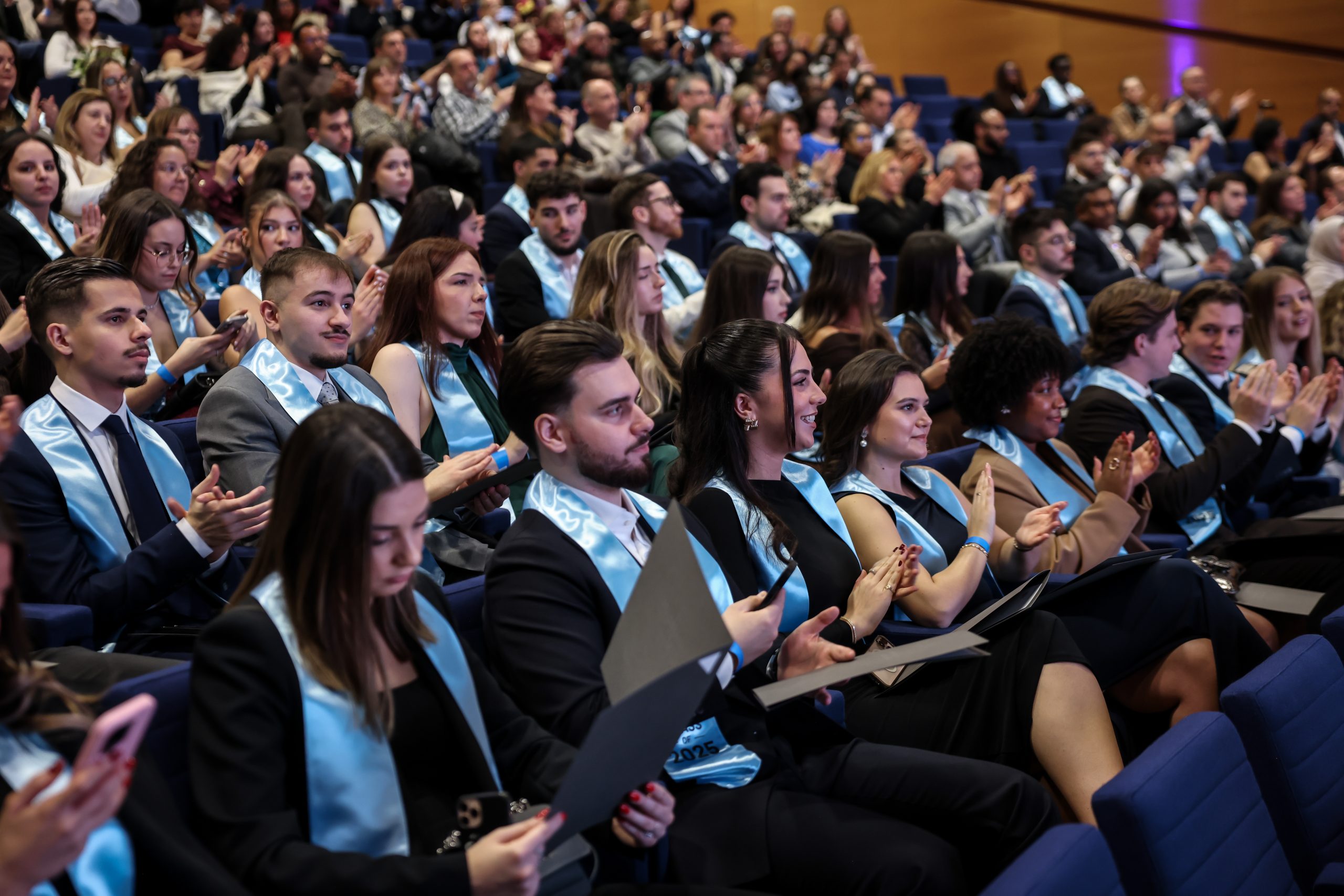
“Once a student, always an alumni”: Belval campus echoed in festive mood, as nearly 1,800 graduates proudly received their diploma during the Graduation Week in December.
In 2025, students enrolled in the brand new Bachelors in Medical Technical Radiology Assistant and in Midwifery Sciences
The external evaluation of the Bachelor in medicine opens the path for a long-awaited Master in medicine.
Research
Three Uni.lu researchers secured a prestigious grant from the European Research Council:
-
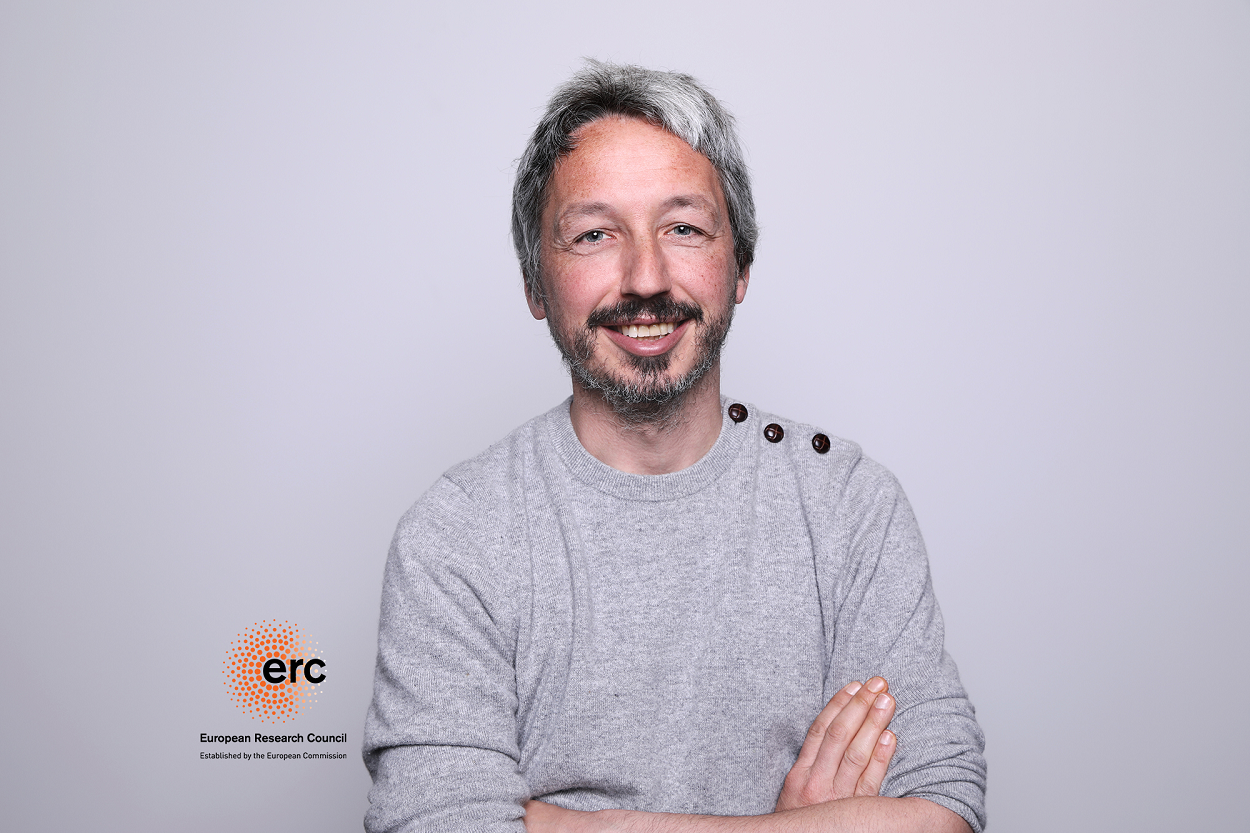
Prof Benoît MAJERUS
C2DHHistorian Benoît Majerus uses AI to reconstruct the global history of offshore shell companies. -
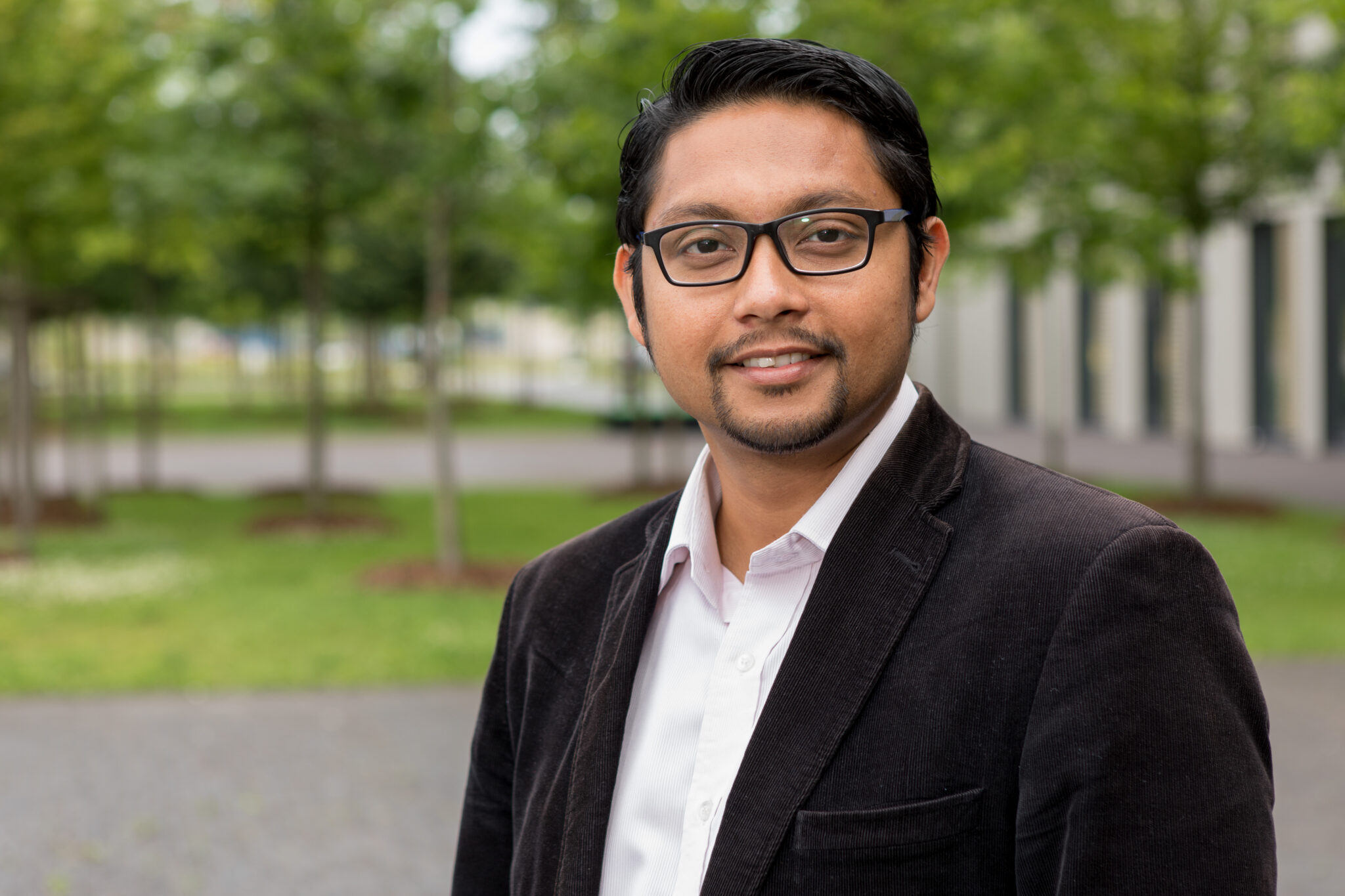
Assoc. Prof Anupam SENGUPTA
FSTMAnupam Sengupta explores bacteria that control light from within. -
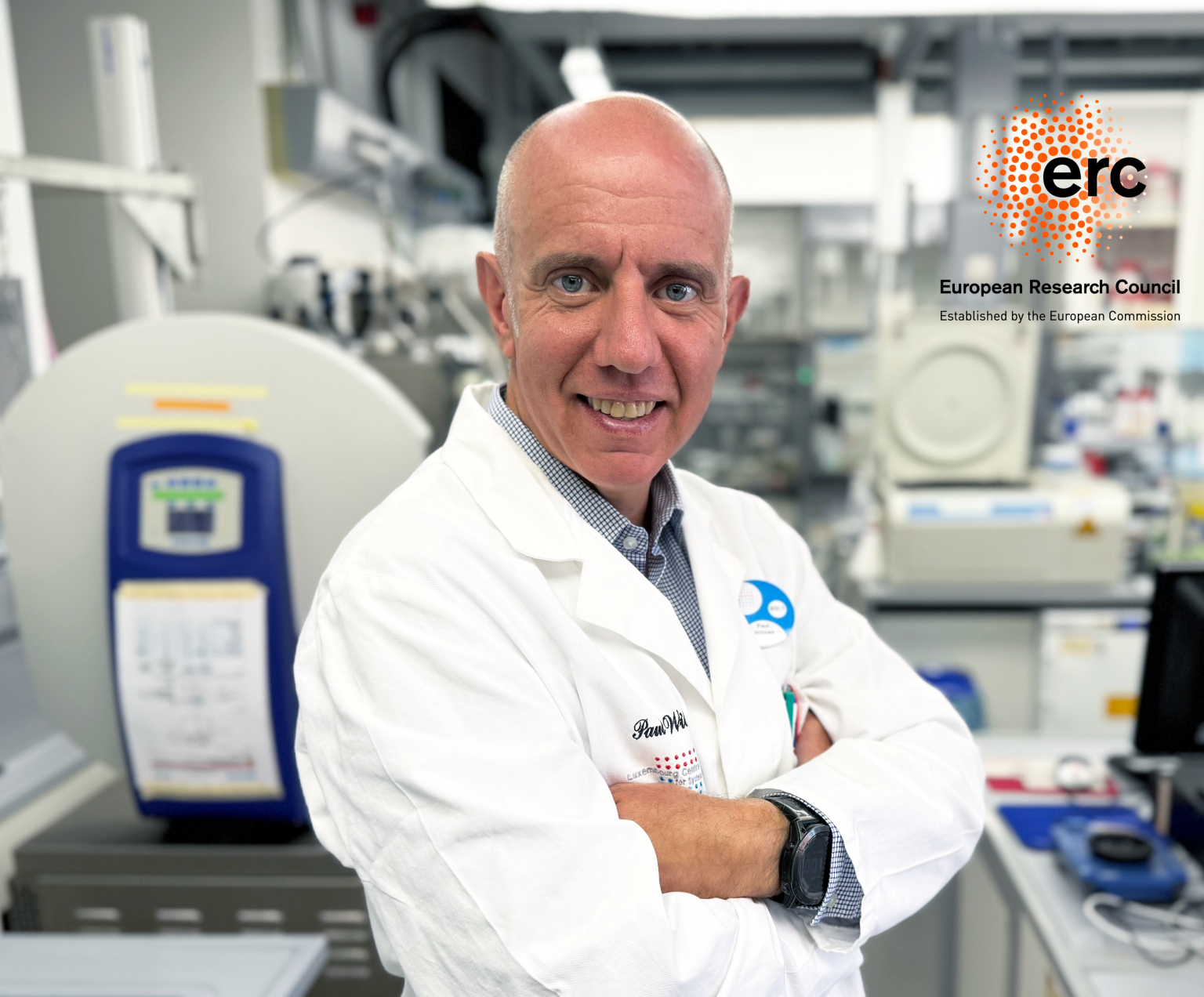
Prof Paul WILMES
LCSBPaul Wilmes investigates if small proteins originating from gut microbes could serve as biomarkers for Parkinson’s disease.
For the past decade, the Luxembourg Centre for Educational Testing (LUCET) has been at the forefront of evaluating and improving the country’s school system. Through innovative testing, comprehensive data analysis, and close collaboration with researchers and policymakers, LUCET has helped shape a more transparent, inclusive, and effective educational landscape in Luxembourg.
Success at the FNR Awards: Dr Florian Felten received an Outstanding PhD Thesis award for his thesis “Multi-Objective Reinforcement Learning”, while Profs. Andreas Fickers, Sonja Kmec and Dietmar Hüser (Saarbrücken University) received the Outstanding Scientific Achievement award for “Transnational popular culture – Europe in the long 1960s.” Nominated by his team and students, Prof. Christos Koulovatianos received an Outstanding Mentor award.
Interdisciplinarity

As generative AI technology makes its way into courtrooms, criminal law experts assess its use in forensic evidence and the stakes to ensure fair and reliable trials.
Social media networks have proved to be fertile ground for the rise of populism, providing a mostly unfettered space for polarising discourse and spread of misinformation. For the first time, researchers in finance and economics are using a combination of models and theories from finance, robotics, economics and natural sciences to quantitatively study the data linked to the increase and pervasiveness of populism in social media.
Experts in cyber policy, cybersecurity and cyber defense discuss the challenges to create a cohesive cybersecurity approach for Europe.
Elastomers similar to paint coating developed by Jan Lagerwall and TU Darmstadt were proven to help detect and monitor potential concrete cracks in buildings.
Impresso – Media Monitoring of the Past, supports cutting-edge, data-driven research on historical media collections.
Entrepreneurship

A new interactive mapping of Luxembourg complex entrepreneurial ecosystem – from institutional to funding, R&D or networking organisations – is available for budding entrepreneurs, researchers and students.
PhD Dominique Nicoli and company MDSim are improving digital twins of the spine to identify patient-specific prognosis. Their model helps to reduce the striking rate of spinal surgery revisions every two years.
Institutional development and partnerships
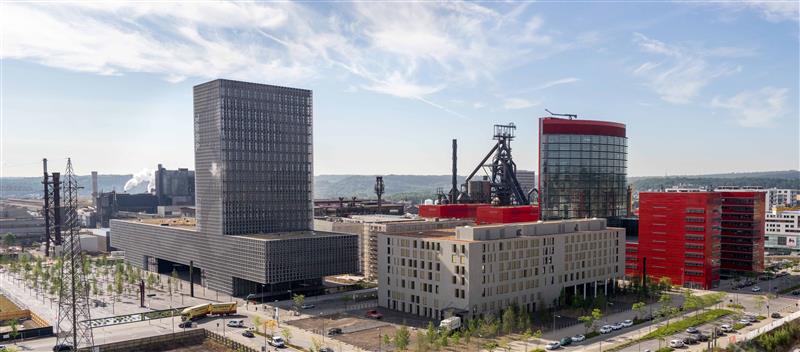
Uni.lu joined the “Guild of European Research-Intensive Universities”, a prestigious network of research-oriented European universities, dedicated to academic and scientific excellence, societal impact, and international collaboration.
Job openings for four professorial positions will prioritise female applicants as part of Uni.lu’s efforts to advance academic leadership among women.
New entities were launched:
-
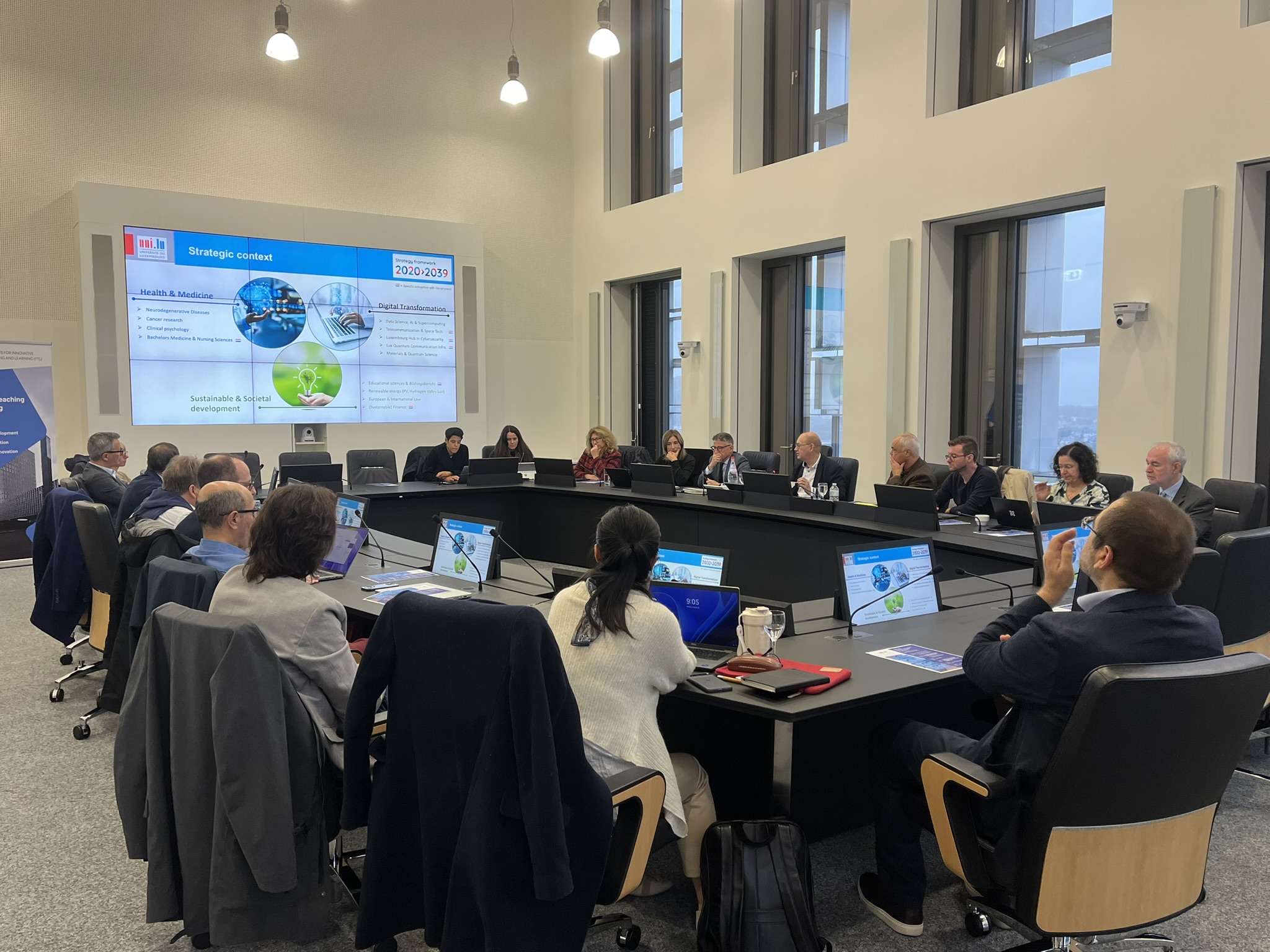
Institute for Innovative Teaching and Learning
I²TLThe Institute for Innovative Teaching and Learning will pilot modern approaches to teacher development and digital education. -

Institute for Digital Ethics
ULIDEThe Institute for Digital Ethics provides a transversal hub of reflection, training and counselling. -
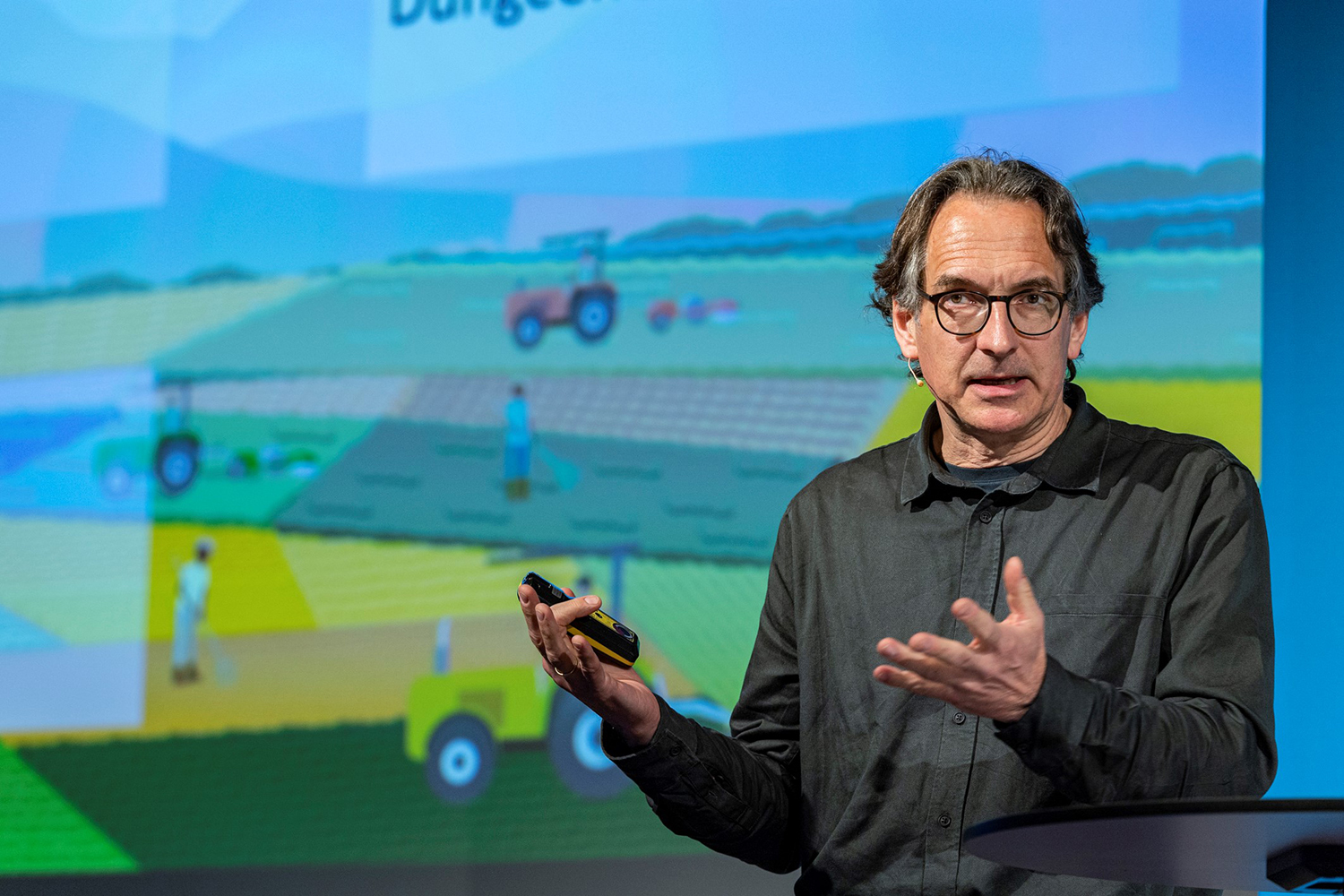
Centre for Socio-Environmental Systems
LCSESRalf Seppelt joined the University as Director of the brand new Centre for Socio-Environmental Systems. -
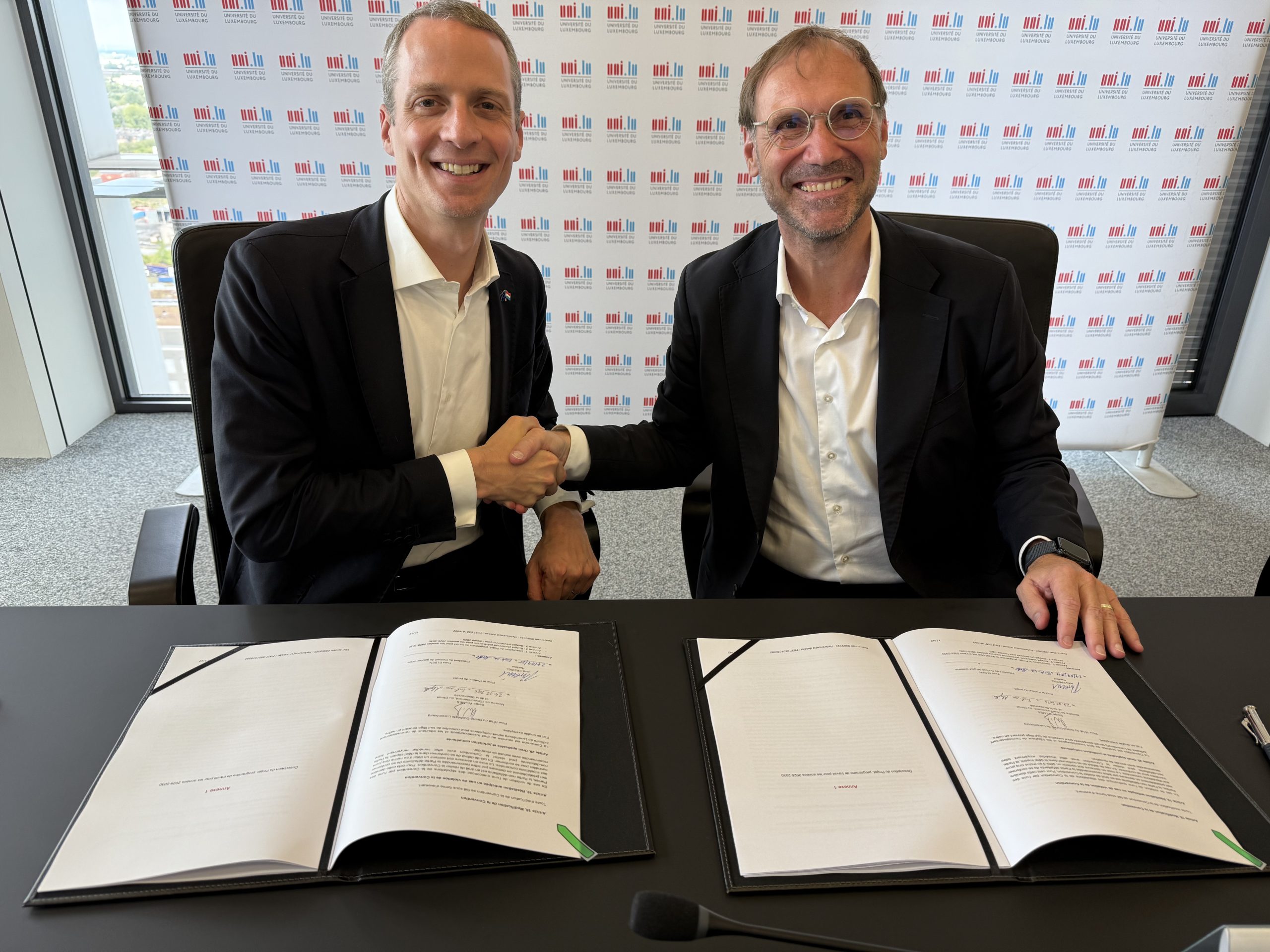
Nexus Climate convention
LCSESIn summer, the University signed the first Nexus Climate convention with Luxembourg’s government. The University will explore, test, and expand climate-related transformations at all levels through interdisciplinary research, data-driven analysis, and inclusive public engagement. The Convention also supports several chapters of Luxembourg’s 2023–2028 coalition agreement, accelerating national and global sustainability targets
The University and Google announced their new partnership, including a Centre of Excellence and a Chair in Sovereign AI. The partnership will focus on cybersecurity and artificial intelligence, providing students, businesses and the broader ecosystem with competitive skills.
The University hosts the ‘CERATIZIT Chair in Hard and Advanced Materials’ to strengthen R&D in pioneering materials and manufacturing technologies.
A new ‘History and Migrations’ Chair: A bridge between past and future to study international migrations during the 19th and 20th centuries in the Greater Region.
Uni.lu in society
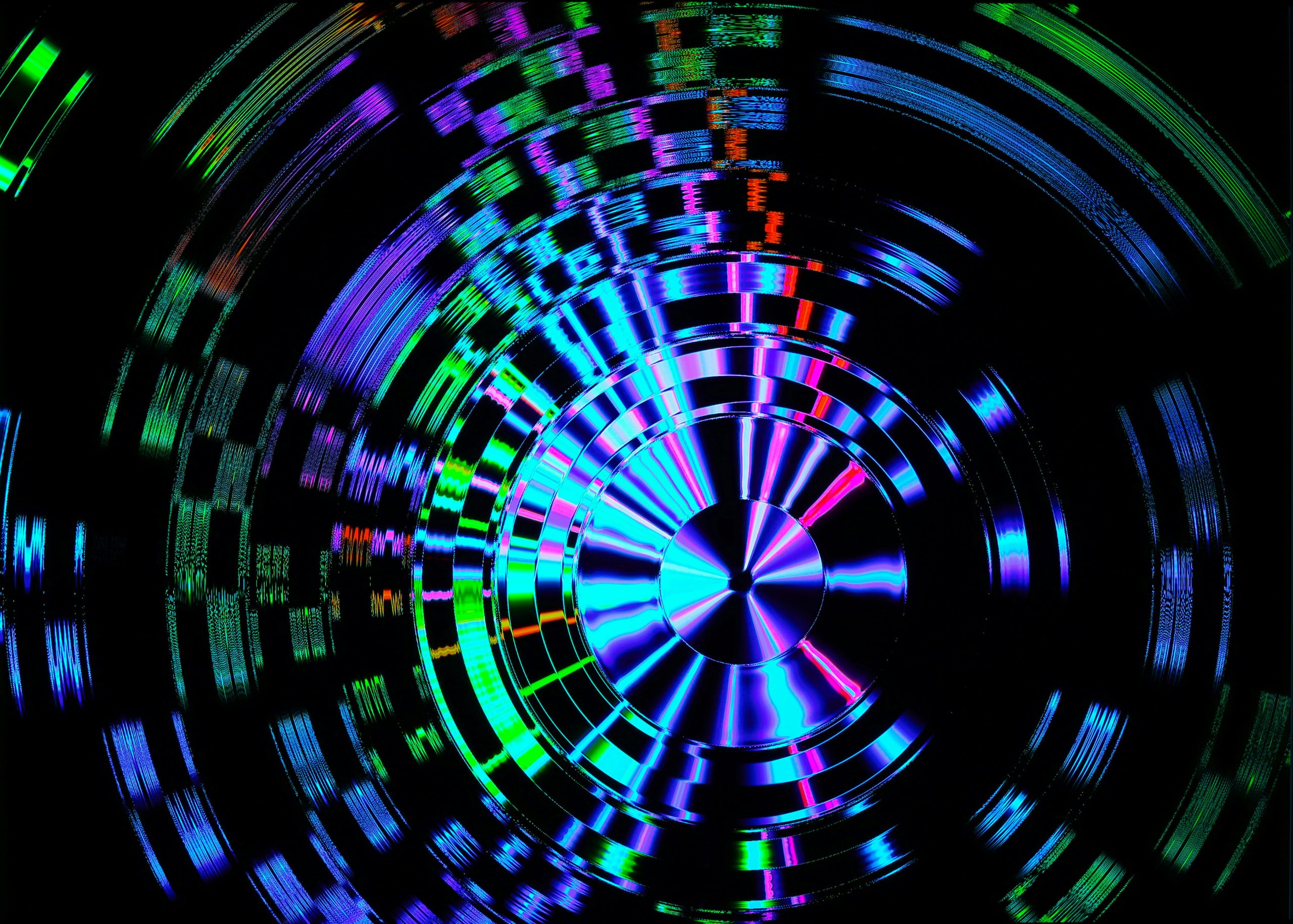
Researchers in cybersecurity, information technology, material science, and physics explore new possibilities with quantum research. In 2025, Uni.lu showcased its world-class quantum science via a variety of activities, to help spark curiosity in, and progress our understanding of quantum-related topics.
The 3-day conference “Democracy and Youth in the Digital Age” brought together experts, students and policy-makers from diverse areas, each exploring a critical aspect of democracy and youth engagement in the digital age.
Uni.lu launched the UniverCITY Talks, a series of interactive discussions where experts from the University of Luxembourg come into the city to explore key topics like AI, health, finance, space, and sustainability. Free and open to all, these sessions encourage dialogue between academics and the public, with Q&A opportunities to share your thoughts.
‟ Our shared values, mutual trust, and sense of responsibility provide stability. We closed this year by celebrating nearly 1,800 graduates during an inspiring graduation week, a moment that honoured academic success and, above all, the human journey behind every diploma. In the first external research evaluation since the past 6 years, independent international experts concluded that Uni.lu fared remarkably well.”
Rector
The University thanks its students and staff for their collaboration and wishes its members and partners an inspiring start to 2026.