Faculty of Science, Technology and Medicine
 Faculty of Law, Economics and Finance
 Faculty of Humanities, Education and Social Sciences
 Interdisciplinary Centre for Security, Reliability and Trust
 Luxembourg Centre for Systems Biomedicine
 Luxembourg Centre for Contemporary and Digital History
 Luxembourg Centre for European Law
 Luxembourg Centre for Socio-Environmental Systems
Artificial Intelligence in the Service of History — and Under Its Critical Gaze

Created by Gemini
At the C²DH, AI is not merely a tool: it is both a research instrument and an object of study. As a pioneering centre in digital history, the C²DH explores how artificial intelligence technologies are transforming historical practice while critically examining their epistemological and ethical implications through the lenses of digital hermeneutics.
‟ We already use AI in all kinds of ways”
Most researchers at the C²DH already use generative AI platforms in their work. From transcribing handwritten documents to analysing vast textual corpora, coding, creative writing, and even generating traditional folk embroidery patterns — the uses are as diverse as they are inventive.
This reality led to the creation of a dedicated AI Working Group and the development of an AI Manifesto that lays the groundwork for collective reflection on the major challenges AI poses to the practice of history.
C²DH AI Manifesto. The major challenges posed by AI to the practice of history
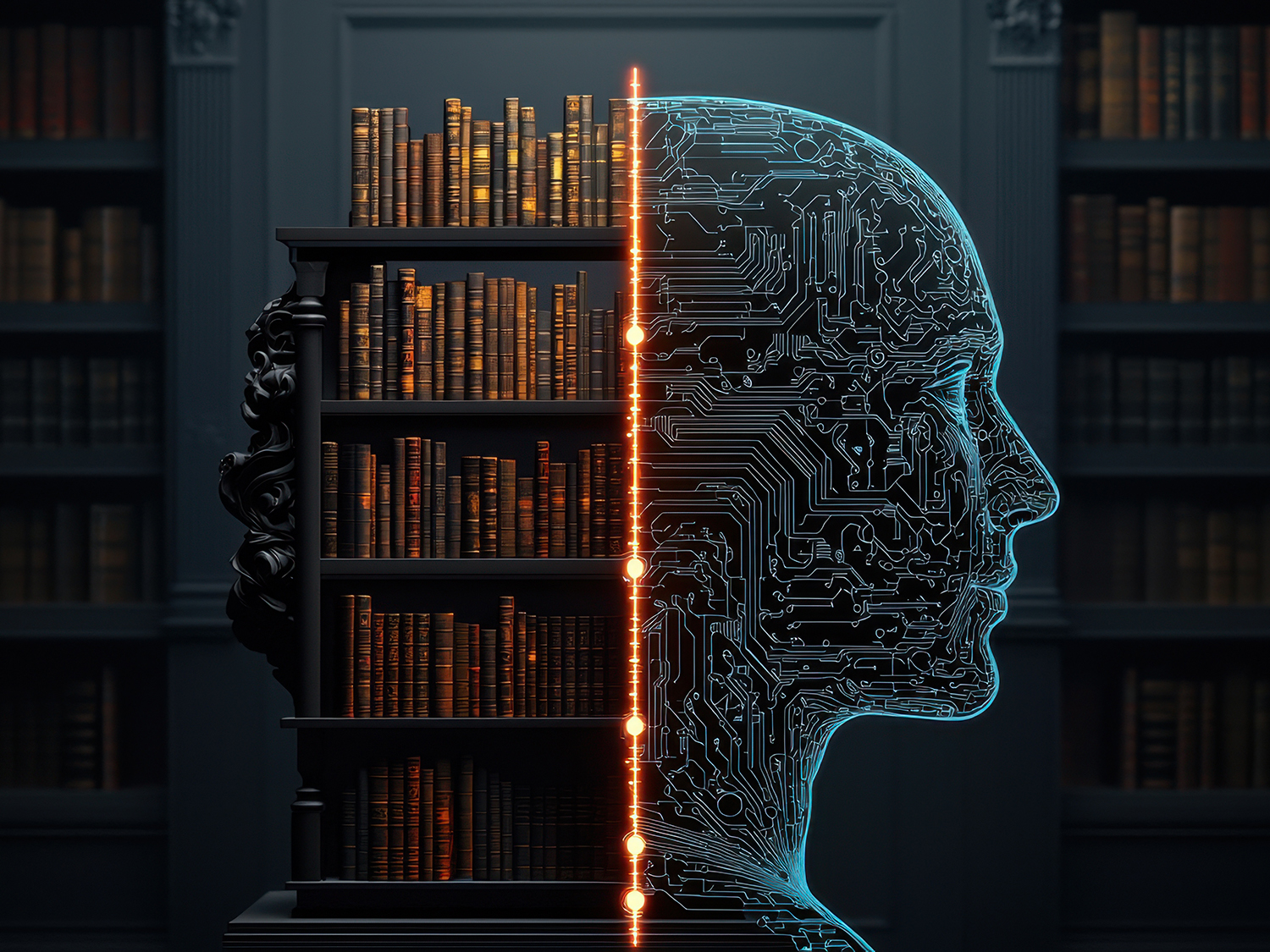
Two Complementary Approaches: researching with AI, researching on AI

Researching with AI
The C²DH develops projects that harness AI as a methodological lever to renew access to sources and historical analysis. Among our initiatives:
- LUXSCRIBENS: Using Handwritten Text Recognition (HTR) via Transkribus to transcribe Luxembourgish correspondence from the 19th and 20th centuries, including the development of a custom-trained model specifically for Luxembourgish — a language that lacked standardised spelling until 1984.
- LETTERBOX — Leveraging Natural Language Processing (NLP) and digital history methods to make shell company networks visible and renew financial historiography.
- AISTER — Developing human-centred solutions combining AI and citizen participation for the safeguarding of Ukrainian cultural heritage in emergency situations.
- Voices from Auschwitz – Unlocking Collective Memory with the Multimodal Analysis of Survivor Testimonies.
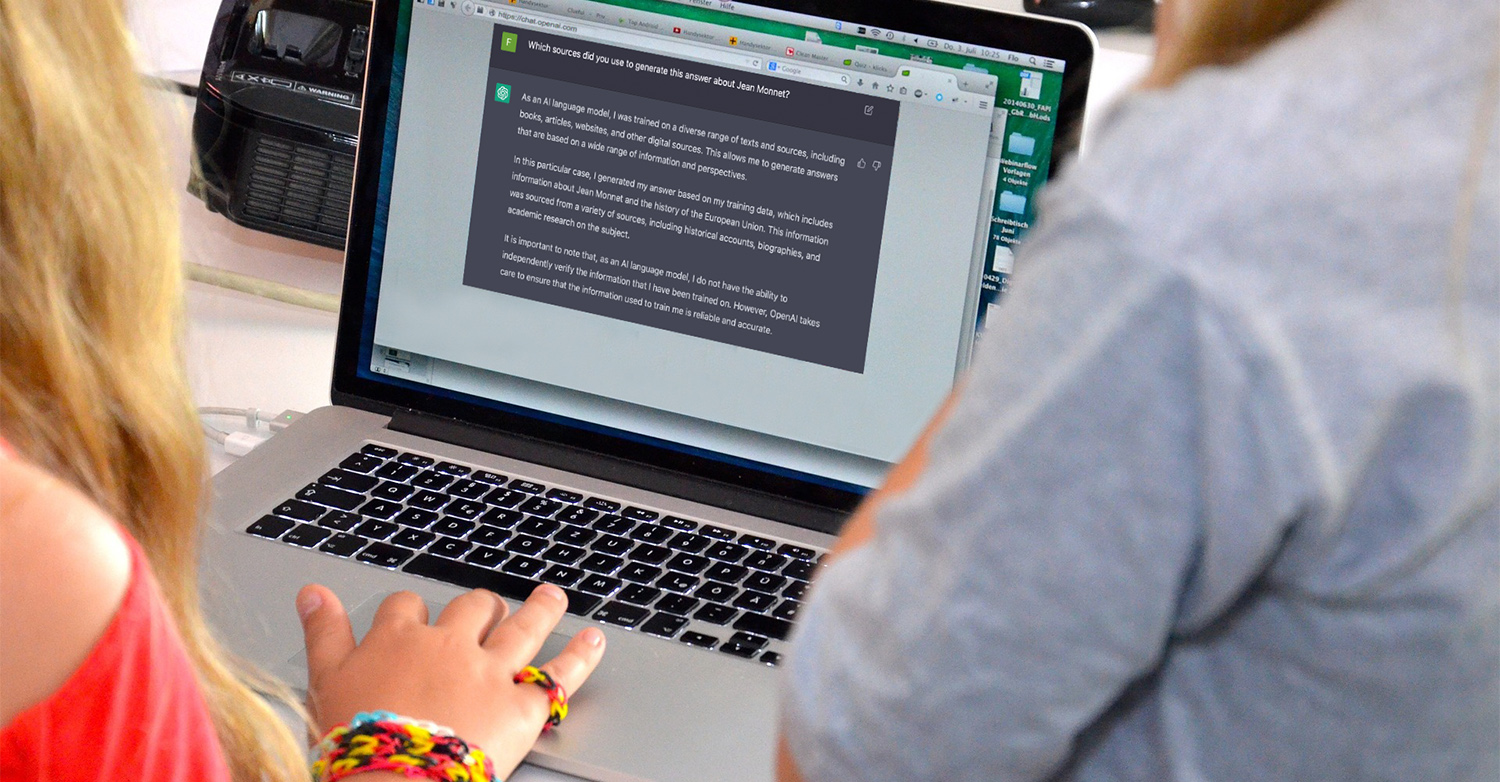
Researching on AI
AI is not a neutral tool. It embeds worldviews, produces biases, and transforms our relationship with sources. The C²DH conducts critical research on:
- AI as a producer of primary sources — How interactions with chatbots and AI-generated content are themselves becoming materials for understanding contemporary collective memory.
- Epistemological implications — What transformations does source criticism face when dealing with probabilistic systems? How should AI use be documented to ensure transparency and reproducibility?
- Ethical challenges — Attribution of creation, risks of writing standardisation, representation of minority languages, “instant history” and the public’s relationship with the complexity of historical narrative.
‟ The historian’s process involves many steps. It’s very multi-layered, and there’s very much a human element there in creating a narrative about the past”
Postdoctoral researcher
Further reading
-

Integrating AI into historical research: a conversation with Benoît Majerus about his ERC project on the history of offshore shell companies
InsightArtificial intelligence, Banking and financial history, Digital methodsLearn more -

Stitching memory: Inna Ganschow’s exploration of Ukrainian embroidery using AI
ExplainedArtificial intelligence, Digital methods, Digital toolsLearn more -
How AI sees the past: artificial intelligence and collective memory
ExplainedArtificial intelligence, Digital methodsLearn more -

Artificial intelligence and history: an introduction
ExplainedArtificial intelligence, Digital hermeneutics, Digital toolsLearn more -
-

-

AI generated embroideries for Ukrainian dancing costumes
Artificial intelligence, Cultural studiesLearn more -

Usages pédagogiques de ChatGPT – Enregistrement de la table ronde
Artificial intelligence, Digital hermeneutics, Digital source criticism, Digital toolsLearn more -
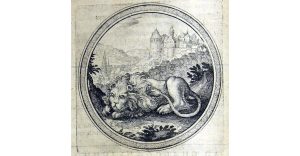
Recording: When will an algorithm identify a sleeping lion as an emblem of a vigilant ruler?
Artificial intelligence, Visual and material cultureLearn more