

 Faculty of Science, Technology and Medicine
 Faculty of Law, Economics and Finance
 Faculty of Humanities, Education and Social Sciences
 Interdisciplinary Centre for Security, Reliability and Trust
 Luxembourg Centre for Systems Biomedicine
 Luxembourg Centre for Contemporary and Digital History
 Luxembourg Centre for European Law
 Luxembourg Centre for Socio-Environmental Systems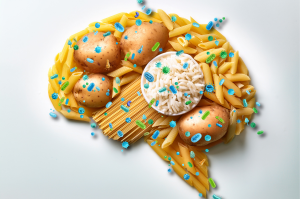
Resistant starch, present in cooked and cooled potatoes, rice, or pasta, might be the latest hit on food blogs and among nutrition enthusiasts, but it turns out its impact on our gut is also being studied in the context of neurodegenerative diseases. A team of scientists, whose research focuses on the microbiome – the community of diverse microorganisms living in and on our body – and its role in health and disease, recently observed that a diet enriched in resistant starch has promising effects on symptoms of Parkinson’s disease. Their study was recently published in the scientific journal Brain, Behavior, and Immunity.
A neurodegenerative disease that might start in the gut
While most people associate Parkinson’s disease with the brain, it might be less well-known that this neurodegenerative disorder also affects the gut. Neurodegeneration occurs in the enteric nervous system early on, as well as alterations in the gut microbiome, leading to gastrointestinal symptoms such as constipation in the first stage of the disease, before the classical symptoms appear. Changes observed among the microorganisms present in the gut of Parkinson’s patients have been of particular interest to scientists studying the disease, as it seems they promote neuroinflammation and aggravate the pathological mechanisms. “There is growing evidence that the gut microbiome plays an important role in Parkinson’s disease, and we know that diet shapes the microbiome structure and function,” explains Prof. Paul Wilmes, head of the Systems Ecology group at the Luxembourg Centre for Systems Biomedicine (LCSB). “So, targeted dietary interventions represent a promising avenue to alleviate symptoms, especially as they are generally well tolerated and accepted by patients.”
Diet as a possible tool to improve quality of life
Wilmes’ team, in collaboration of the group of Prof. Brit Mollenhauer from the Paracelsus Elena Clinic in Kassel (Germany), recently focused on the potential of resistant starch. When consumed, this complex carbohydrate transits through the stomach and small intestine without being absorbed and reaches the large intestine where it is digested by microorganisms. In Parkinson’s disease, it could, along with other dietary fibres, help modulate the gut microbiome in a beneficial way. Resistant starch occurs naturally in foods such as green bananas, beans, seeds and nuts, and can also be formed by cooking and cooling potatoes, rice or pasta.
In a pilot study, the LCSB team worked with 74 Parkinson’s patients following different diets – a conventional diet, one supplemented with resistant starch, and a classical high-fibre diet – for two to forty weeks. The researchers collected stool and blood samples, as well as clinical, pharmacological, and nutritional data regularly, allowing for a detailed comparison of the effect of the different diets and durations. “We analysed the structure of the gut microbiome, its functional potential, and the types of molecules found in the blood and stools through advanced methods such as shotgun sequencing and multi-omics approaches,” details Dr Viacheslav Petrov, first author of the study and postdoctoral researcher in the Systems Ecology group. “Together with questionnaires about the severity of symptoms, it gave us a very good overview of the impact of diets high in resistant starch or dietary fibres in general.”
A pilot study with promising results on several levels and timescales
Their findings reveal that both the addition of resistant starch and fibres in the diet, even for a short period, remodels the gut microbiome of participants, leading to an increase in health-related bacteria, notably Faecalibacterium species, and a decrease in opportunistic pathogens. When prolonged for several weeks, the consumption of resistant starch had further benefits, from increased levels of anti-inflammatory molecules in stool and blood, to improvements of both motor and non-motor symptoms of the disease.
“The resistant starch supplement provides resources for beneficial microorganisms in the large intestine,” describes Dr Petrov. “As a result, we see a shift in the composition of the gut microbiome that is tightly linked to changes in its functional potential, the ability of these microorganisms to form biofilms that protect from intestinal damage for example. It also has an impact on the metabolic activity and the inflammatory response of the body.” The most striking consequence of this health-promoting change being of course the significant improvements observed in the symptoms and quality of life of the patients.
Exploring the complex links between the microbiome and neurodegeneration
While this study highlights the potential of dietary interventions to modulate the gut microbiome and help manage Parkinson’s disease, the work of the Systems Ecology group keeps unveiling the intricate role of this community of microorganisms in health and disease. “It is highly rewarding to get results that can directly lead to nutritional recommendations and have beneficial outcomes for the patients,” says Prof. Wilmes. “Yet, our research also shows how complex the connections between the gut and the brain are. The more we learn, the more questions we have. For example, is the microbiome simply affected by the disease? Can it trigger its emergence or conversely could it have a protective role?”
Some of the team’s recent scientific publications have for example shown how the gut microbiome is already disrupted at prodromal stages of Parkinson’s disease, such as in patients with idiopathic REM sleep behaviour disorder, a condition that is often seen as a precursor of Parkinson’s. These early shifts affect key functions of the microbiome that help regulate the immune system and brain function, with overall implications for human health. As part of the ERC-funded ExpoBiome project launched in 2020 and the following Proof of Concept grant (AMY-Dx) obtained in 2025, the team is also looking at small proteins that are produced by the gut microbiome and can trigger the aggregation of α-synuclein, the molecular hallmark of Parkinson’s disease. They are both interested in the possible pathogenic role of these microbial molecules and investigating how to use them as predictive biomarkers to detect the disease early.
These new insights into the role of the gut-brain axis in neurodegeneration will contribute to a better understanding of several diseases and to the development of treatment strategies focused on microbiome restoration including in larger and longer-term dietary interventions.
The publication in Brain, Behavior, and Immunity is dedicated with deep gratitude to the memory of Dr Sebastian Schade whose relentless commitment, clinical expertise, and vision as a talented young clinical-scientist were indispensable to the success of this study. His dedication to patient care and his unwavering passion for advancing our understanding of Parkinson’s disease remain a cornerstone of this work. His legacy endures through the insights and colleagues he inspired, the collaborative spirit he embodied, and the patients he deeply cared for.
The researchers
References:
- Viacheslav Petrov, Sebastian Schade, Cedric Laczny, Jenny Hallqvist, Patrick May, Christian Jäger, Velma Aho, Oskar Hickl, Rashi Halder, Elisabeth Lang, Jordan Caussin, Laura Lebrun, Janine Schulz, Marcus Michael Unger, Kevin Mills, Brit Mollenhauer & Paul Wilmes, Resistant starch improves Parkinson’s disease symptoms through restructuring of the gut microbiome and modulating inflammation, Brain, Behavior, and Immunity, December 2025.
- Rémy Villette & al., Integrated multi-omics highlights alterations of gut microbiome functions in prodromal and idiopathic Parkinson’s disease, Microbiome, October 2025.
- Rémy Villette, Polina V. Novikova, Cédric C. Laczny, Brit Mollenhauer, Patrick May & Paul Wilmes, Human gut microbiome gene co-expression network reveals a loss in taxonomic and functional diversity in Parkinson’s disease, npj Biofilms and Microbiomes, July 2025.
The study published in Brain, Behavior, and Immunity has received funding from the Michael J. Fox Foundation. Research conducted by the Systems Ecology group at the LCSB is also supported by the European Research Council (ERC) under the European Union’s Horizon 2020 research and innovation program, the Luxembourg National Research Fund (FNR), the Parkinson’s Foundation, the Institute for Advanced Studies of the University of Luxembourg, the Rotary Club Luxembourg, the German Research Foundation and a Fulbright Research Scholarship from the Commission for Educational Exchange between the USA, Belgium, and Luxembourg.
Credits: Top image AI generated