
 Faculty of Science, Technology and Medicine
 Faculty of Law, Economics and Finance
 Faculty of Humanities, Education and Social Sciences
 Interdisciplinary Centre for Security, Reliability and Trust
 Luxembourg Centre for Systems Biomedicine
 Luxembourg Centre for Contemporary and Digital History
 Luxembourg Centre for European Law
 Luxembourg Centre for Socio-Environmental Systems
Gender and Conflict
The 2023 edition of the University of Luxembourg’s Gender Days explored how conflict—whether global, civil, or domestic—shapes societies through deeply gendered dynamics. Held on the week of International Women’s Rights Day, the event examined the psychological, historical, and social dimensions of war and insecurity, highlighting the disproportionately heavy burden carried by women.
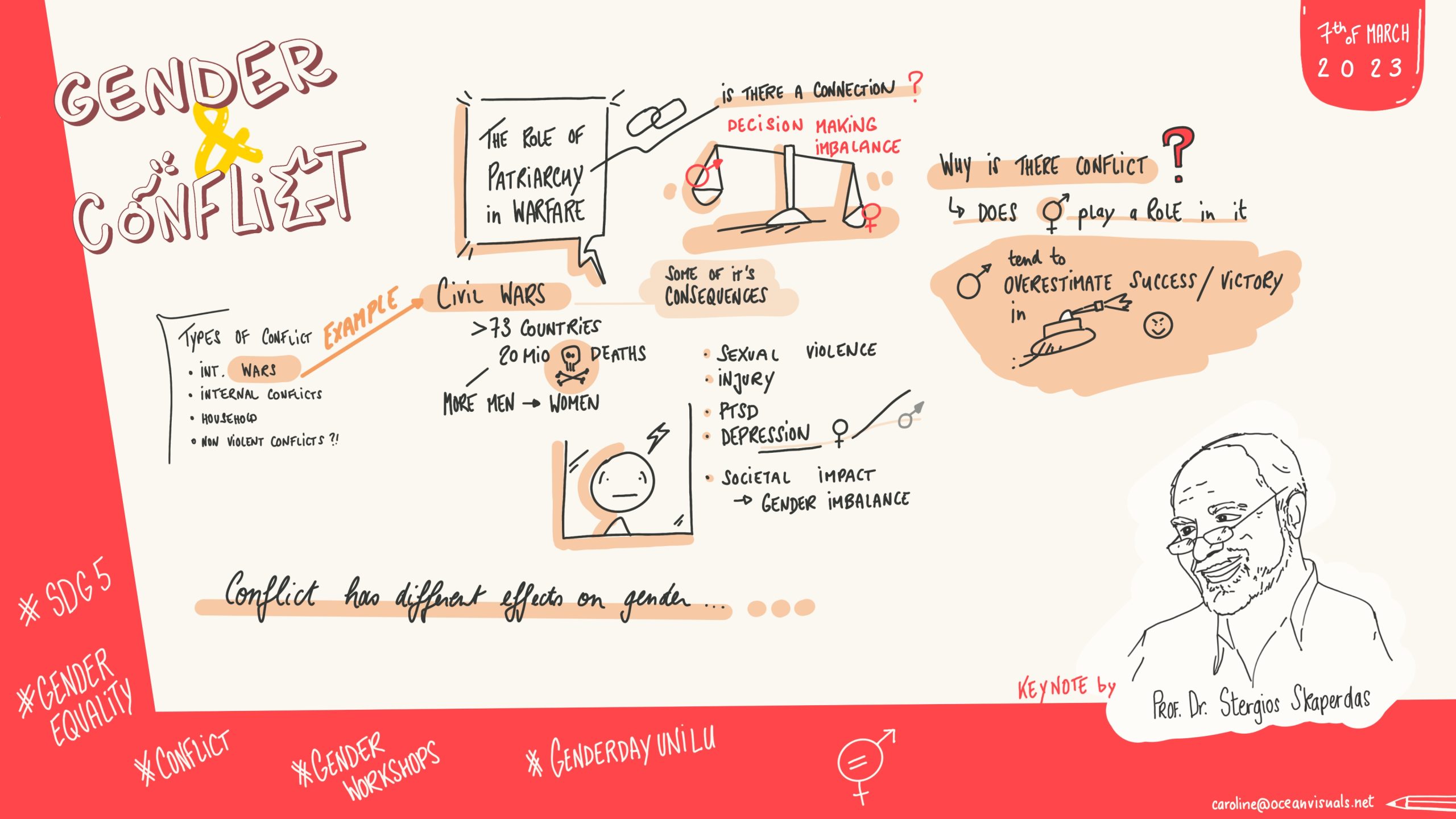
Across examples from past and present, the workshop showed that women often face the longest‑lasting consequences of conflict. While men are more often involved as combatants, women and children experience higher rates of displacement, sexual violence, trauma, and economic precarity. Conflicts also transform gender roles, sometimes increasing women’s responsibilities in rebuilding families and communities, but just as often exposing them to renewed inequalities or post‑war backlash.
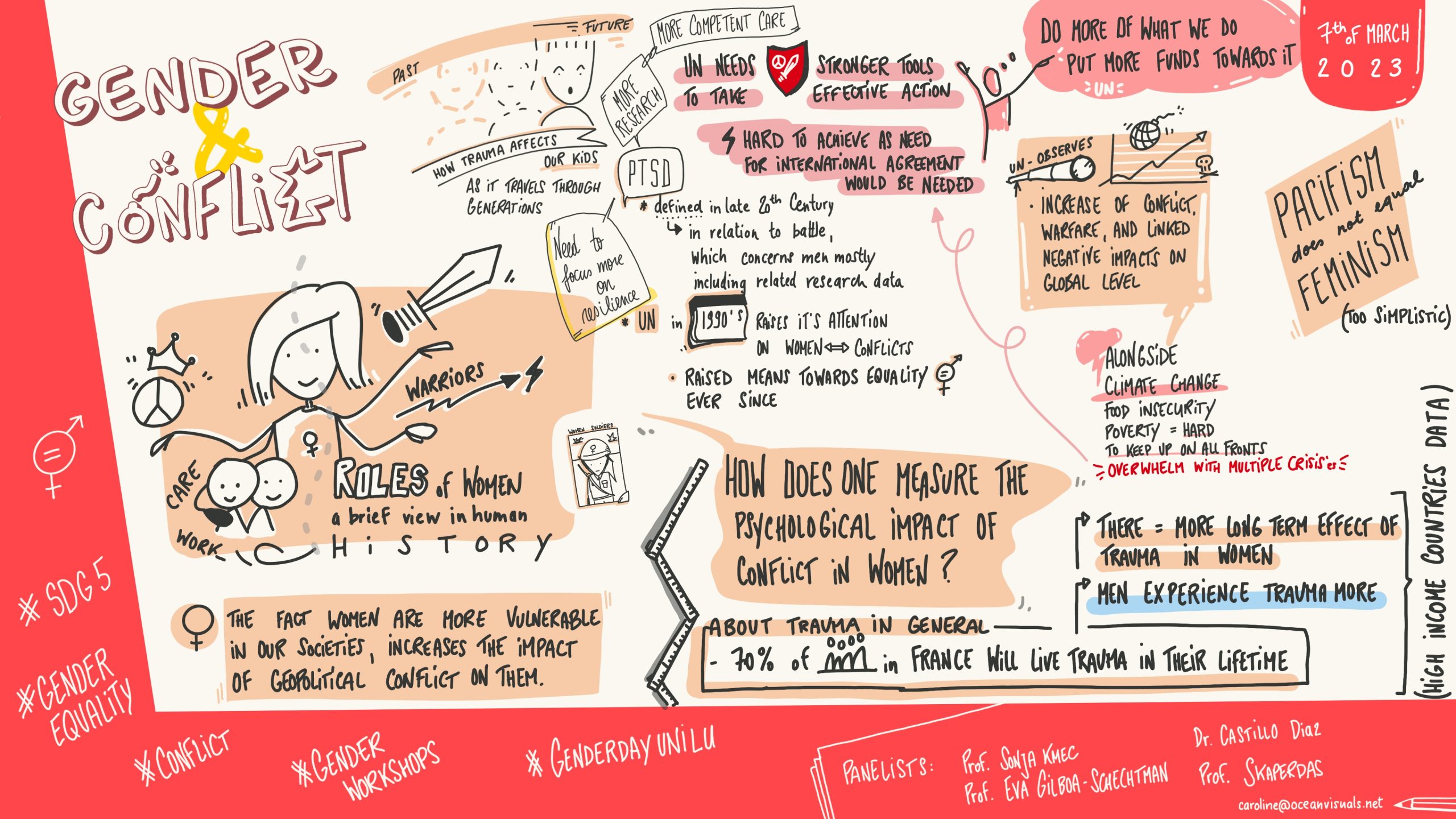
Discussions highlighted how trauma affects women differently, with women being twice as likely to develop PTSD, depression, or anxiety following violence or forced migration. These effects are exacerbated by structural inequalities that limit women’s access to safety, healthcare, and resources. Importantly, the psychological impact of conflict extends beyond individuals: trauma can reverberate across generations, affecting children’s wellbeing and long‑term development.
From a broader societal perspective, participants reflected on how patriarchal systems and power imbalances influence the causes and consequences of conflict. Historical and contemporary evidence shows that women have long played roles in conflict—whether as leaders, supporters, or victims—yet their contributions and experiences remain undervalued. At the same time, modern conflicts increasingly highlight the need for women’s participation in peacebuilding, community resilience, and decision‑making.
The workshop also underscored that today’s world faces the highest levels of violent conflict since World War II, with women and girls among the most affected. Displacement, food insecurity, and restrictions on women’s rights are intensifying, making gender‑responsive policies and support systems more urgent than ever.
Speakers
-
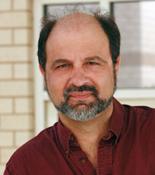
Prof. Stergios Skaperdas
Keynote | University of California, Professor of Economics and Clifford S. Heinz Chair
-
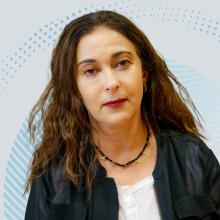
Prof. Eva Gilboa-Schechtman
Bar Ilan University, Head of the
The Emotional Processing Laboratory -
Tanya Beckett moderated the event, and the Vice-Rector for Academic Affairs, Prof. Catherine Leglu, gave the welcome address.

Key takeaways
Throughout the event, visual communicator Caroline Schuler created live sketches that captured the key ideas and emotional dimensions of the discussion, offering a visual summary of the workshop’s central message: understanding conflict through a gender lens is essential to building more resilient, equitable societies.
Video recording of the event

About Gender Days
Since 2022, Gender Days has been an annual event series organised by the University of Luxembourg to foster interdisciplinary dialogue on contemporary issues at the intersection of gender, society, and technology. Each edition brings together leading experts and thought leaders to examine how gender shapes—and is shaped by—our evolving world.
GenderDays series is organised by a multidisciplinary committee of the University of Luxembourg and sponsored by the Gender Equality Office.