Faculty of Science, Technology and Medicine
 Faculty of Law, Economics and Finance
 Faculty of Humanities, Education and Social Sciences
 Interdisciplinary Centre for Security, Reliability and Trust
 Luxembourg Centre for Systems Biomedicine
 Luxembourg Centre for Contemporary and Digital History
 Luxembourg Centre for European Law
 Luxembourg Centre for Socio-Environmental Systems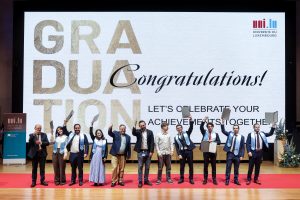
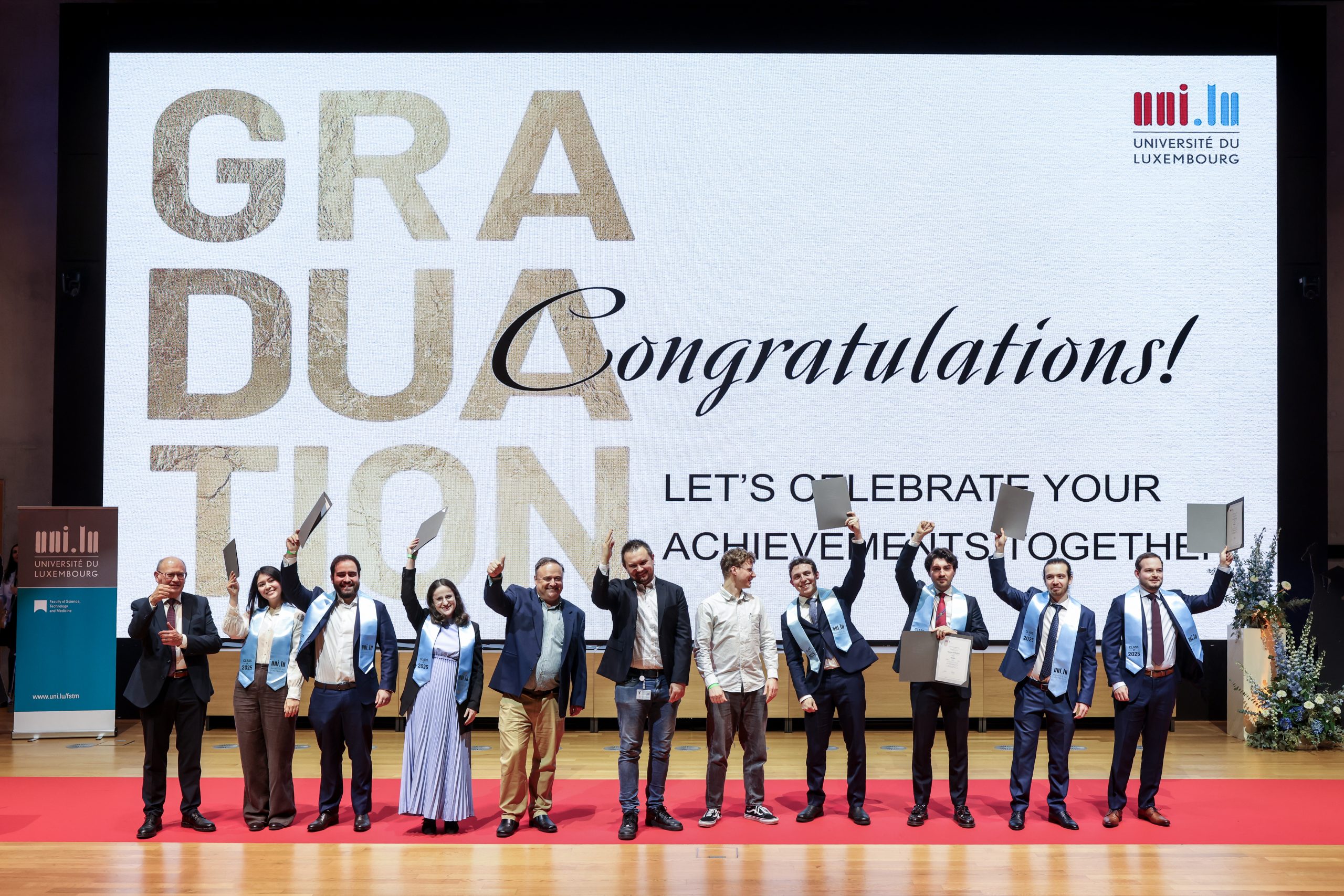
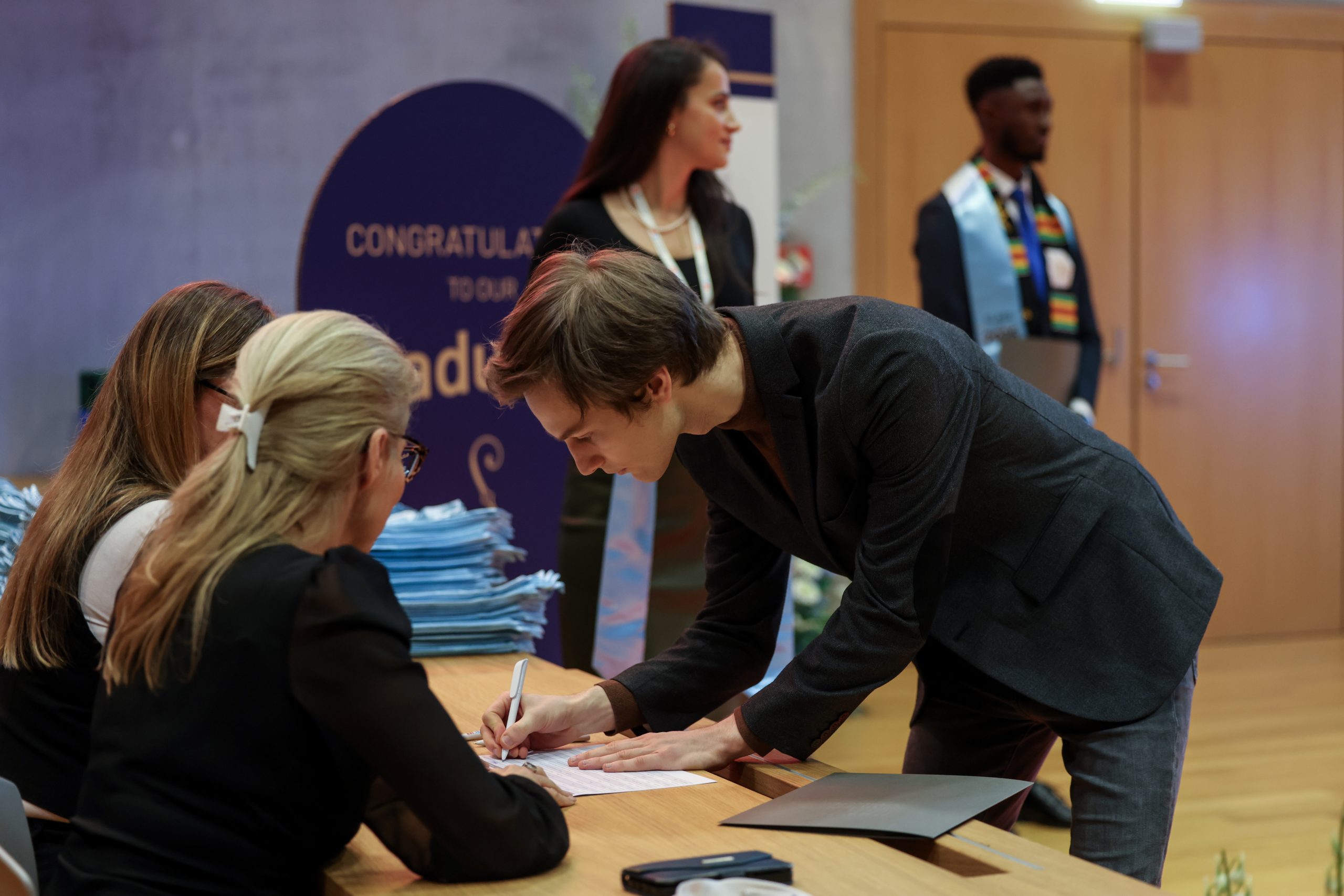
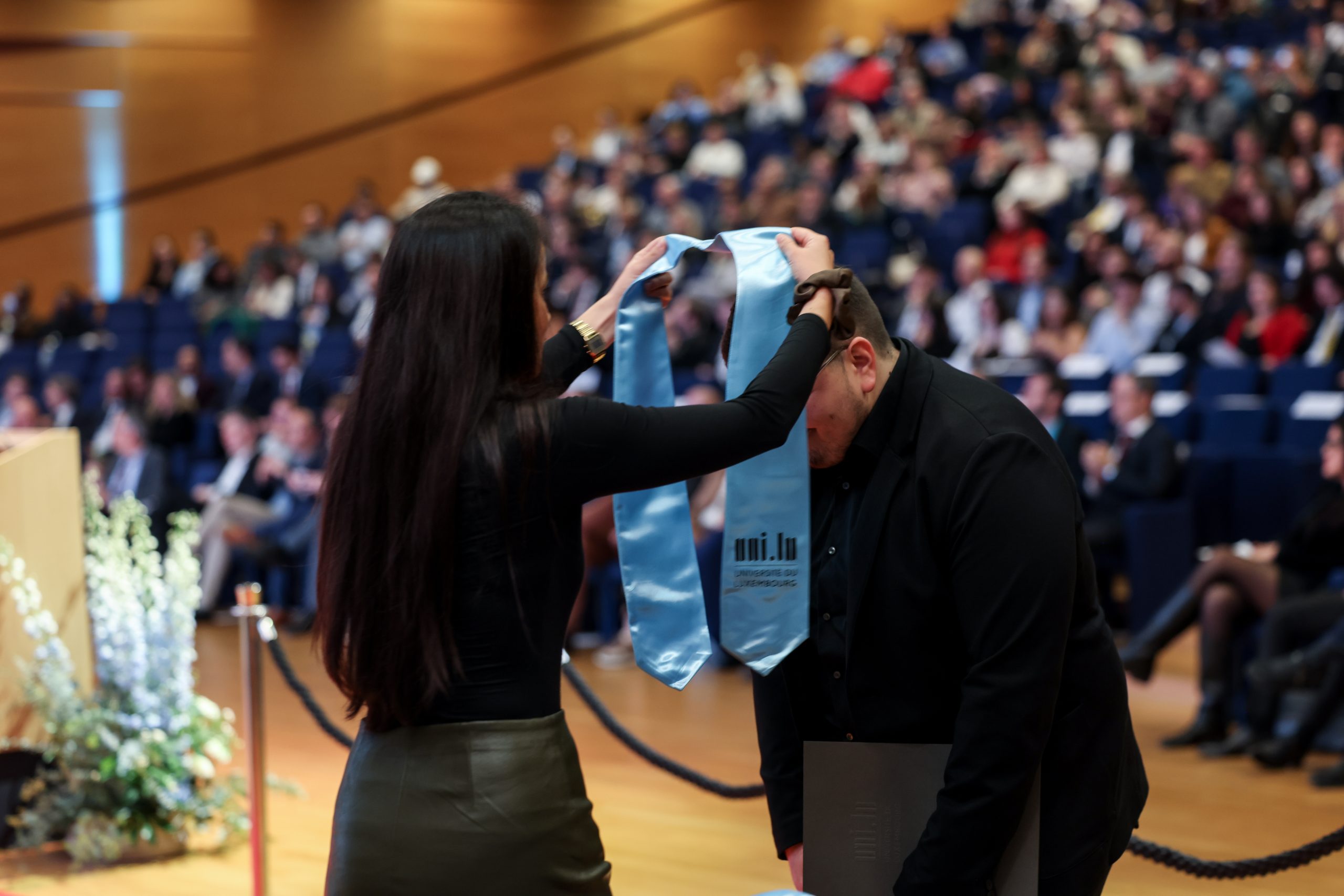
Launched in 2023 by the University of Luxembourg, the Master in High Performance Computing awarded its first diplomas in December.
This pioneering programme positions Luxembourg at the forefront of digital research and innovation by training the next generation of HPC experts at the intersection of parallel programming, hardware architecture, and artificial intelligence. Graduates have acquired the skills needed to implement high-performance computing—an essential resource for artificial intelligence, scientific modelling, applied research, and large-scale industrial innovation—and are now ready to contribute their expertise to research institutions, technology companies, and industry across Luxembourg and Europe.
‟
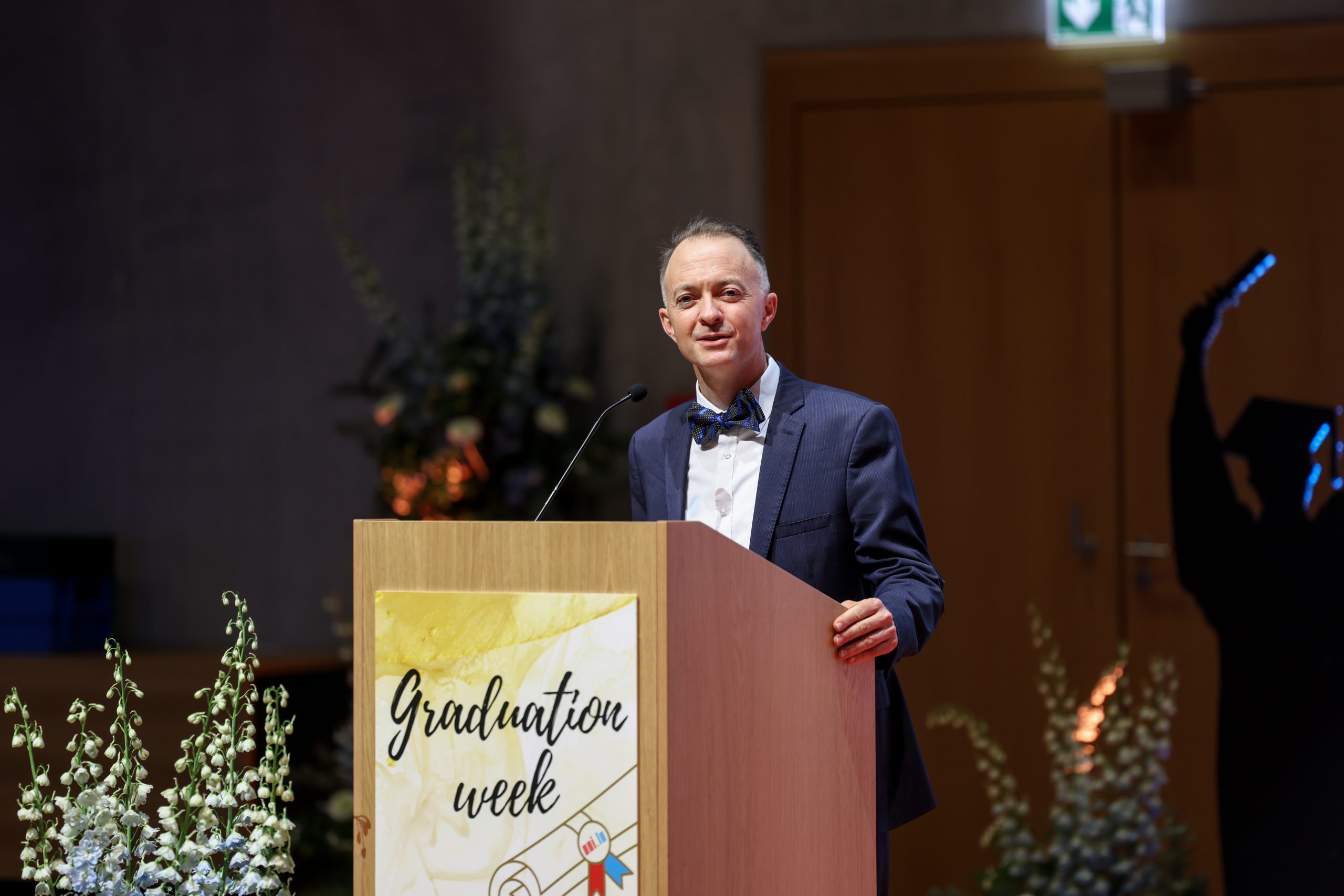
I greatly valued the opportunity to contribute to the training of the next generation of HPC experts in Luxembourg. Working with these students was deeply rewarding: their curiosity, technical maturity, and willingness to engage with challenging computational problems created an environment of genuine intellectual exchange..”
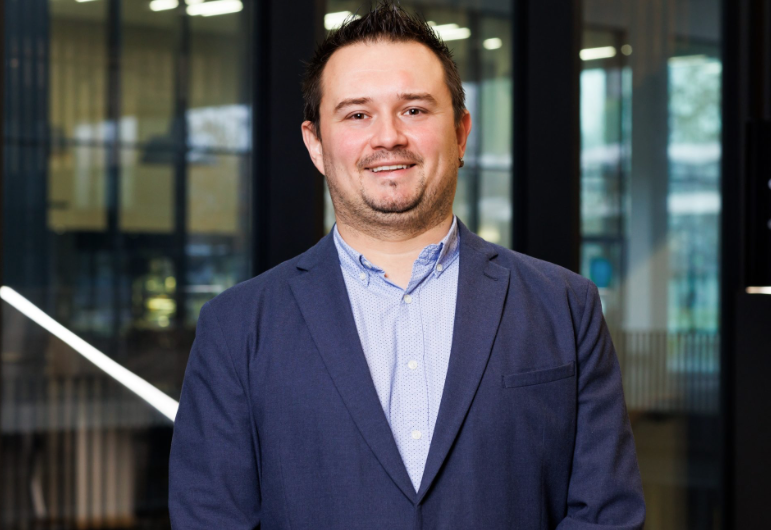
Associate professor in High Performance and Quantum Computing
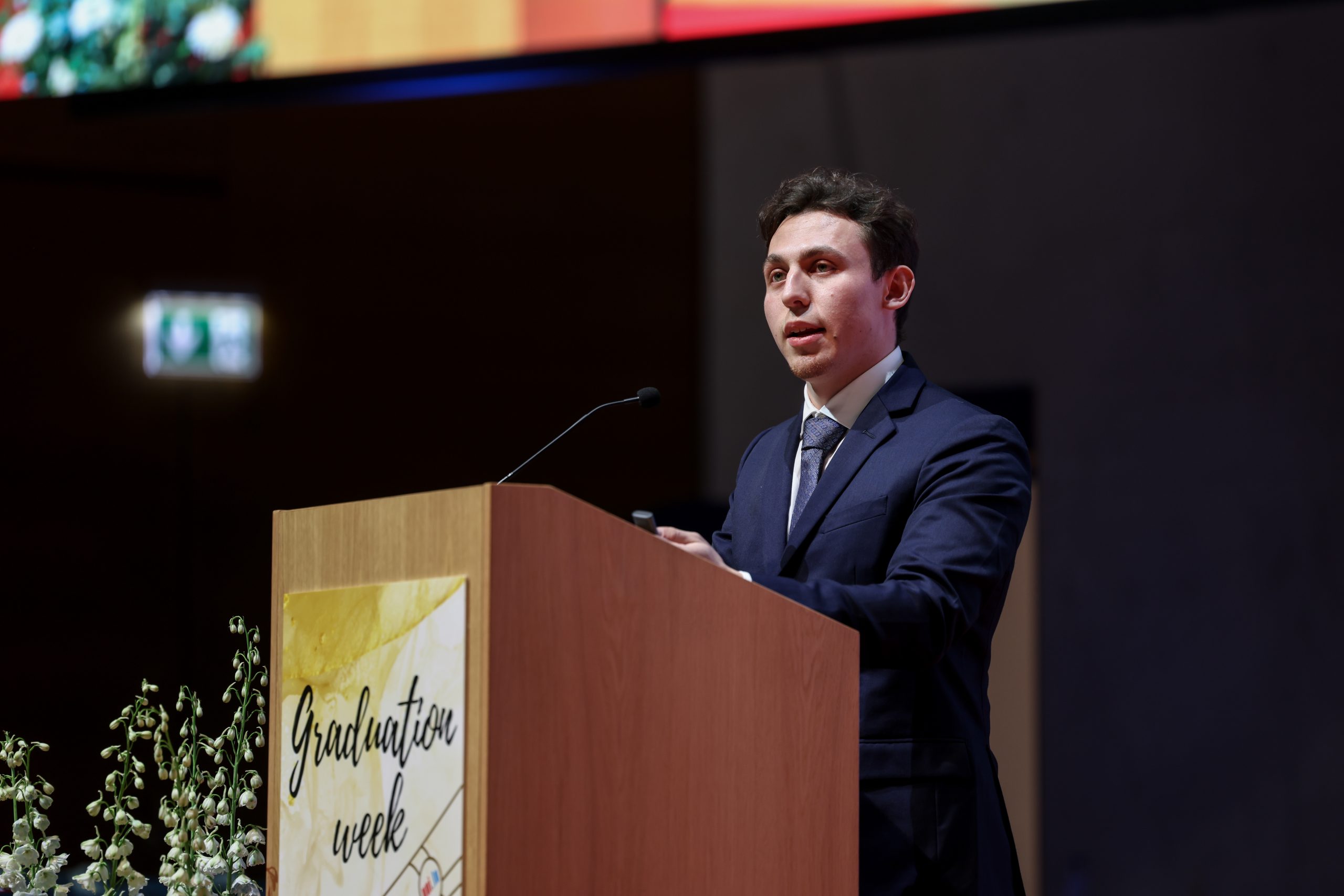
Among the graduates, Luca Guffanti, reflects on his journey. For him, the Master’s programme not only provided a strong foundation in mathematics, algorithms, and computational fundamentals, but also conveyed the core values promoted by the University: cooperation, respect, inclusion, and integrity. Looking back on the past two years, he particularly appreciated the international environment and the diversity of the programme. “Each class was an opportunity for dialogue, each moment a moment of growth, and each project an occasion to think outside of the box, to question assumptions and take initiative”, he stated. “This degree is a passepartout, a key for entering workplaces such as research centres, specialised industries and universities, but also, for joining communities of specialists. And yet, many of the doors that are opening for us right now did not even exist when we started this master, and, similarly, we cannot prove that the career each one of us will follow already exists.”
The faculty warmly congratulates all graduates and wishes them every success in their professional careers!
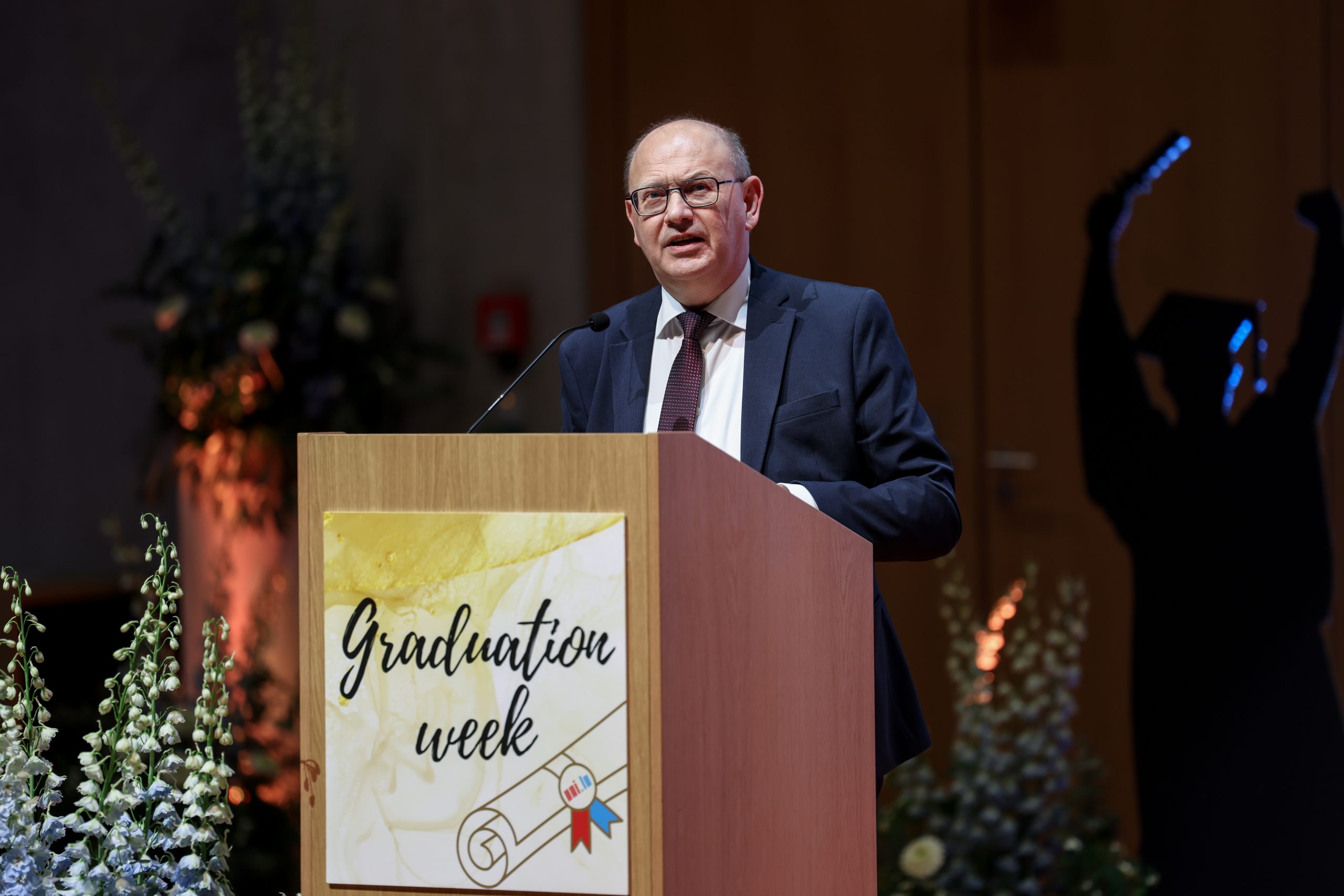
‟ The first cohort of the MHPC is a small, hard-working, and tight-knit group. I was impressed by their willingness to go beyond the curriculum through participation in HPC events, student jobs, and voluntary internships. As a result, they all found employment, with half of them pursuing a Ph.D. in HPC, AI and computational science. I look forward to meeting them again at future scientific conferences.”
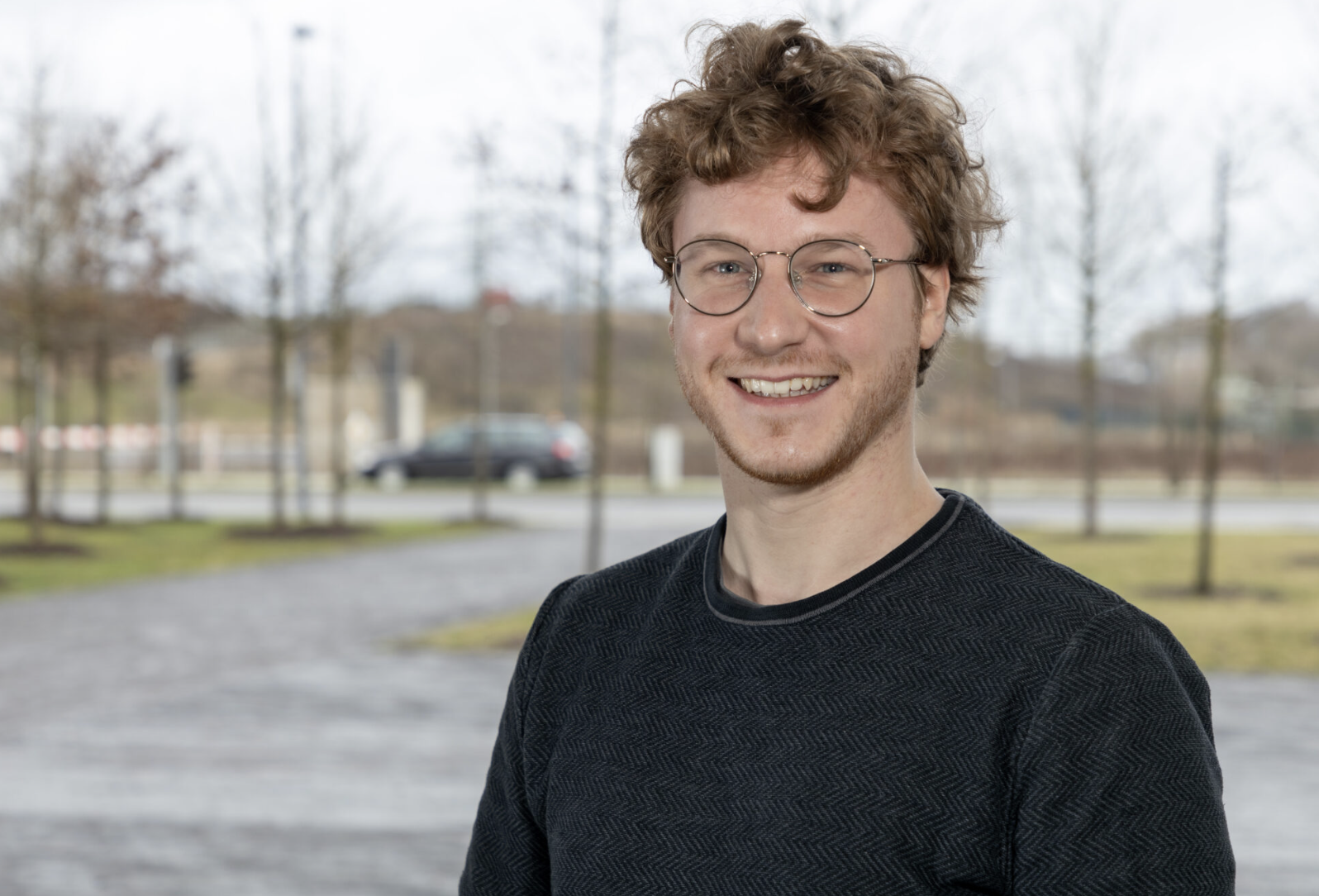
Research Scientist within the Department of Computer Science