Faculty of Science, Technology and Medicine
 Faculty of Law, Economics and Finance
 Faculty of Humanities, Education and Social Sciences
 Interdisciplinary Centre for Security, Reliability and Trust
 Luxembourg Centre for Systems Biomedicine
 Luxembourg Centre for Contemporary and Digital History
 Luxembourg Centre for European Law
 Luxembourg Centre for Socio-Environmental Systems
Programme
- Welcome, registration & introduction of participants
- Introduction to the topic: Andrea Hake & Sofie Van Herzeele, University of Luxembourg
- Cultural immersion: Guided tour of Belval: From industrial site to university campus
- Presentation: Cultivating well-being at work, a collective commitment; Well-Being@Work working group at the Faculty of Humanities, Education and Social Sciences, University of Luxembourg
- Keynote: The Science of happiness: Catarina Lachmund, Happiness Research Institute, Copenhagen
- Cultural Immersion: Guided tour of Luxembourg City: From historic fortress to European capital
- Workshop: The brain: our most important work asset; Dr. Laure Pauly, University of Luxembourg
- Workshop: Understanding job well-being: Measurement, determinants, and consequences; Dr. Anthony Lepinteur, University of Luxembourg
- Workshop: Joy, desire and and the way we work; Dr. Jean-Marie Weber, University of Luxembourg
- Cultural immersion: Luxembourg castles, forests or rivers?
- Round table on job crafting for more happiness at work: Lessons learned, exchange of experiences and plans for the future
- Course closing, certificate ceremony and photo session
- Farewell lunch
The Science of happiness
Catarina Lachmund
We will spend around a third of our lives at work, so why not feel happier while we do it? The interest in happiness has been increasing in the last years. For more than a decade, the Nordic countries have been attracting international attention for their high levels of happiness. How do we measure something as complex and subjective as happiness, to begin with? The Danish happiness isn’t just limited to their long summer vacation and hyggelig winters. Almost two thirds report high job satisfaction, and 58% say they would continue working even if they won the lottery. What are the ingredients of happiness at work? Get inspiration from Danish culture and the importance of a sense of purpose, the trust between team members and managers, and freedom within roles. What actions are taken by the Governments, the societies and the general public to maintain the high level of happiness during and after work?
The brain: our most important work asset
Laure Pauly
Brain health is not just an “older age” issue. Yet many of us only think about our brain when something goes wrong, much like skipping car maintenance and then being surprised when problems appear. This workshop highlights how everyday brain‑healthy habits such as sleep, physical activity, and social interaction help protect and strengthen the brain skills we rely on at work, from focus and learning to resilience and decision‑making. Let’s protect our brain, it is one of our most valuable assets throughout life, at work and beyond.
Understanding job well-being: Measurement, determinants, and consequences
Anthony Lepinteur
This workshop is structured around three main components. First, I will discuss how job well-being can be measured, highlighting conceptual and methodological challenges, including the role of subjective evaluations and scale use. Second, I will present key determinants of job well-being, with a particular focus on working conditions, job security, and the broader economic environment. Third, I will examine the consequences of job well-being for individuals and organizations, including outcomes such as productivity, labor market behavior, and overall life satisfaction. Throughout the session, I will draw on recent empirical research and encourage participants to reflect on how these insights can inform policy and organizational practices.
Joy, desire and the way we work
Jean-Marie Weber
Joy is a sign that we are living in accordance with our desires. This applies to life as a whole. Does it also apply to our careers? What can we do to pursue our desires in our work, however arduous it may be at times? What role does our relationship with others play in this? How important are their desires to us? How can we develop our own working style? What shared responsibility do we have for the atmosphere in our organisation? How do we protect ourselves from burnout? We aim to explore these and similar questions in the workshop. We will be aided in this by a number of film clips and practical exercises which we will discuss together.
Featured speakers
Philippe Blasen
Dr. Philippe Blasen is a historian and historian of religions, specialised in migrations from and to Luxembourg, the history of ethnic and religious minorities in Romania and Austria-Hungary, as well as the history of political antisemitism in Romania. He has been a long-time volunteer researcher with the Centre de Documentation sur les Migrations humaines, Dudelange.
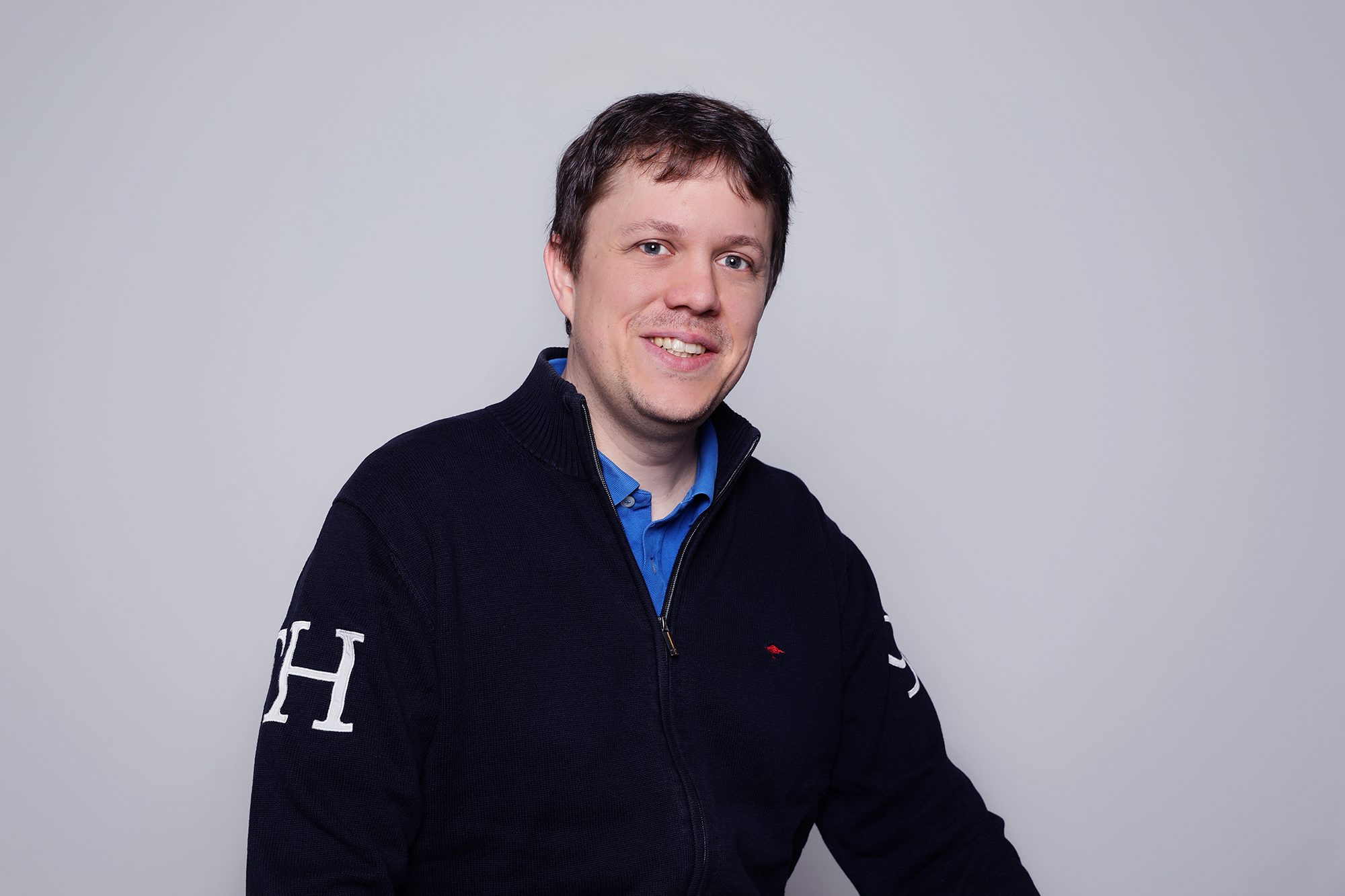
Catarina Lachmund
Catarina Lachmund is a senior analyst at the Happiness Research Institute. Catarina contributes to qualitative research projects, with a specific focus on community wellbeing assessments. She is particularly interested in researching life satisfaction of marginalised groups and the influence of city planning and the built environment on life satisfaction. Catarina has a diploma in Business Administration at Baden-Wuerttemberg Cooperative State University (DHBW) and an extra education as a Business Mediator. She is volunteering in several NGOs, including Action for Happiness.
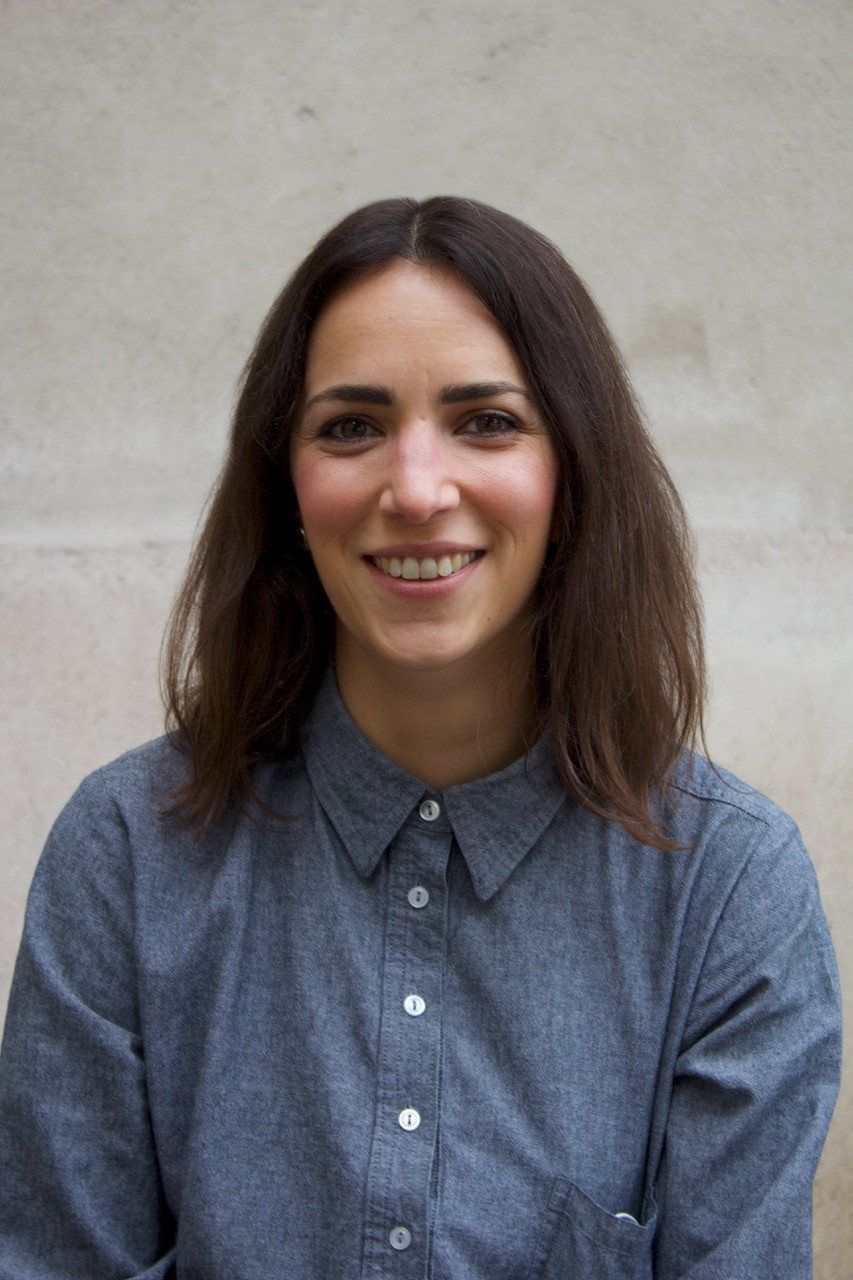
Anthony Lepinteur
Dr. Anthony Lepinteur is a tenured Research Scientist at the University of Luxembourg working on labor economics and well-being. His research focuses on how individuals perceive and report their well-being, and on the determinants and consequences of job satisfaction and economic insecurity. His work combines large-scale empirical analyses with methodological contributions to the measurement of subjective well-being. Before joining the University of Luxembourg, Anthony received a PhD in Economics from the Paris School of Economics.
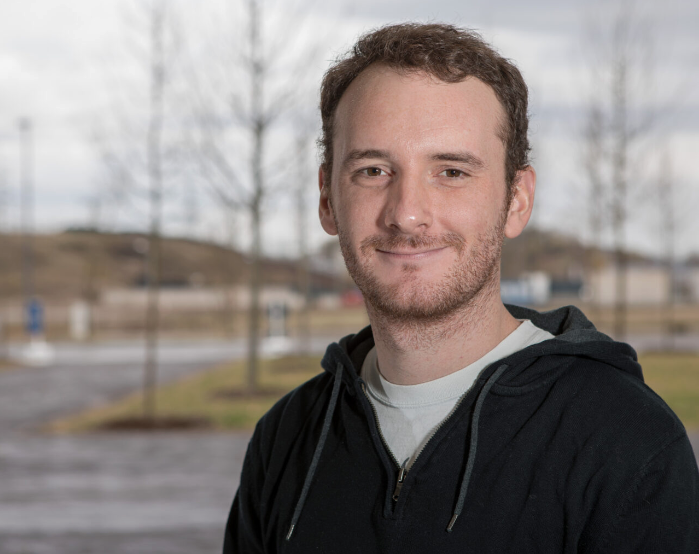
Laure Pauly
Dr. Laure Pauly is Neuroscientist and Science/Public Health Communicator and leads the GetBrainHealthy project at the Institute for Research on Socio-Economic Inequality at the University of Luxembourg. Laure holds a Bachelor’s degree in Life Sciences, a Master’s degree in Neuroscience, and completed her Doctorate in Neuroscience in 2023, with a research focus on cognition in neurodegenerative diseases. Her career is marked by a deep commitment to making complex scientific concepts accessible and engaging.
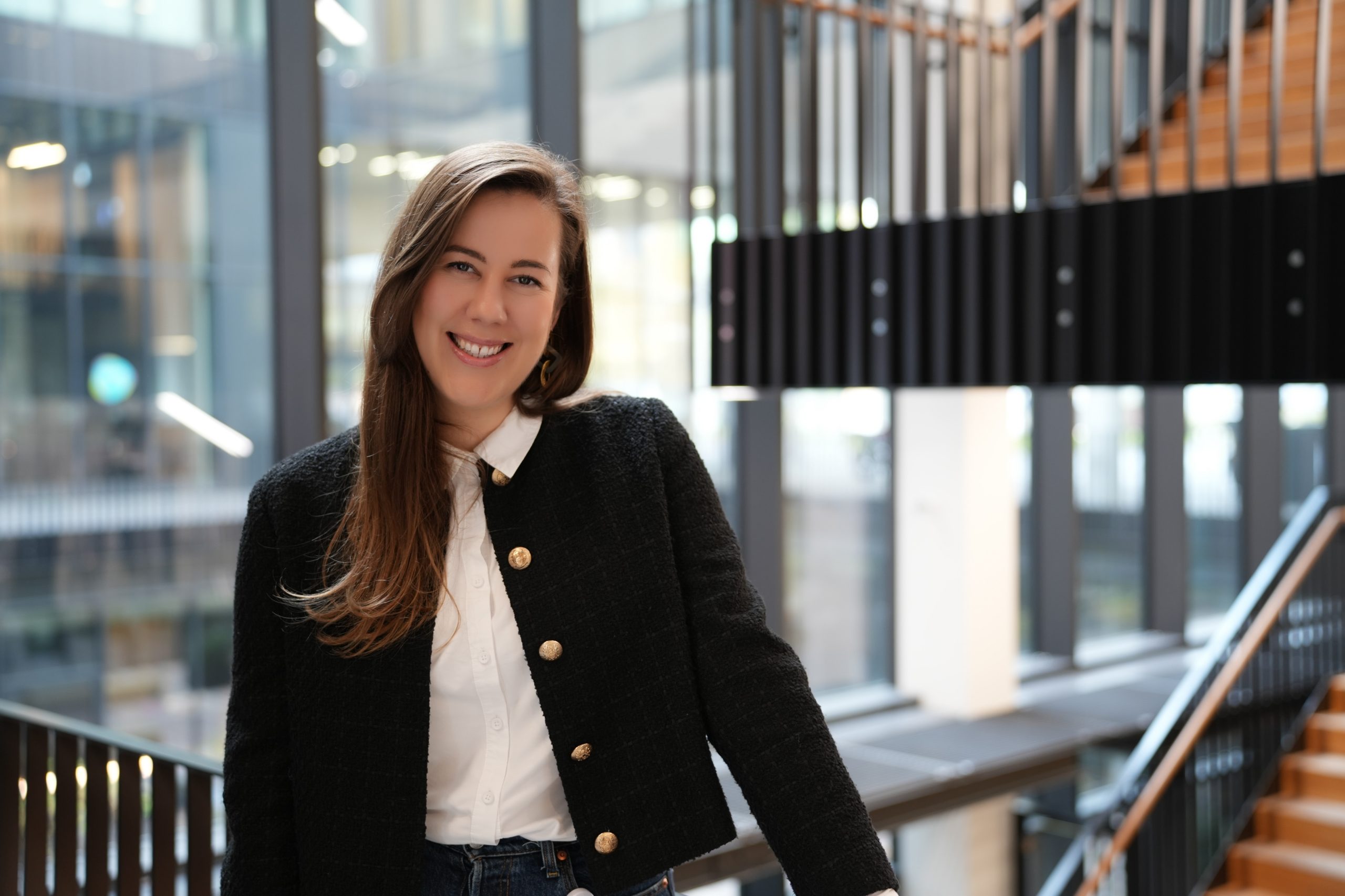
Jean-Marie Weber
Dr. Jean-Marie Weber is a retired Assistant Professor and teaches at the University of Luxembourg and the University of Regensburg. He studied theology at the University of Fribourg and communication studies at the University of Louvain-La-Neuve.
He obtained his PhD in psychology from the University of Strasbourg. Besides his teaching activities, he works in private practice as a psychoanalyst. His research interests and publications focus on teacher training, the teacher-student relationship and psychoanalytically oriented film analysis.