
 Faculty of Science, Technology and Medicine
 Faculty of Law, Economics and Finance
 Faculty of Humanities, Education and Social Sciences
 Interdisciplinary Centre for Security, Reliability and Trust
 Luxembourg Centre for Systems Biomedicine
 Luxembourg Centre for Contemporary and Digital History
 Luxembourg Centre for European Law
 Luxembourg Centre for Socio-Environmental Systems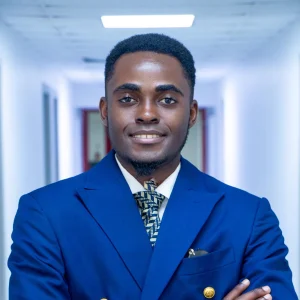
Pierre Yvan Belinga Meka, a student in Parliamentary Studies at the University of Luxembourg, recently won the Audience Award in the international francophone writing competition organised by the Agence Universitaire de la Francophonie (AUF) and Radio France Internationale (RFI) (RFI-AUF 2025). The competition, open to young people under 30 from the Francophone world, received 330 submissions from 44 countries. The imposed theme was forgetting.
In his science-fiction short story « Ce que l’oubli enfante » (“What Forgetting Gives Birth To”), Pierre Yvan explores the boundary between memory and fiction through Mira, an artificial intelligence that learns from human memories via algorithms, while gradually erasing the humanity of its host.
‟ Forgetting is fascinating because it sits at the boundary between memory and fiction, between what we have lived and what we can still imagine. We write because we no longer remember everything clearly: we have to fill in the gaps, reinvent what is falling apart.”
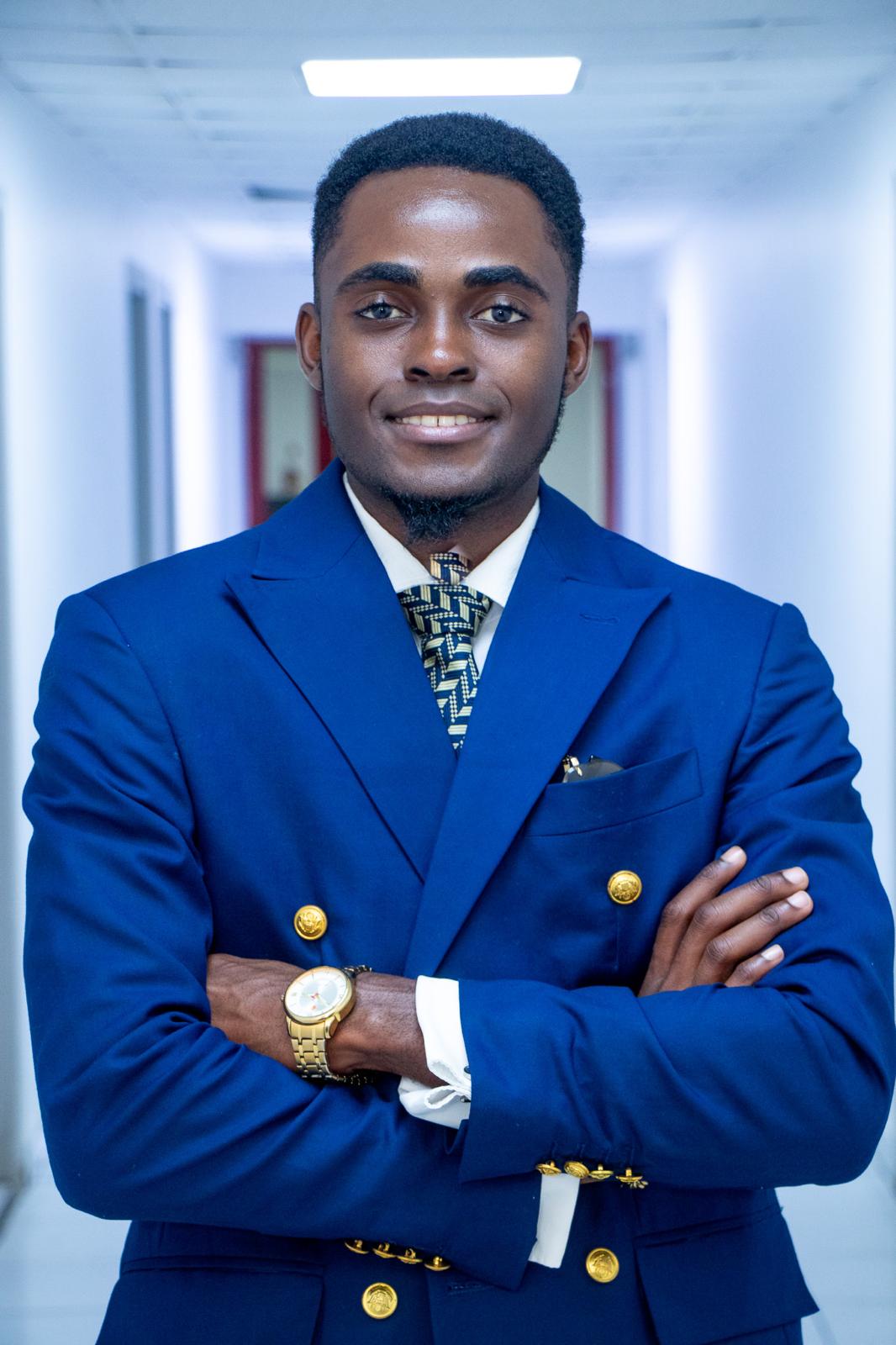
Prix du Public des Jeunes écritures RFI-AUF 2025
AI forces humans to redefine themselves
Pierre Yvan sees artificial intelligence as a form of “contemporary tabula rasa,” a “neutral” tool that destabilises the idea of humans as the sole beings capable of creation, of producing art, literature, and more. By challenging our assumptions about creativity, AI, he argues, forces us to redefine ourselves.
Faced with AI’s creative capacities, he insists on what remains indisputable: “Machines produce results; humans feel and convey emotions. AI is not a threat, but a catalyst for human reinvention. It forces us to redefine what makes humans unique: sensitivity.” Rather than seeing art and technology as separate, he advocates “working with AI, not for AI”—using the tools without delegating invention to them.
A tribute to linguistic polyphony
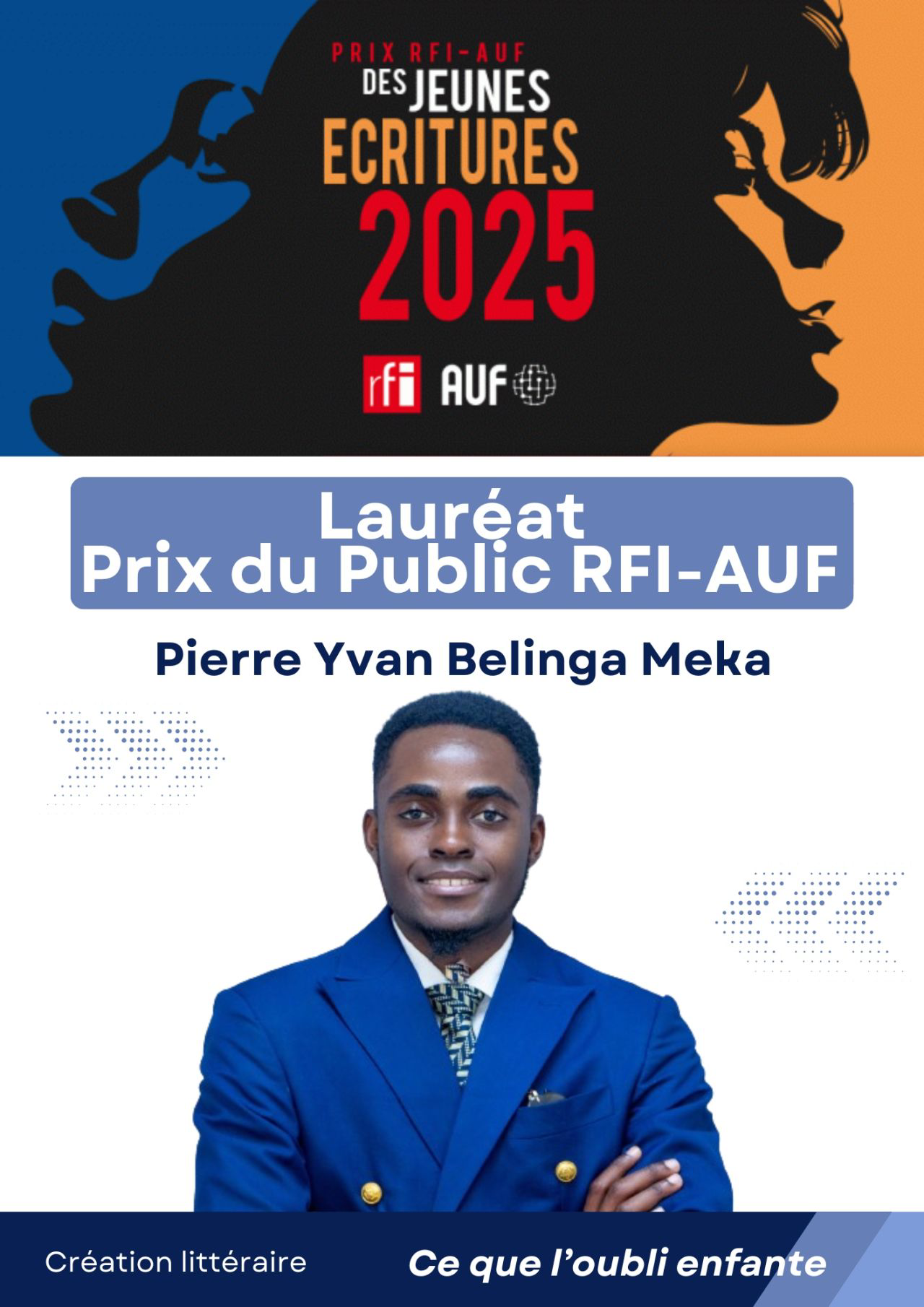
Photo: Pierre Yvan Belinga Meka
His text weaves together a polyphony of languages, from Creole to Malinké, paying tribute to a heterogeneous collective memory. Cameroon, Alexandria, Luxembourg: his multicultural journey feeds a writing of passage—between technology and poetry, Africa and Europe, memory and anticipation of the future.
One of his key lessons about forgetting and openness to new cultures? “To learn better, we must accept to unlearn, to learn how to learn. Forgetting allows us to unlearn, to put aside our limiting beliefs that prevent us from living fully alongside our fellow human beings from other cultures.” He therefore advocates a fruitful view of forgetting: “Forgetting, sometimes, allows us to unlearn in order to learn better and open up to others.”
Empowered by this award, Pierre Yvan is preparing his first novel, an extension of his short story, which he hopes to publish in Luxembourg: “I want to convey the beauty of a deeply multicultural and multilingual country. I come from Cameroon, a country with more than 280 languages, where cultural diversity is a central question. After studying at Université Senghor in Alexandria, in a cosmopolitan environment, and my experience in Luxembourg, a deeply multicultural and multilingual country, I am convinced that the future of the world belongs to cultural and linguistic diversity.”
Pierre Yvan now started a Phd in political sciences at the University of Luxembourg.