
 Faculty of Science, Technology and Medicine
 Faculty of Law, Economics and Finance
 Faculty of Humanities, Education and Social Sciences
 Interdisciplinary Centre for Security, Reliability and Trust
 Luxembourg Centre for Systems Biomedicine
 Luxembourg Centre for Contemporary and Digital History
 Luxembourg Centre for European Law
 Luxembourg Centre for Socio-Environmental Systems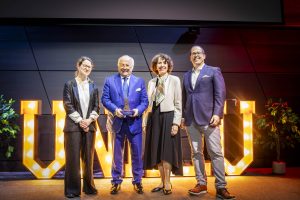
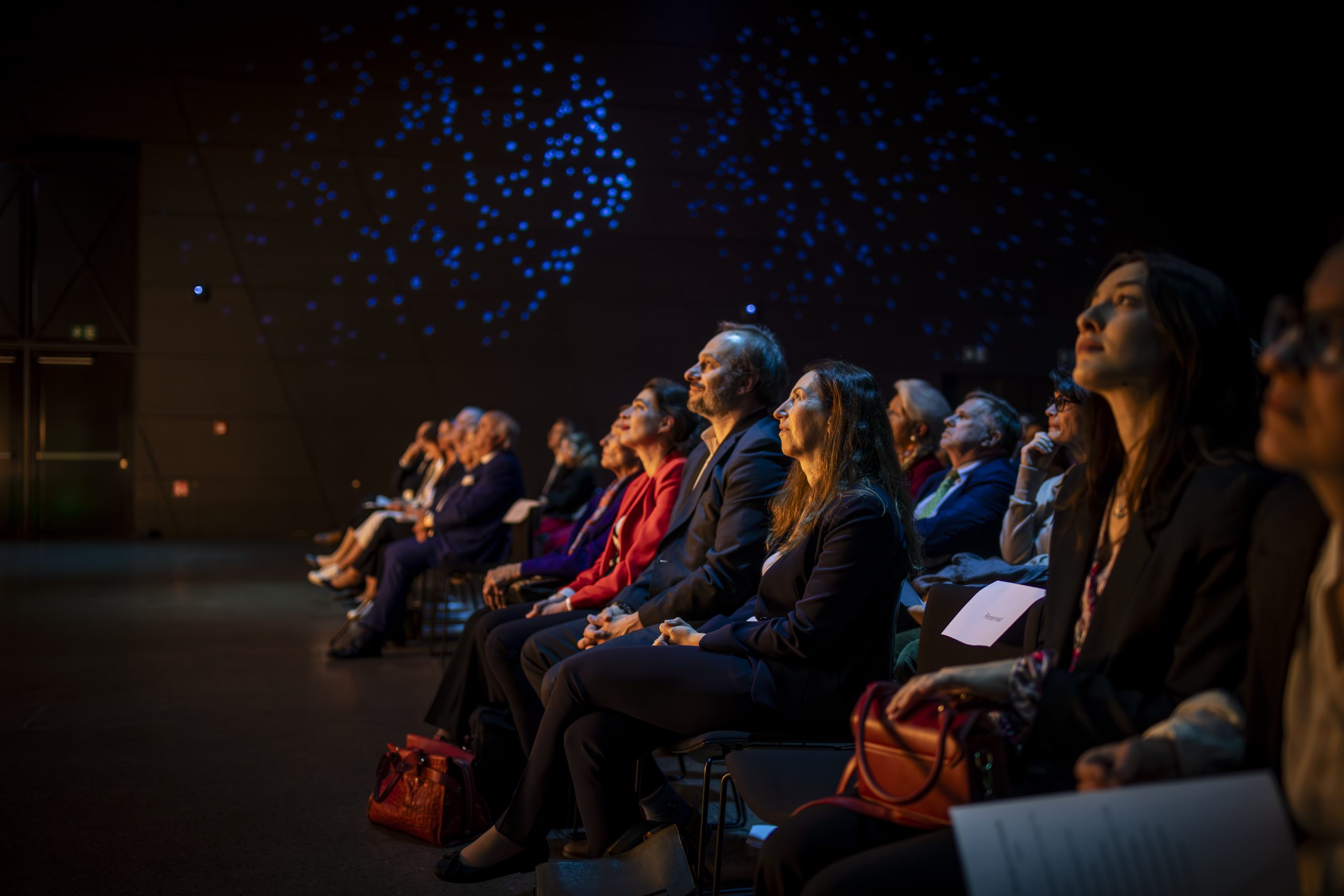
Last week, the University of Luxembourg welcomed its community of supporters for its annual Donor Appreciation Evening, a moment dedicated first and foremost to expressing sincere gratitude and demonstrating the tangible impact of philanthropic support.
More than a social gathering, the evening gave donors a tangible sense of the impact of their contributions. Philippe Lamesch, Head of Advancement, noted that 2025 marked a record year for fundraising, an achievement that reflects both the generosity of donors and the growing momentum behind the University’s development. These contributions truly make a meaningful difference across the institution: supporting students facing a high cost of living, advancing research in an increasingly competitive funding landscape, and fostering innovation by helping researchers transform ideas into successful spin-offs.
A highlight of the evening was the presentation of the Prix d’honneur pour un engagement exceptionnel en philanthropie to Mr Norbert Becker. An early and committed supporter of the University, Mr Becker was instrumental in establishing its first Chair in International Tax Law, a field that continues to be supported through his foundation, Fondation Atoz. He has also contributed to the University’s interdisciplinary centre – Luxembourg Centre for Systems Biomedicine (LCSB) – supporting research into rare childhood diseases, and has been actively engaged as both supporter and mentor within the University’s incubator and entrepreneurship programmes.
The distinction, conferred by the Vice-Rector for Partnerships and International Relations Prof Marie-Hélène Jobin, recognised both his generosity and his sustained commitment. In his remarks, Mr Becker emphasised his long-term relationship with the University and his pride in being a partner of the institution.
The programme also offered donors direct insight into the impact of their support towards research. Professor Carole Linster presented her research and provided a clear perspective on how scientists approach rare childhood diseases, an area that receives less attention from the pharmaceutical industry due to limited economic incentives. She showed how fundamental research, through a better understanding of underlying mechanisms, can quickly lead to concrete applications that help improve, and in some cases even save, children’s lives.
The evening underscored the University’s commitment to a model of philanthropy built on transparency, trust and long-term relationships, ensuring that donors remain closely connected to the projects and people they choose to support.
-
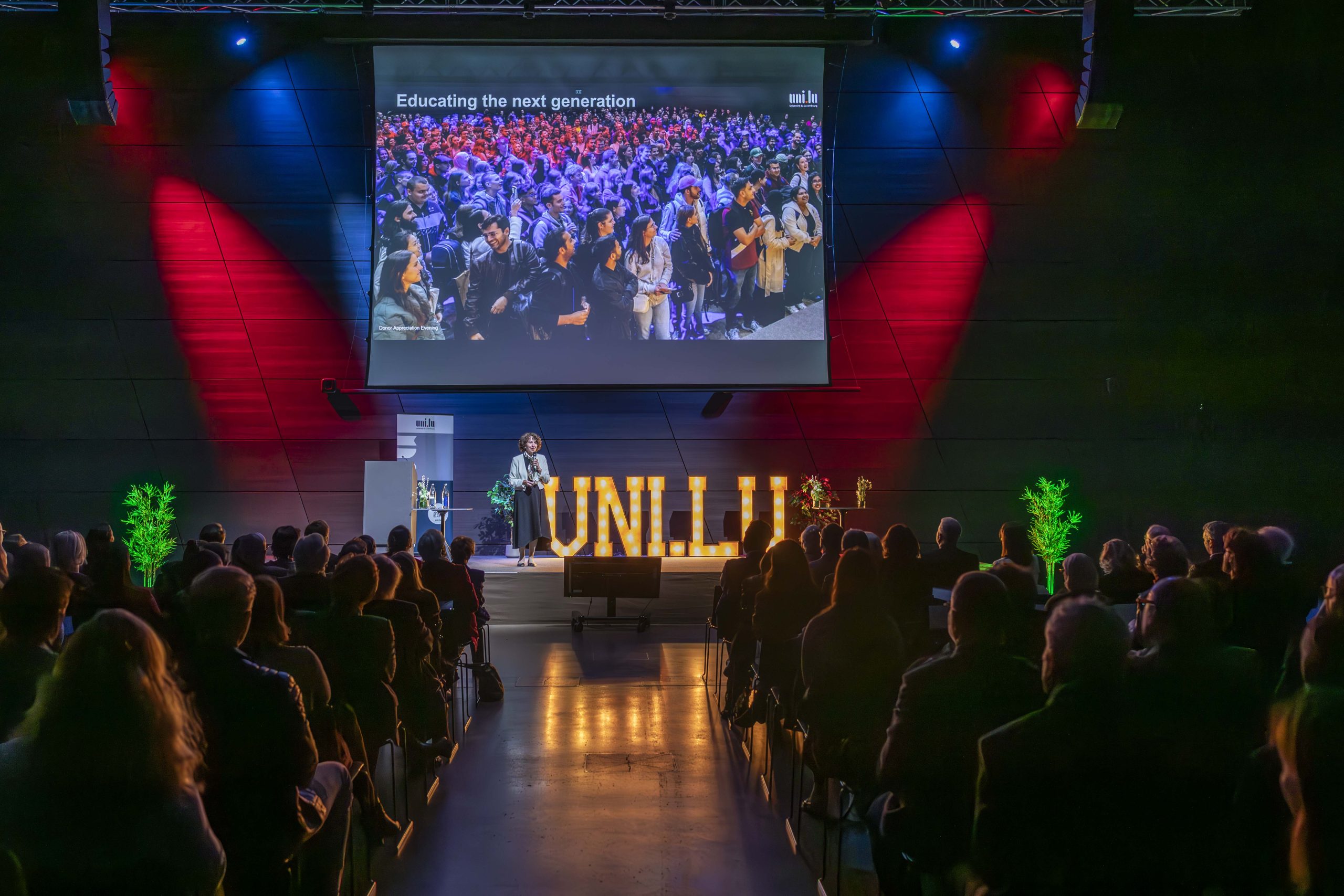
Prof Marie-Hélène Jobin, Vice Rector for Partnerships and International Relations, at the Donor Appreciation Evening 2026
-
-
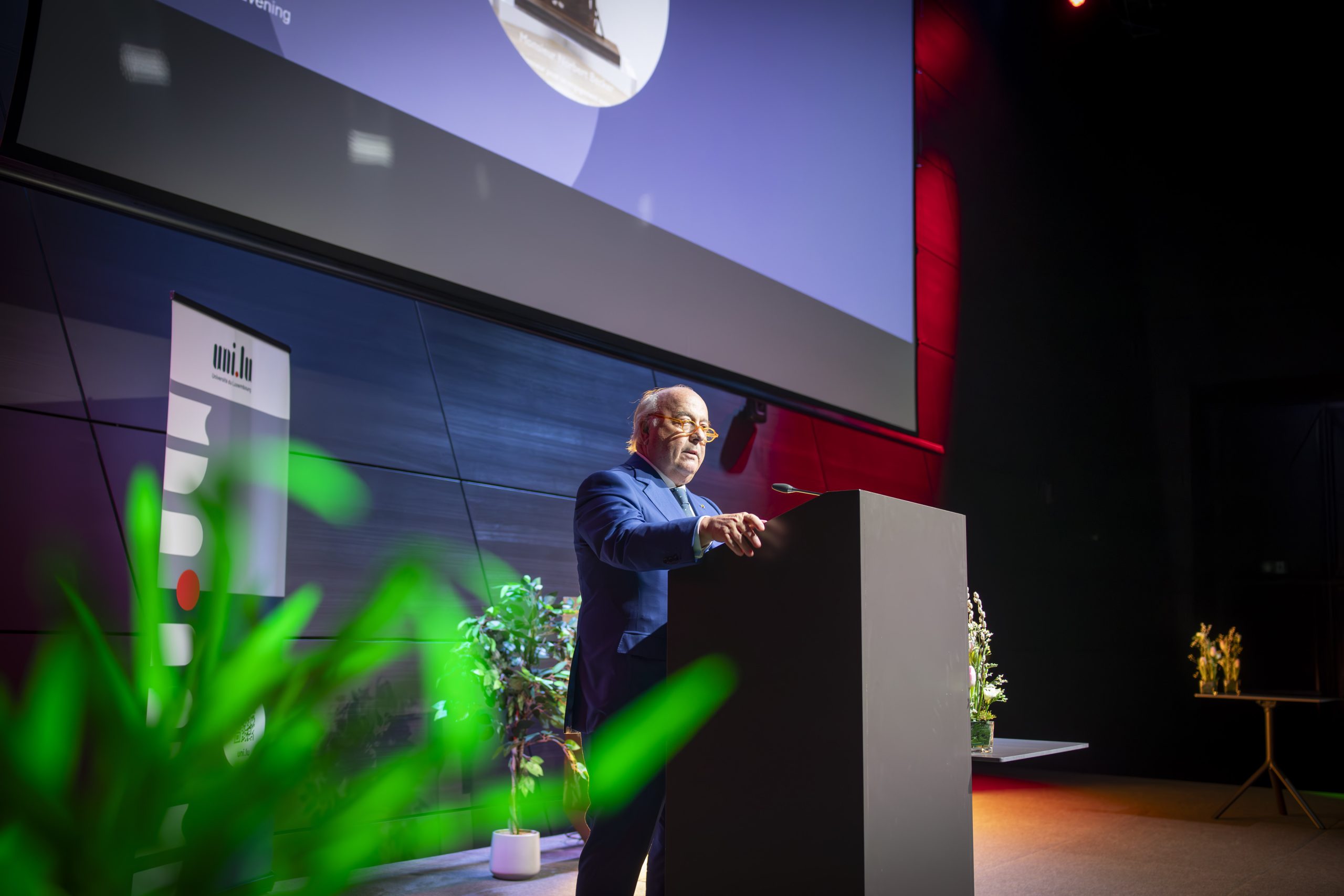
Mr Norbert Becker, “Prix d’honneur pour un engagement exceptionnel en philanthropie”