
 Faculty of Science, Technology and Medicine
 Faculty of Law, Economics and Finance
 Faculty of Humanities, Education and Social Sciences
 Interdisciplinary Centre for Security, Reliability and Trust
 Luxembourg Centre for Systems Biomedicine
 Luxembourg Centre for Contemporary and Digital History
 Luxembourg Centre for European Law
 Luxembourg Centre for Socio-Environmental Systems
Gender and Economic Insecurity
The University of Luxembourg marked International Women’s Rights Day with a dedicated event highlighting its ongoing commitment to advancing gender equality. This year’s edition focused on a timely and pressing theme: gender and economic insecurity.
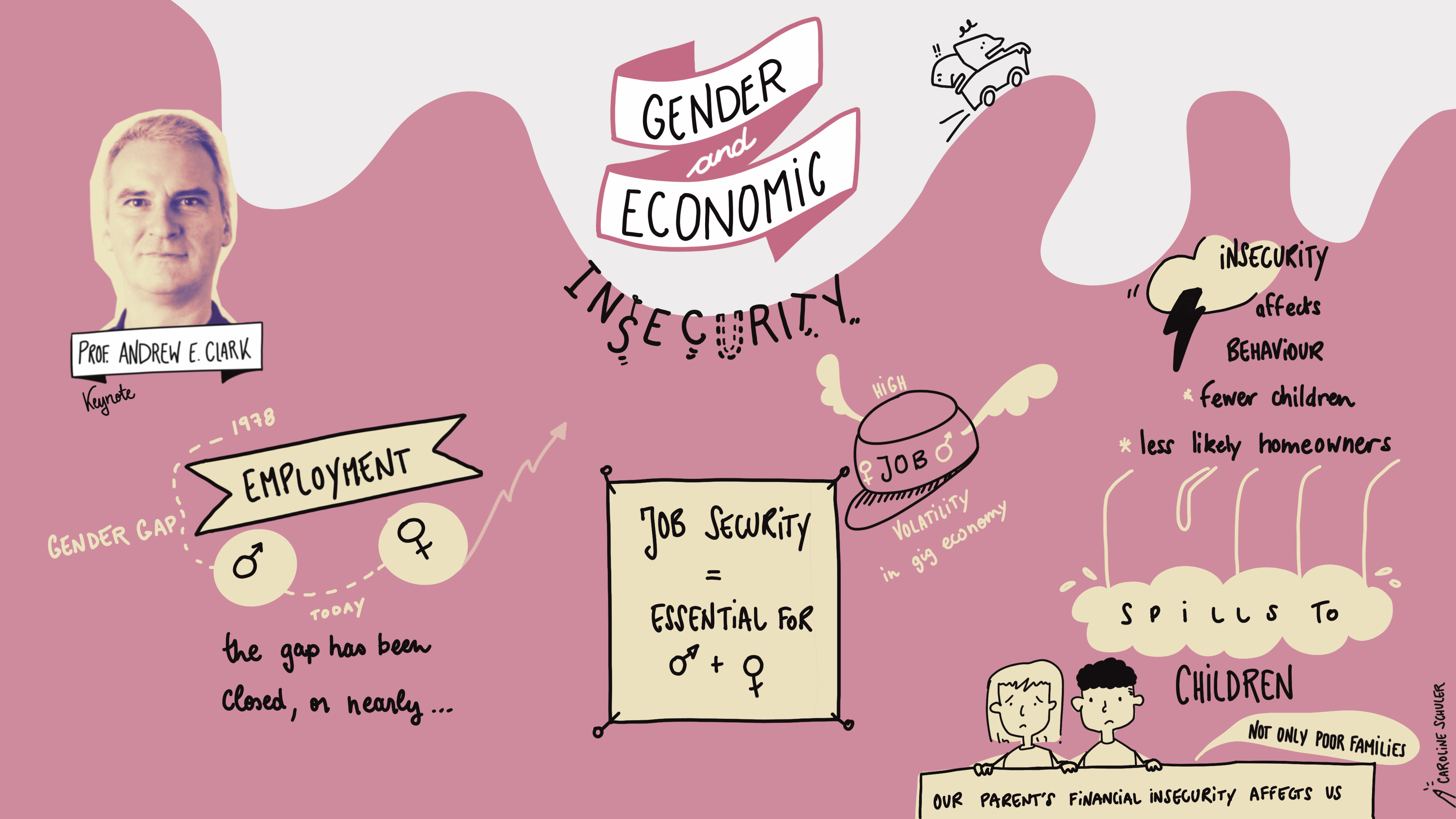
The event opened with an exploration of economic insecurity, defined as the stress associated with the possibility of adverse future economic events. This condition encompasses job instability, income volatility, financial vulnerability, and exposure to poverty. Speakers emphasized that economic insecurity is not only forward-looking and subjective, but also profoundly influential in shaping household decisions—from children’s education and housing to consumption patterns, family stability, and fertility choices. Survey evidence presented during the event underscored that economic concerns rank among the most significant stressors in people’s lives, with notable psychological and physiological effects. As such, economic insecurity is increasingly recognized as a major determinant of both physical and mental health.
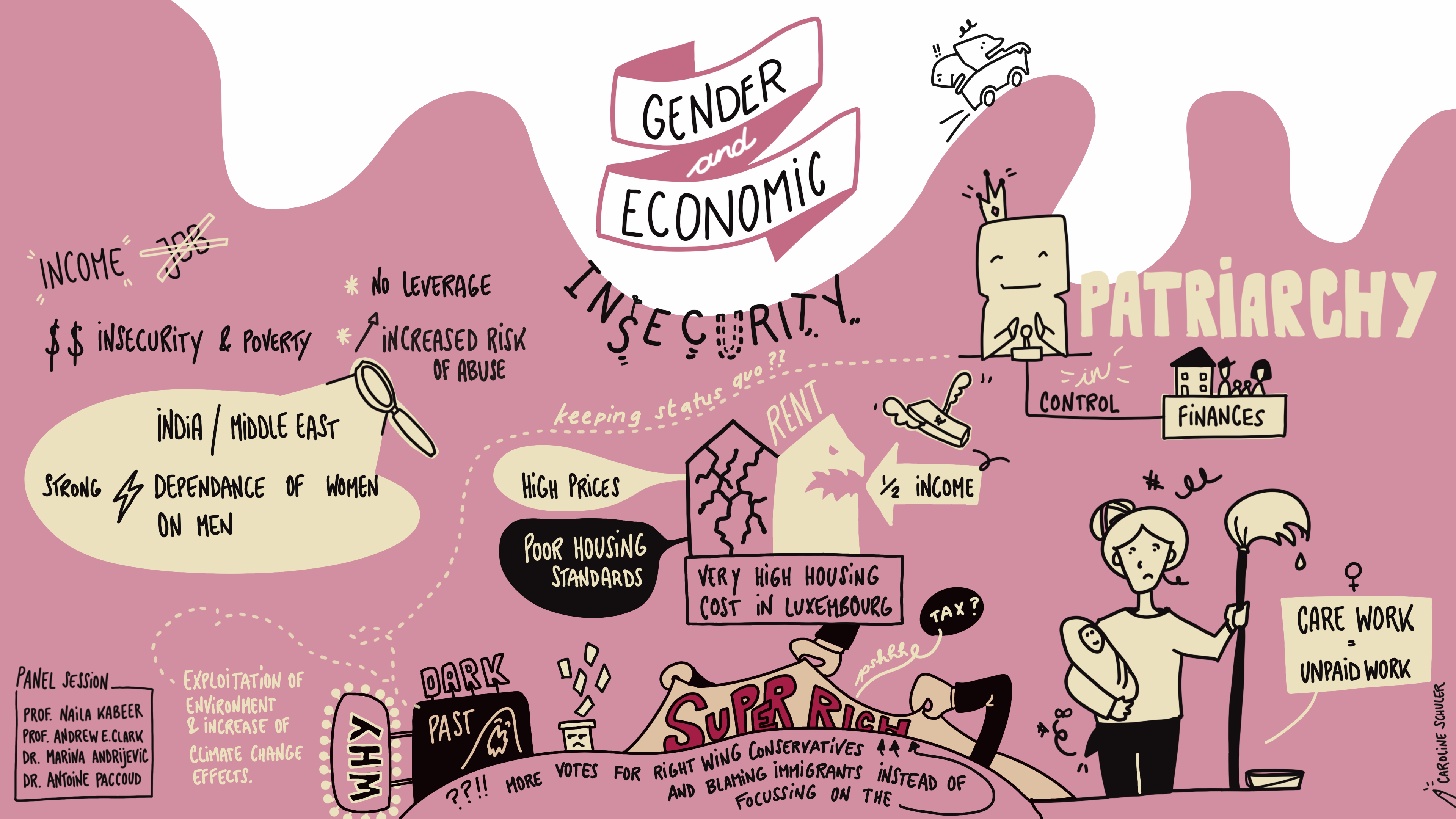
A central question raised throughout the debate was the gendered dimension of economic insecurity. Participants noted that women continue to face greater challenges in securing stable, well-paid employment. They are more likely to receive lower wages, reduced benefits, and irregular payments. In many cases, even the income they do earn is not fully at their disposal, as familial or social pressures may require them to redistribute or relinquish part of it. These structural disadvantages place women at heightened risk of economic instability and associated stress.
The panel addressed a series of guiding questions designed to shed light on the broader context of economic insecurity:
- Is the world becoming more insecure, and what drives this rising perception?
- How have global developments—such as economic recessions, unemployment, digitalization, artificial intelligence, pandemics, climate change, refugee movements, and armed conflicts—influenced public fears about the future?
- Why are individuals increasingly pessimistic about their personal economic prospects and their country’s trajectory, as reflected in indicators like the European Commission’s Consumer Confidence Indicator?
- What are the known impacts of economic insecurity on health and overall well-being?
- Which dimensions of economic insecurity require a holistic and interdisciplinary understanding?
- How can insights from various social science disciplines contribute to a more complete analysis of economic insecurity?
- To what extent do gender differences shape experiences of all the above factors?
Through these discussions, the event underscored the complexity of economic insecurity and the importance of examining it through a gender-sensitive lens. The University of Luxembourg reaffirmed its dedication to fostering dialogue, research, and initiatives that promote gender equality and address the evolving challenges shaping society today.
Speakers
-

Prof. Andrew E. Clark
Keynote speaker Full CNRS Research Professor at the Paris School of Economics.
-
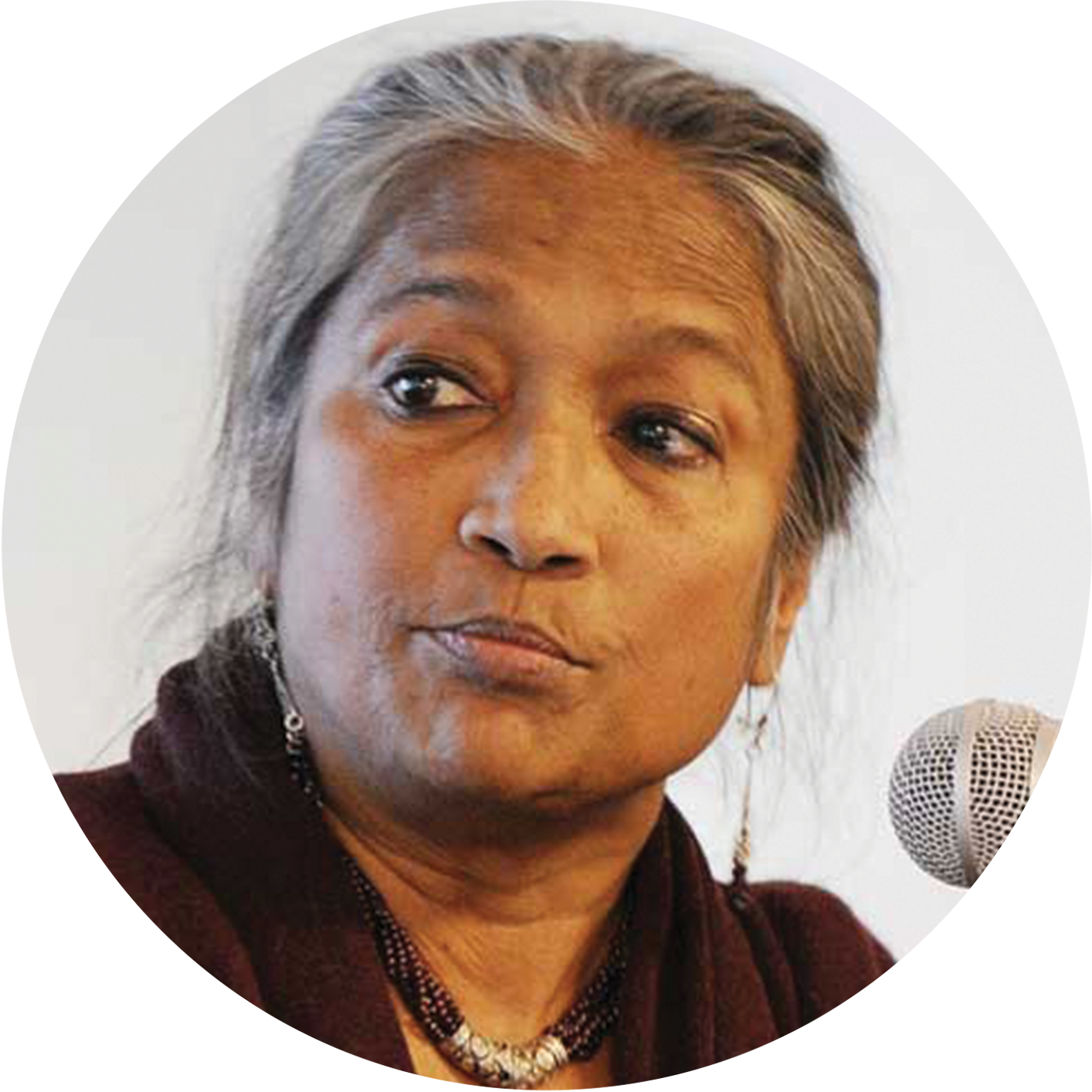
Prof. Naila Kabeer
Professor of Gender and Development at the Gender Institute, London School of Economics and Political Science.
-
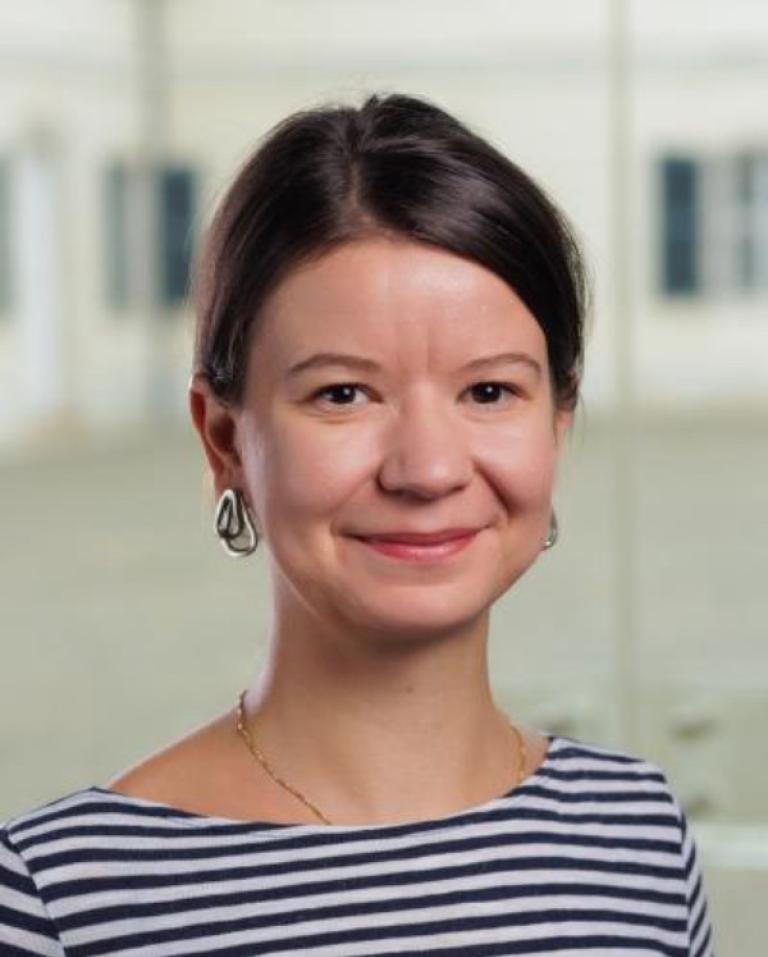
Dr. Marina Andrijevic
Research scholar at the International Institute for Applied Systems Analysis.
-

Tanya Beckett moderated the event, and Prof. Katalin Ligeti gave the welcome address.

Key Takeaways
The main takeaways of the event were captured through the live sketches created by our visual communicator, Caroline Schuler.
Video recording of the event
About Gender Days
Since 2022, Gender Days has been an annual event series organized by the University of Luxembourg to foster interdisciplinary dialogue on contemporary issues at the intersection of gender, society, and technology. Each edition brings together leading experts and thought leaders to examine how gender shapes—and is shaped by—our evolving world.
GenderDays series is organised by a multidisciplinary committee of the University of Luxembourg and sponsored by the Gender Equality Office.