

 Faculty of Science, Technology and Medicine
 Faculty of Law, Economics and Finance
 Faculty of Humanities, Education and Social Sciences
 Interdisciplinary Centre for Security, Reliability and Trust
 Luxembourg Centre for Systems Biomedicine
 Luxembourg Centre for Contemporary and Digital History
 Luxembourg Centre for European Law
 Luxembourg Centre for Socio-Environmental Systems
Testimonials
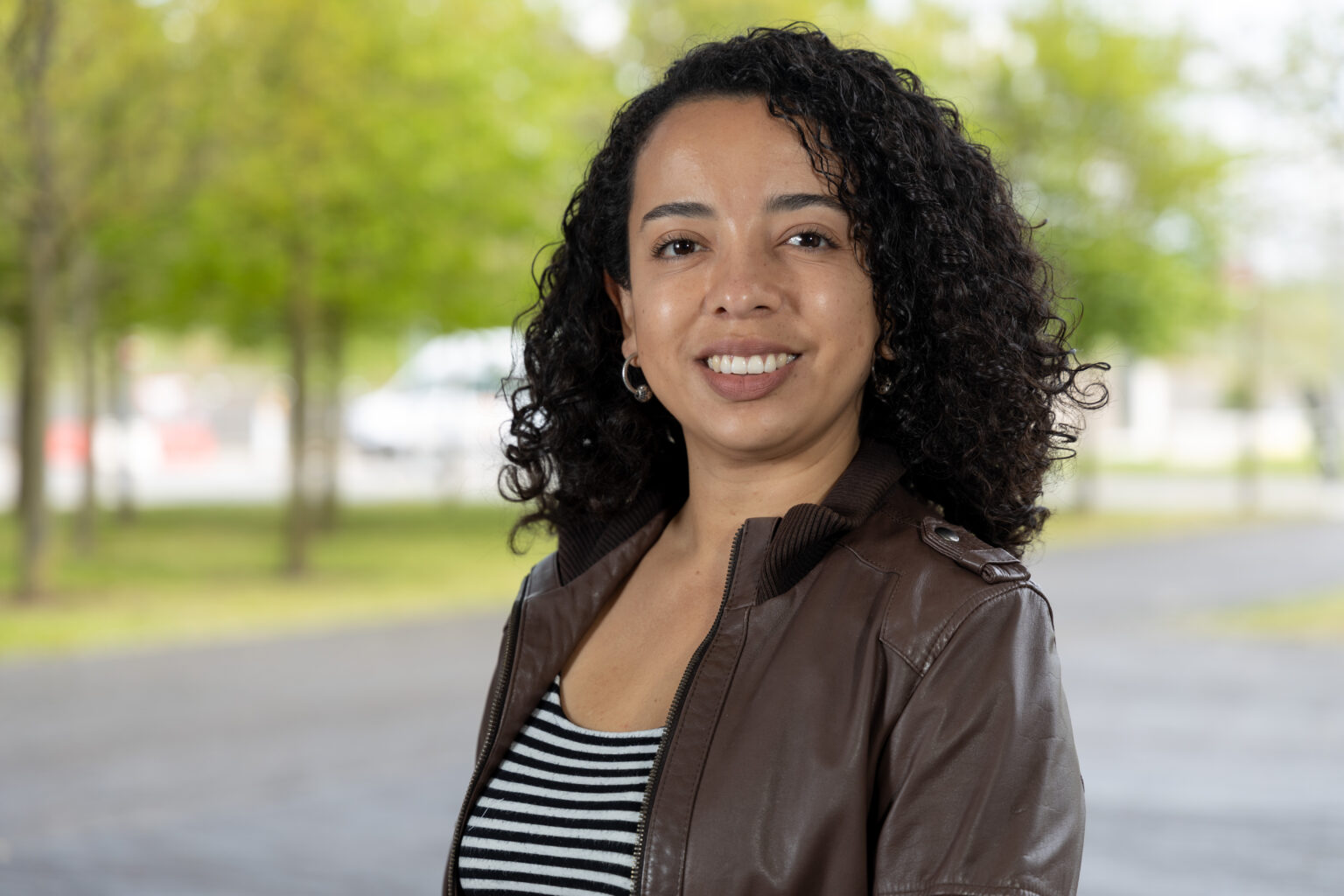
Daniela Vega
Why did you choose this study programme?
I chose the programme because of its combination of biological and computational subjects in a complete set of topics that ranged from DNA and RNA to protein and metabolic analysis. It offered me a comprehensive update in the latest tools to study biological samples and data sets.
What did you like most about your time in the programme?
I enjoyed most my master’s thesis, in which I learned to develop and study intestinal and brain organoids. I also had the unique opportunity to participate as a student team (BRAINS) in the Uberflieger2 competition and as such executed a project in which we launched brain organoids to the International Space Station. I enjoyed interacting with a diverse set of students and professors coming from all parts of the world.
What are you doing now, and how did this Master help your career?
The knowledge and experience I gained during my master’s degree opened the door to a PhD program at UniLu. It also gave me valuable insight into the University’s different research groups, where I could potentially pursue my doctoral studies. I am currently in the fourth year of my PhD in the Signal Transduction group at DHML, led by Prof. Stephanie Kreis. My research focuses on the role of STIM calcium sensors in melanoma drug resistance.
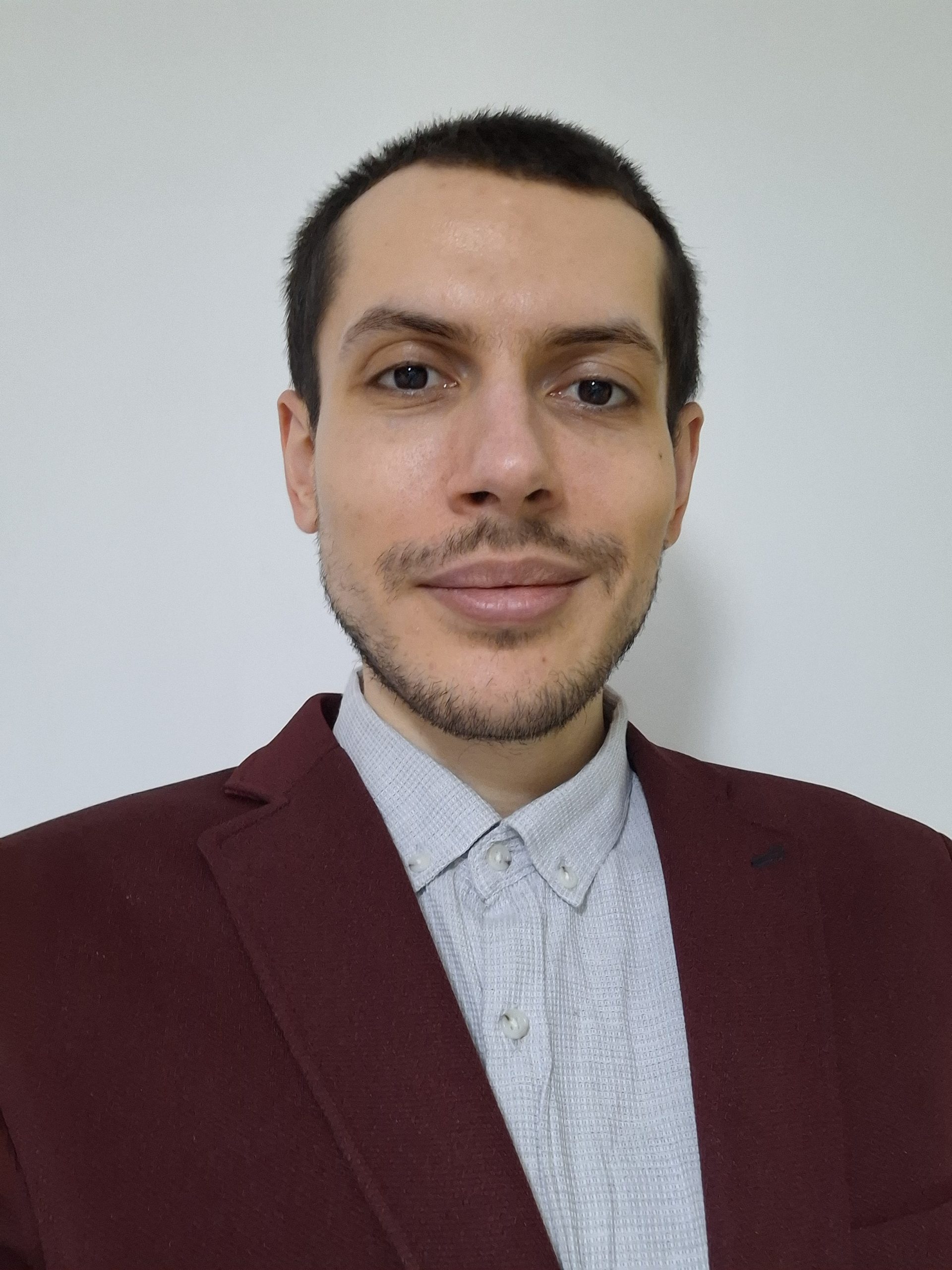
Cristian-Alin Cucu
Why did you choose this study programme?
I chose the programme because of its demanding and interdisciplinary approach to studying biological systems. I was particularly interested in gaining experience in both computational (dry-lab) and experimental (wet-lab) biology.
What did you like most about your time in the programme?
I really enjoyed studying in a modern, multicultural and innovative university environment. The lectures, seminars and laboratory sessions were very engaging and I had the opportunity to work with passionate colleagues. The professors were always willing to answer our questions, listen to our feedback, and make sure everything ran smoothly. There was also a good amount of student life, which I strongly encourage future students to get involved in.
What are you doing now, and how did this Master help your career?
The Master’s programme significantly strengthened my critical thinking skills and prepared me well for pursuing a PhD. Currently, I am an Erasmus intern at the CRCL in Lyon, France, in Dr. Gabriel Ichim’s lab. The programme gave me the opportunity to develop both dry-lab and wet-lab skills, which opened doors for research opportunities and helped me take the next step in my scientific career.
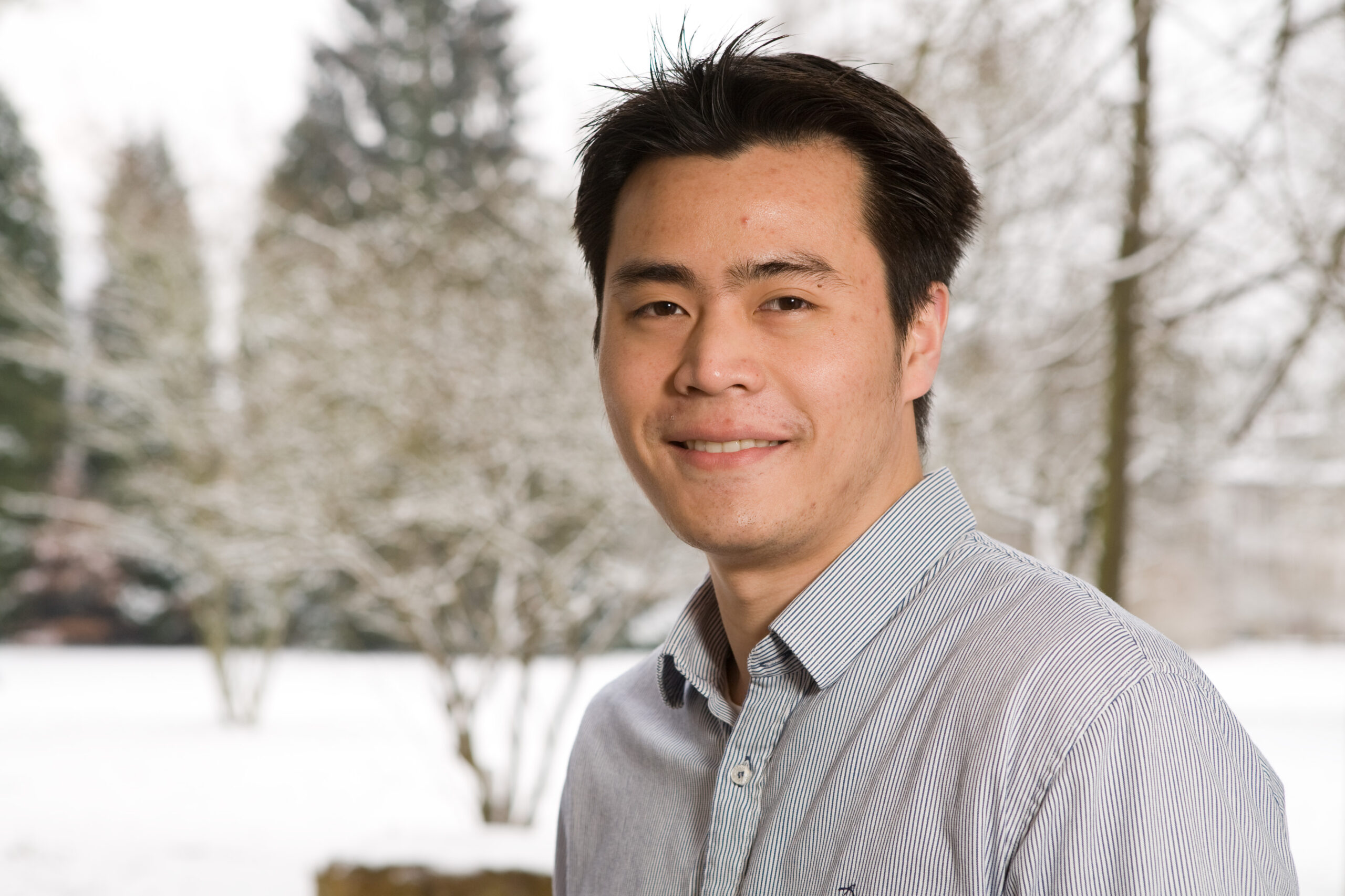
Panuwat Trairatphisan, Principal Scientist, Sanofi
Why did you choose this study programme?
Computational analysis of large biological datasets and results interpretations are pre-requisite skills for future biomedical scientists. The MMCB programme is an entry point to acquire such skills, as it offers both theoretical and practical courses in molecular biology as well as in bioinformatics and systems biology. As a previous Bachelor graduate in biomedicine, I filled my knowledge gap in computational modelling and analysis of biomedical data, which subsequently allowed me to pursue my career in the field of computational biomedicine.