

 Faculty of Science, Technology and Medicine
 Faculty of Law, Economics and Finance
 Faculty of Humanities, Education and Social Sciences
 Interdisciplinary Centre for Security, Reliability and Trust
 Luxembourg Centre for Systems Biomedicine
 Luxembourg Centre for Contemporary and Digital History
 Luxembourg Centre for European Law
 Luxembourg Centre for Socio-Environmental Systems
Simulation rooms & suites
SimUL includes several specialised training environments designed to support different forms of simulation-based learning in healthcare education. Each space supports hands-on learning and structured debriefing, allowing learners to progressively develop clinical competence in realistic yet controlled conditions.
Anatomy Suite
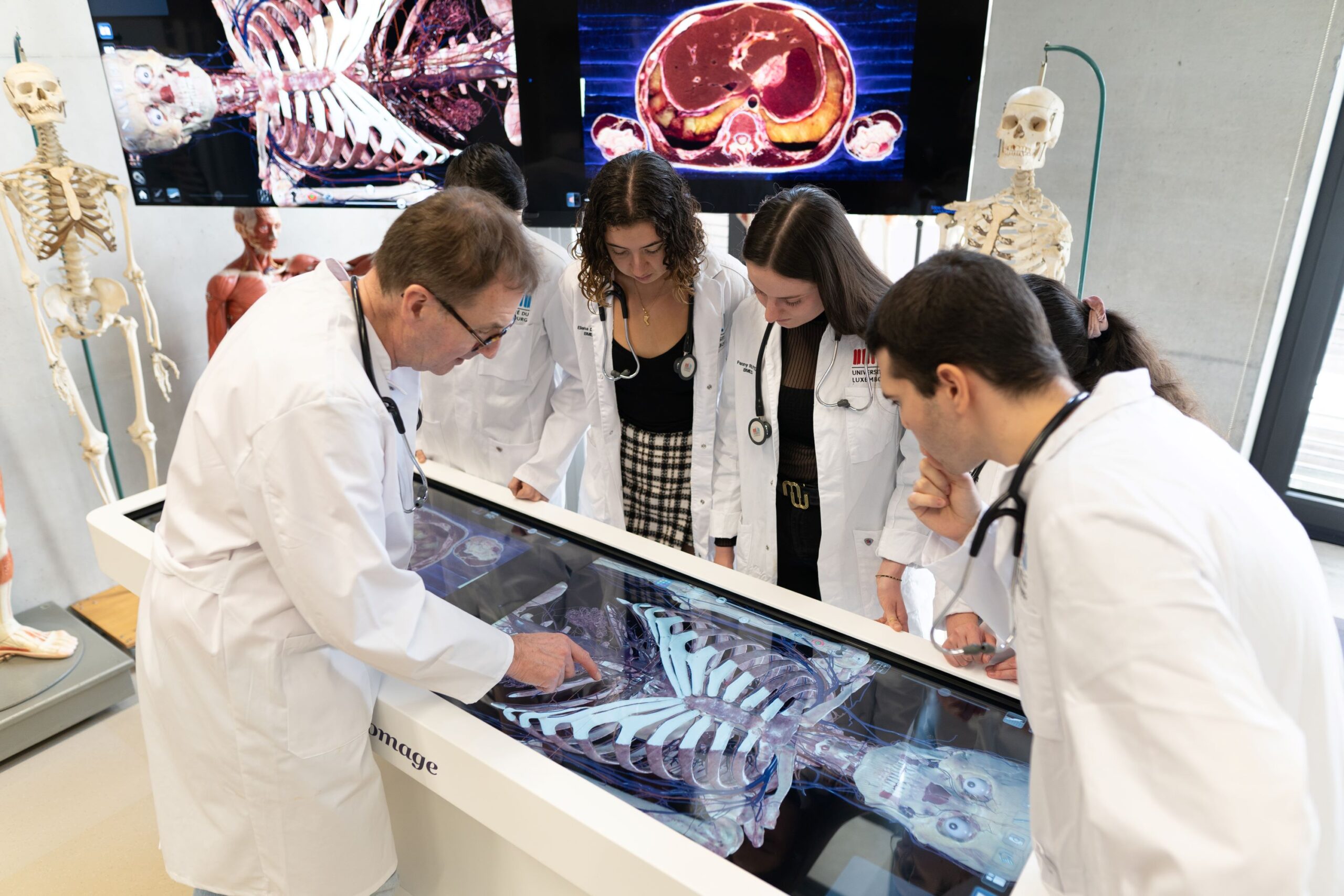
The Anatomy Suite combines traditional anatomical learning resources with digital visualisation tools to support the understanding of human anatomy in a clinical context. The suite is equipped with several anatomical models as well as a virtual dissection table, enabling students to visualise anatomical structures with a high level of precision.
Students explore structures, spatial relationships, and clinical relevance during both guided teaching sessions and independent study.
Learning activities may include:
- interactive exploration of human anatomy using full-body cadavers and regional datasets
- correlation of macroscopic anatomy with physiological function and histological structure
- case-based learning integrating anatomy with clinical scenarios
Digital Learning Suite
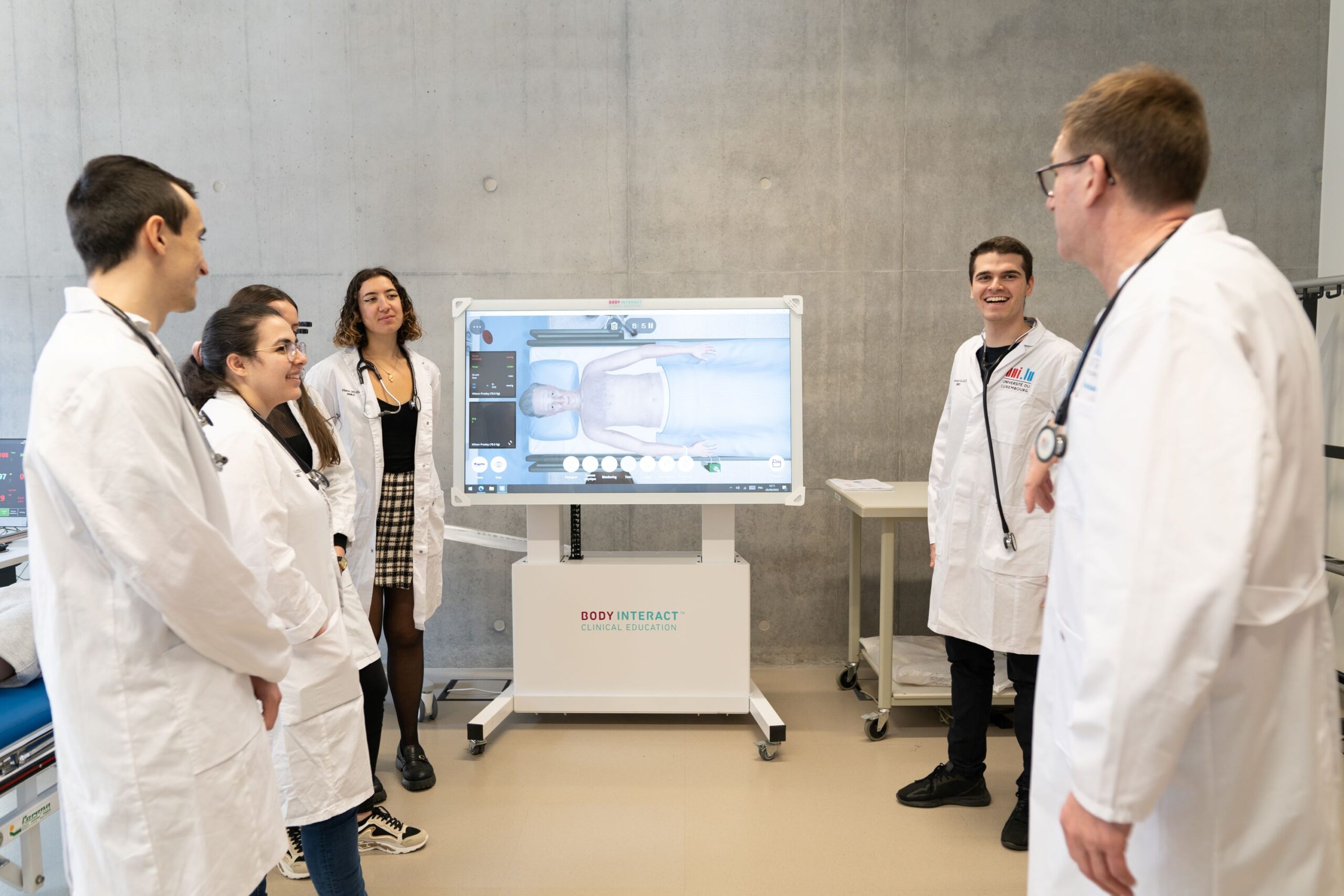
The Digital Learning Suite provides access to interactive devices and simulators designed to develop clinical reasoning and technical skills.
Students carry out activities such as:
- Ultrasound simulation
- Auscultation training
- Bronchoscopy simulation
- Clinical reasoning exercises
- Digital tools and serious games
This environment promotes repetition, feedback and the progressive development of skills before clinical exposure.
Virtual Hospital Suite
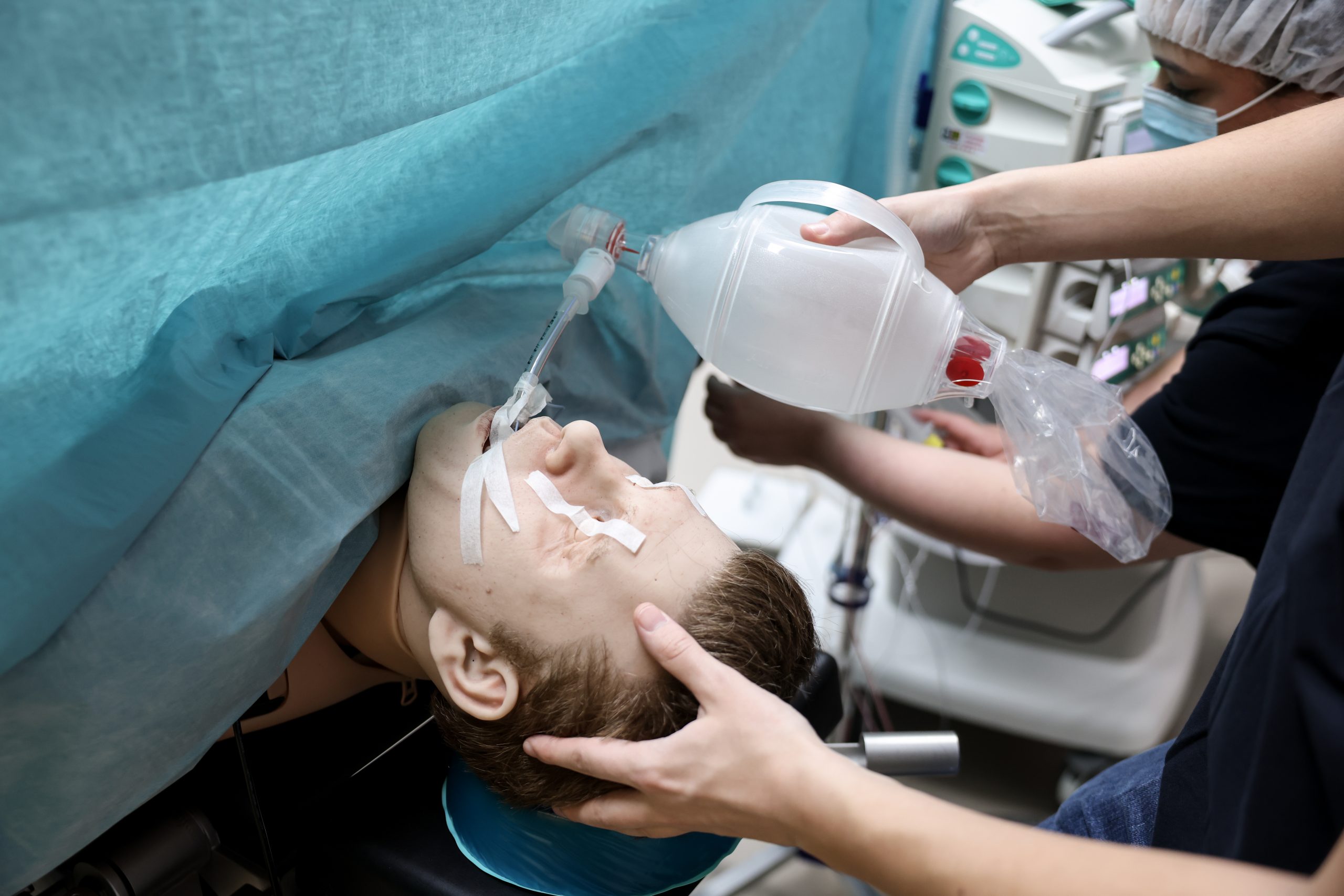
The Virtual Hospital Suite recreates a realistic clinical care environment where learners can participate in scenario-based simulation. Equipped with high-fidelity simulation manikins and monitoring systems, the suite enables instructors to design immersive clinical situations in which learners assess patients, make decisions, and learn to communicate as an interdisciplinary team.
Typical scenarios may include:
- Acute care situations
- Emergency response simulations
- Crew Resource Management (CRM)
- Communication under pressure
The debriefing phase, conducted after each simulation, is central to learning, providing a structured opportunity to reflect on clinical decisions, teamwork, communication, and emotional responses.
Task Training Suite
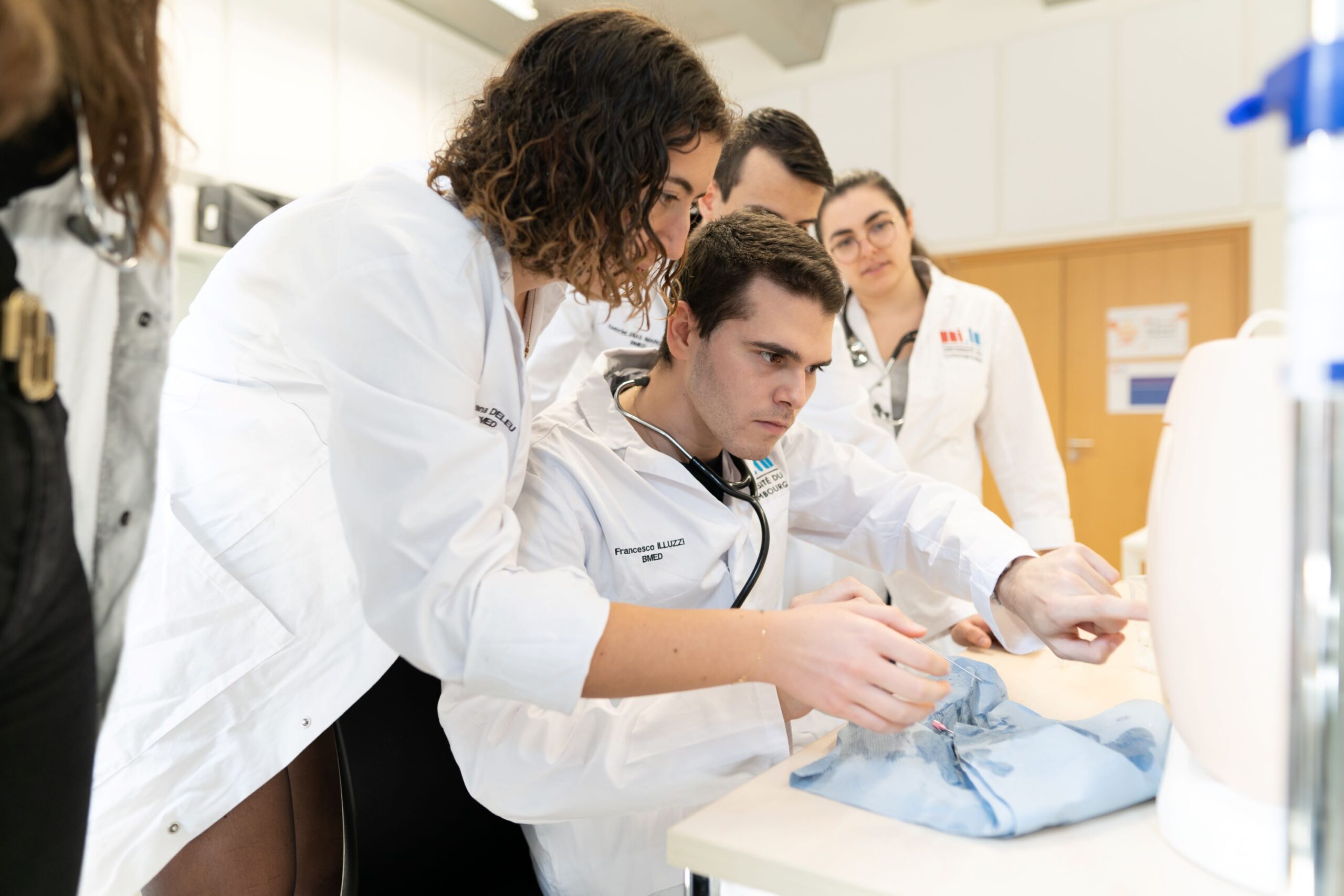
The Task Training Suite focuses on the acquisition and repetition of specific clinical skills and examination techniques. Using manikins and task trainers, learners can practice clinical procedures in a controlled environment before performing them in clinical settings. Supervised repetition helps develop precision, confidence, and familiarity with procedures, supporting the progressive development of technical competencies.
Typical activities include:
- Clinical examination practice (e.g., abdominal examination)
- Procedural skills training
- Preparation for clinical placements
- Hybrid sessions combining technical and communication elements
This suite reflects a central principle of healthcare simulation—namely, that technical skills should be practiced in simulation before being performed on patients.
Simulation rooms
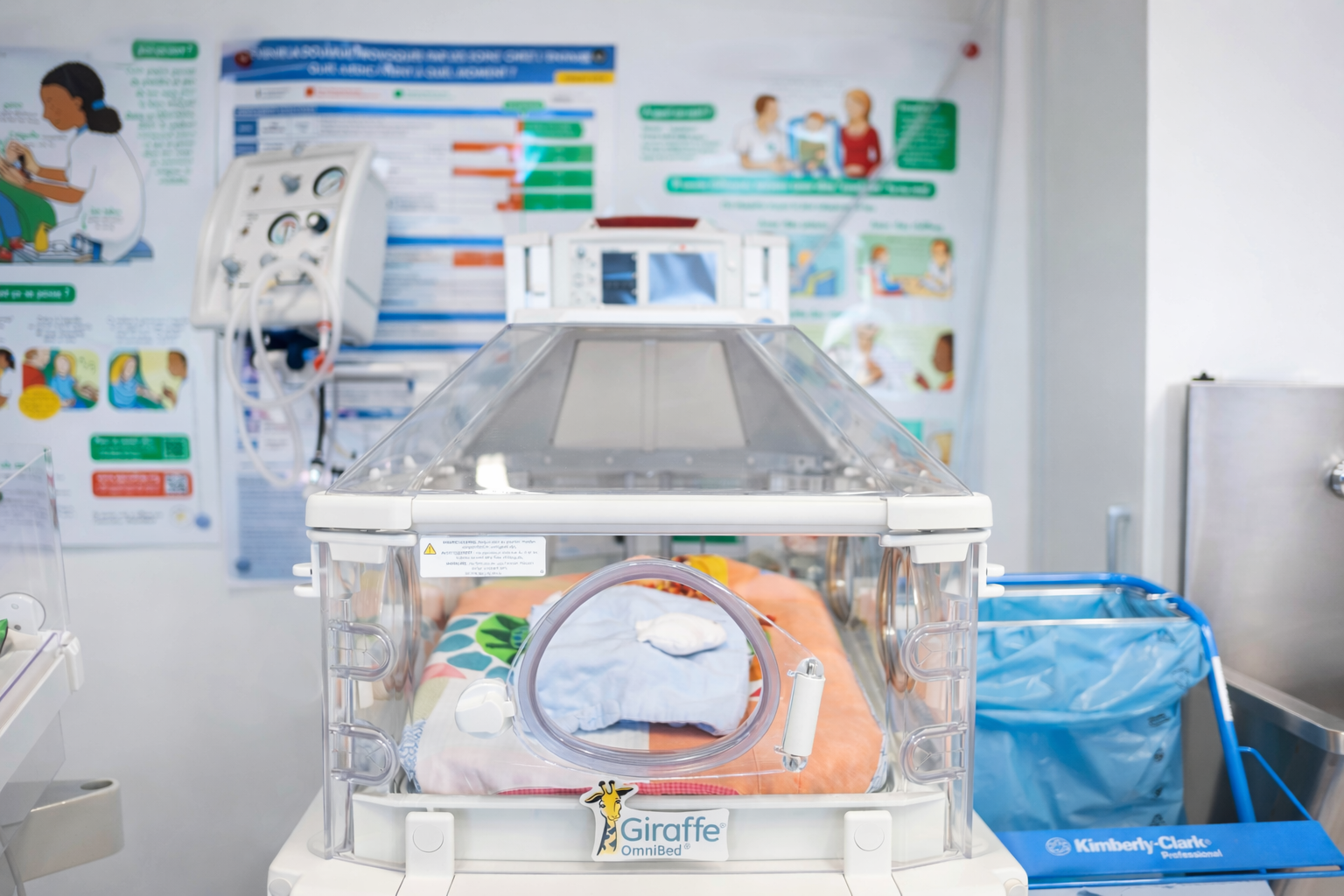
In addition to suites, SimUL includes twelve additional training rooms designed to support a wide range of learning activities.
These include:
- Nursing care rooms replicating hospital patient rooms
- A space dedicated to midwifery for the care of mothers and newborns
- Clinical and interprofessional simulation rooms
Together with clinical skills and interprofessional simulation rooms, these environments allow learners to develop competencies required for safe and effective professional practice.