Faculty of Science, Technology and Medicine
 Faculty of Law, Economics and Finance
 Faculty of Humanities, Education and Social Sciences
 Interdisciplinary Centre for Security, Reliability and Trust
 Luxembourg Centre for Systems Biomedicine
 Luxembourg Centre for Contemporary and Digital History
 Luxembourg Centre for European Law
 Luxembourg Centre for Socio-Environmental Systems
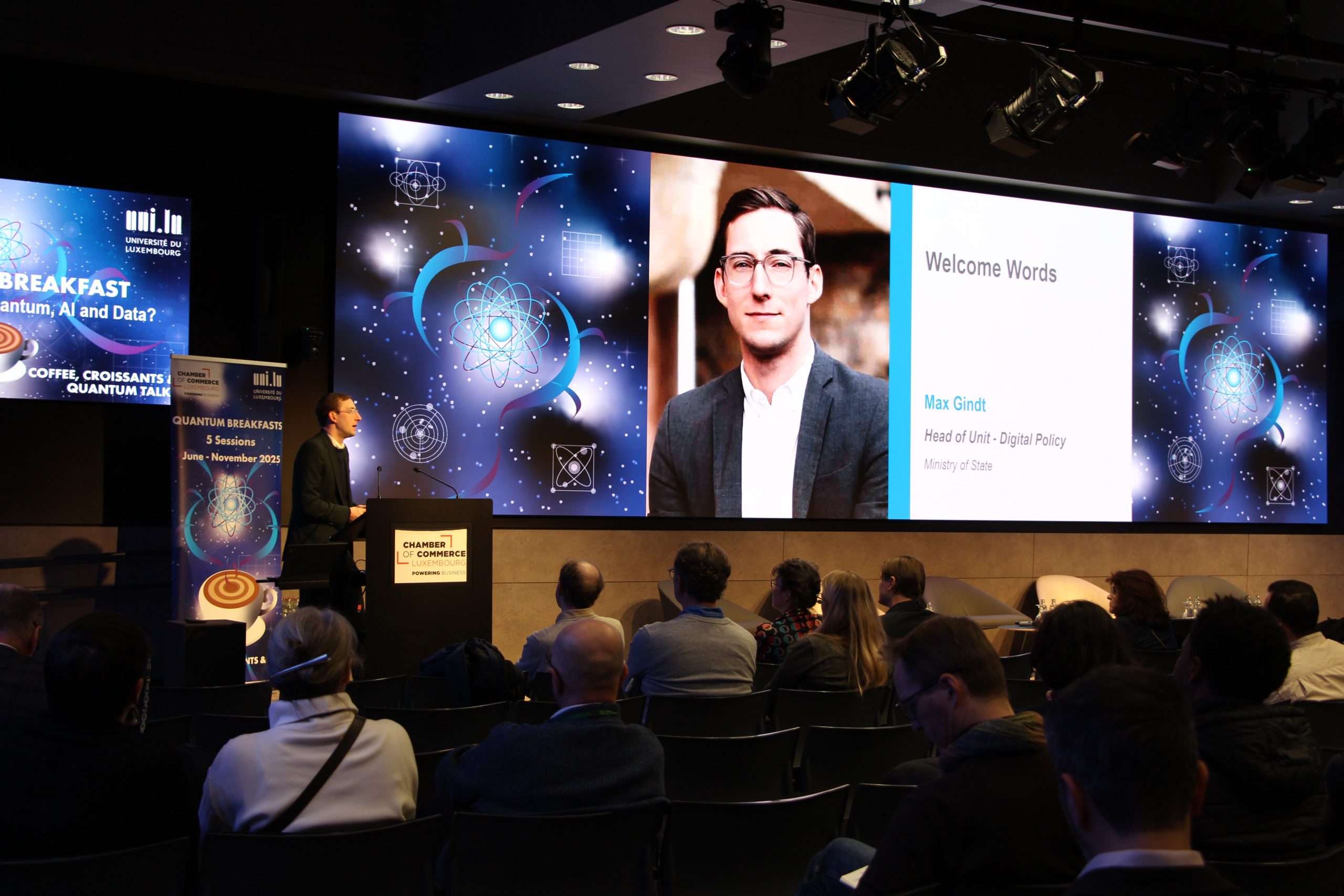
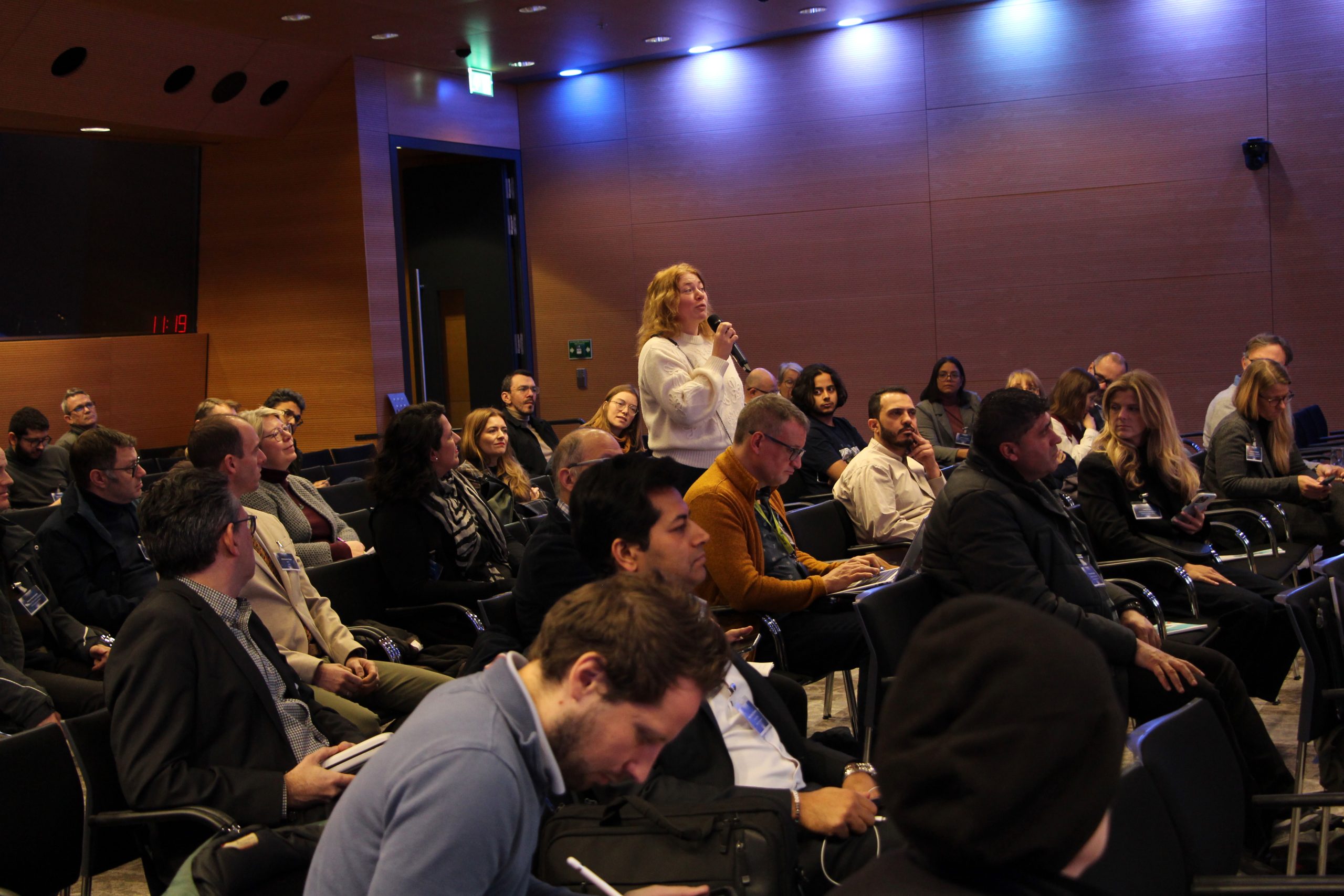
Breakthroughs that once took years are now unfolding in months, and soon, perhaps in days. Artificial intelligence is accelerating the pace of scientific discovery, powering smarter decisions in sectors from healthcare to mobility. Meanwhile, quantum technologies are pushing the boundaries of how we sense, communicate, and secure our digital world. These transformations took centre stage at the latest Quantum Breakfast in Luxembourg. Experts explored how Europe and Luxembourg are preparing for a future shaped by quantum innovation, AI, and data.
Demystifying the quantum-AI connection
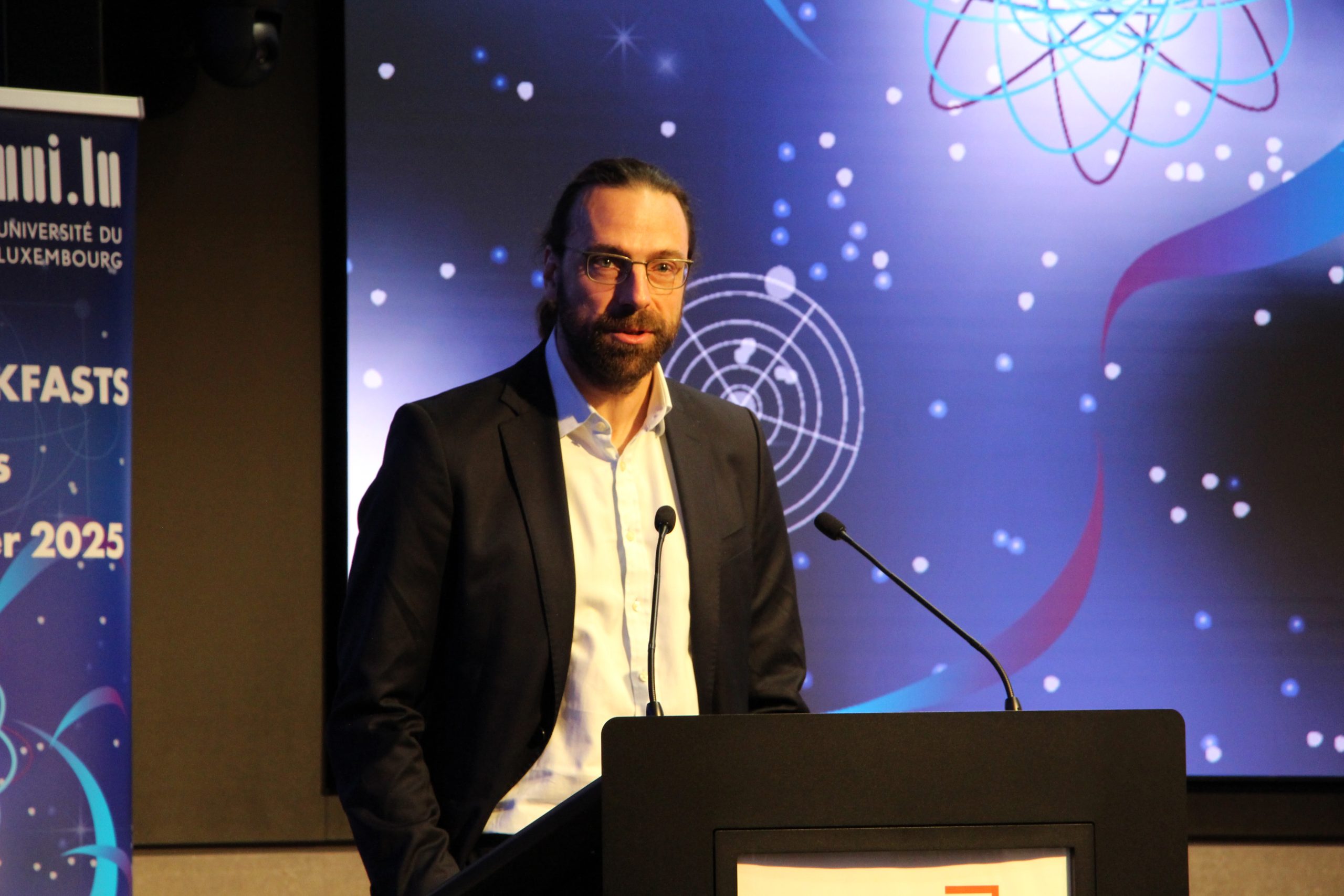
At the heart of the discussion was the European High-Performance Computing (EuroHPC) Joint Undertaking (JU), presented by Daniel Opalka, Head of Unit Research & Innovation for the Euro HPC JU. He explained how Luxembourg plays a pivotal role in Europe’s computing ecosystem. EuroHPC is more than a network of supercomputers: it’s a coordinated effort combining infrastructure, research, and industrial collaboration. Daniel illustrated this with Luxembourg’s MeluXina system, where the national investment covers 65% of the cost and EuroHPC 35%, granting European researchers competitive access to compute resources.
‟ Luxembourg’s MeluXina system gives European researchers competitive access to world-class compute resources, bridging national investment with European collaboration.”
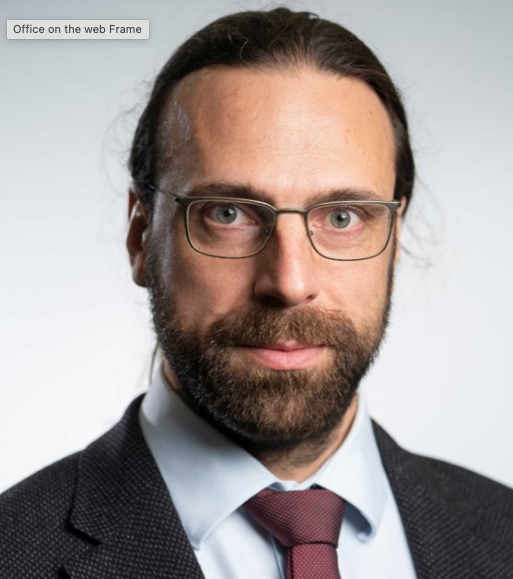
Head of Unit Research & Innovation for the Euro HPC JU
From this foundation, Daniel introduced the concept of AI factories which are specialised infrastructures where AI-optimised supercomputers meet support services and training programmes. These factories are designed to federate expertise across Europe, allowing researchers and industry alike to access specialised resources beyond their national borders. Daniel highlighted that Luxembourg’s AI factory focuses on areas such as cybersecurity and space, integrating advanced compute power with human skills development.
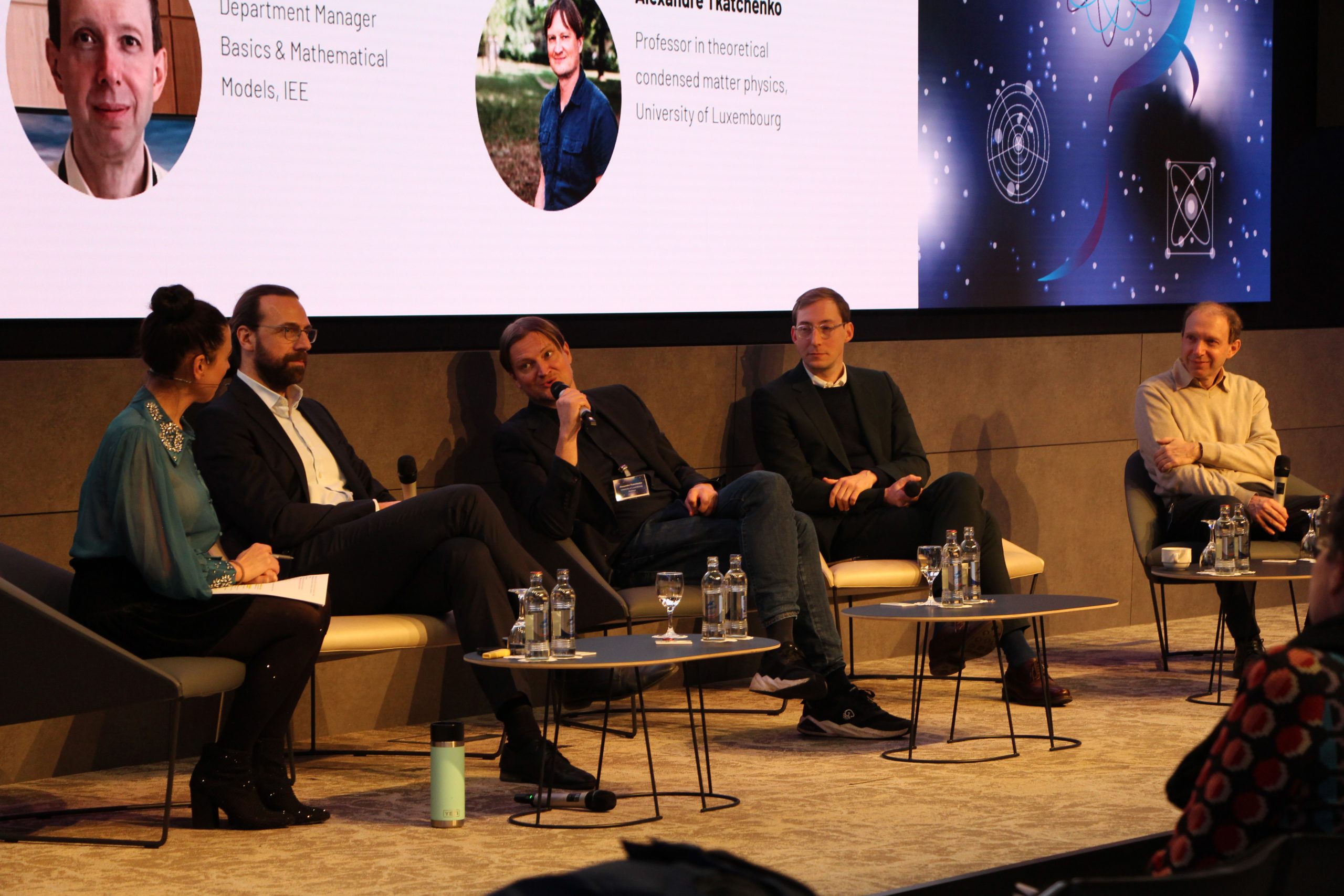
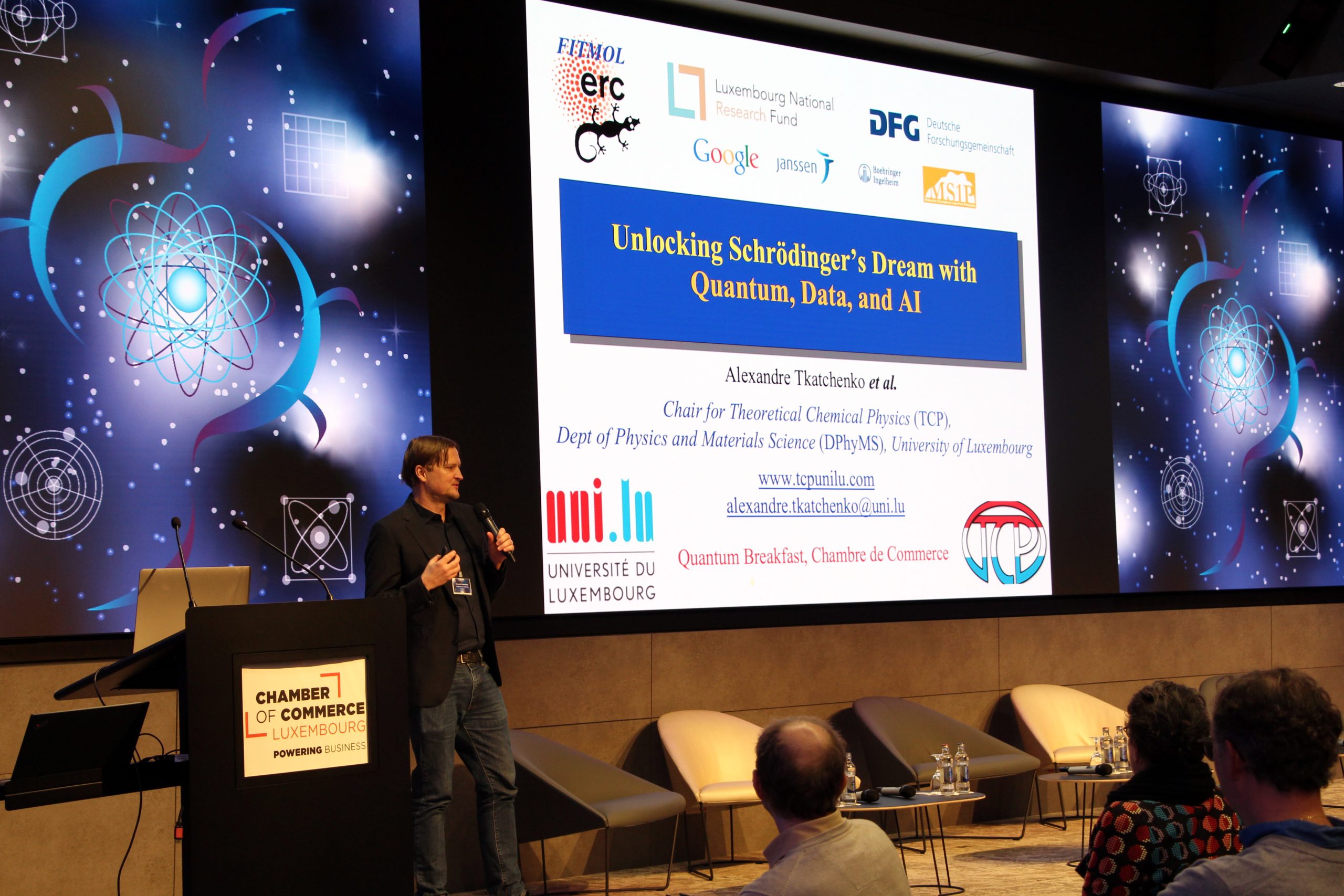
Max Gindt, Head of Unit – Digital Policy at the Ministry of State, and Prof. Alexandre Tkatchenko elaborated further, emphasising that while high-performance hardware is essential, the human factor is critical. “It’s about interconnection,” Max Gindt explained, “not isolated teams, but ecosystems working together.” Prof. Tkatchenko added that graduates of his labs become “natives of AI, quantum, and data,” ready to apply their skills in academia, startups, and industry. But talent is scarce, and retaining it in Luxembourg remains a challenge. As Prof. Tkatchenko noted, even when researchers leave, they carry Luxembourgish expertise worldwide; a form of soft power in the global innovation landscape.
‟ Graduates of our labs become natives of AI, quantum, and data, ready to apply their skills in academia, startups, and industry. ”
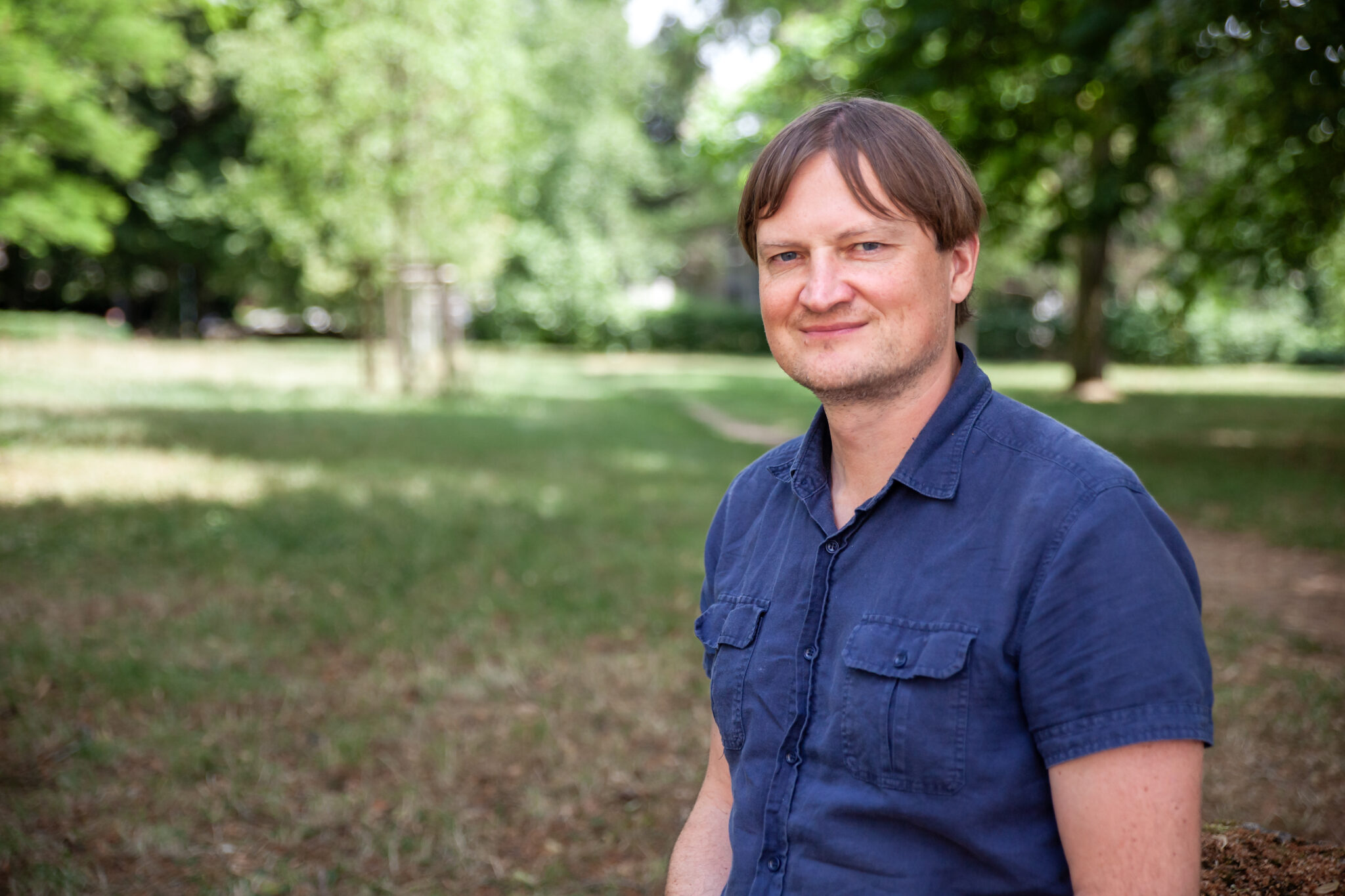
Professor in in Theoretical Condensed Matter Physics
Quantum and AI applications: from drug discovery to safer vehicles
The panel explored how these advanced computing capabilities are transforming real-world challenges across multiple domains. In healthcare and life sciences, quantum simulations have the potential to accelerate drug discovery by modeling complex molecules in ways classical computers cannot. Meanwhile, AI enables the rapid analysis of vast biomedical datasets to identify patterns and predict outcomes.
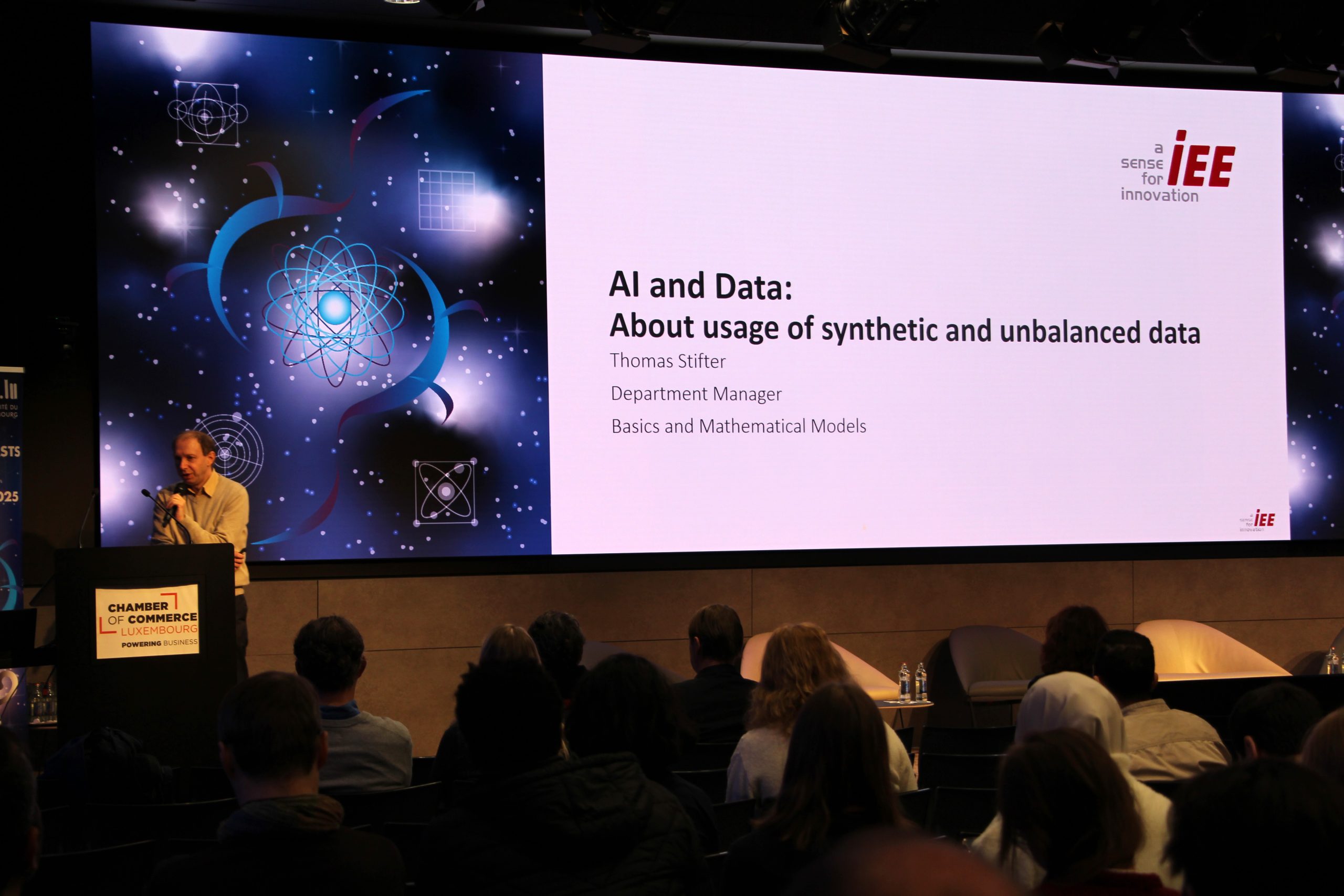
Dr. Thomas Stifter, Department Manager, Basic and Mathematical models at IEE, noted that the speed of change is astonishing. Calculations that once took a year can now be completed in hours, opening doors to fields previously considered impractical for exploration. Prof. Tkatchenko reinforced that innovation thrives where interdisciplinary collaboration meets cutting-edge technology, enabling breakthroughs not just in theory, but in the real economy.
‟ It’s about interconnection, not isolated teams, but ecosystems working together.”
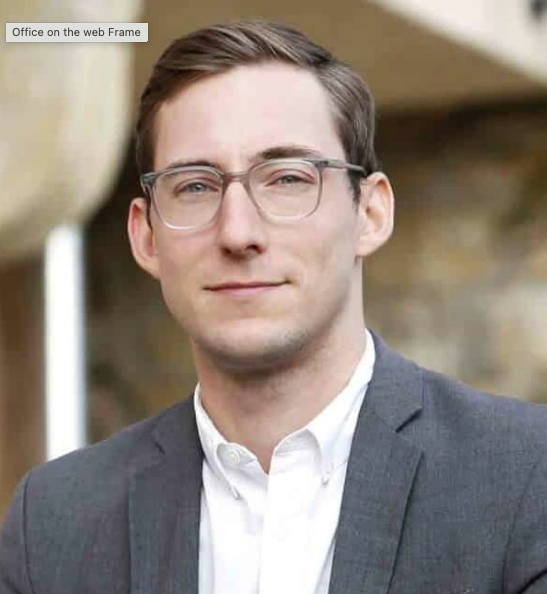
Head of Unit – Digital Policy at the Ministry of State
Expanding the horizon into quantum sensing, Thomas highlighted practical applications in automotive technology. Luxembourg-based teams at IEE are developing highly sensitive interior sensors that detect whether a seat is occupied, if a driver is present, or if a child remains in the car. These sensors also enable hands-off detection for steering wheels, ensuring certain autonomous functions only activate under safe conditions. By integrating these sensors with AI and high-performance computing, the teams can turn raw data into actionable insights. This enhances vehicle safety and supports autonomous driving.
‟ Our interior automotive sensors ensure the car knows who is inside, enhancing safety and supporting autonomous driving functions.”
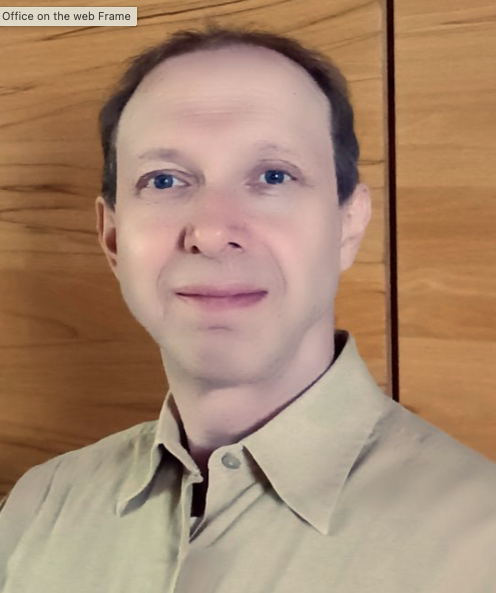
Department Manager Basic and Mathematical models at IEE
Digital sovereignty and European leadership
The discussion also touched on Europe’s strategic position in global tech. Daniel stressed that Europe’s co-investment model in AI, HPC, and quantum infrastructure ensures that the continent maintains sovereignty over its data and computational capabilities. Max emphasised Luxembourg’s efforts to support venture capital engagement in high-reward quantum startups. Instruments like the Digital Tech Fund and the Fit4Start ecosystem help bridge the gap between research and commercialisation.
Public-private partnerships are critical too. Quantum computers procured through EuroHPC, for example, originated from spin-offs of European research projects. “Successful commercial contracts provide startups with the references they need to attract private investors,” Daniel noted.
Luxembourg as a hub of talent and expertise
Luxembourg’s strategy is about more than hardware. It’s about cultivating an ecosystem of people, institutions, and infrastructure. The Deep Tech Lab, Max explained, embodies this approach. It connects scientists, startups, and investors while promoting patient capital that supports longer-term and high-risk innovation. Prof. Tkatchenko highlighted that despite the country’s small size, Luxembourg has managed to attract international talent and develop an environment conducive to interdisciplinary collaboration.
On top of that, the panel repeatedly underscored the importance of skills and training, echoing themes from previous breakfasts. Daniel pointed to initiatives like the European Master Programme for High-Performance Computing, while Max and Prof. Tkatchenko emphasised local talent retention and global visibility. Even short-term projects, internships, and collaboration with universities contribute to building an important mass of expertise in the Grand Duchy.
‟ The question ”Are we ready for Quantum?” isn’t a yes or no question. It’s a journey that requires readiness in data, AI, regulation, and ecosystem maturity.”
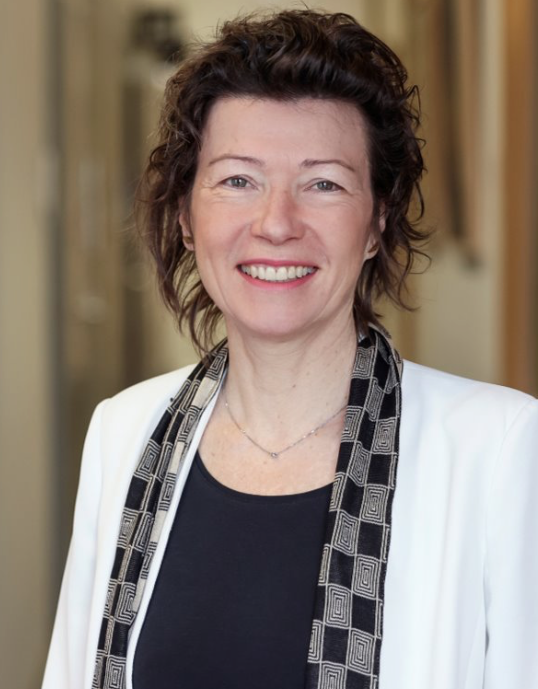
Vice-Rector for Research at the University of Luxembourg
A call to collaboration
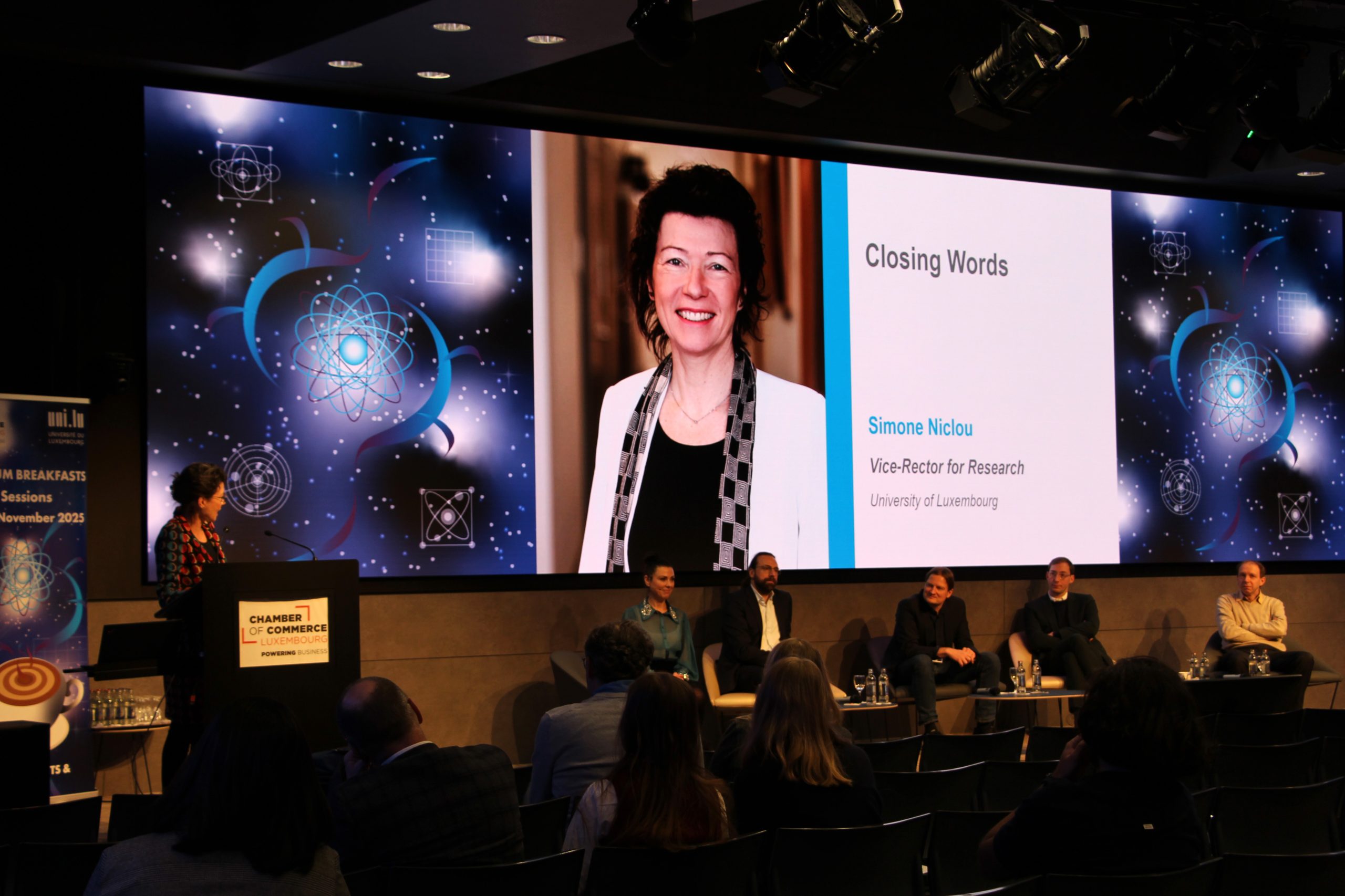
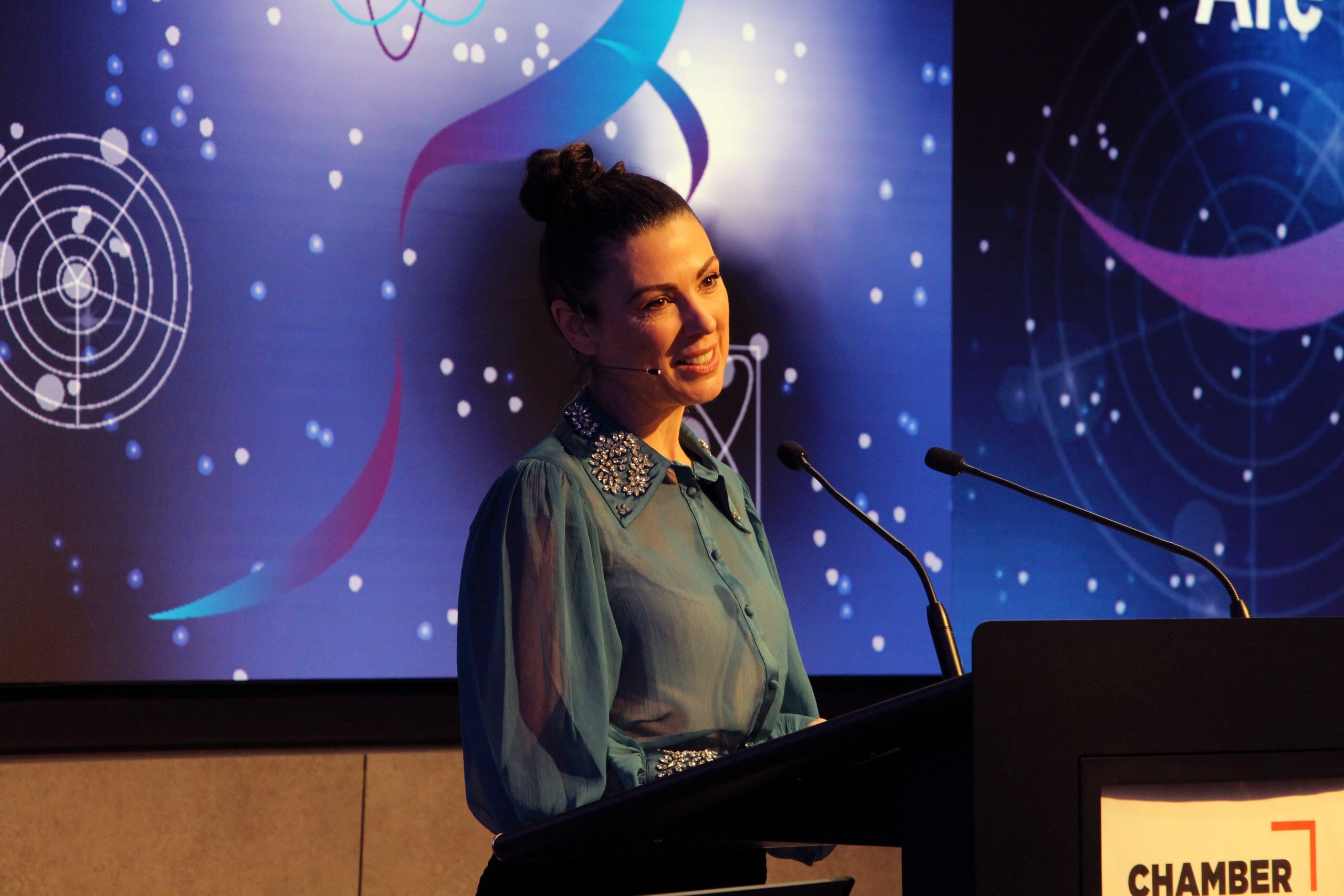
In conclusion, the conversation returned to the big picture. Luxembourg and Europe are not just observers of the quantum and AI revolution; they are active shapers. Simone Niclou, Vice Rector for Research at the University of Luxembourg, emphasised that the question, “Are we ready for quantum?” can’t be answered with a simple yes or no. Readiness means strengthening data and AI foundations while ensuring trustworthy, well-regulated algorithms. It also requires building quantum infrastructure through close collaboration between researchers, industry, and policymakers.
The path forward involves linking infrastructure, research, talent, and investment, while nurturing trust, safety, and societal relevance. For citizens, researchers, startups, and policymakers alike, there is a role to play. Luxembourg’s approach shows that shaping the quantum future is not just about building the fastest computers or most advanced sensors. It’s about cultivating people, ecosystems, and partnerships.