

 Faculty of Science, Technology and Medicine
 Faculty of Law, Economics and Finance
 Faculty of Humanities, Education and Social Sciences
 Interdisciplinary Centre for Security, Reliability and Trust
 Luxembourg Centre for Systems Biomedicine
 Luxembourg Centre for Contemporary and Digital History
 Luxembourg Centre for European Law
 Luxembourg Centre for Socio-Environmental Systems
Project-based learning is at the core of the Master in Digital and Public History (MADiPH). In the Project Management for the GLAM (Galleries, Libraries, Archives and Museums) Industries class (semester 1 and semester 2), students develop a tangible project that represents how public history can be used in the field.
For instance, in 2025, as part of the GLAM class, we, the MADiPH students, developed a podcast series on Radio Luxembourg, one of the world’s greatest radio stations. From the 1920s, it broadcasted directly from Luxembourg to many countries worldwide. Its historical impact diverges between multilingual programmes, shaping musical culture, and being a propaganda tool during WWII. Every night, fans tuned in to the only radio that broadcasted pop music, engaging DJs (or influencers), and fun commercial programmes with audience participation.
Radio Luxembourg is no longer active; however its lasting remains are alive. This is where the digital and public history students stepped in. As part of the GLAM Industries class, we took part in an existing transmedia project: Radio Luxembourg – The station that changed our world, by Dominique Santana and Andreas Fickers. Transmedia projects such as this one share different sides of histories through different media (audio, video, in-person exhibitions, etc.). By experiencing a transmedia project, the viewer (or listener) unlocks new knowledge with every available media.
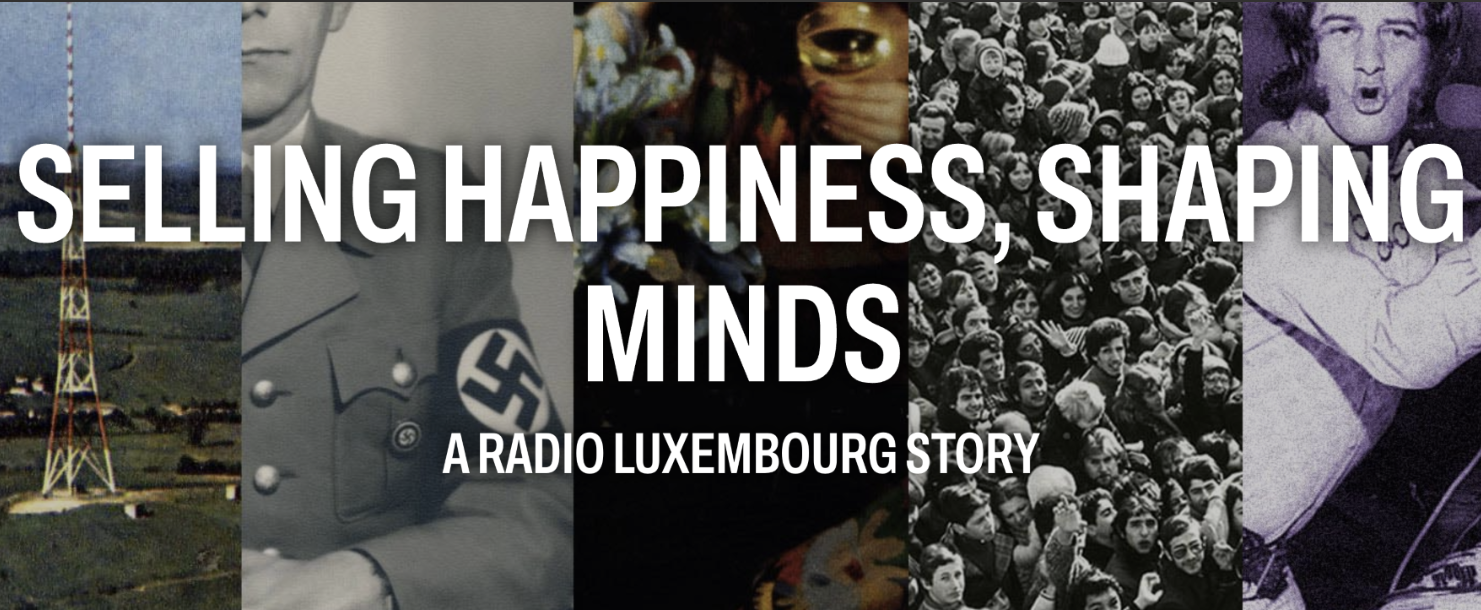
Podcast series banner
Our contribution happened in the podcast series Selling Happiness, Shaping Minds – A Radio Luxembourg Story. We delved into an existing archive of the radio, with a multitude of primary sources. Together as a class, we really experienced first-hand what it is like to manage a project: we discussed and defined who the target audience for our podcast would be along with which topics of Radio Luxembourg we would develop in each episode.
We also managed the timeline for research, scripting, producing and post-producing the series, while also managing the expectations of the project, which was led by partners of the GLAM world both from and outside the University of Luxembourg. On top of all of that, we could not just report our archival findings in the podcast: we needed to play our role as public historians.
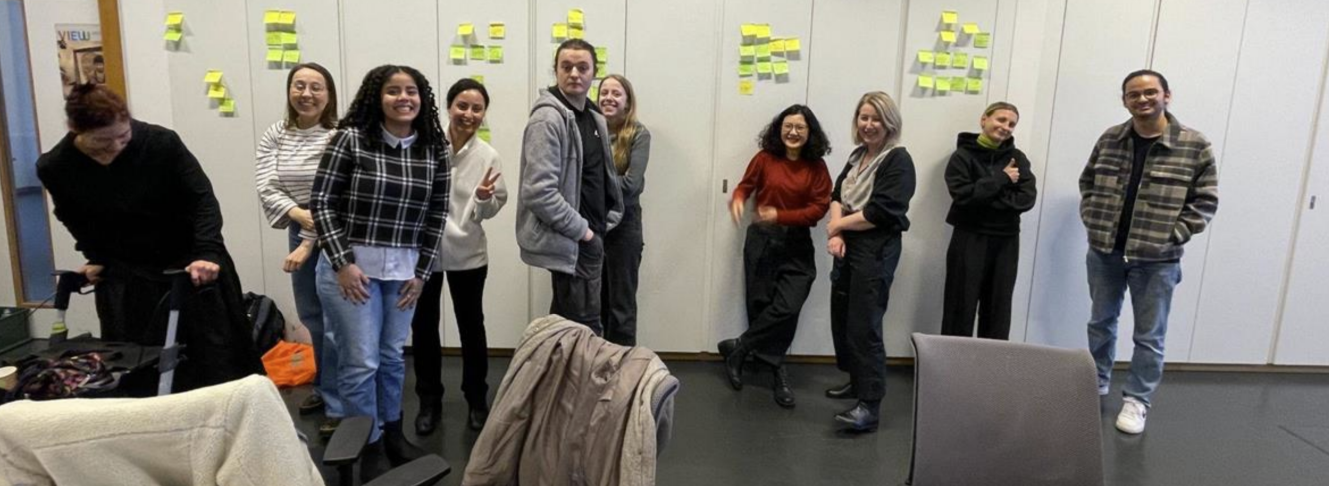
MADiPH students in their brainstorming session to define the themes and pairs for each episode
This means we overcame the challenge of not only making sense of the long and complex Radio Luxembourg history for ourselves, but we also managed to translate all our theory and research into an engaging podcast series that embraced our creativity, storytelling, and historical facts.
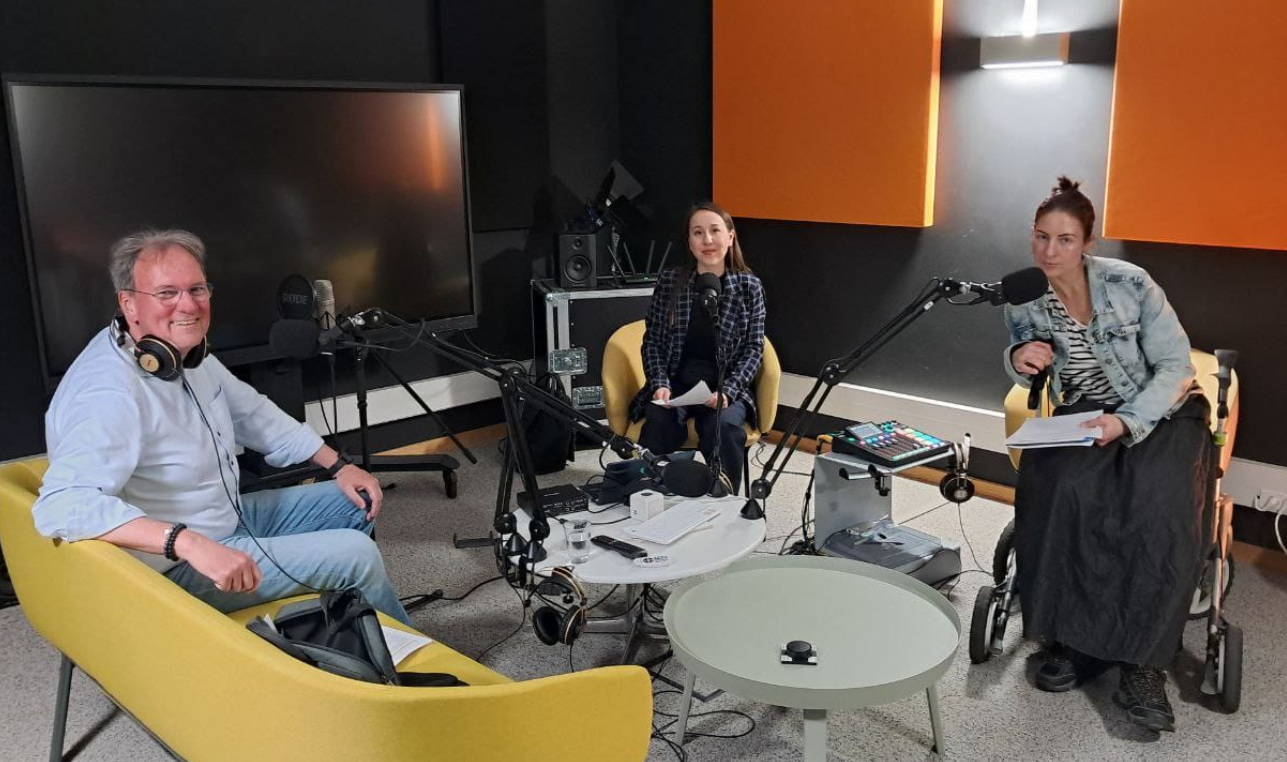
MADiPH students Snejana Granatkina and Elvira Abdussalyamova interviewing radio veteran Camille Ney for the episode Jingle Sells
The series was recently shared by RTL play, one of Luxembourg’s biggest news channels, however it can also be listened to from most streaming platforms and the Radio Luxembourg’s project page. The digital and public history training in the MADiPH, which tackled a possible experience in project management, gave us interchangeable skills. We now know how to do a podcast well, but we can also communicate effectively in teamwork and with project managers. We learned which tools can be used in our favour during creative projects and how to use them to communicate internally in a team, and externally for an audience. Finally, we conducted archival research within a limited time frame and successfully translated our results to our public, who are at the centre of what we do.
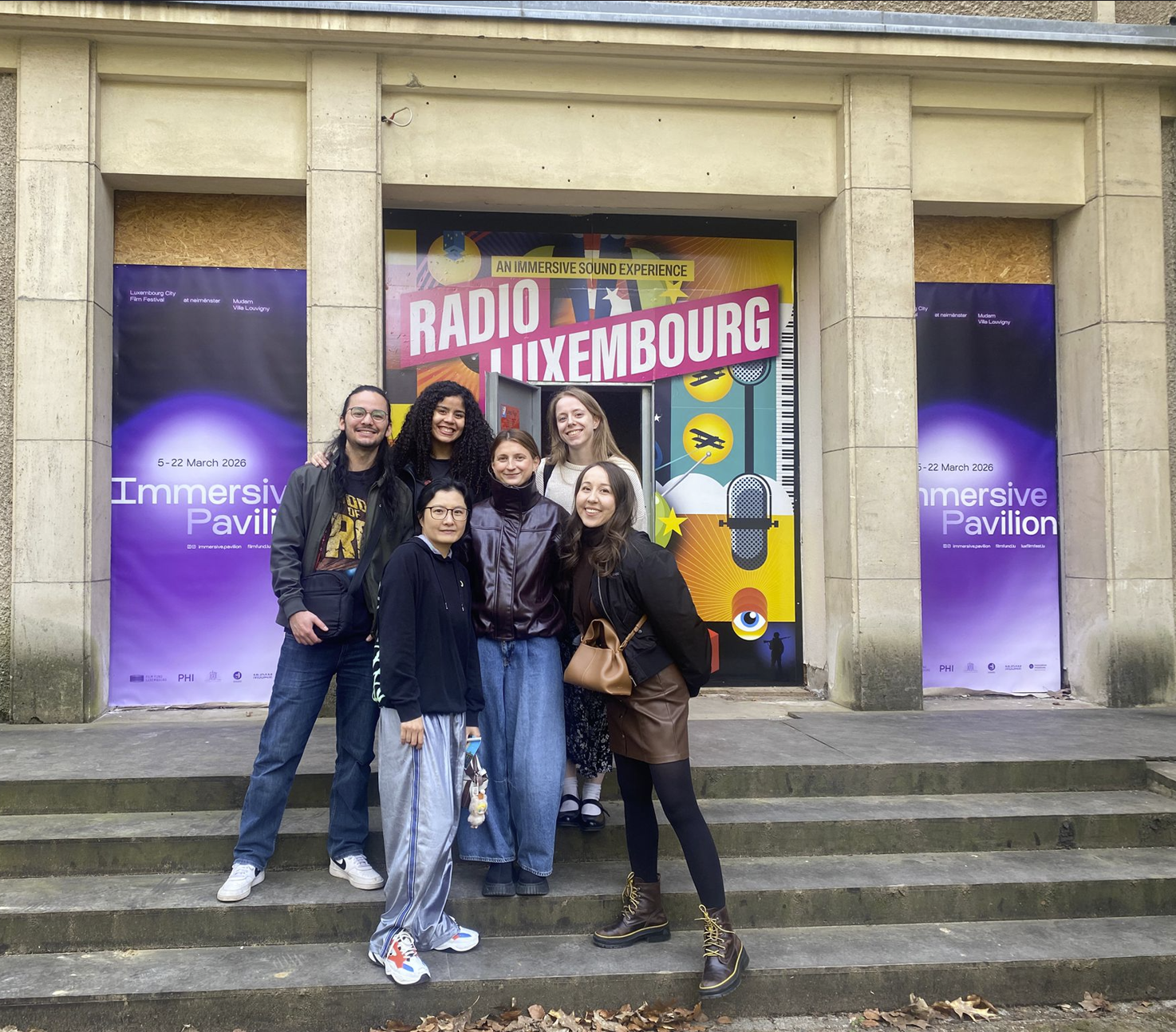
Some of the MADiPH students attend the sound exhibition of the Radio Luxembourg transmedia project