

 Faculty of Science, Technology and Medicine
 Faculty of Law, Economics and Finance
 Faculty of Humanities, Education and Social Sciences
 Interdisciplinary Centre for Security, Reliability and Trust
 Luxembourg Centre for Systems Biomedicine
 Luxembourg Centre for Contemporary and Digital History
 Luxembourg Centre for European Law
 Luxembourg Centre for Socio-Environmental Systems
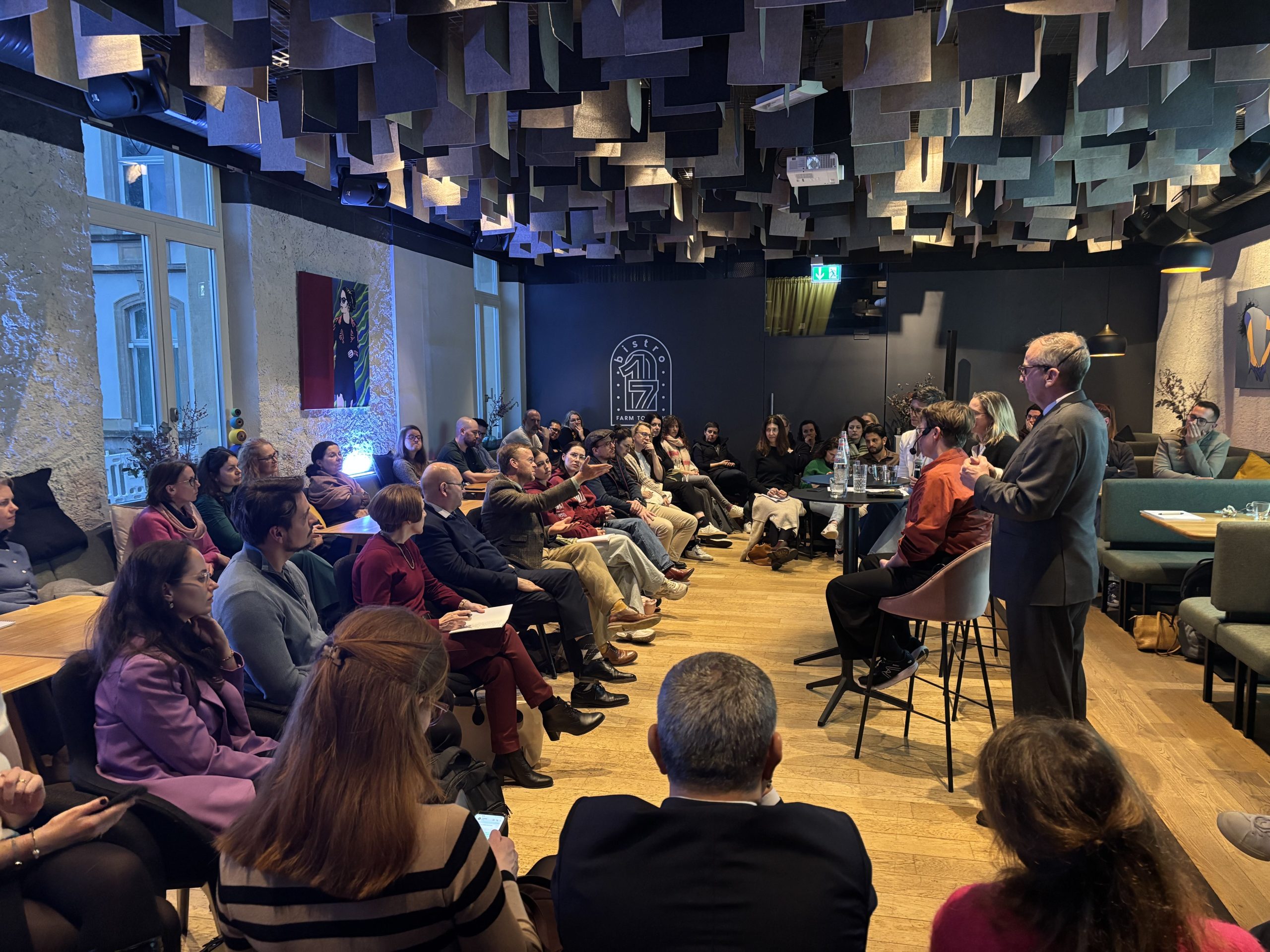
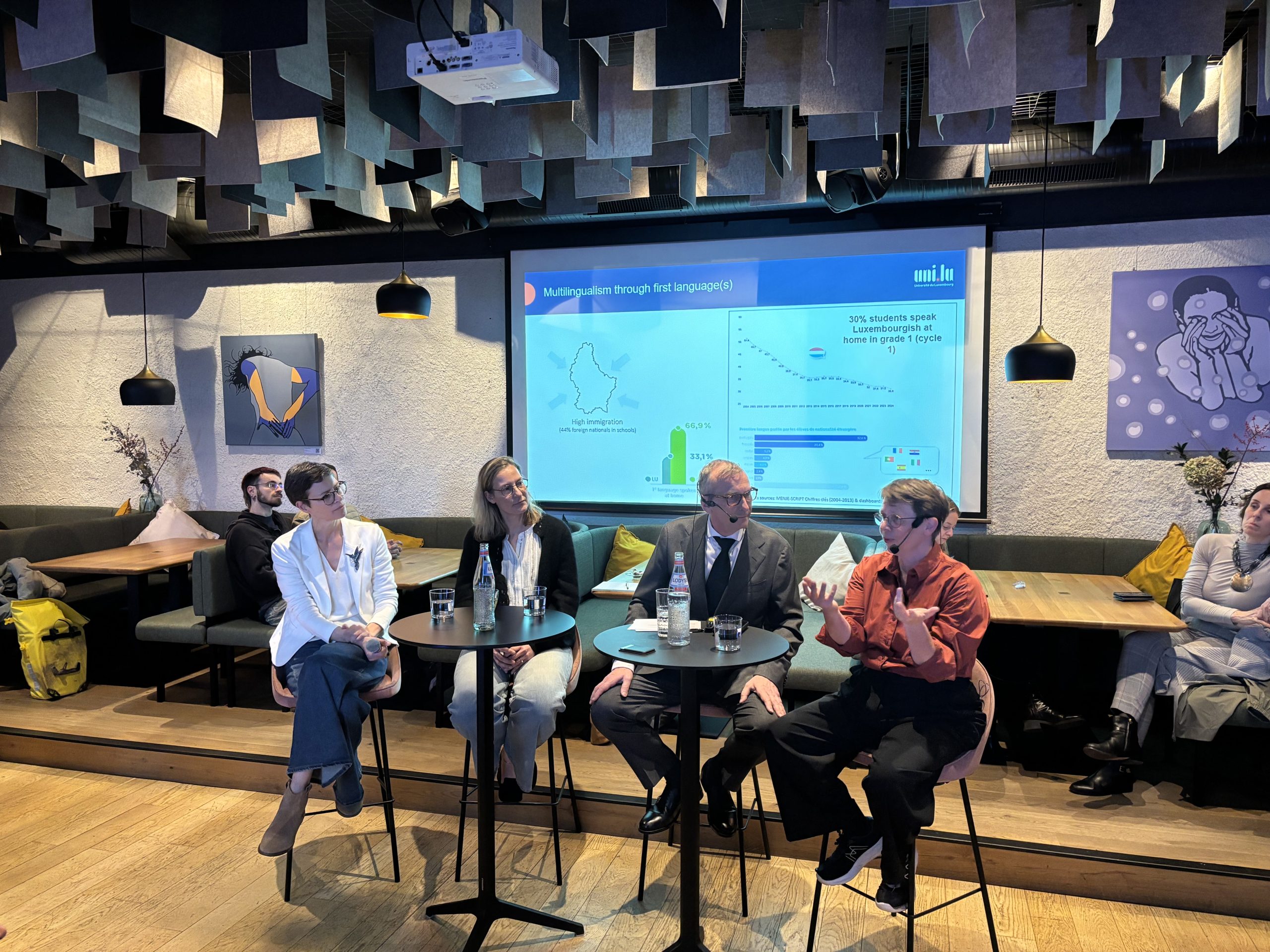
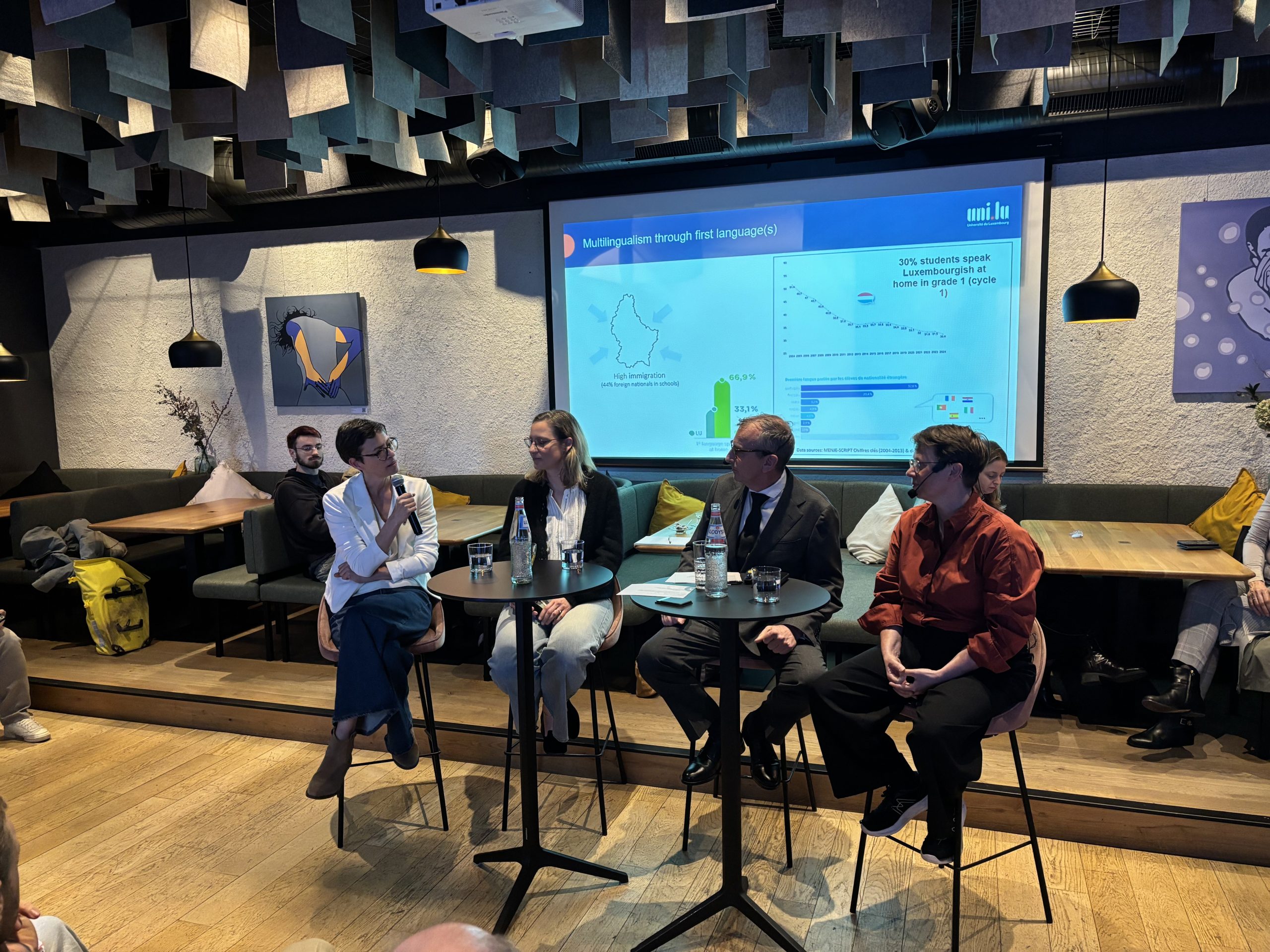
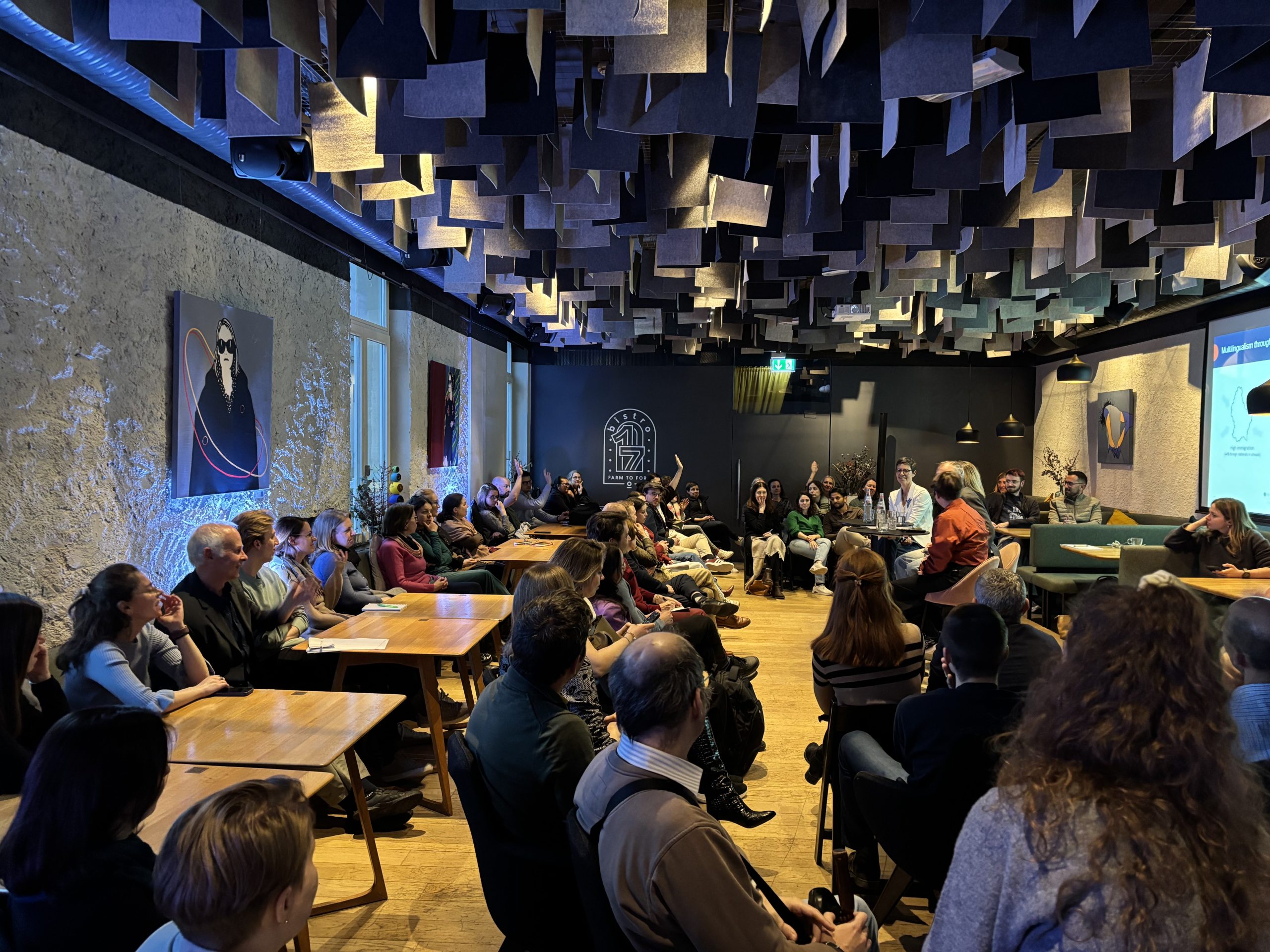
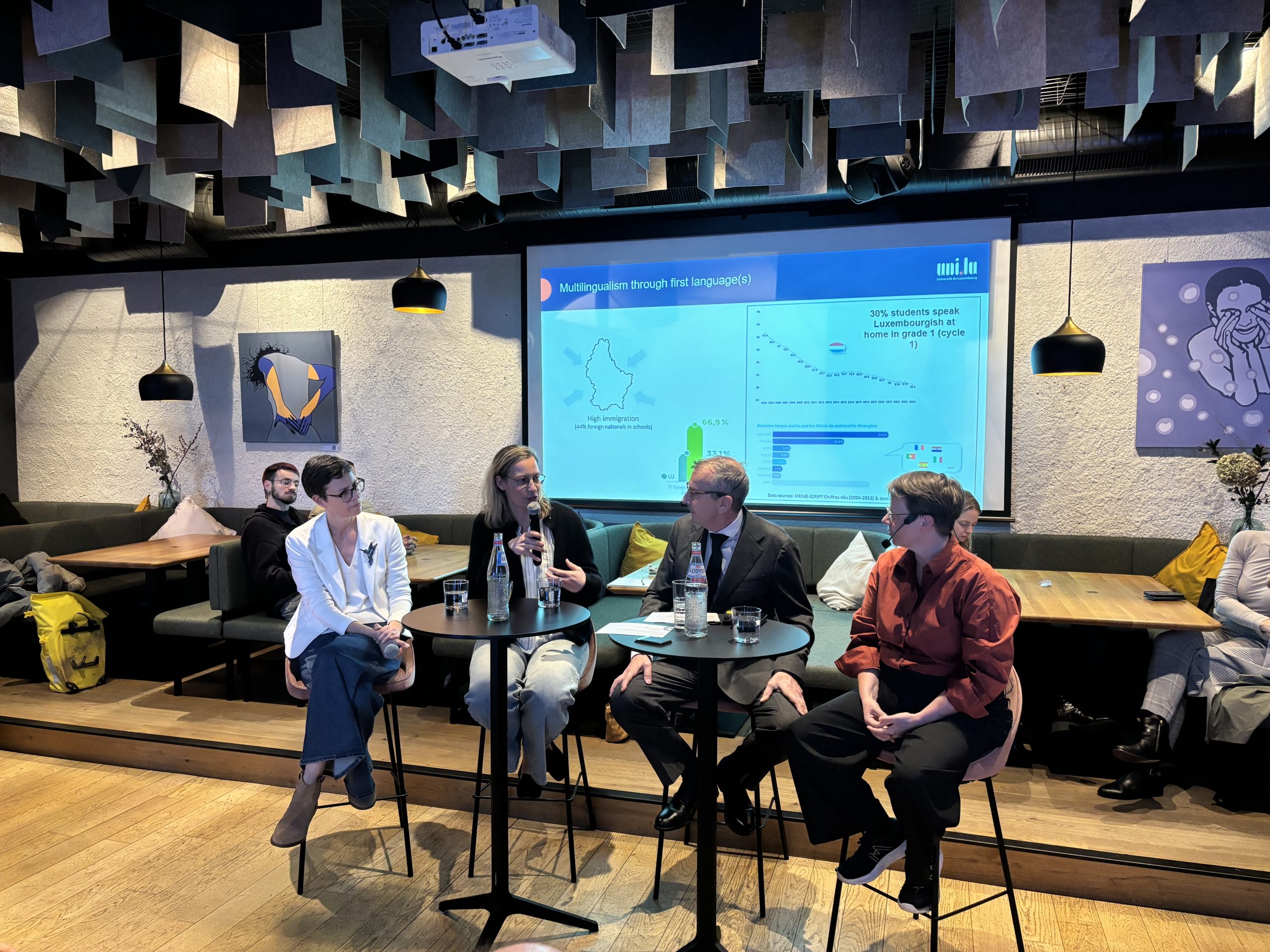
On 25 March 2026, the University of Luxembourg organised a new session of its UniverCITY Talks series, focusing on multilingual schooling and its implications for children’s learning and development.
A unique but demanding system
Luxembourg is often viewed as a model of multilingual education. Children typically begin schooling in Luxembourgish, transition to German in primary education, and later adopt French as instruction language in secondary school. While this system reflects the country’s linguistic diversity, the discussion highlighted that its reality is more nuanced.
The panel, featuring Professor Christine Schiltz, Associate Professor Constanze Weth, and Associate Professor Sonja Ugen, explored both the strengths and the challenges of this approach. A key theme was how language transitions affect not only academic performance but also children’s cognitive development and educational experience.
Strong foundations in Luxembourgish
Data discussed during the session showed that Luxembourgish language skills among young learners are generally strong. In addition, children report using Luxembourgish regularly in school and with their peers. This suggests that, despite the multilingual nature of the system, Luxembourgish continues to play a central role in everyday school life.
Challenges for learning and assessment
At the same time, multilingual education can be particularly demanding for some pupils. Children with learning difficulties may face additional challenges when navigating multiple languages, especially when the language of instruction changes over time.
This complexity also affects how educational outcomes are interpreted. Distinguishing between typical multilingual development and potential learning difficulties remains a key challenge for educators and specialists.
To address this, researchers are working with schools and specialised competency centres to develop better tools for identifying and supporting children in multilingual contexts.
Informing educational practices and reforms
Research plays a key role in supporting the development of Luxembourg’s education system. Findings are shared with policymakers, as well as directly with schools and teachers, with the aim of improving classroom practices and strengthening collaboration.
Recent developments, such as the introduction of European public school tracks offering more flexibility in teaching languages, reflect ongoing efforts to adapt the system to a diverse student population. At the same time, differences between educational pathways remain an important consideration for future reforms.
The challenge of integration
The coexistence of multiple schooling pathways also raises questions about social integration. Concerns have emerged around the potential development of parallel systems that could weaken connections to Luxembourgish society.
More broadly, Luxembourg’s education system can be viewed within a wider historical context. While education systems have traditionally been closely linked to nation states and a single dominant language, Luxembourg represents a more complex multilingual model that continues to evolve.
A system in evolution
Overall, Luxembourg’s multilingual education system is both a strength and a challenge. While it offers unique opportunities for language development, it also requires continuous adaptation to ensure that all learners are supported effectively.
The discussion ultimately pointed to a system that is still evolving: shaped by research, policy, and the diverse realities of the children it serves.
More about the series
UniverCity Talks is a series of interactive discussions where experts from the University of Luxembourg come into the city to explore key topics like AI, health, finance, space, and sustainability. Free and open to all, these sessions encourage dialogue between academics and the public, with Q&A opportunities to share your thoughts. All talks take place at Tero House 17 in Luxembourg City.