

 Faculty of Science, Technology and Medicine
 Faculty of Law, Economics and Finance
 Faculty of Humanities, Education and Social Sciences
 Interdisciplinary Centre for Security, Reliability and Trust
 Luxembourg Centre for Systems Biomedicine
 Luxembourg Centre for Contemporary and Digital History
 Luxembourg Centre for European Law
 Luxembourg Centre for Socio-Environmental Systems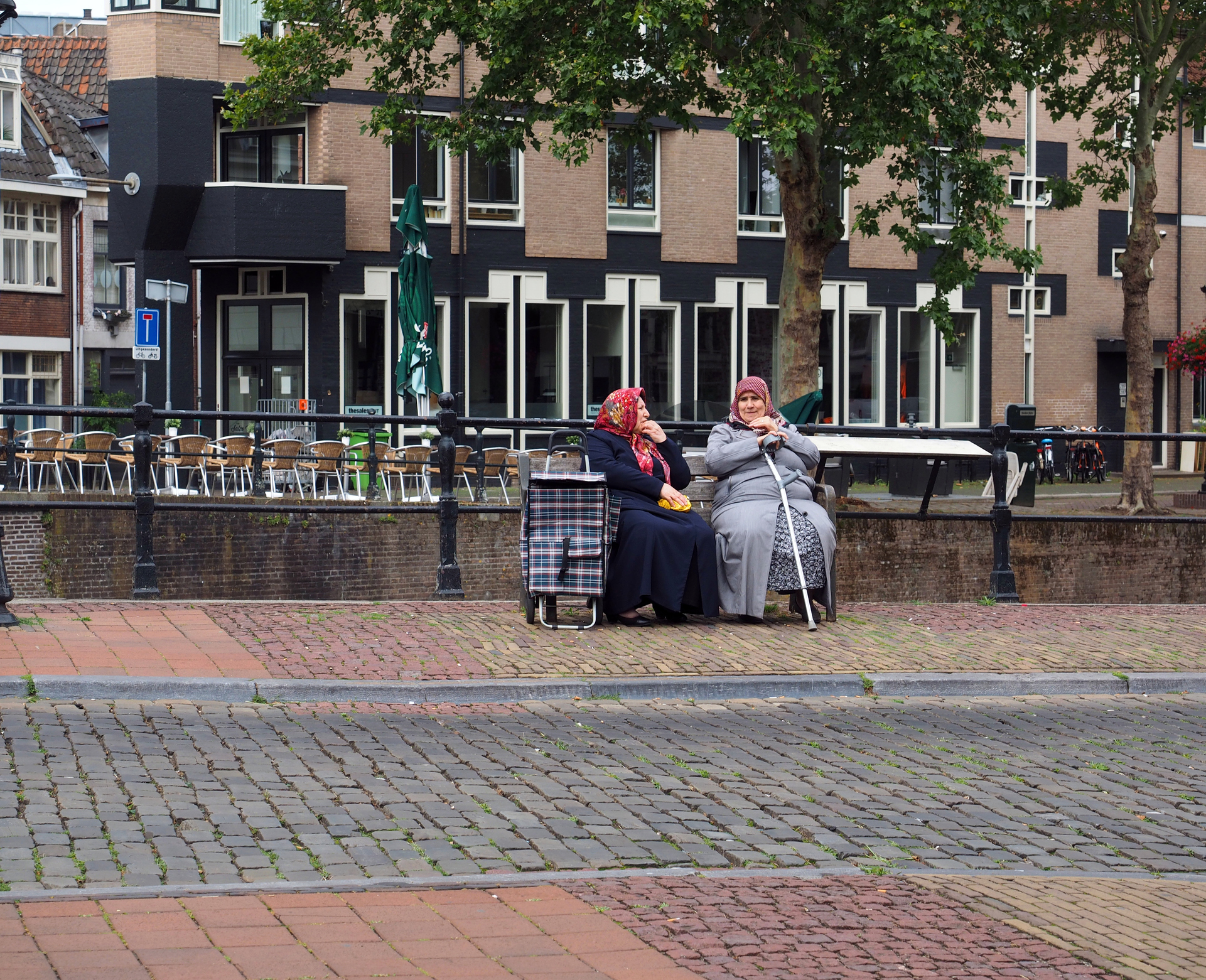
Institute for Lifespan Development, Family, and Culture (LDFC) Research Colloquium
Previous research suggests that people belonging to social categories not typically associated with loneliness are less likely to admit feeling lonely. Drawing upon this research, we hypothesized that men, those in good health, partnered individuals, and migrants are less likely to admit feeling lonely because they are less socially expected to be lonely. Using data from Dutch, Moroccan, and Turkish individuals aged between 55 and 66 years in the Netherlands (N = 1,383), we examined this by assessing respondents’ reported loneliness on direct measurements of loneliness while controlling for an indirect measurement of loneliness. Findings showed that men, those in good health, and partnered individuals were less likely to admit feeling lonely when asked directly than women, those in poor health, and single individuals. We also found that migrants were less likely to admit loneliness on the direct measurement than non-migrants, but only when they had a high score on the indirect measurement of loneliness. We recommend future studies to be cautious when using direct loneliness measurements, and professionals to be aware of the tendency of specific groups to underreport loneliness.
Speaker
Milynn Koene
Erasmus School of Social and Behavioural Sciences (ESSB) – Erasmus University Rotterdam
PhD Candidate | Netherlands Interdisciplinary Demographic Institute (NIDI-KNAW)/University of Groningen