Faculty of Science, Technology and Medicine
 Faculty of Law, Economics and Finance
 Faculty of Humanities, Education and Social Sciences
 Interdisciplinary Centre for Security, Reliability and Trust
 Luxembourg Centre for Systems Biomedicine
 Luxembourg Centre for Contemporary and Digital History
 Luxembourg Centre for European Law
 Luxembourg Centre for Socio-Environmental Systems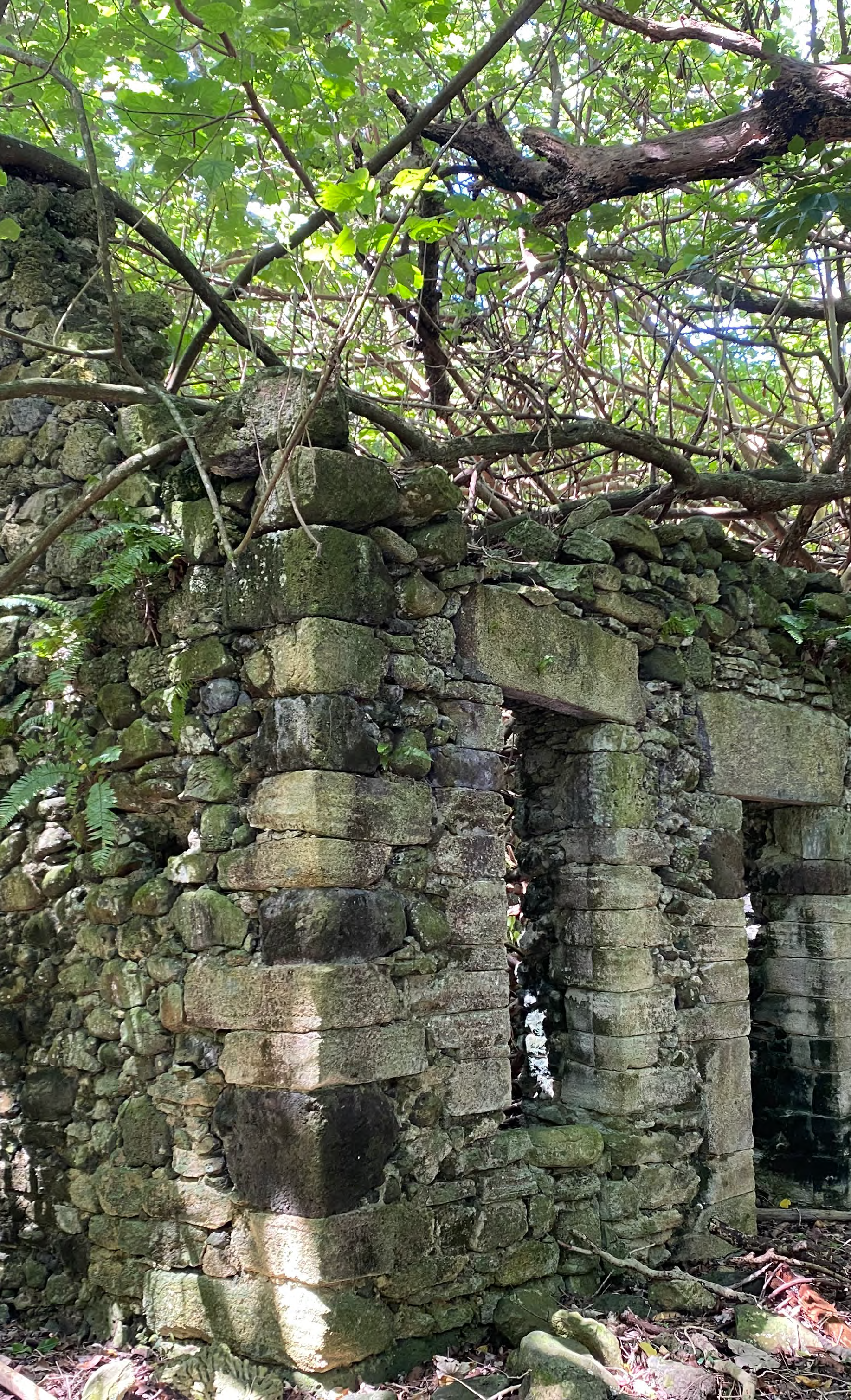
Abstract
The archaeology of Catholic missions is a subject of global research, including the Pacific Rim from the California hills to remote Pacific Islands. Beginning in 1834, a group of Catholic priests and lay builders under the auspices of the Pères des Sacrés Coeurs established a mission in the Mangareva Islands (also called Îles Gambier) in what is today French Polynesia. In the subsequent decades, the missionaries and their Polynesian converts constructed churches and shrines on each of the main inhabited islands; a royal complex for the “king” Maputeoa; towers and other monuments; and dozens of stone houses for Christian Islanders. Remarkably, this landscape of conversion and culture change remains largely in place today, albeit in a state of ruination. This talk presents the current findings of an ongoing four-year project investigating the archaeology of the Catholic mission in the Mangareva Islands and relevant cultural collections around the world. Archaeological survey and excavations from 2022-2024 documented dozens of 19th century mission structures, from the grand cathedral in Rikitea to the boys’ school at Aukena Island, to local sites of food production such as bread ovens and pits for the making and preserving of popoe (fermented breadfruit paste). This research highlights themes of transformation, but also adaptation and resilience during a century of dramatic encounters with others in Oceania.
Speaker

James L. Flexner is an Associate Professor of Historical Archaeology and Heritage at the University of Sydney in Australia. He completed his PhD at the University of California, Berkely in 2010, focusing on the archaeology of the Hawaiian leprosarium at Kalawao, Molokai. Since then he has worked extensively in the Pacific Islands and Australia, including major fieldwork projects in Vanuatu, Tasmania, Queensland, and most recently in the Mangareva Islands of French Polynesia. His most recent book, Oceania, 800-1800CE: A Millennium of Interactions in a Sea of Islands, was named one of the 10 best books of 2022 by medievalists.net. From 2022-2026, James is an Australian Research Council Future Fellow, focusing on the project “Archaeologies of community and colonialism in Oceania”.
Contact