

 Faculty of Science, Technology and Medicine
 Faculty of Law, Economics and Finance
 Faculty of Humanities, Education and Social Sciences
 Interdisciplinary Centre for Security, Reliability and Trust
 Luxembourg Centre for Systems Biomedicine
 Luxembourg Centre for Contemporary and Digital History
 Luxembourg Centre for European Law
 Luxembourg Centre for Socio-Environmental Systems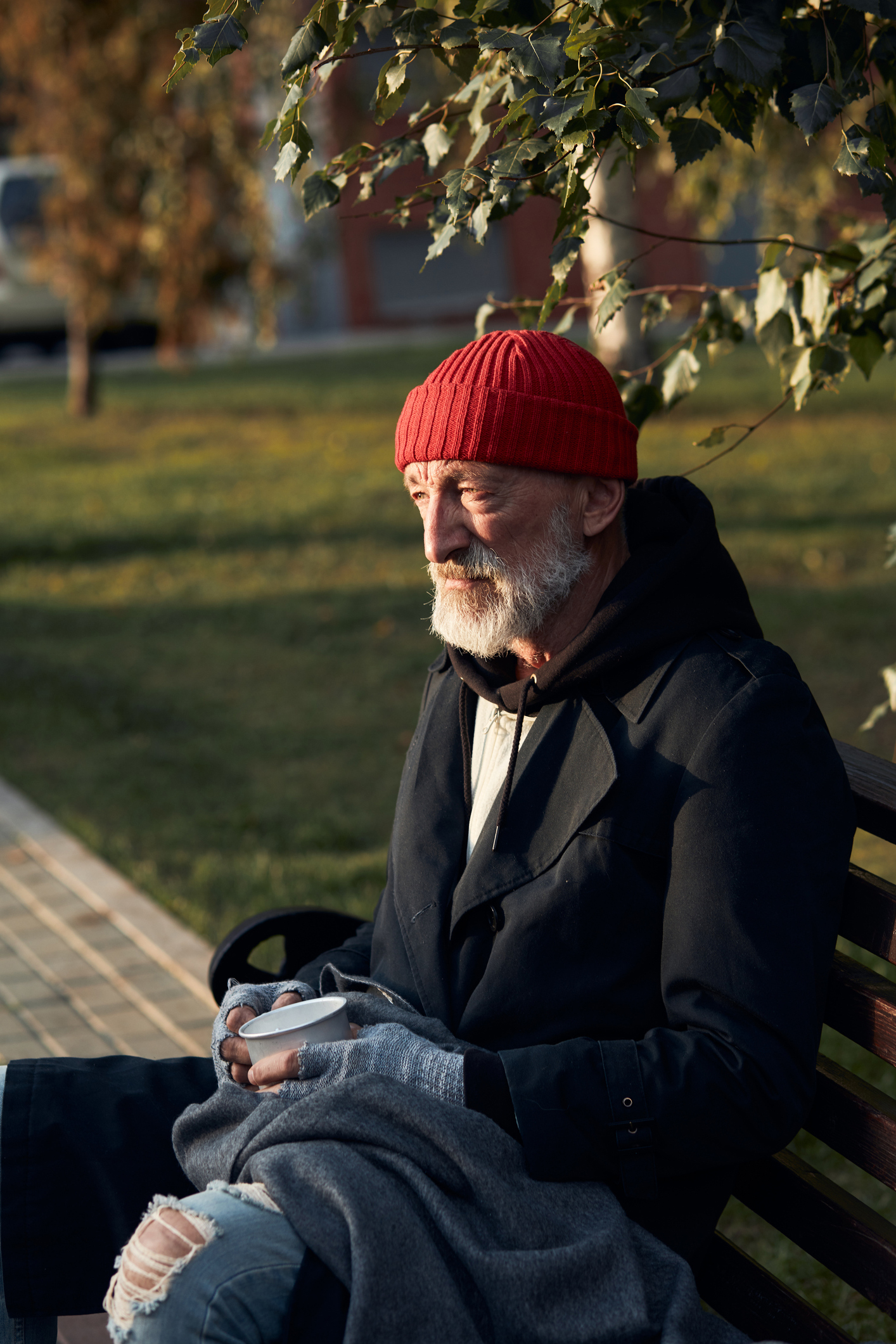
Studies consistently show that older migrants experience higher levels of loneliness compared to their non-migrant peers. Although the literature has identified several possible underlying causes, the complexity and diversity within and between migrant groups remain poorly understood. Additionally, the role of taboo surrounding loneliness, which is likely more pronounced among older migrants, has received little attention.
The PROMISE project – Prominent Reduction of loneliness among Older Migrants through Interventions and Social Engagement – is funded by the Netherlands Organization for Scientific Research (NWO) and aims to pioneer groundbreaking scientific insights into the taboo of loneliness and its diverse manifestations among older migrants of non-European origin (promiseproject.nl). Through collaborative efforts with community stakeholders and experts by experience, PROMISE seeks to (further) develop and evaluate practical tools and guidelines tailored to effectively alleviate loneliness among older migrants.
This presentation will start with an overview of the multiple factors that may contribute to older migrants’ increased risk of loneliness, distinguishing their higher exposure to general risk factors, migrant-specific risk factors, and cultural factors. The discussion will then address the reasons why many lonely older migrants are still insufficiently reached and served by existing initiatives, and how the PROMISE project aims to help improve this through innovative research and practical tools. Key topics include the taboo surrounding loneliness and the role children and the community can play in breaking it, the difficulties professionals face in initiating conversations with older migrants, and the mismatch of existing loneliness interventions and the needs of older migrants.
Speaker
Prof. Dr. C.M. (Tineke) Fokkema
Erasmus School of Social and Behavioural Sciences (ESSB) – Erasmus University Rotterdam
Netherlands Interdisciplinary Demographic Institute (NIDI-KNAW)/University of Groningen