

 Faculty of Science, Technology and Medicine
 Faculty of Law, Economics and Finance
 Faculty of Humanities, Education and Social Sciences
 Interdisciplinary Centre for Security, Reliability and Trust
 Luxembourg Centre for Systems Biomedicine
 Luxembourg Centre for Contemporary and Digital History
 Luxembourg Centre for European Law
 Luxembourg Centre for Socio-Environmental Systems
Keynote speakers
Mental health
Nelli Hankonen
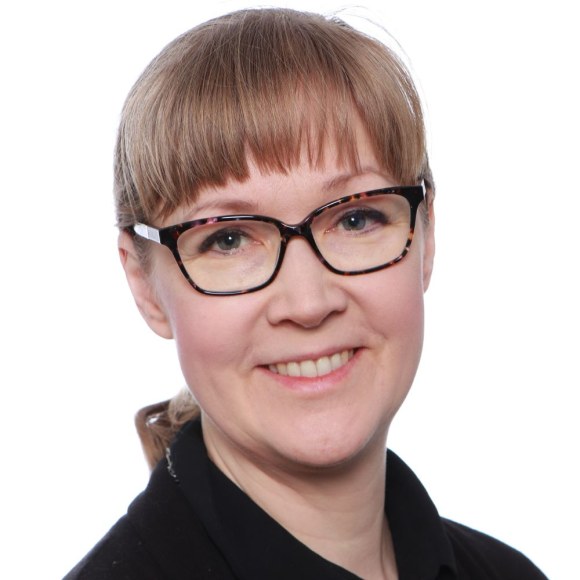
Tampere University, Finland
Prof. Dr. Nelli Hankonen is Professor of Social Psychology at Tampere University. Her research focuses on motivational processes, self-regulation, and the implementation of behaviour change interventions in real-world settings. She designs and evaluates interventions aimed at improving health behaviours, such as physical activity and mindfulness practice, using theory-based and participatory methods. Recently, she has investigated the use of behaviour change science to support practitioners’ uptake of motivating interaction styles (e.g. motivational interviewing). She also works in implementation science and contributes to national working groups and international consortia on evidence-based health promotion.
Keywords: Mental Health; Health-related behavior change; focus on physical activity
Silvia Schneider
Prof. Dr. Silvia Schneider is Professor of Clinical Child and Adolescent Psychology at Ruhr University Bochum and Director of the Research & Treatment Center for Mental Health. She also coordinates the Bochum–Marburg site of the German Center for Mental Health (DZPG). Her research focuses on the aetiology, prevention, and treatment of emotional disorders in youth, including family transmission and diagnostic methods. She leads intervention studies and digital mental health programmes in clinical and school settings. Prof. Schneider has gained recognition for her contributions, receiving the 2025 German Psychology Award and the 2024 Diotima Honorary Award for advancing evidence-based child and adolescent psychotherapy.
Keywords: Clinical Child & Adolescent Psychology, Emotional Disorders; Mental Health
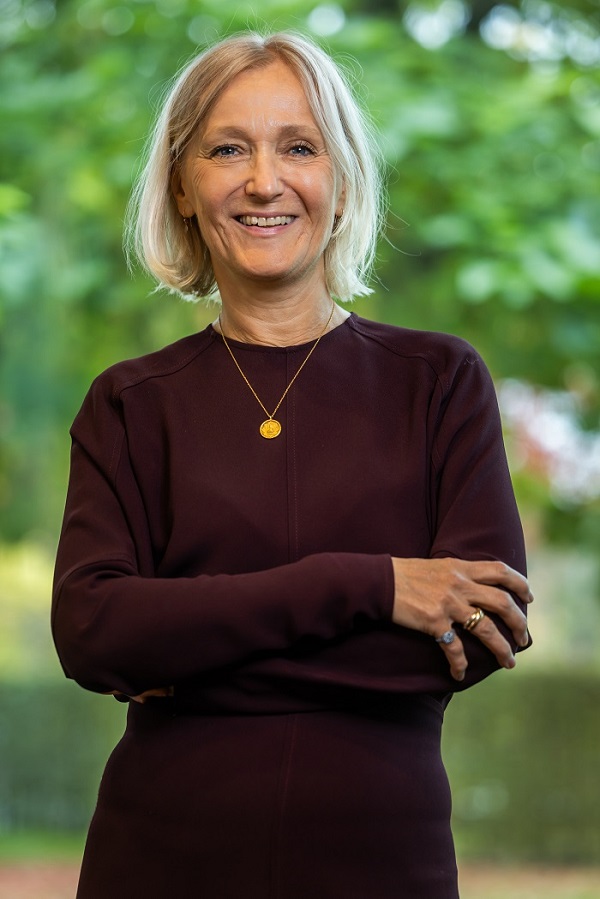
Ruhr University Bochum, Germany
Andrew Ryder
Prof. Dr. Andrew G. Ryder is Professor of Psychology at Concordia University in Montréal, where he directs the Culture, Health, and Personality Lab, and is also an affiliated researcher with the Culture and Mental Health Research Unit at the Jewish General Hospital. His research examines: (1) how culture shapes symptom presentation of emotional disorders, especially in East Asia; (2) acculturation and adaptation of migrants; (3) mental health beliefs held in different cultural communities; and (4) best practices for evidence-based psychological interventions in transcultural settings. He is also taking part in collaborative conceptual work to develop the field of cultural-clinical psychology.
Keywords: Cultural-Clinical Psychology, Depression and Anxiety, Acculturation

Concordia University, Canada
Digital Transformation and Artificial Intelligence
Yvonne Rogers

University College London, England
Prof. Dr. Yvonne Rogers is Professor of Interaction Design at UCL and directs the UCL Interaction Centre. Her research focuses on how interactive technologies support learning, cognition, and everyday life, with emphasis on ubiquitous computing and external cognition. She has led large-scale projects such as the Equator Project and the Intel Collaborative Research Institute for Sustainable Cities. She is co-author of the textbook Interaction Design: Beyond Human–Computer Interaction and has received the Royal Society’s Milner Award for contributions to computer science.
Keywords: Human-centered AI in practice, Human–Computer Interaction, Ubiquitous Computing, Interaction Design
Philipp Lorenz-Spreen
Dr. Philipp Lorenz-Spreen leads the junior research group “Computational Social Science” within the Center Synergy of Systems at TU Dresden. His work examines how self-organised online discourse and platform dynamics shape public opinion and democratic decision making, using experiments, field studies, and large-scale data analysis. He is known for research on the accelerating dynamics of collective attention, including a widely cited Nature Communications study on how information abundance shortens attention to topics. His recent honours include the Association for Psychological Science Rising Star award in 2024 and the Leopoldina Prize for Young Scientists in 2021.
Keywords: Digital Transformation and AI
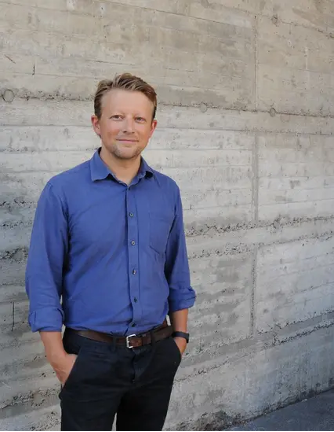
TU Dresden, Germany
Psychology of Sustainable Behaviour
Linda Steg
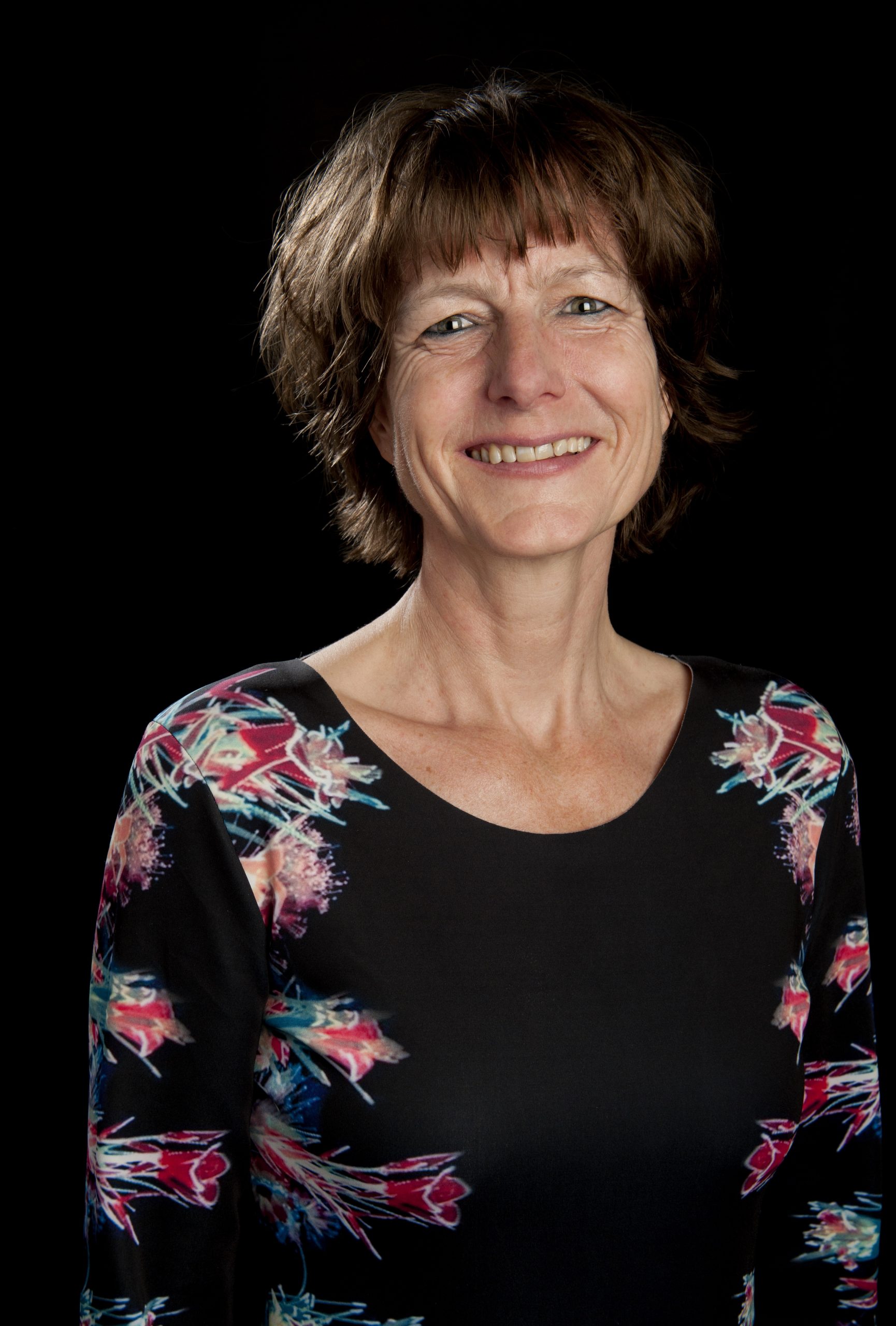
University of Groningen, Netherlands
Prof. Dr. Linda Steg is Professor of Environmental Psychology at the University of Groningen. Her research investigates psychological factors that influence sustainable behaviour, particularly how values, motivation, and context shape energy use and climate-related choices. She contributes to international assessment bodies, including the Intergovernmental Panel on Climate Change (IPCC), and serves on national scientific advisory committees. Her work informs the design of behavioural interventions and environmental policy.
Keywords: Environmental Psychology, Psychology of Sustainable Behaviour
Cornelia Betsch
Prof. Dr. Cornelia Betsch is psychologist and Professor of Health Communication and Director of the Institute for Planetary Health Behaviour at the University of Erfurt. She also leads the Health Communication Working Group at the Bernhard Nocht Institute for Tropical Medicine in Hamburg. Her research focuses on the psychological determinants of health and planetary health-related behaviours, such as readiness for climate action, prudent use of antibiotics, and vaccination behaviour. She leads projects such as the COVID-19 Snapshot Monitoring (COSMO) and the Planetary Health Action Survey (PACE). She advises national and international institutions including the WHO and the German government and is a member of the German Ethics Council. She received the 2021 German Psychology Prize and the 2022 Thuringia Research Award.
Keywords: Health- and climate-friendly behavior; Psychology of Sustainable Behaviour
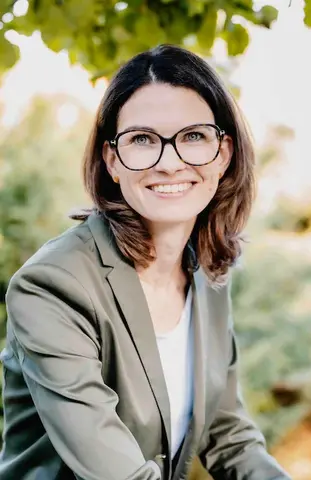
Photo credit: Marco Borggreve
University of Erfurt, Germany
Stephan Lewandowsky
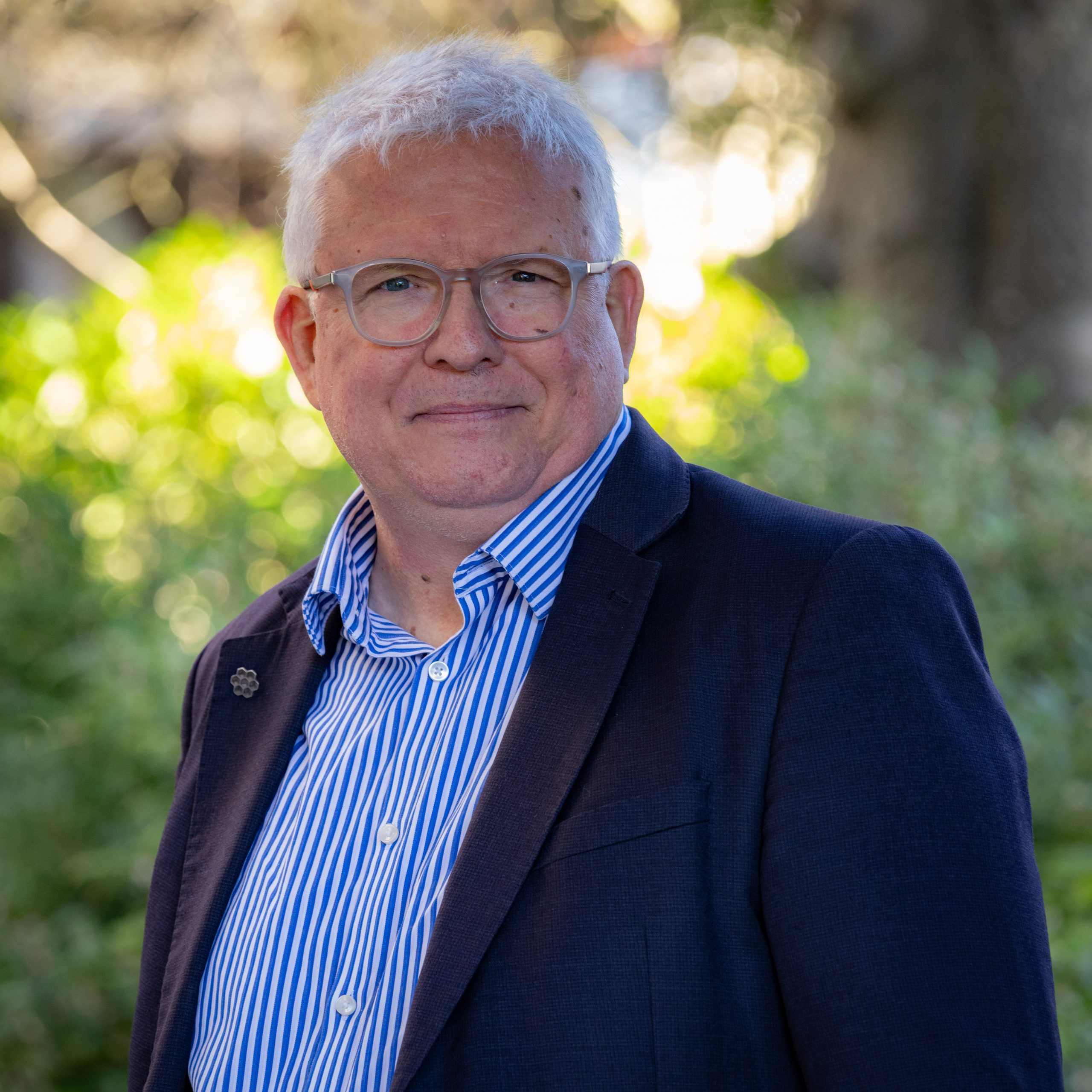
University of Bristol, England
Prof. Dr. Stephan Lewandowsky is Chair in Cognitive Science at the University of Bristol. His research examines how online information architectures interact with human cognition and the implications for democratic societies. He studies the persistence of misinformation and conspiracy theories, the role of platform algorithms, and factors that shape acceptance of scientific evidence, for example on vaccination and climate science. He is a Fellow of the Academy of Social Sciences and the Association for Psychological Science, a member of the German National Academy of Sciences Leopoldina, and the recipient of a Royal Society Wolfson Research Merit Fellowship, an ARC Discovery Outstanding Researcher Award, and a Humboldt Research Award. He was identified as a Clarivate Highly Cited Researcher in 2022, 2023, 2024, and 2025, and he has advised European policy makers, including as first author of the 2020 Technology and Democracy report.
Keywords: Cognitive Science, Misinformation, propaganda, fact rejection, online information system and democracy
Gerhard Reese
Gerhard Reese is Associate Professor for Climate Change at Te Herenga Waka, Victoria University of Wellington. His research examines psychological mechanisms that enable or hinder sustainable behavior in individuals and groups, with a focus on social identity and systemic processes, nature and well-being and engagement with climate policy. He co-developed the Social Identity Model of Pro-Environmental Action and uses experimental and survey methods to inform evidence-based climate communication. He previously served as Professor of Environmental Psychology at RPTU Kaiserslautern-Landau and obtained his PhD in Psychology from the University of Jena following a Master’s degree at the University of Kent.
Keywords: Environmental psychology, social identity, pro-environmental action, climate, nature and well-being
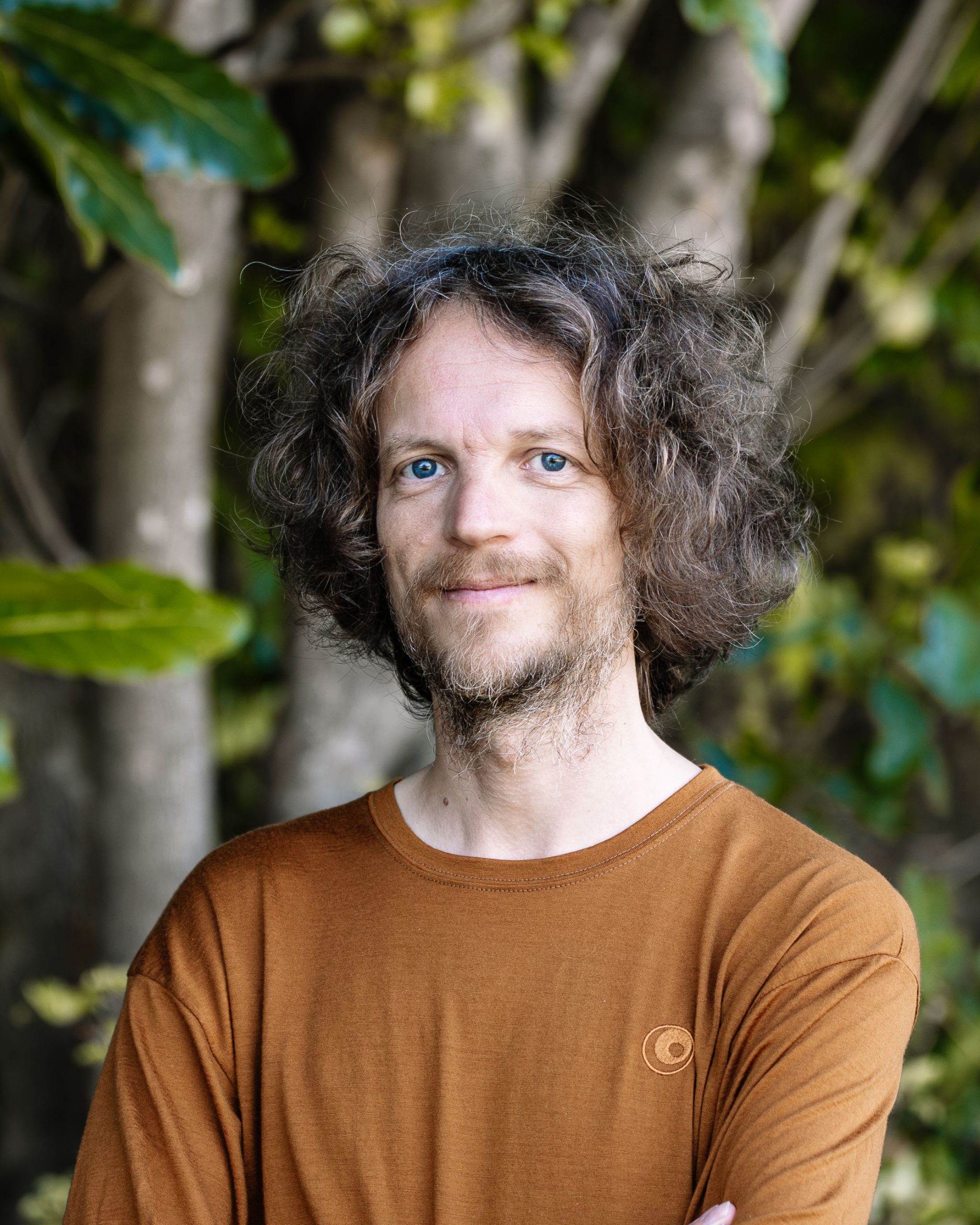
School of Geography, Environment and Earth Sciences, Te Herenga Waka, Victoria University of Wellington, New Zealand
Open
Christine Schiltz
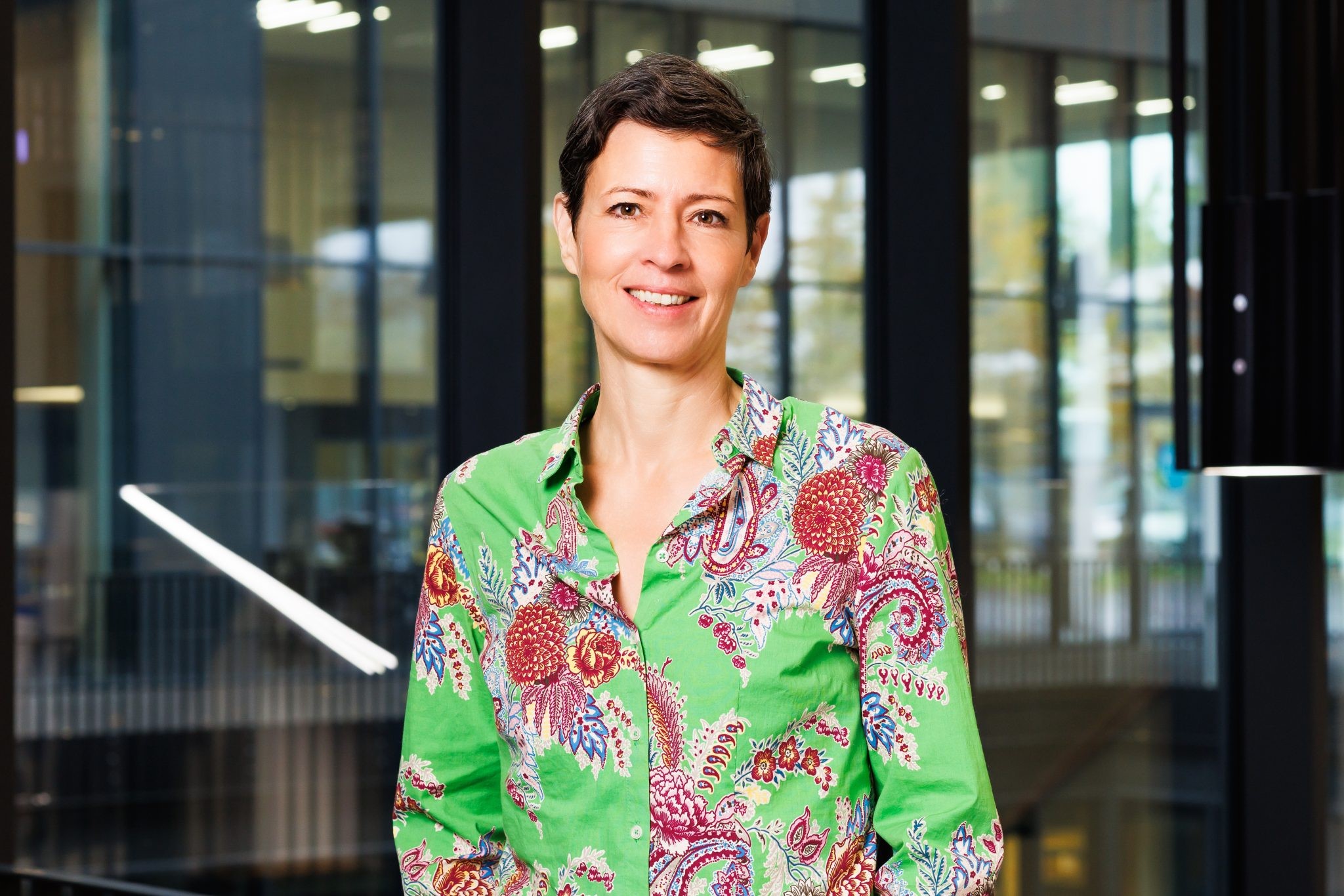
University of Luxembourg, Luxembourg
Prof. Dr. Christine Schiltz is Professor of Cognitive Neuroscience at the University of Luxembourg. Her research examines the development of numerical and literacy skills in multilingual and diverse learning contexts. She uses behavioural methods and neuroimaging to study typical and atypical cognitive development, including dyscalculia. She leads the Cognitive Neuroscience research group and contributes to interdisciplinary projects on learning, brain function, and education.
Keywords: Cognitive psychology, Numerical Cognition, Multilingualism, Brain Development
Marten Marsmann
Dr. Maarten Marsman is Assistant Professor at the Psychological Methods Unit at the University of Amsterdam and leads the Bayesian Graphical Modeling Lab. His research integrates Bayesian methods with psychometric theory, focusing on the modelling of discrete psychological data and uncertainty quantification. He also develops statistical software, including contributions to the open-source package JASP, to promote transparent and reproducible analysis in psychology.
Keywords: Bayesian Graphical Modelling, Psychometrics
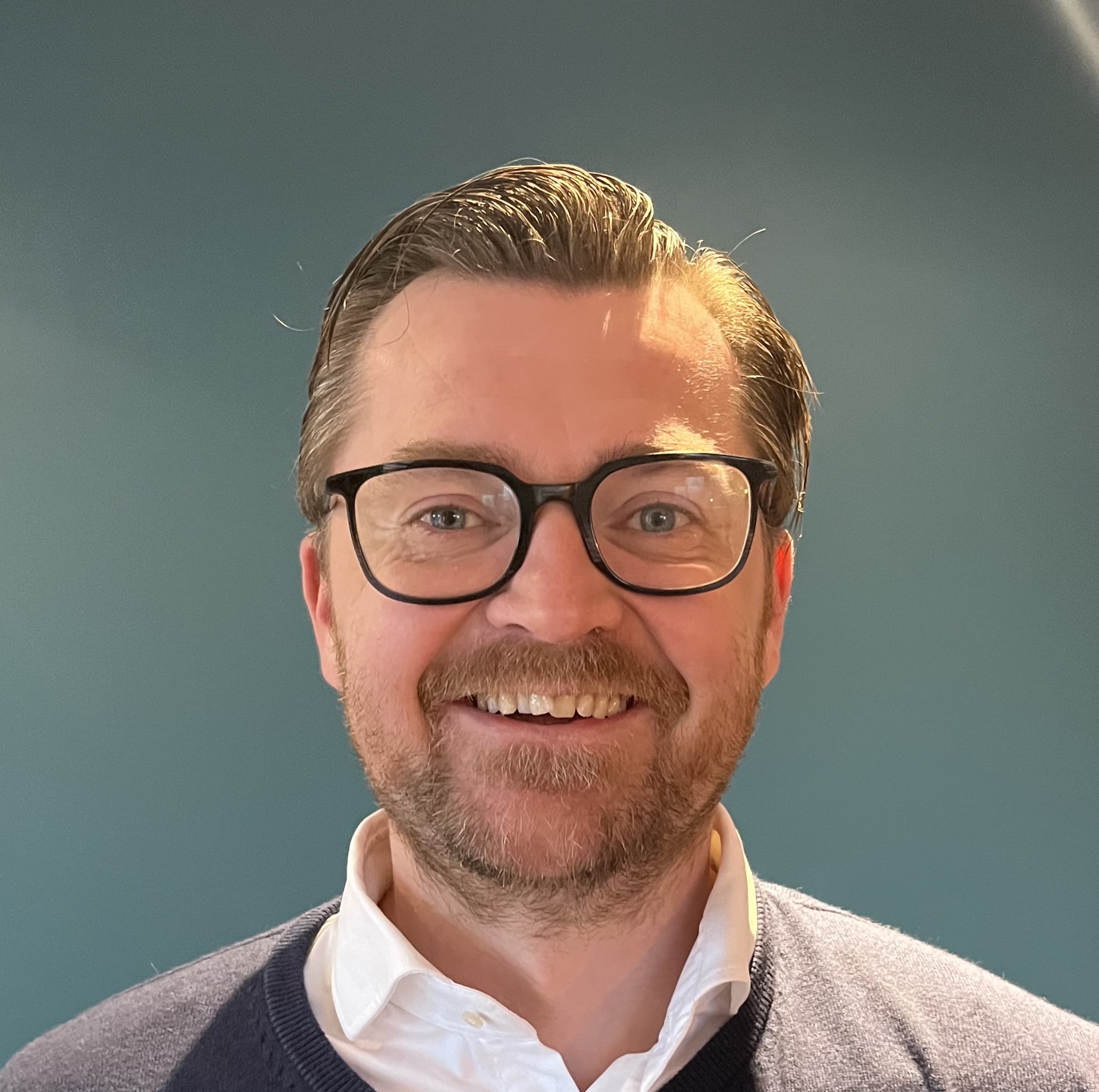
University of Amsterdam, Netherlands
Ruth Feldman

Reichman University (IDC Herzliya), Israel
Ruth Feldman, PhD is the Simms-Mann professor and director of Center of Developmental, Social, and Relationship Neuroscience at Reichman University, Israel, with joint appointments at Yale University Child Study Center and University College London. Her empirical research and theoretical models focus on the neurobiology of attachments, biobehavioral synchrony, and the biology of resilience. Her studies on oxytocin, the parental brain, and inter-brain synchrony are widely publicized and impacted social policy. In several birth-to-adulthood studies she mapped the effects of premature birth, maternal depression, and chronic trauma on brain and behavior and the effects of touch-based interventions. Her observational tools for assessing social interactions are used in 34 countries. Dr. Feldman was named highly-cited researcher, World Expert in parenting research, and Leader in Psychology. She received the Graven’s Award, Society of Reproductive and Infant Psychology Award, and the EMET prize (2020), Israel’s highest prize in arts and sciences.
Keywords: Developmental Social Neuroscience, Biobehavioral Synchrony, Parent–Child Bonding