
 Faculty of Science, Technology and Medicine
 Faculty of Law, Economics and Finance
 Faculty of Humanities, Education and Social Sciences
 Interdisciplinary Centre for Security, Reliability and Trust
 Luxembourg Centre for Systems Biomedicine
 Luxembourg Centre for Contemporary and Digital History
 Luxembourg Centre for European Law
 Luxembourg Centre for Socio-Environmental Systems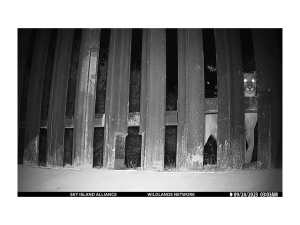
The US–Mexico borderlands are often discussed through the lenses of security, migration, and geopolitics. Far less visible, yet equally profound, are the ecological consequences unfolding across this vast region. Stretching over 3,200 kilometres from the Pacific Ocean to the Gulf of Mexico, the borderlands form one of North America’s most biologically diverse landscapes. Deserts, wetlands, mountain ranges, and river systems intersect here, supporting wildlife and human communities on both sides of the border.
Over the past two decades, the rapid expansion of border wall infrastructure has fundamentally reshaped this landscape. While designed to control human movement, physical barriers have also altered ecological processes that depend on openness, mobility, and connectivity. Recent research highlights how these changes are affecting wildlife movement and water systems across the borderlands, often with long-term and irreversible consequences.
A fragmented landscape
Many animal species in the borderlands rely on wide-ranging movement to survive. In arid and semi-arid environments, access to water, seasonal forage, and breeding areas often requires crossing large distances. The construction of steel bollard-style walls has increasingly disrupted these patterns.
Field studies using motion-activated wildlife cameras along the Arizona–Sonora border reveal a stark contrast between different types of infrastructure. While low vehicle barriers still allow most animals to pass, tall steel walls function as near-total barriers for many terrestrial species. Large mammals such as deer, black bears, and mountain lions are frequently observed approaching the wall, pacing along it, and eventually retreating without finding a crossing point. These repeated failed attempts reflect stress, confusion, and the loss of historic movement routes.
For species already living at low population densities, this loss of connectivity can be critical. Jaguars, ocelots, and Mexican gray wolves depend on cross-border movement to maintain genetic diversity and viable populations. As walls divide habitats into isolated fragments, the risk of local extinctions increases through long-term losses in population resilience and ecological adaptability.
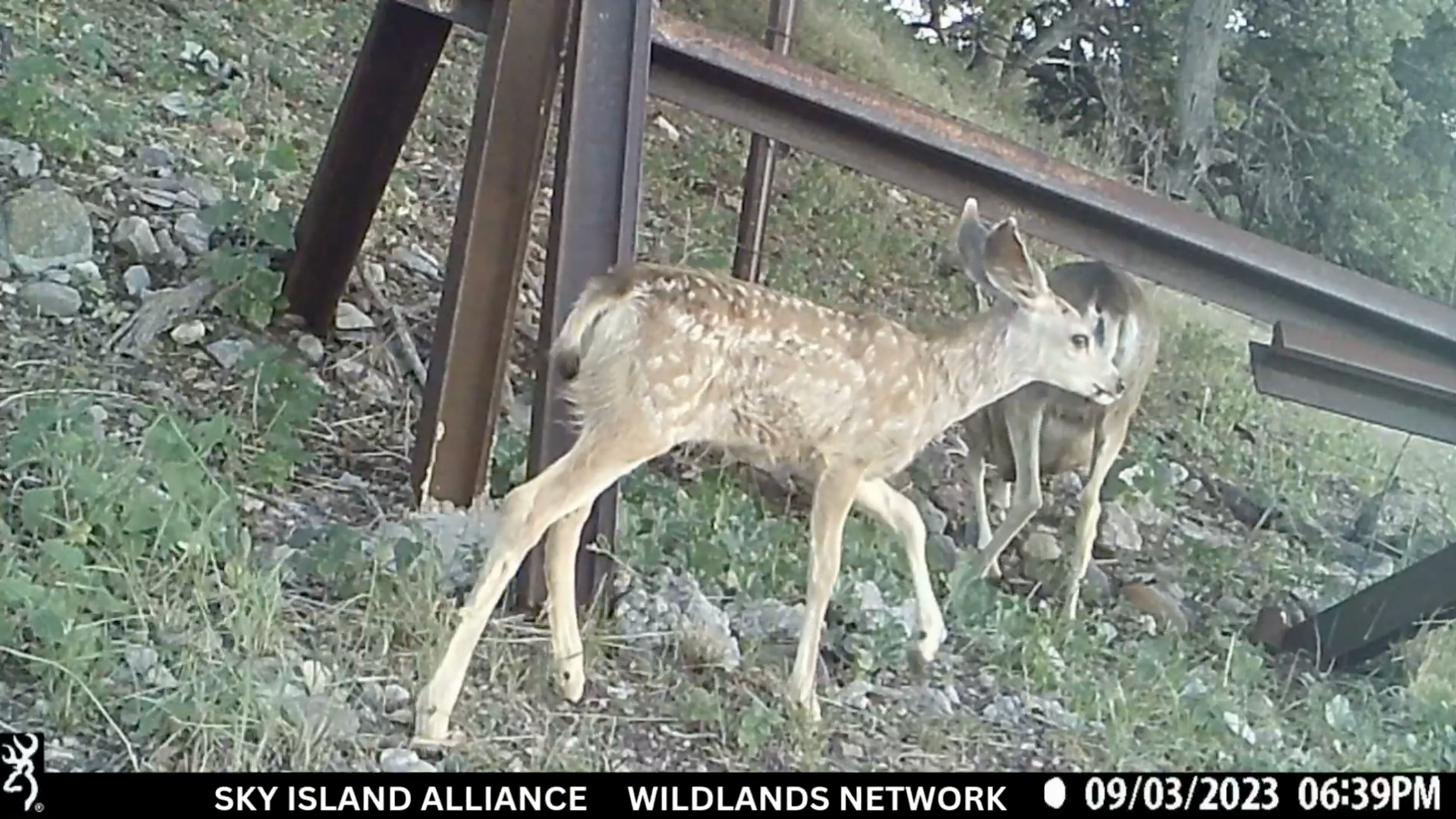
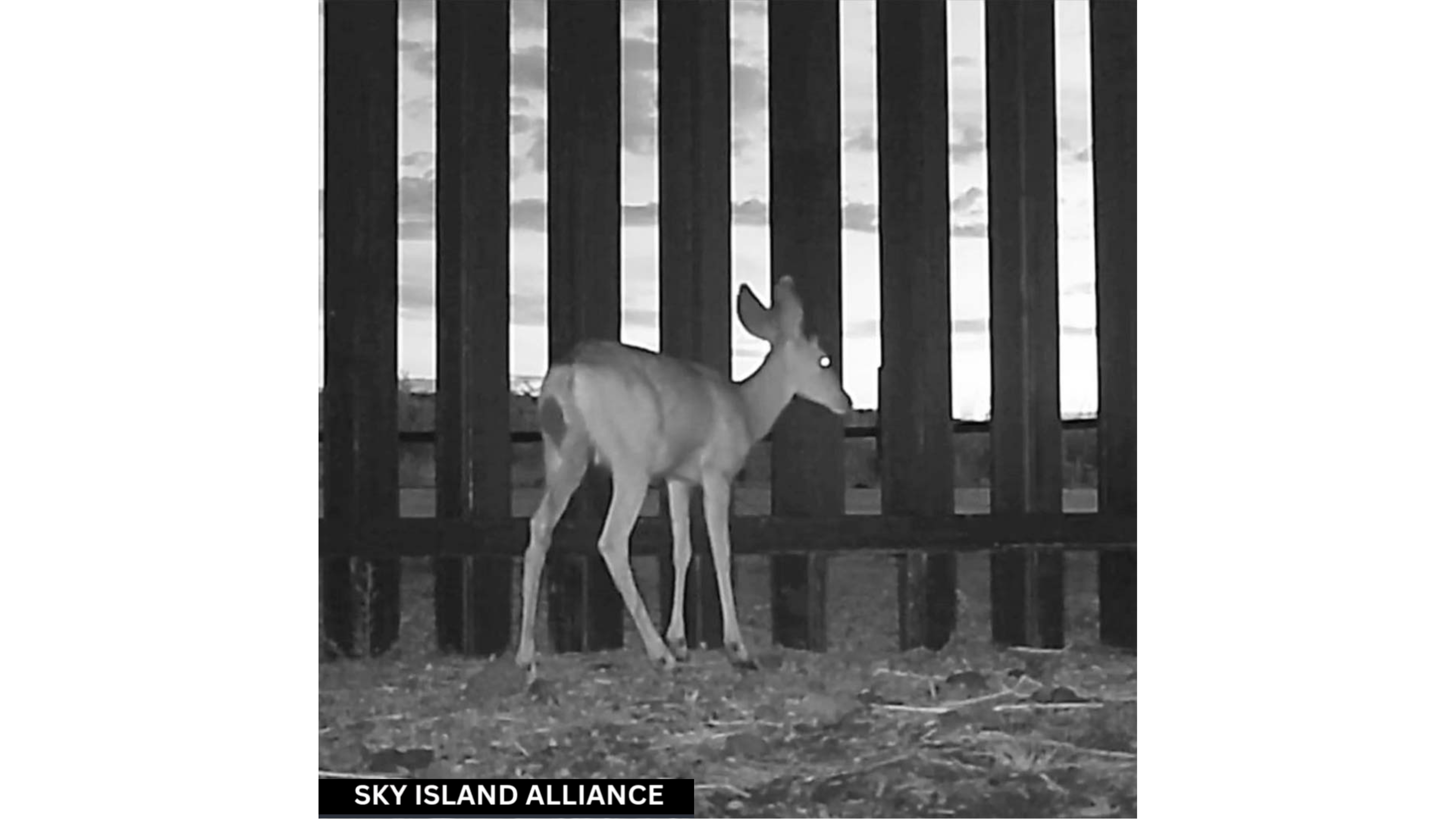
On the left, you can see a vehicle barrier, and on the right, you see bollard-style walls. (Source: skyislandalliance.org)
Conservation hotspots under pressure
The ecological stakes are particularly high because much of the borderlands’ biodiversity is concentrated in protected areas. Within roughly 80 kilometres of the border, approximately 4.5 million hectares of protected land, including areas such as Organ Pipe Cactus National Monument and San Bernardino National Wildlife Refuge in Arizona, Big Bend National Park in Texas, and the Lower Rio Grande Valley National Wildlife Refuge, have been established through decades of binational conservation cooperation. These areas were designed to function as interconnected ecological systems rather than isolated reserves.
In several locations, border infrastructure cuts directly through or alongside these conservation hotspots. Wildlife refuges that once served as ecological bridges are now divided, reducing their effectiveness and undermining long-standing conservation investments. In regions where more than 90 percent of native habitat has already been lost to development, further fragmentation places remaining ecosystems under extreme strain.
Water systems at risk
Wildlife movement is only one part of the story. Water, already scarce in much of the borderlands, is another critical system affected by border wall construction. Rivers, springs, and underground aquifers do not follow political boundaries, yet infrastructure often disrupts their natural functioning.
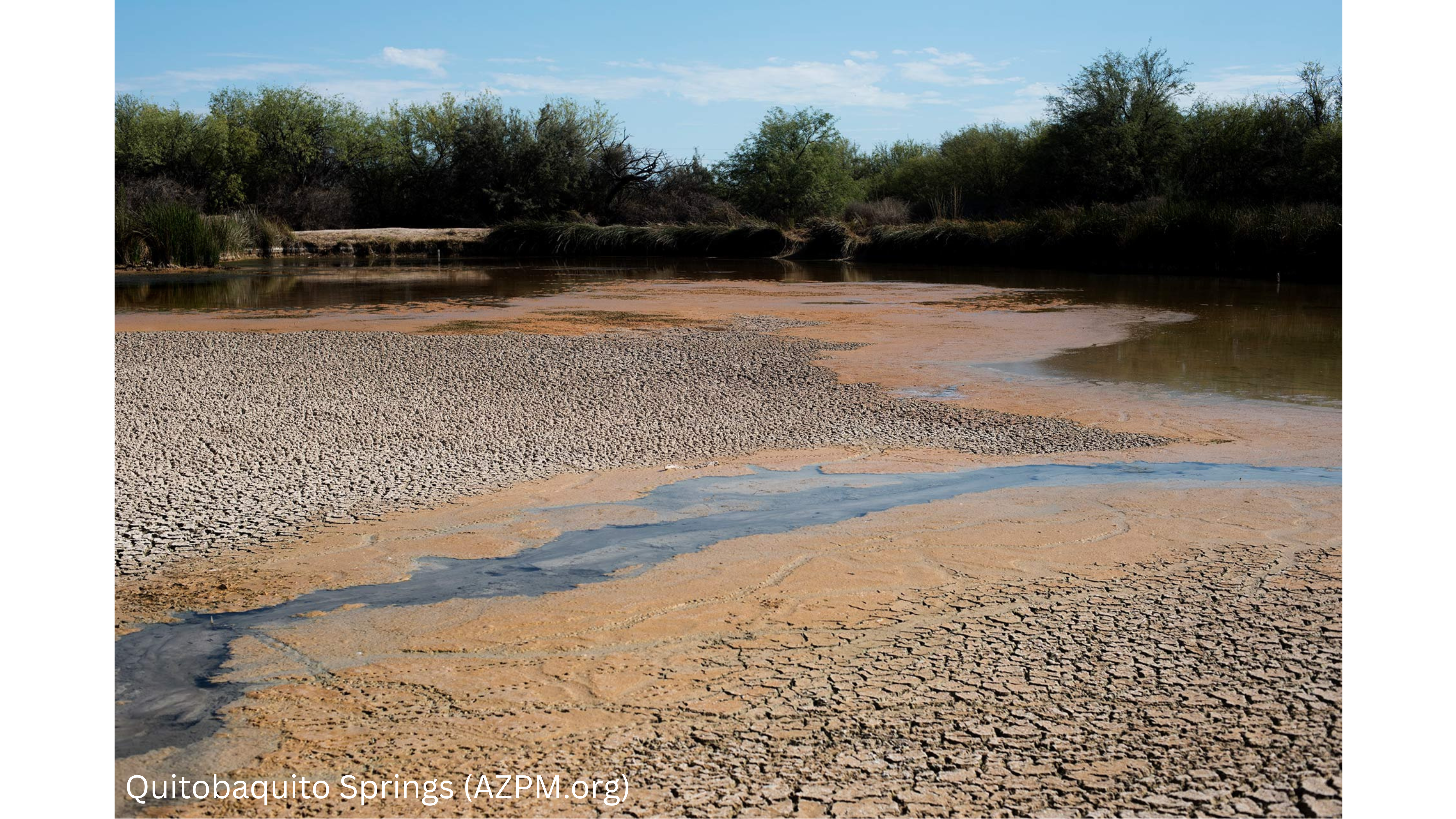
In desert environments, groundwater is particularly vulnerable. Border wall construction requires large volumes of water, primarily for concrete foundations. In several documented cases, groundwater pumping for construction has lowered water tables near sensitive ecosystems; for example, groundwater extraction near Quitobaquito Springs in Organ Pipe Cactus National Monument significantly reduced spring flow during border wall construction. Springs that have sustained wildlife, vegetation, and Indigenous communities for thousands of years have experienced dramatic declines in water levels during construction periods.
Surface water systems face similar pressures. Physical barriers can interfere with natural drainage during heavy rainfall, increasing flood risks on one side of the wall while depriving downstream areas of water. Along the Rio Grande, which supplies water to millions of people and supports agriculture across the region, existing water scarcity is compounded by governance challenges, drought, and infrastructure-related disruptions.
Interconnected impacts
What makes these challenges especially severe is the way they interact. Wildlife and water systems are deeply connected: animals need reliable access to water, and ecosystems depend on animal movement to maintain processes such as seed dispersal and nutrient cycling. When barriers simultaneously block wildlife corridors and degrade water sources, the combined impact is greater than either effect alone.
Climate change further intensifies these pressures. Rising temperatures, prolonged droughts, and increasingly unpredictable rainfall patterns are expected to reshape ecosystems across the borderlands. Under these conditions, ecological resilience depends on flexibility and movement, the very processes that walls restrict. Species unable to move in response to shifting conditions face heightened risks of decline.
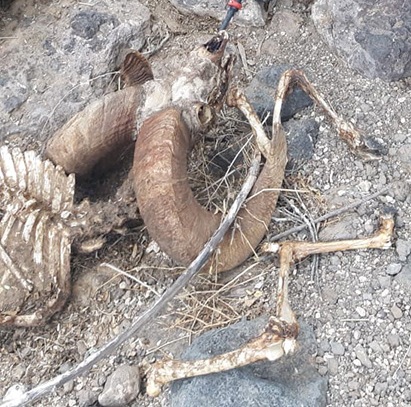
Figure: Remains of a bighorn sheep believed to have died due to water scarcity, in the Mexican Sonoran Desert.
Source: knowablemagazin.org
Rethinking border infrastructure
Efforts to mitigate environmental damage along the U.S.–Mexico border have so far focused on small-scale measures, such as limited wildlife passages incorporated into sections of the wall. While these openings can facilitate movement for some medium-sized species, they remain too few and too constrained to restore connectivity at the landscape scale, effectively excluding large mammals. This illustrates a broader problem of limited ecological planning in the design of border infrastructure.
Similar challenges have appeared before in other types of infrastructure. Road construction, for example, historically fragmented wildlife habitats and disrupted animal movement. Over time, however, research in road ecology, the study of how transport infrastructure affects wildlife and ecosystems, has led to practical solutions such as wildlife crossings. In many regions these measures have significantly improved connectivity and reduced wildlife–vehicle collisions by up to 80 percent. This experience shows how scientific progress can transform infrastructure from a source of ecological disruption into an opportunity for more wildlife-friendly design.
Looking ahead, emerging technologies may also open new possibilities for more flexible border management. As surveillance systems and artificial intelligence continue to advance, it may become possible to design “smart borders” that monitor human movement while allowing wildlife movement across landscapes that have historically functioned as connected ecosystems. Instead of relying solely on continuous physical barriers, future border strategies could combine digital monitoring, targeted infrastructure, and ecological planning to better balance security needs with environmental protection.
The U.S.–Mexico borderlands demonstrate a simple but important reality: ecosystems do not stop at political boundaries. Decisions about infrastructure in border regions therefore shape not only migration and security, but also biodiversity, water systems, and the long-term resilience of landscapes shared by both countries.
References:
Harrity, E. J., Traphagen, M., Bethel, M., Facka, A. N., Dax, M., & Burns, E. (2024). USA-Mexico border wall impedes wildlife movement. Frontiers in Ecology and Evolution, 12, Article 1487911. https://doi.org/10.3389/fevo.2024.1487911
Peters, R., Ripple, W. J., Wolf, C., Moskwik, M., Carreón-Arroyo, G., Ceballos, G., Córdova, A., Dirzo, R., Ehrlich, P. R., Flesch, A. D., List, R., Lovejoy, T. E., Noss, R. F., Pacheco, J., Sarukhán, J. K., Soulé, M. E., Wilson, E. O., & Miller, J. R. B. (2018). Nature divided, scientists united: US-Mexico border wall threatens biodiversity and binational conservation. BioScience, 68(10), 740–743. https://doi.org/10.1093/biosci/biy063
Sanchez, R., & Eckstein, G. (2020). Groundwater management in the borderlands of Mexico and Texas: The beauty of the unknown, the negligence of the present, and the way forward. Water Resources Research, 56(9), e2020WR027053. Groundwater Management in the Borderlands of Mexico and Texas: The Beauty of the Unknown, the Negligence of the Present, and the Way Forward – Sanchez – 2020 – Water Resources Research – Wiley Online Library
The Border Wall Has Been ‘Absolutely Devastating’ for People and Wildlife | Audubon
https://azpm.org/s/78891-scientists-border-wall-construction-wreaking-havoc-at-quitobaquito-springs/
Can U.S and Mexico Secure Water Supplies in Shrinking Rio Grande? – Circle of Blue
2022-DoW-Border-Wall-Handout.pdf
Wildlife Crossings Program | FHWA
The impact of the US -Mexico border wall on biodiversity | Knowable Magazine
As Work Begins on Trump’s Border Wall, a Key Wildlife Refuge Is at Risk – Yale E360