
 Faculty of Science, Technology and Medicine
 Faculty of Law, Economics and Finance
 Faculty of Humanities, Education and Social Sciences
 Interdisciplinary Centre for Security, Reliability and Trust
 Luxembourg Centre for Systems Biomedicine
 Luxembourg Centre for Contemporary and Digital History
 Luxembourg Centre for European Law
 Luxembourg Centre for Socio-Environmental Systems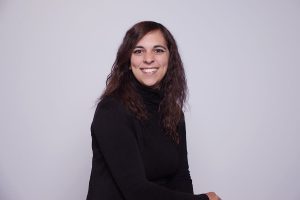
PhD in History in Luxembourg: Interview with Sarah Maya Vercruysse
Now a postdoctoral researcher in the History and Migrations Chair at the University of Luxembourg, Sarah Maya Vercruysse looks back on her journey as a doctoral candidate in History at the Luxembourg Centre for Contemporary and Digital History (C²DH), tracing the years from 2020 to early 2025 that shaped her academic path.
Choosing C²DH for a PhD in History
What motivated you to pursue a PhD at the C²DH?
Pursuing a PhD on the Second World War had been a long‑standing ambition of mine. When I moved back from Vancouver to southern Belgium, I came across a PhD position within the WARLUX project, which focused on Luxembourgish forced conscripts and their local communities during WWII. The topic immediately resonated with me, and the timing felt remarkably right, as if all the pieces were finally falling into place. As an innovative, dynamic and international research centre, I felt that C²DH could provide a stimulating environment where I could continue developing as a researcher.
Can you recall your first days at the C²DH?
Yes, I remember it very well. I arrived in the middle of the COVID‑19 pandemic. Although I worked mostly from home, I still came to the office occasionally to meet colleagues or to visit the library and archives. Even within that unusual context, I have good memories of that period: everything was slower, and the moments shared with the colleagues who were on site became even more meaningful. (The fact that it was a warm summer probably helped too.)
Research challenges and archival hurdles
Your doctoral research focused on the families of Luxembourgish recruits and soldiers during the Nazi occupation (1940–1945). What were the main intellectual, methodological, or emotional challenges you encountered during your PhD?
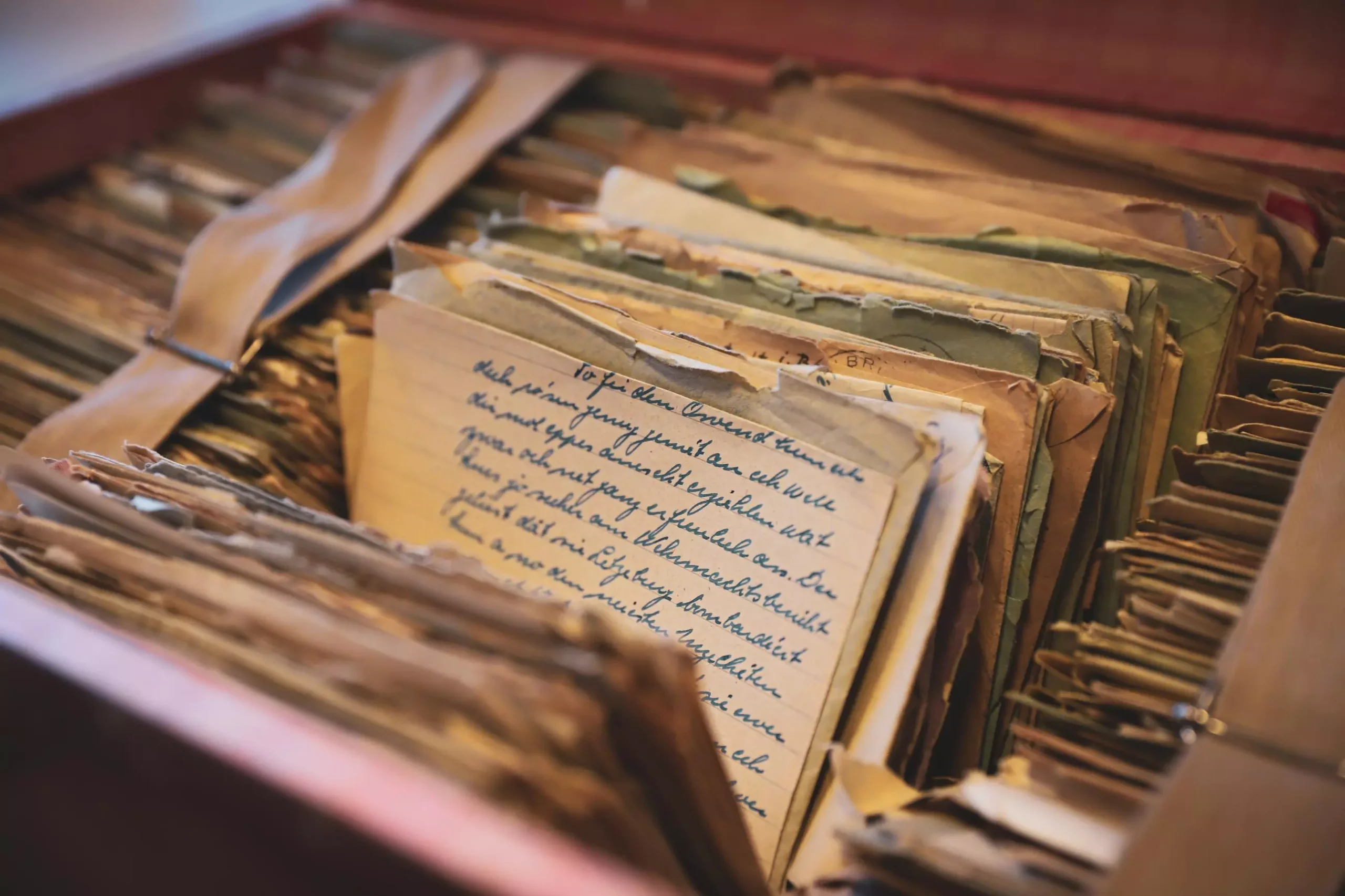
I would say that my PhD journey was a minefield of obstacles, but these challenges ultimately made me more resilient and determined. The greatest difficulty was undoubtedly the inaccessibility of sources in the Luxembourgish archives and the long, complex bureaucratic procedures required to obtain permission to consult them. Initially, this was largely due to the constraints imposed by the COVID-19 pandemic and the time needed to establish data‑conventions with public and private partners (provided they were willing to sign them). However, the most significant obstacle stemmed from the Luxembourg Archival Law of 17 August 2018 and its long protection periods for documents containing personal data, which has led to the continued closure of numerous archives related to the Second World War. For several files I needed, the approval process took more than a year, and in 2023 the national archives began redacting documents to such an extent that they became unusable for research. I lost a lot of valuable time and energy in this process.
Integrating digital history: research tools and methods
Digital history plays a central role at the C²DH. How did you integrate digital history methods and tools into your historical research and source criticism?
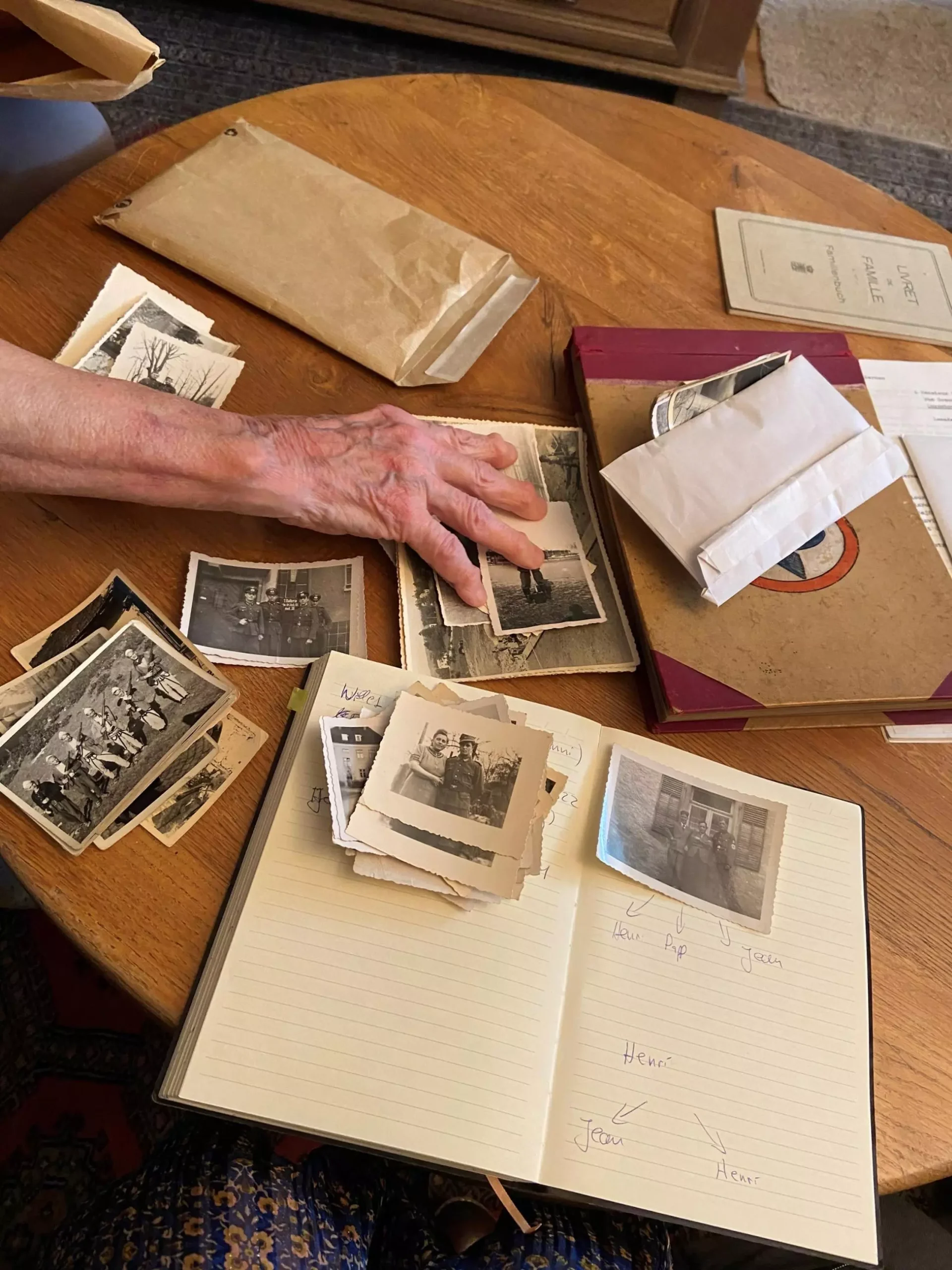
I used digital analysis tools to structure and analyse the data I collected. Within the WARLUX project, for example, my colleagues and I built a relational database in Nodegoat to bring together all the biographical information on our research subjects (cf. Luxembourgish RAD recruits, Wehrmacht soldiers, and their families). The database was designed to reconstruct each individual’s war trajectory in a flexible and detailed way, while also revealing contradictions, ambiguities, and gaps in the sources. This approach enabled me to examine certain families in depth and gain a better understanding of their experiences during the war.
Looking back, what was your best moment at the C²DH?
‟
When I think back, it is not one specific moment that stands out, but rather the everyday interactions and small moments of connection with colleagues: the spontaneous conversations in the hallway, the engaging exchanges at once desk, sharing experiences with fellow PhDs, etc.
Postdoctoral researcher
Some advice for future PhD candidates
What advice would you give to current or future PhD candidates at the C²DH?
At some point in your PhD, you reach a moment where everything feels overwhelming: the long list of things you still want to do, the goals you set for your PhD and yourself, and the limited time you have left. It’s easy to start doubting whether you’ll manage. When that happens, I recommend looking at a drawing of a horse in the Open Space where all the PhDs sit. It starts as a beautifully detailed sketch, almost a picture, and gradually becomes rougher and less refined as it progresses, representing the evolution from the PhD Proposal to the actual PhD Thesis. That drawing helps to put things into perspective and realise that you are not alone with your fears, doubts, and questions. At some point, those before you, your current PhD colleagues, and the PhDs who will come after, ask themselves the same or very similar questions.
To what extent did your time at the Centre open opportunities for an academic career?
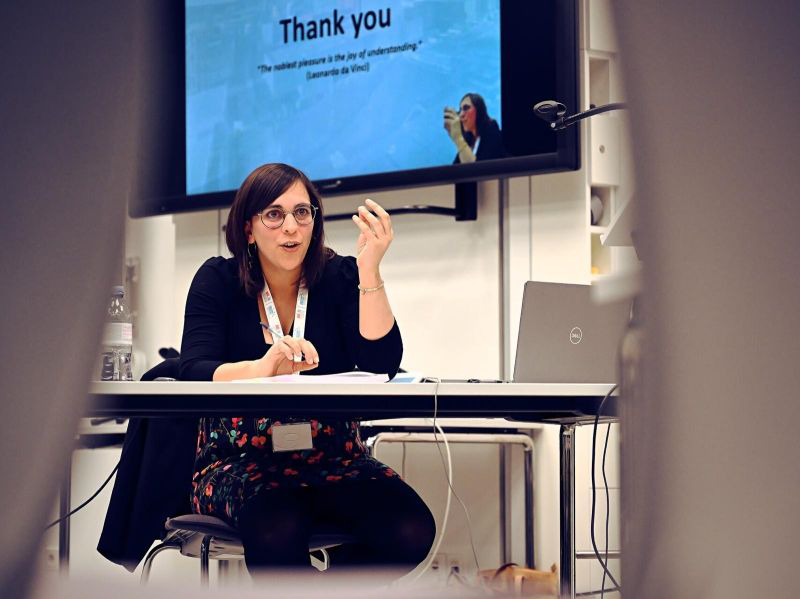
For me, my time at C²DH didn’t only consist of writing my PhD. It gave me the chance to strengthen my methodological skills, learn new digital tools, broaden my knowledge of Luxembourg’s historical and societal context, take part in public outreach activities, connect with researchers abroad and gain practical experience in things like organising conferences, presenting my work before all types of audiences and publishing, to name just a few. Taken together, these experiences provided me with essential skills and helped me grow more confident in my abilities as a researcher. And in that sense, they opened opportunities for my future career.