

 Faculty of Science, Technology and Medicine
 Faculty of Law, Economics and Finance
 Faculty of Humanities, Education and Social Sciences
 Interdisciplinary Centre for Security, Reliability and Trust
 Luxembourg Centre for Systems Biomedicine
 Luxembourg Centre for Contemporary and Digital History
 Luxembourg Centre for European Law
 Luxembourg Centre for Socio-Environmental Systems
Over 700 people came to the convention centre to find out: can you trust AI? They left with a much clearer idea of what that actually means.
The SnT Partnership Day 2026 brought together researchers, industry leaders, policymakers, and public institutions around the theme Building trust in AI. The talks included an opening address from Luxembourg’s Minister for Higher Education and Research, Stephanie Obertin, and a keynote from Guillaume Bour, Vice President EMEA at Mistral AI. All the speakers and hands-on technology demonstrations aimed to energise participants for the work needed to align AI with European values and societal needs.
“Trust is very strongly embedded into our human nature,” said Prof. Yves Le Traon, Director of SnT. “We cannot easily separate the emotional part from the objective part.” Using the comparison of a dog and an AI chatbot, Le Traon highlighted the responsibility users have to remain critical of AI systems, as well as SnT’s commitment to building transparent technologies.

Prof. Yves Le Traon
As algorithms increasingly influence decision making and critical systems, all speakers stressed that trustworthy AI is not only a technical challenge, but also a human one. Building trust, they argued, requires people and institutions to remain capable of understanding, questioning, regulating, and shaping these systems.
Building an ecosystem that supports human agency
In his opening remarks, Prof. Jens Kreisel, Rector of the University of Luxembourg, described Partnership Day as a reflection of Luxembourg’s growing research and innovation ecosystem. He stressed the role that collaboration plays in navigating technological transformation, and how bringing such a diverse range of expertise together is crucial.
“You will see today the powerhouse of research and innovation in the field of digitalisation in Luxembourg,” he said. “You will see the excitement and energy of the researchers of the University and SnT, and you will meet people who are an essential part of an ecosystem.”
Kreisel then welcomed Luxembourg’s Minister for Higher Education and Research, Stephanie Obertin, who framed 2026 as “a year to deliver.”
Looking across the demonstrations and research projects presented during the event, Obertin stressed the importance of ensuring that innovation translates into practical benefits for society.
“We count on SnT to become a national AI champion, a key driver of excellence, collaboration, and impact in artificial intelligence,” she said. “A champion that connects fundamental research with application, builds bridges across institutions, including with public research centres, and operates as an open model both within the university and beyond.”
The discussion around agency and competitiveness continued in remarks from Dr. Carlo Duprel, Head of SnT’s Technology Transfer Office, and moderator of the event. Reflecting on Europe’s innovation landscape, he argued that Europe must improve its ability to move research into practical deployment more quickly and effectively.
“One element that is repeatedly criticised in Europe, and rightfully so in my opinion, is that it is more difficult to transfer public research into commercialisation and innovation,” he said. It needs to be clearer and easier for universities and public research organisations to transfer research results. And this is what we try to do at SnT, transferring the knowledge that we generate into the economy.”
The question was not whether organisations would adopt AI. It was whether they would understand what they were adopting.
-

Luxembourg’s Minister for Higher Education and Research, Stephanie Obertin
-

Guillaume Bour, Vice President EMEA at Mistral AI
-

Keynote Q&A with Dr. Carlo Duprel and Guillaume Bour
-

Prof. Jens Kreisel, Rector of the University of Luxembourg
-

Dr. Carlo Duprel, Head of SnT’s Technology Transfer Office
From AI adoption to AI understanding
Rather than presenting AI as an unstoppable force, many discussions throughout the event focused on the importance of giving organisations and citizens the tools to understand and assess AI systems critically.
This perspective was reflected in one of the event’s key technology demonstrations, the AI Assessment Sandbox Configurator. The configurator is a tool developed by SnT and LIST as part of the Luxembourg AI Factory initiative. The open-source platform, once launched, will allow organisations to create tailored AI testing environments adapted to their own systems, risks, and compliance obligations. Through the sandbox, companies can assess metrics, testing methods, and regulatory requirements in a more transparent and collaborative way.
The aim is not simply to accelerate AI adoption, but to help organisations make informed decisions about how AI systems are deployed and governed. By simplifying what are currently fragmented and highly technical assessment processes, the platform seeks to empower organisations, particularly SMEs, to approach AI deployment with greater confidence and accountability.
This theme also surfaced during the Q&A with Guillaume Bour, Vice President EMEA at Mistral AI, one of Europe’s leading AI companies and a growing strategic partner in Luxembourg. Bour argued that openness and accessibility will play a critical role in ensuring AI remains a technology that societies can collectively shape rather than control being concentrated in the hands of a few actors.
“There are more professional football players than real AI scientists,” he said. “So I think that’s the role of universities — to train those people and make sure that we have the best in Europe.”
Bour explained that Mistral AI’s commitment to open-source models reflects a belief that no single company should dominate access to foundational AI technologies. He also stressed the importance of stronger collaboration between universities, governments, industry, and research institutions to support European AI sovereignty and long-term competitiveness.
The keynote sessions set the stakes. The researchers showed what meeting them actually looks like.
Five takes on what trustworthy AI actually means
Five researchers from SnT delivered flashtalks exploring how AI intersects with ethics, sustainability, autonomy, infrastructure, and human behaviour.
- Dr. Marcello Ceci explored the ethical implications of delegating decisions to AI systems and called for a more responsible and collective approach to governance. “We are the human in the loop of this challenge,” he said. “We need to face it as a rational species, setting short-term goals and competition aside.”
- Lina Maria Amaya, PhD candidate, presented research developed with Redwire Space Europe on autonomous robotic systems for satellite servicing and space sustainability. “The way we are doing in-orbit servicing now is not viable anymore, and it is certainly not scalable,” she explained, describing how AI-powered robotics could help reduce waste and improve long-term sustainability in space operations.
- Prof. Mats Brorsson discussed trustworthy AI deployment through the spin-off InfraTailors, which helps organisations optimise AI infrastructure while maintaining performance and data sovereignty. “We match all possible models with all possible infrastructures to guide clients towards the right strategy for their use case,” he explained.
- Dr. Sune Nielsen demonstrated how drone swarms can learn cooperative behaviours through reinforcement learning and decentralised decision-making. “This leads to a collective AI that is scalable, robust, and adaptable,” he explained, highlighting both the opportunities and responsibilities associated with increasingly autonomous systems.
- Dr. Muriel Larissa Frank examined how generative AI is being used to manipulate emotions and exploit human vulnerability through increasingly sophisticated online scams. “We live in a connected world, yet we have never been so disconnected. We are hungry for connection. We are hungry for relationships. We are hungry for love,” she said. “So we want to develop an AI tool that helps individual users to understand whether they are bound to be scammed.”
-
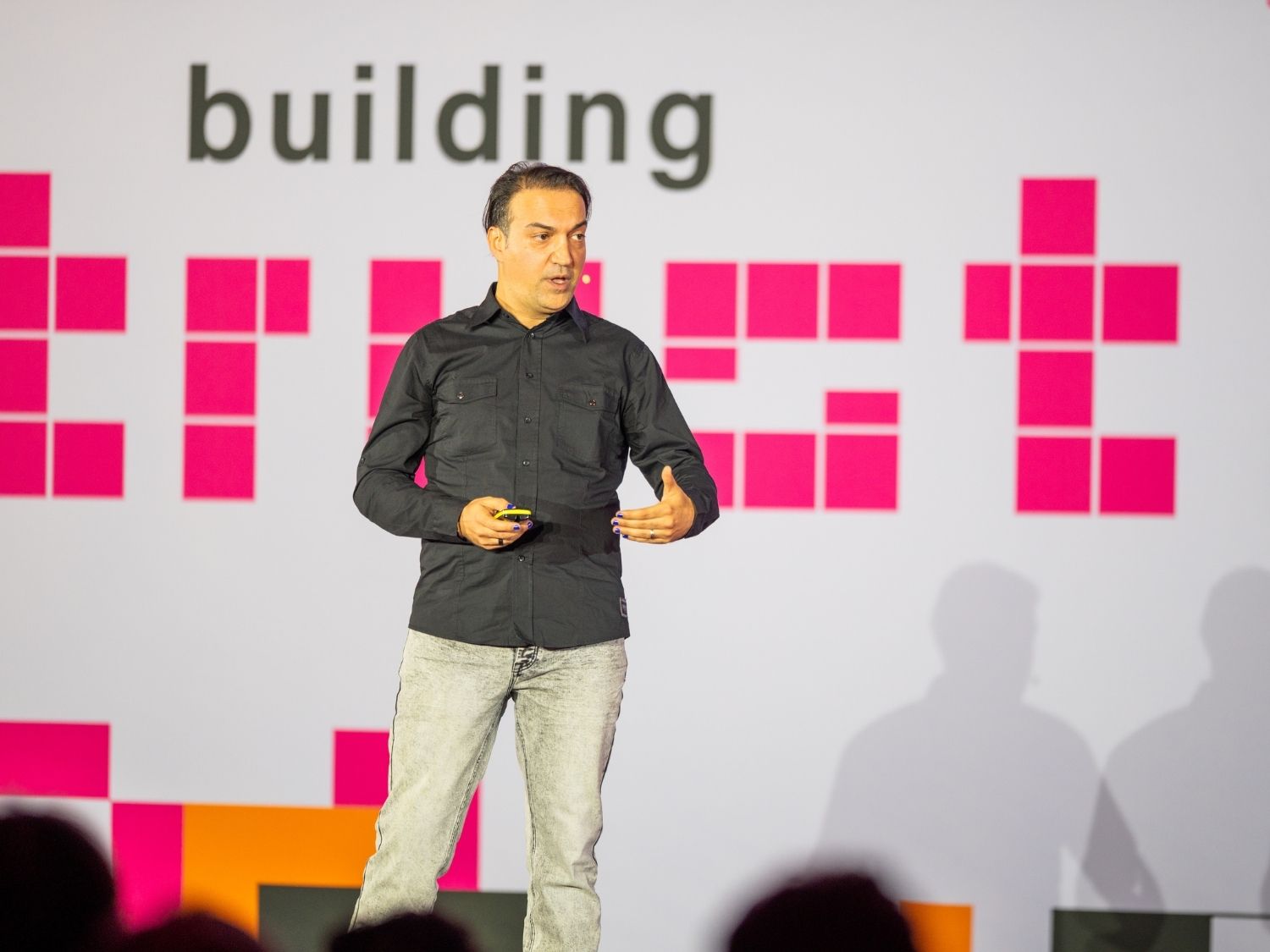
Dr. Marcello Ceci
-
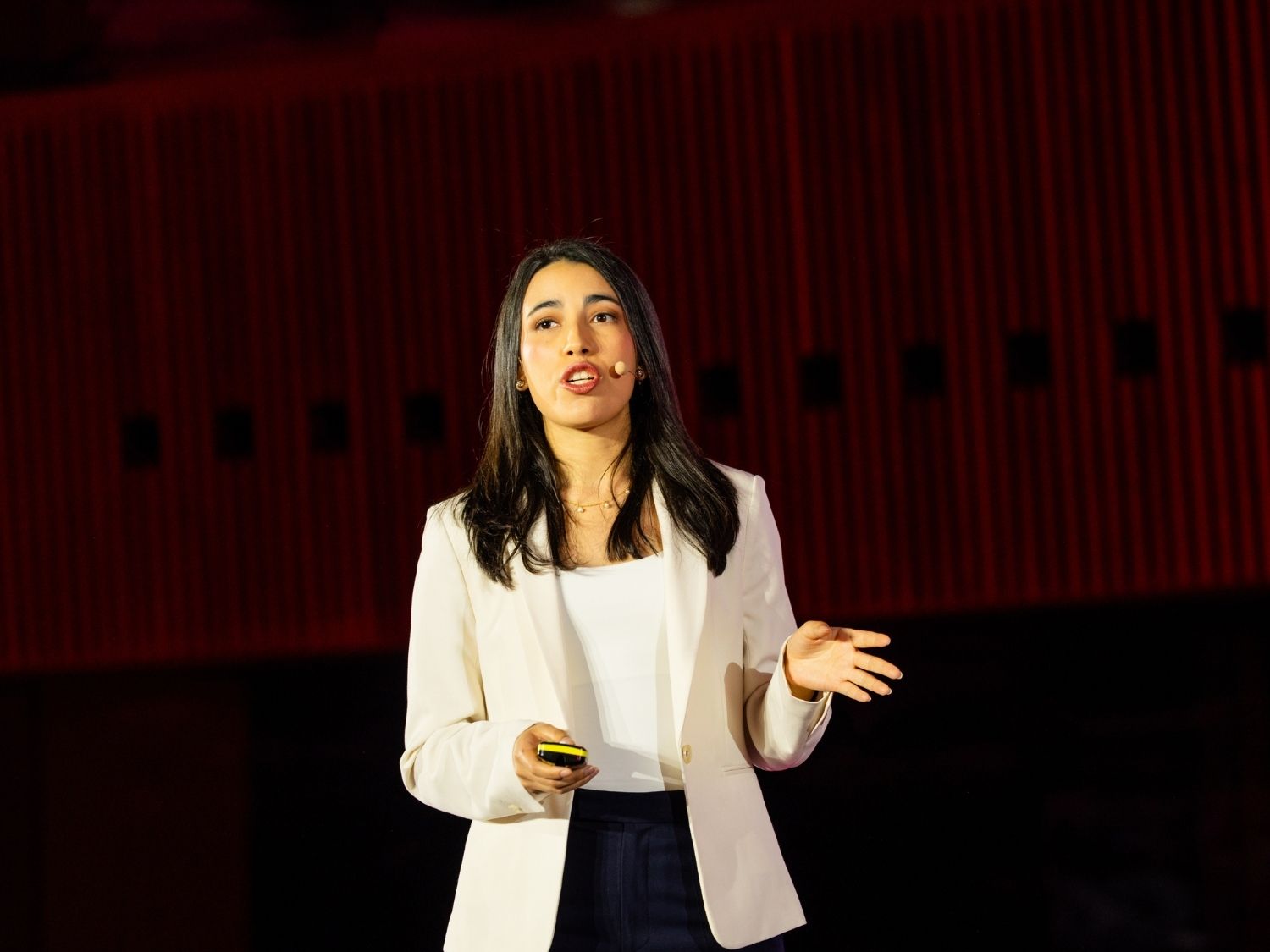
Lina Maria Amaya
-
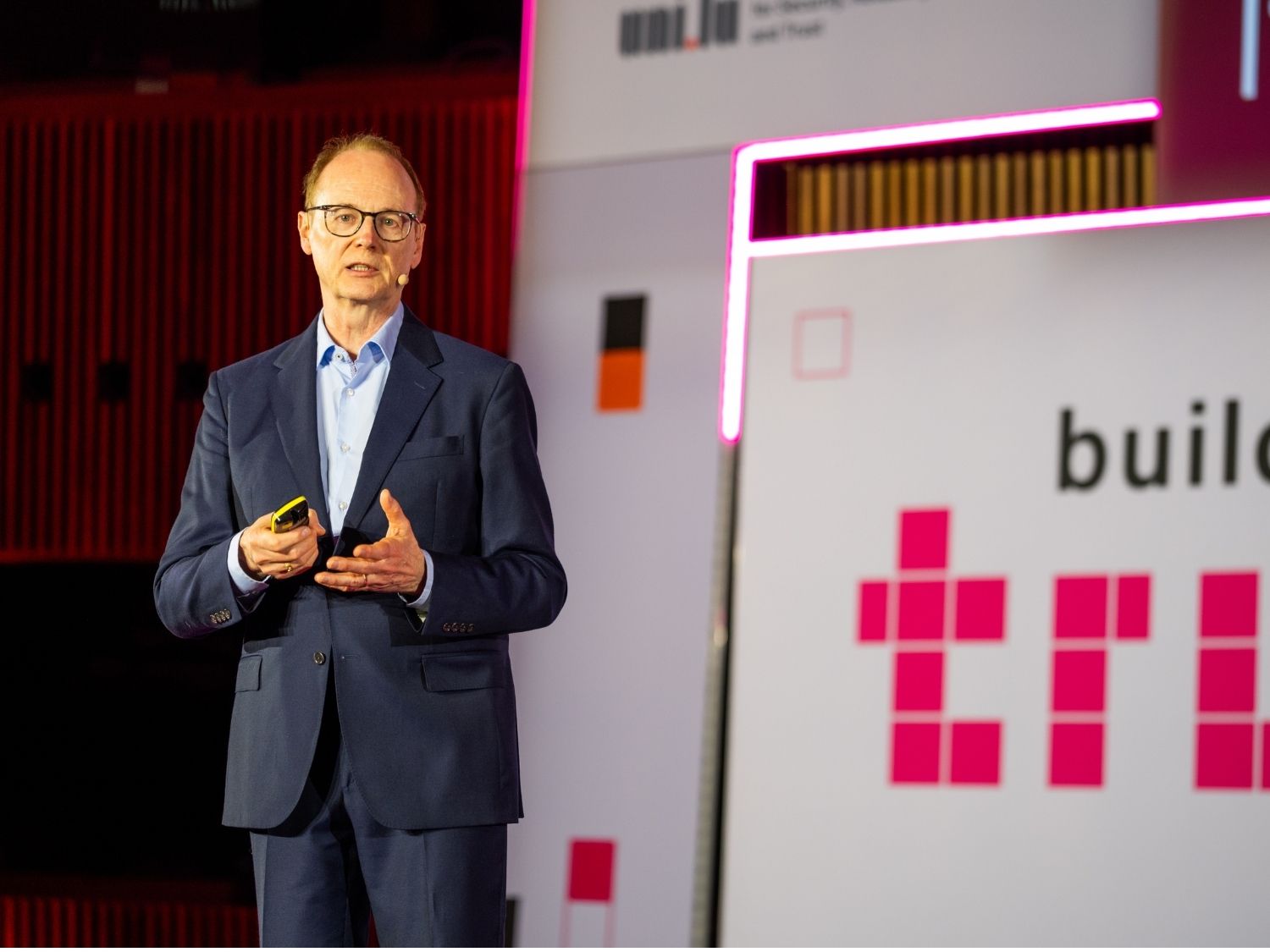
Prof. Mats Brorsson
-
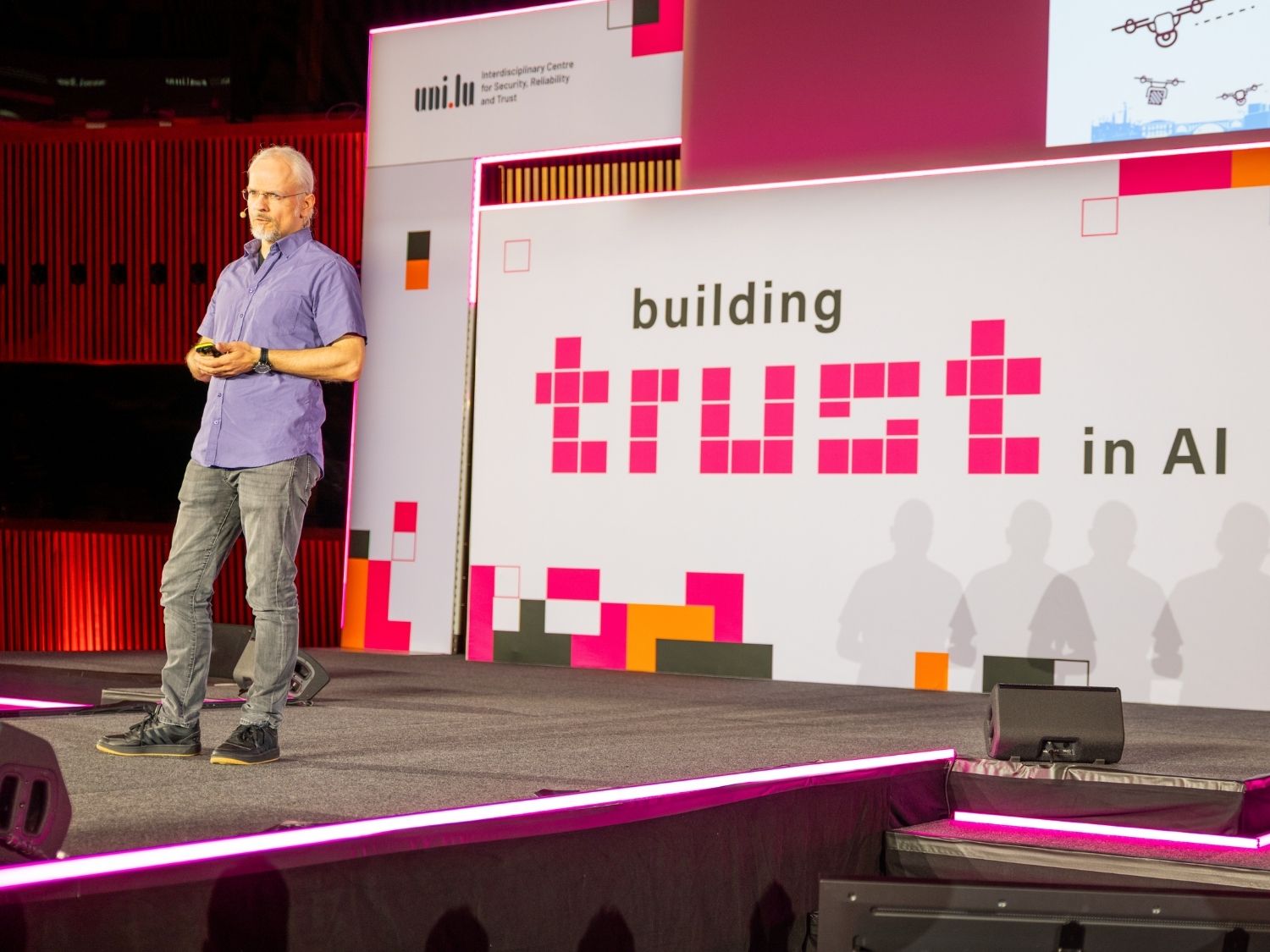
Dr. Sune Nielsen
-
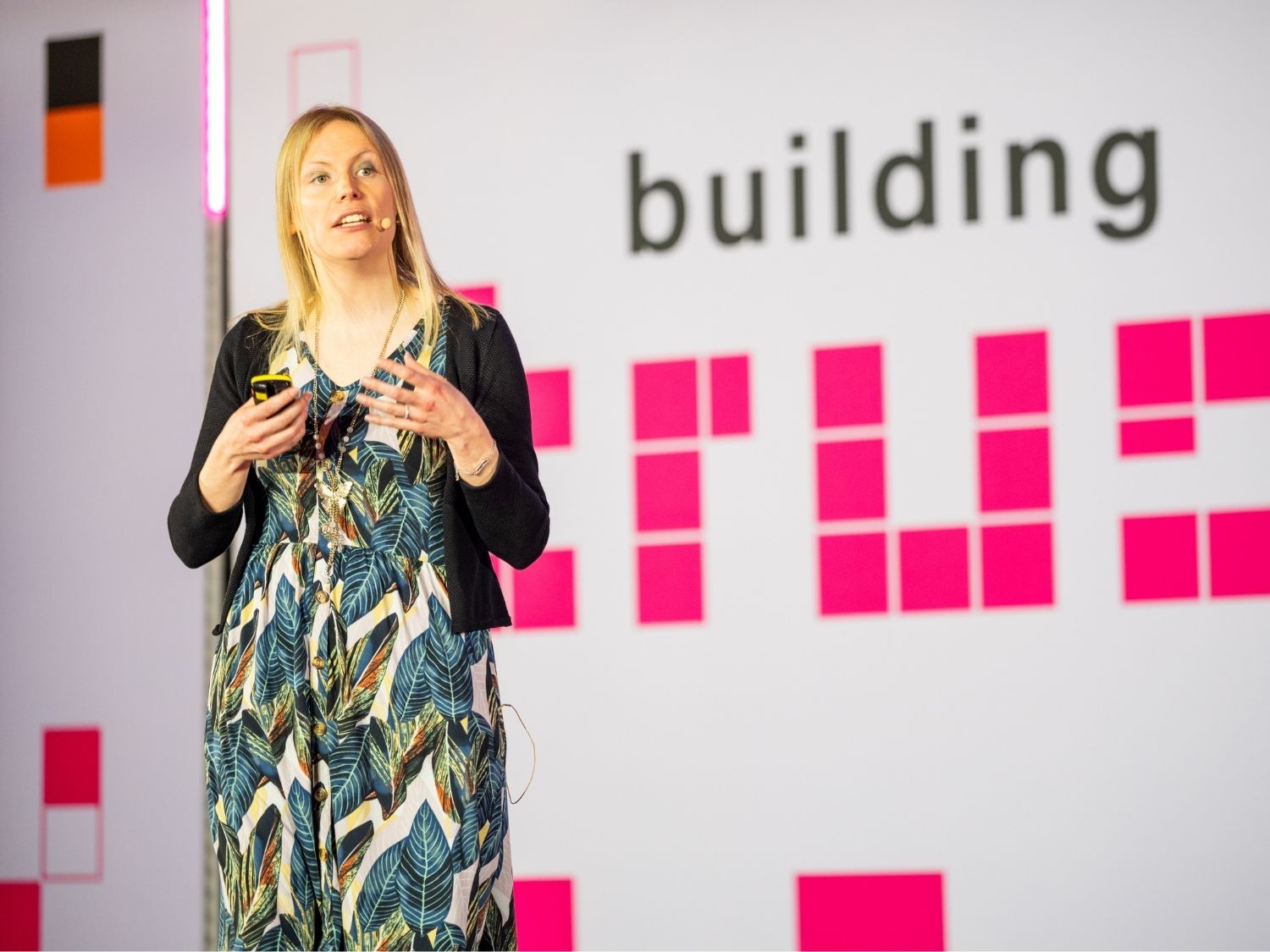
Dr. Muriel Larissa Frank
Experiencing AI up-close
Beyond the talks, visitors explored more than 30 demonstrations covering cybersecurity, education, smart mobility, energy systems, autonomous technologies, and space robotics. Together, the projects reflected SnT’s mission to combine scientific excellence with practical implementation to ensure that technological development remains connected to societal needs and human oversight.
-
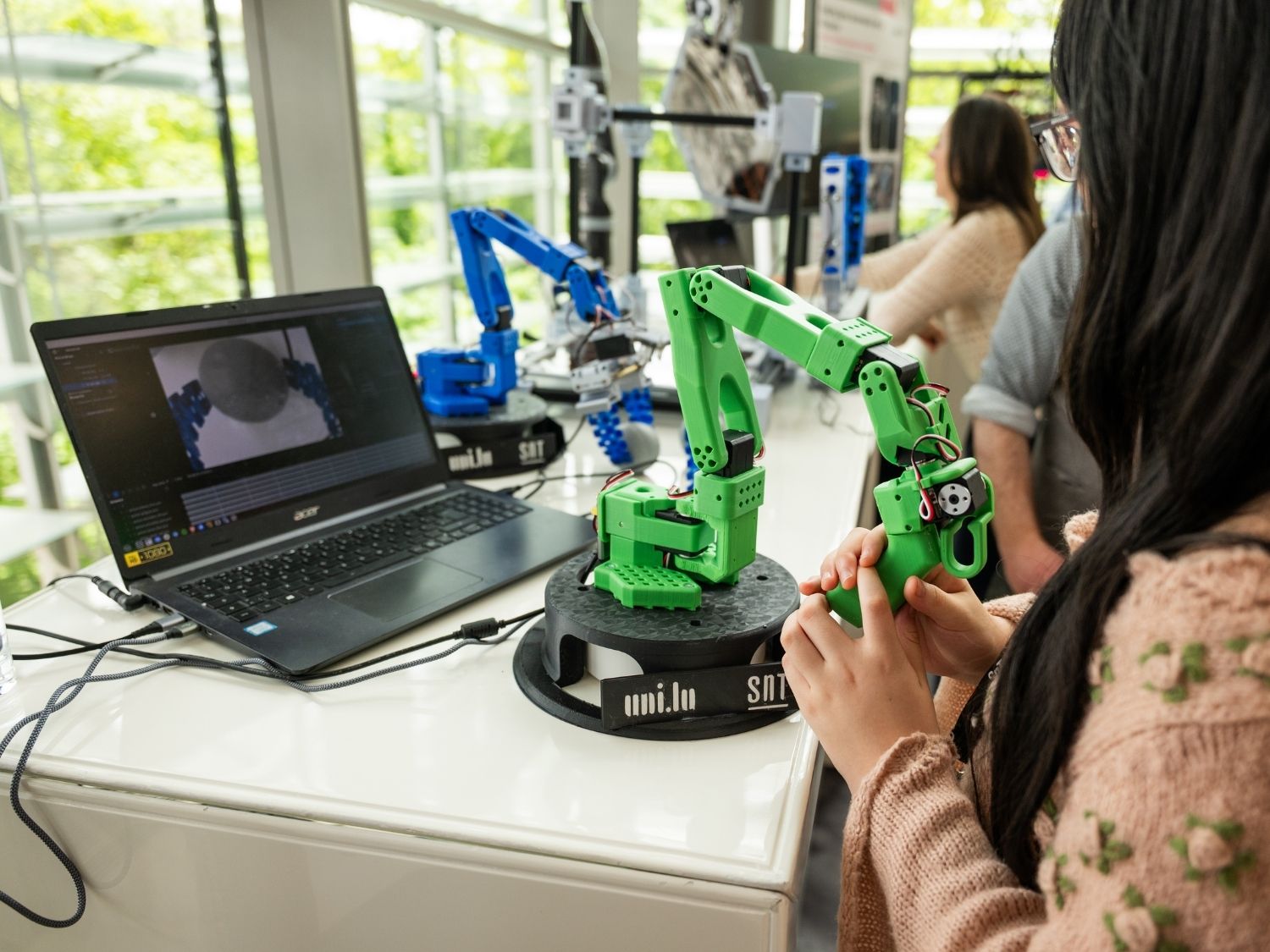
Space robotics for sustainability
-

Luxembourg’s AI assessment sandbox
-
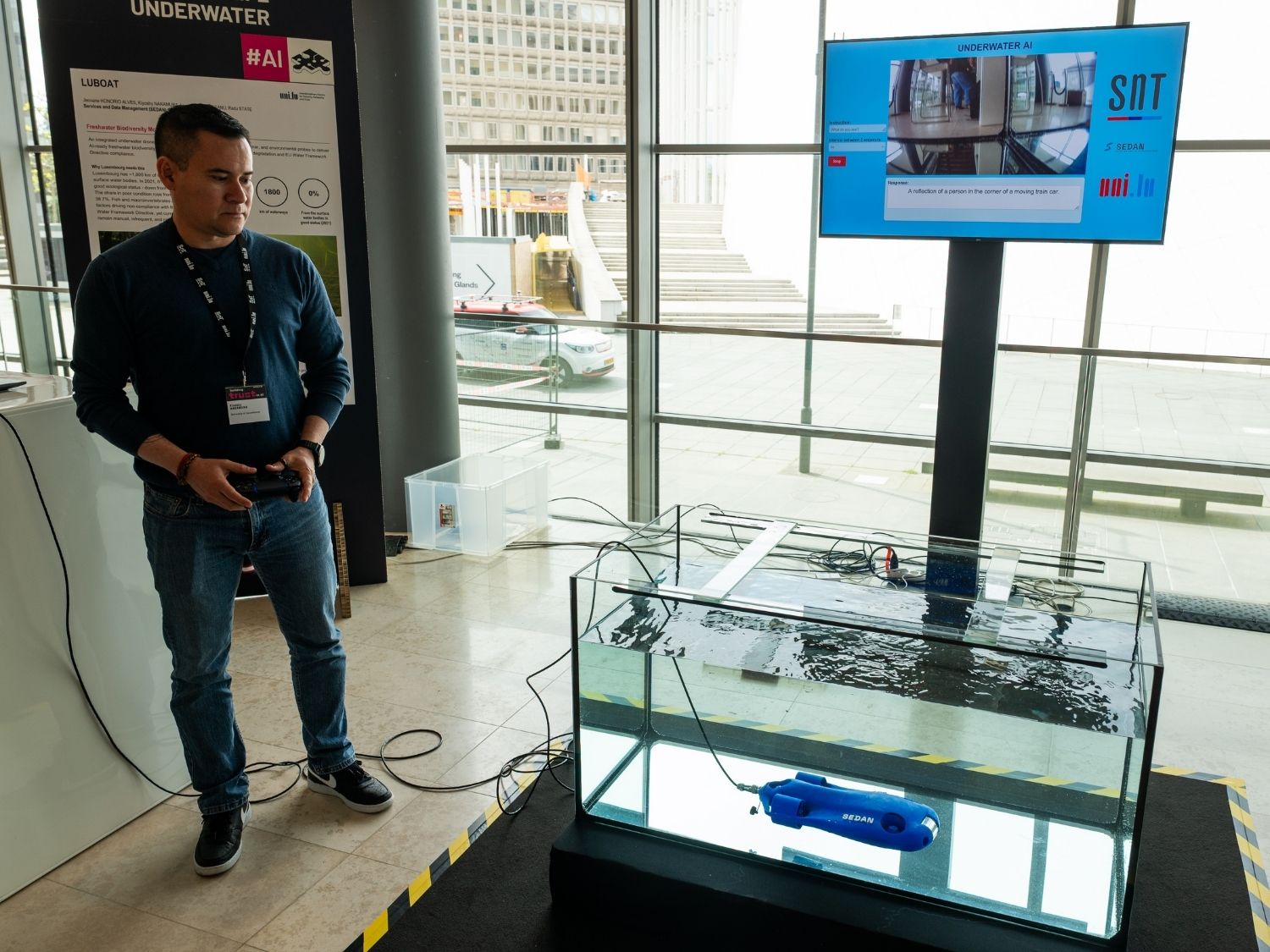
Mapping life underwater
-
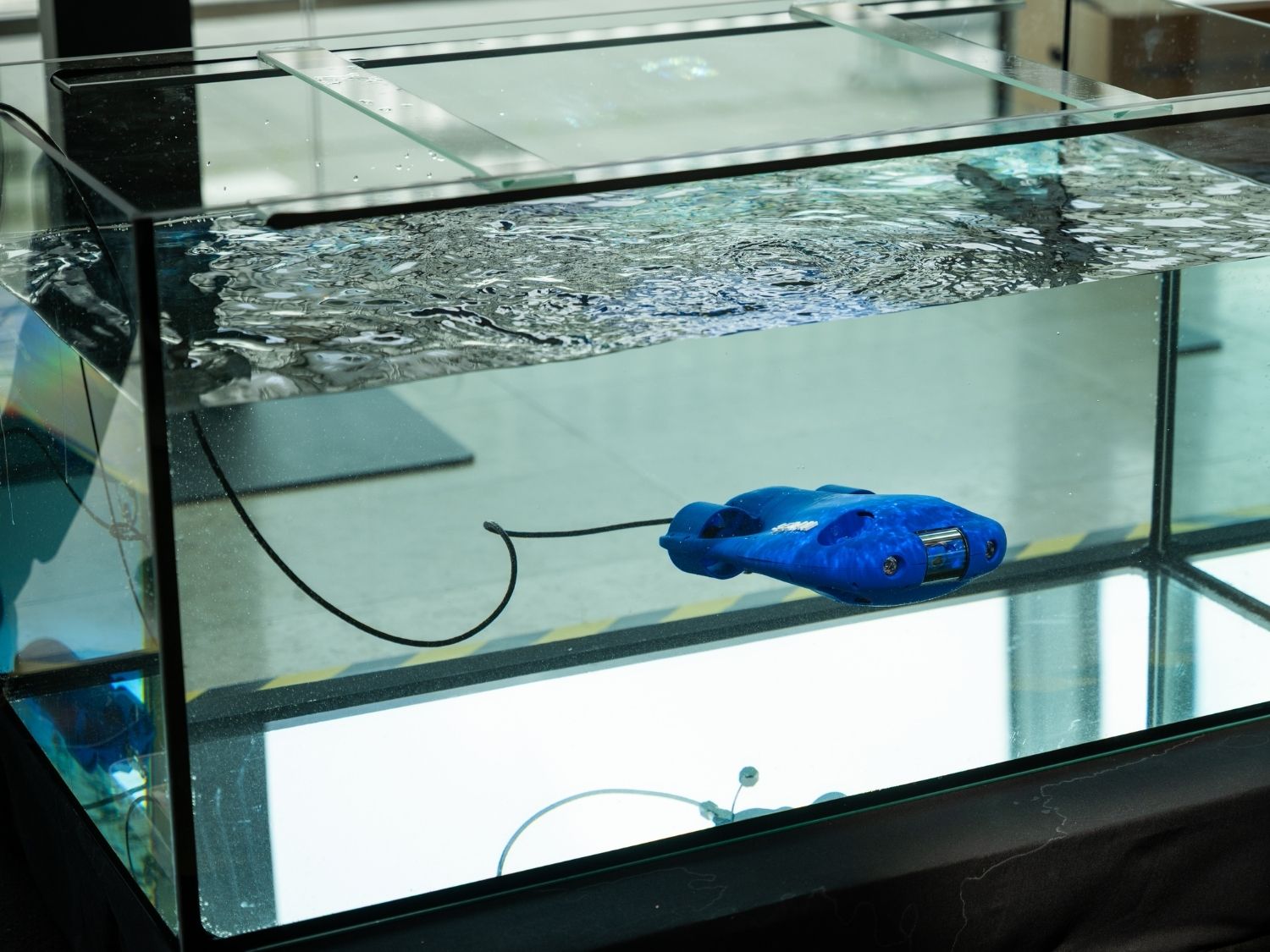
Mapping life underwater
-
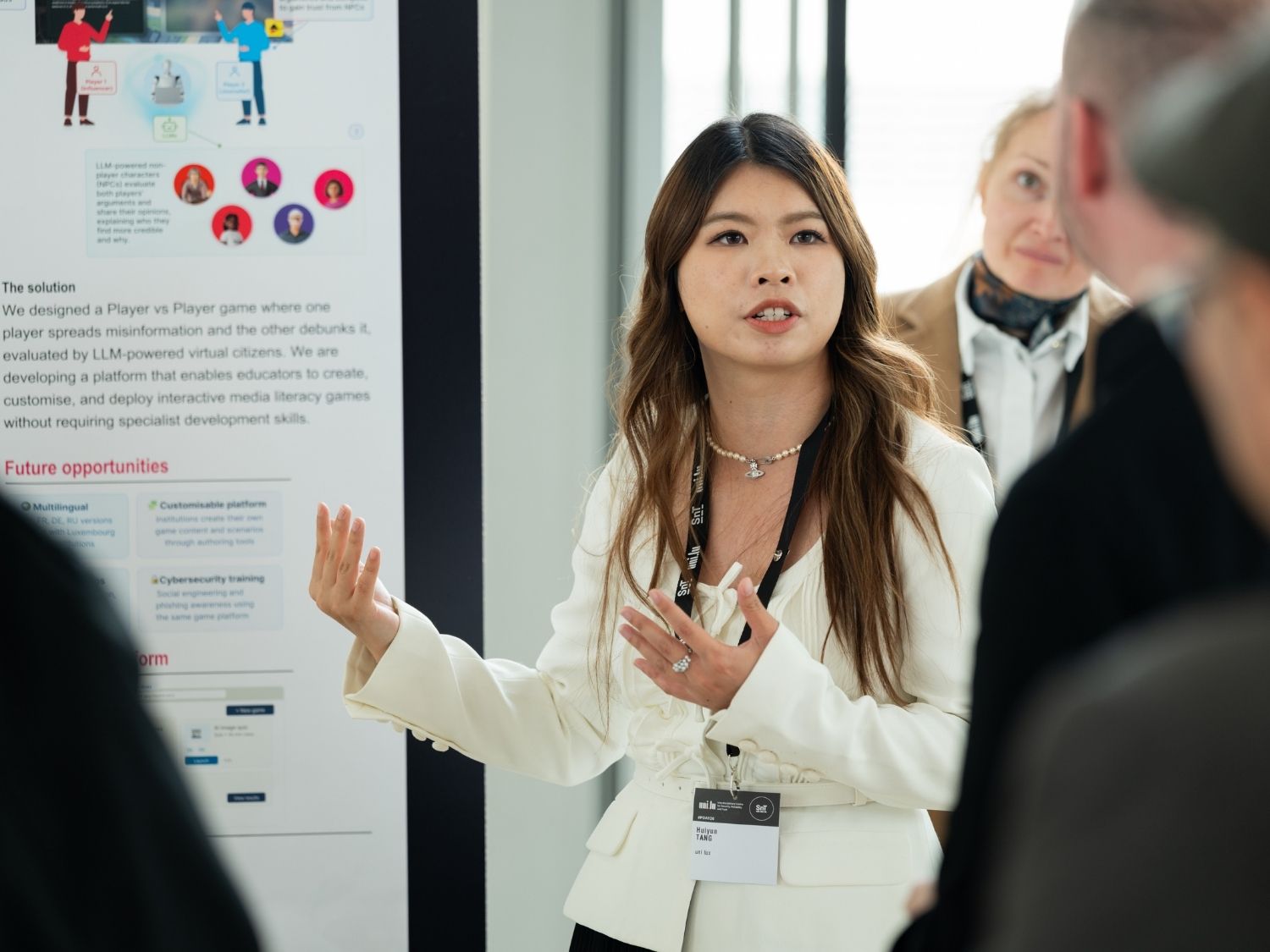
Debunked: the fake news game
-
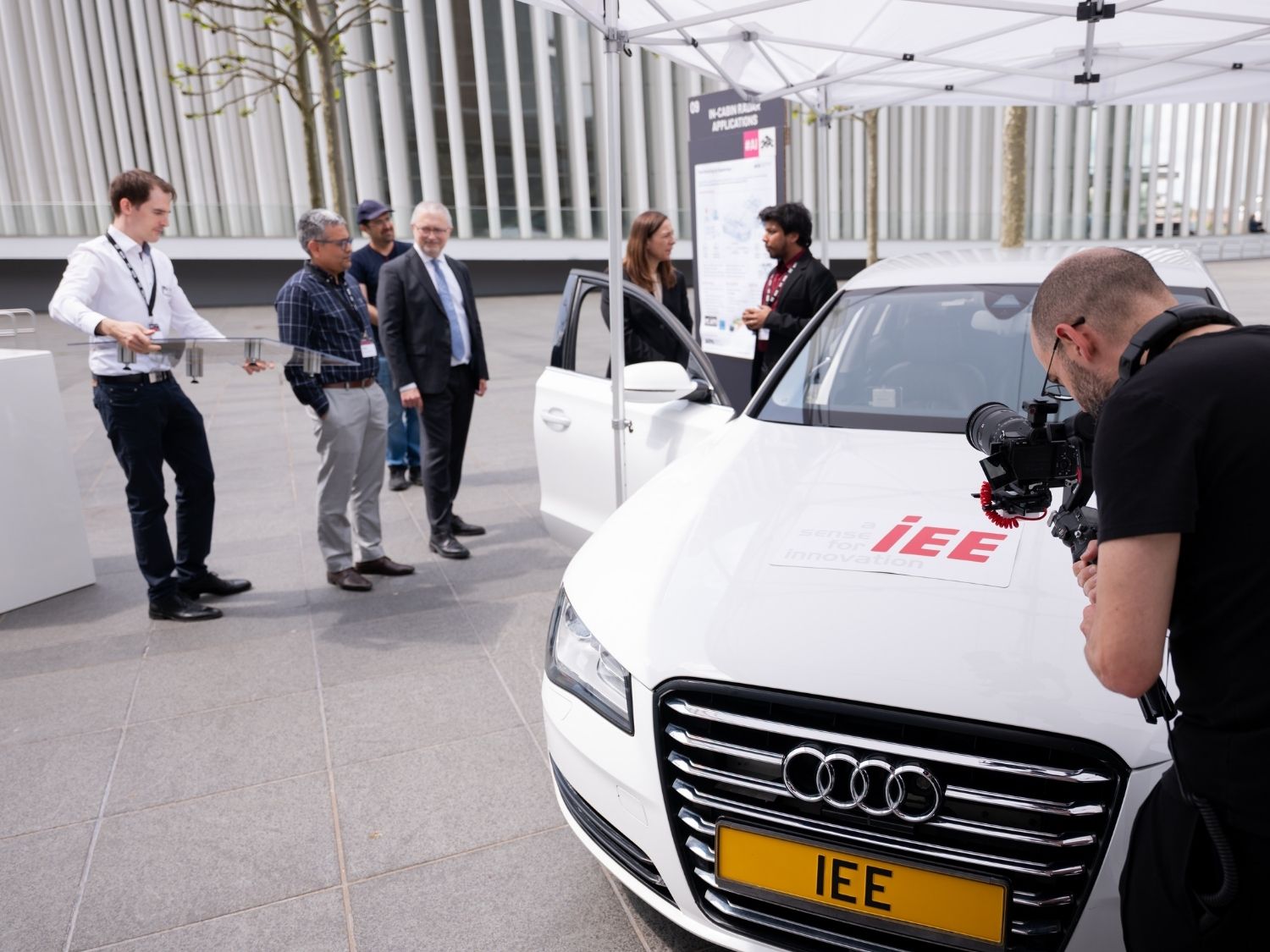
In-cabin radar applications
-

Simulating smart grid fro your home
-
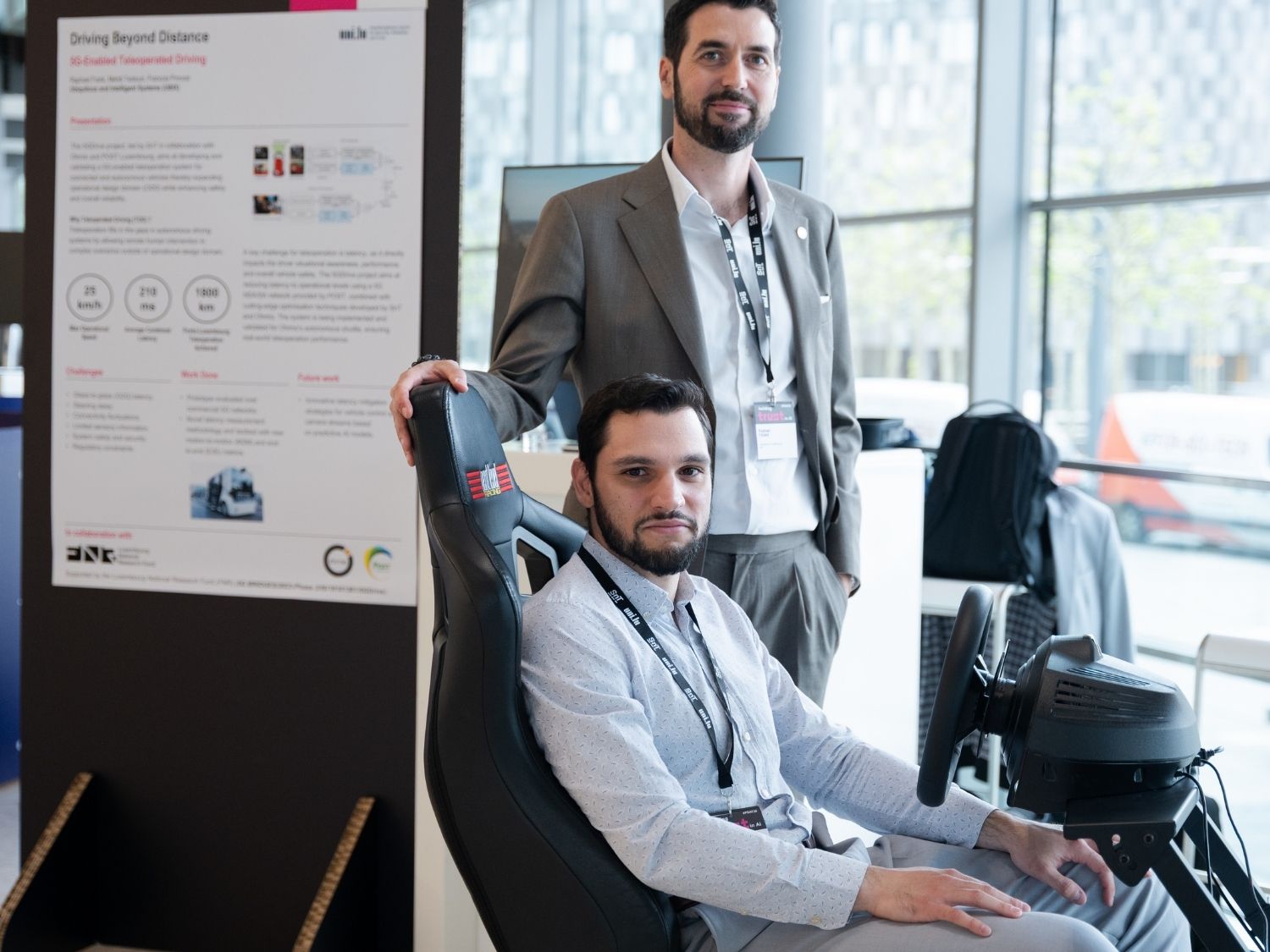
Remote driving in action
-
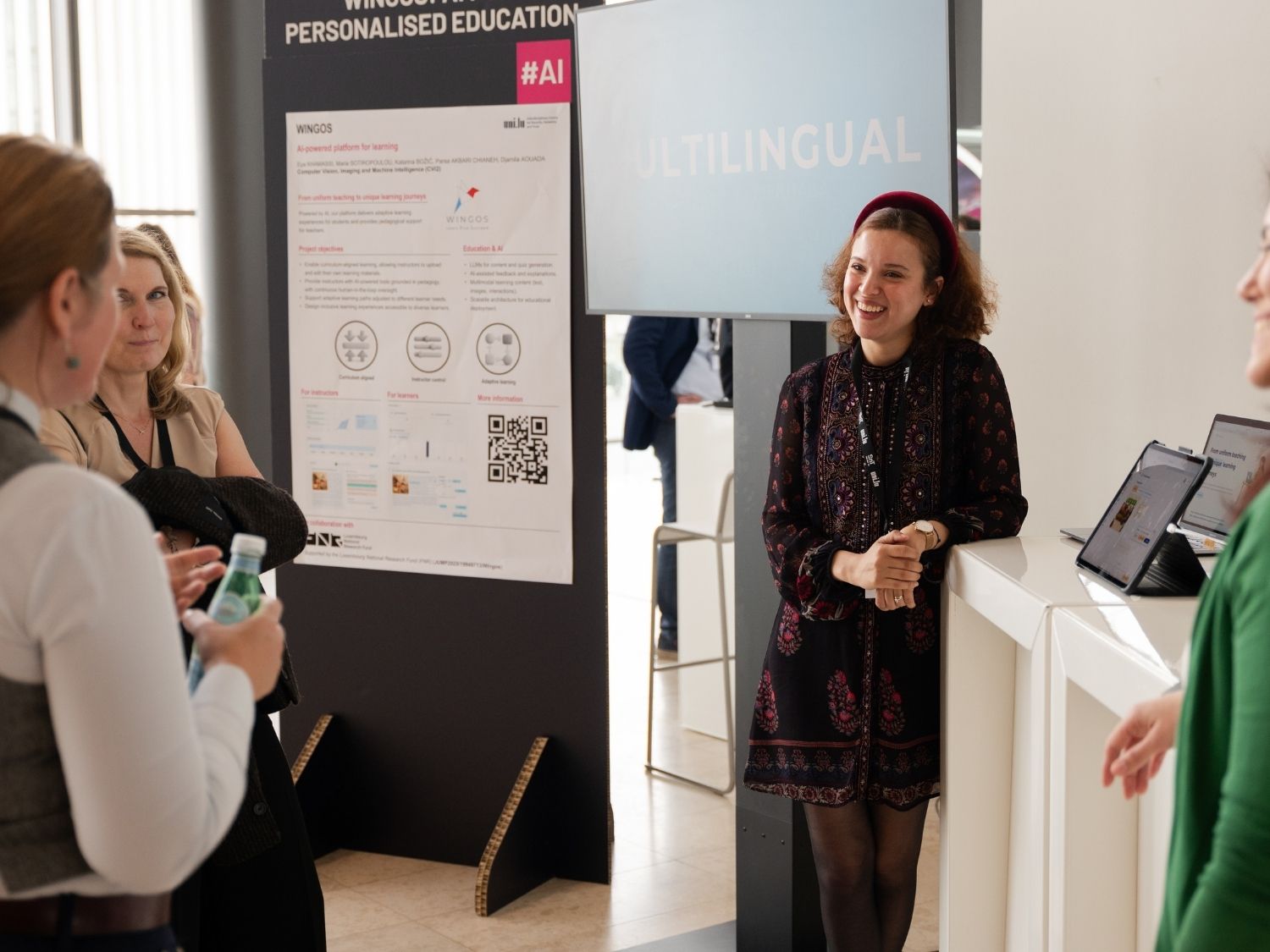
WINGOS: AI for personalised education
As AI adoption continues to accelerate, Partnership Day 2026 highlighted the collective responsibility society shares in shaping the technology. It framed the moment not only as a technological transition, but also as an opportunity to build AI systems that are transparent, trustworthy, and aligned with EU values.
The work ahead is technical, political, and deeply human — and if Partnership Day proved anything, it is that Europe has no shortage of people willing to do it.