

 Faculty of Science, Technology and Medicine
 Faculty of Law, Economics and Finance
 Faculty of Humanities, Education and Social Sciences
 Interdisciplinary Centre for Security, Reliability and Trust
 Luxembourg Centre for Systems Biomedicine
 Luxembourg Centre for Contemporary and Digital History
 Luxembourg Centre for European Law
 Luxembourg Centre for Socio-Environmental Systems
GEOSPACE seminar series
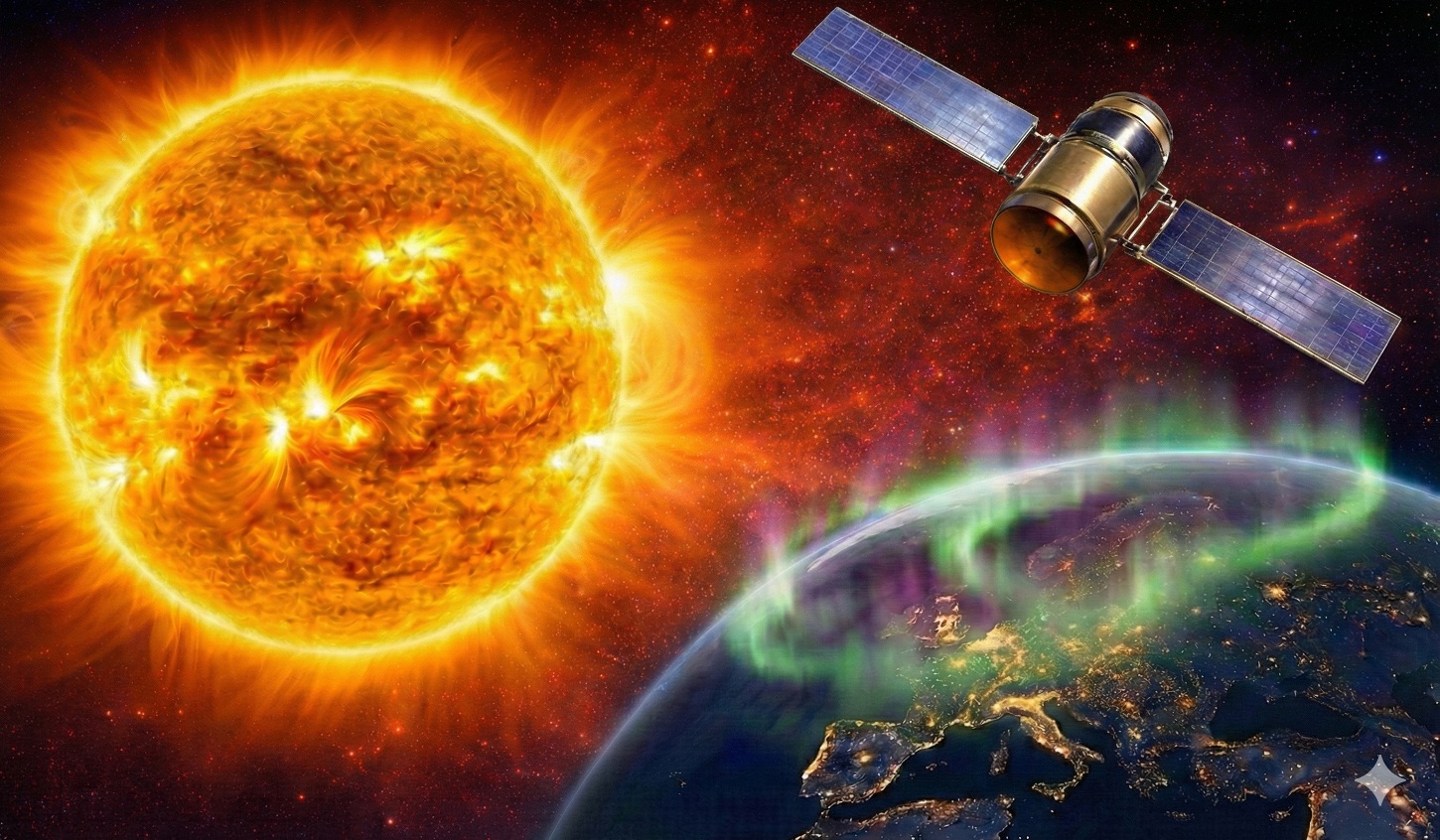
The GEOSPACE scientific seminar series features internationally recognised scientists, including faculty from the University of Luxembourg and invited experts from external institutions. The lectures will explore the complex space weather, atmospheric, and geophysical processes, and how they impact critical infrastructure, both in space and on the Earth. The seminar is organized by SpaSys within the frames of the GEOSPACE project led by Dr. Olga Khabarova and Prof. Andreas Hein with help of Dr. Carl Shneider.
Seminar description
The GEOSPACE seminar series is held weekly on Thursdays at 3:00 pm CET (Luxembourg, Berlin, Paris) in a hybrid format, combining both online and on-site participation. Topics include the physical processes driving space weather events, solar-terrestrial couplings, geomagnetic storms, atmospheric and ionospheric disturbances, geophysical threats and other phenomena that may affect technological systems. The series will also focus on the resilience of infrastructure, from satellite networks to power grids, in response to these environmental impacts.
Participants will gain a deeper understanding of the physical mechanisms at play and their implications for science, technology, and system resilience. This seminar is open to researchers and students at all levels, across disciplines.
Links to join the upcoming events and records of past seminars can be found below.
If you have any results or findings you would like to share in future seminars, or if you would like to volunteer to give a lecture on a subject of your interest, please contact Dr. Olga Khabarova or Dr. Carl Shneider to enquire about becoming a speaker.
Upcoming Events
-
 14th May 2026
Lightning as a natural hazard
– Prof. Colin Price, Department of Geophysics, Tel Aviv University, IsraelInterdisciplinary Centre for Security, Reliability and Trust15:00 – 16:00ABSTRACT: Lightning can be regarded as a weather and climate risk due to its impact on humans, infrastructures (power lines, wind turbines), aviation, and wildfires. Furthermore, as the climate warms it is expected that the number and severity of thunderstorms will increase, with increasing risks to the public and industry. In Africa and Asia there are reports of significant increases in the deaths due to lightning, although this could be partially due to population growth in those regions. In addition to the direct impact of lightning and thunderstorms on our lives and economies, thunderstorms and lightning can also feed back on the climate system, causing additional warming via the production of ozone and water vapor (both greenhouse gases) in the upper troposphere. The presentation will present what we know and what we don’t know about the risks of thunderstorms, lightning in our changing climate. -
 21rd May 2026
TBD
Interdisciplinary Centre for Security, Reliability and Trust15:00 – 16:00ABSTRACT: TBD -
 28th May 2026
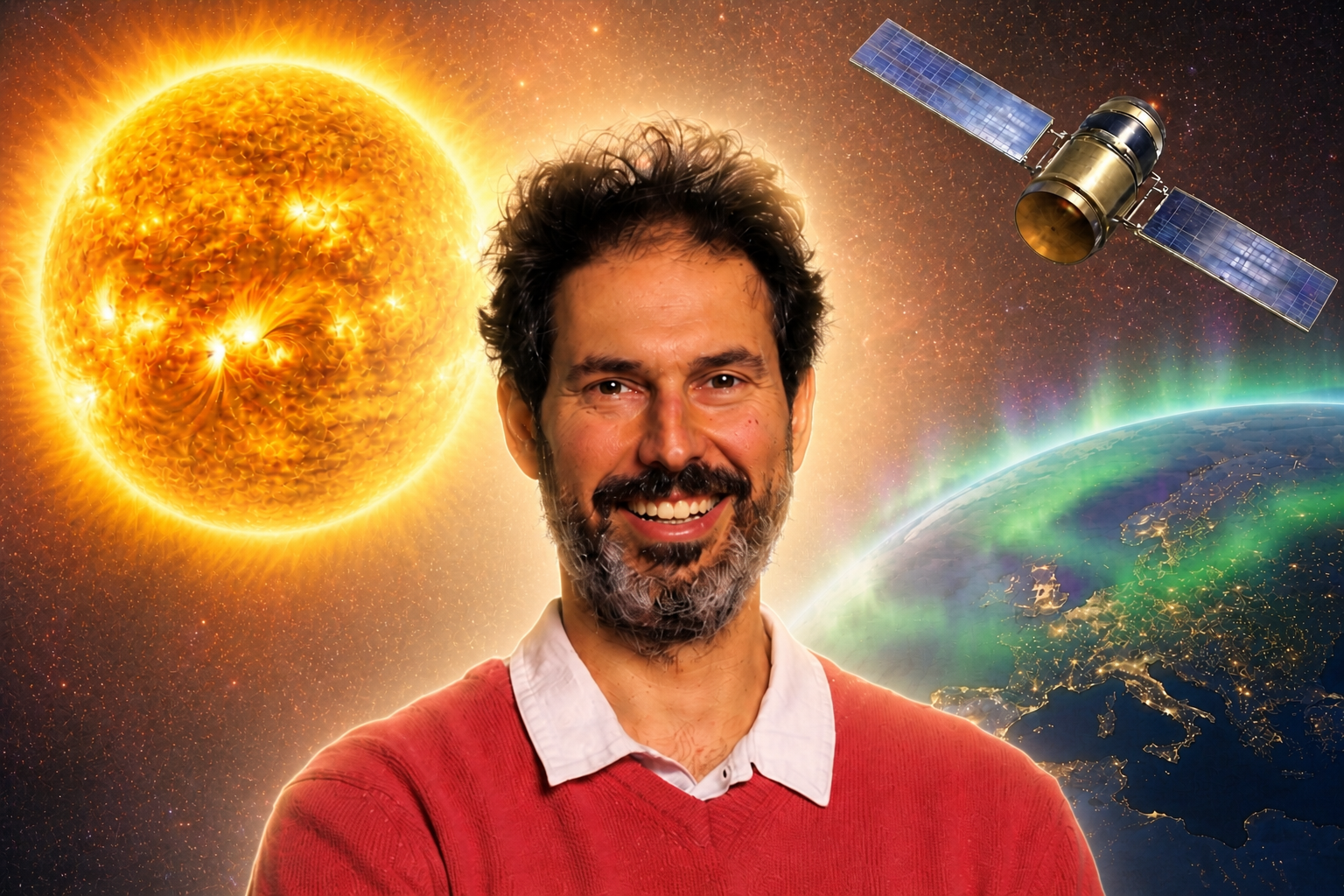
AI Perspectives for Space Weather
– Dr. Carl Shneider, SnT, University of Luxembourg, LuxembourgInterdisciplinary Centre for Security, Reliability and Trust (SnT)15:00 – 16:00ABSTRACT: TBD
Past Seminars
-
 20th January 2026
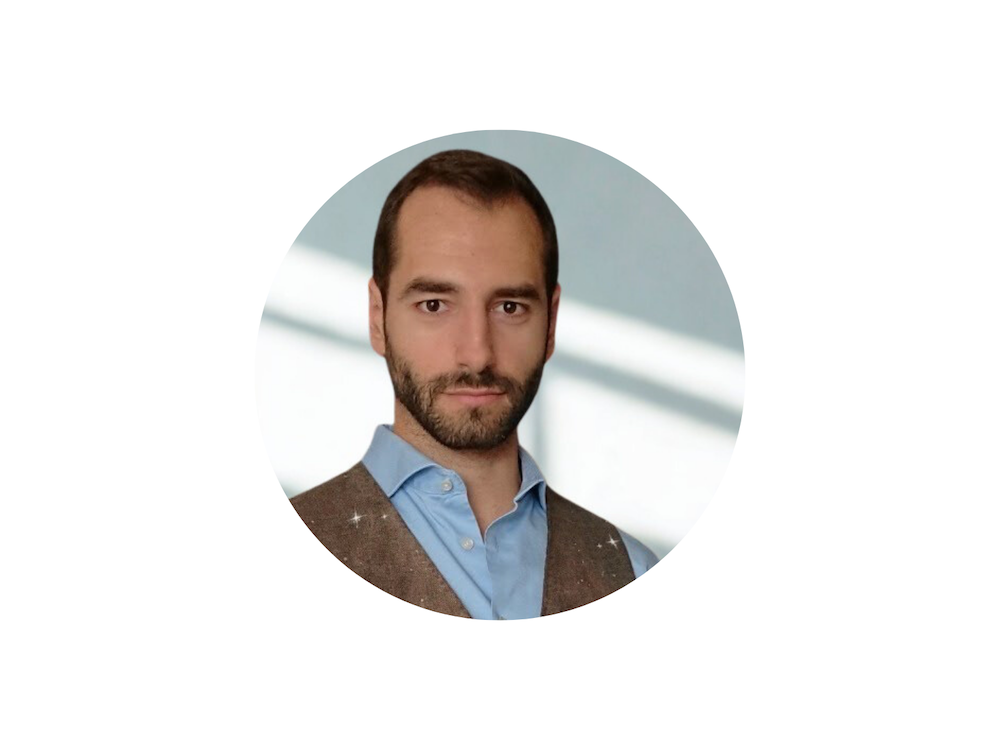
From bolide impacts to satellite risk: using the Earth’s atmosphere to probe the meteoroid environment.
– Dr. Simon Anghel, Laboratoire Temps Espace, Paris Observatory, FranceInterdisciplinary Centre for Security, Reliability and TrustABSTRACT: Meteoroids impacting Earth range from micron-sized dust to meter-scale bodies or larger. The same population that produces observable bolides also sustains the micrometeoroid and dust environment threatening our space infrastructure.
During this talk, we will explore different scenarios of Earth impacts across several scales of object size and strength. We start with well-observed bolides whose orbits can be linked to larger parent bodies, and extend to the more chaotic populations of small impactors generated by various space-weathering processes. These results, together with future space-based sensors (for example, satellite imagery and lightning mappers), improve the accuracy of mass estimates for impacting objects, helping to constrain the impact risk on spacecraft. Additionally, this will inform future space mission design, including shielding requirements and the necessary fuel for avoidance maneuvers. -
 29th January 2026
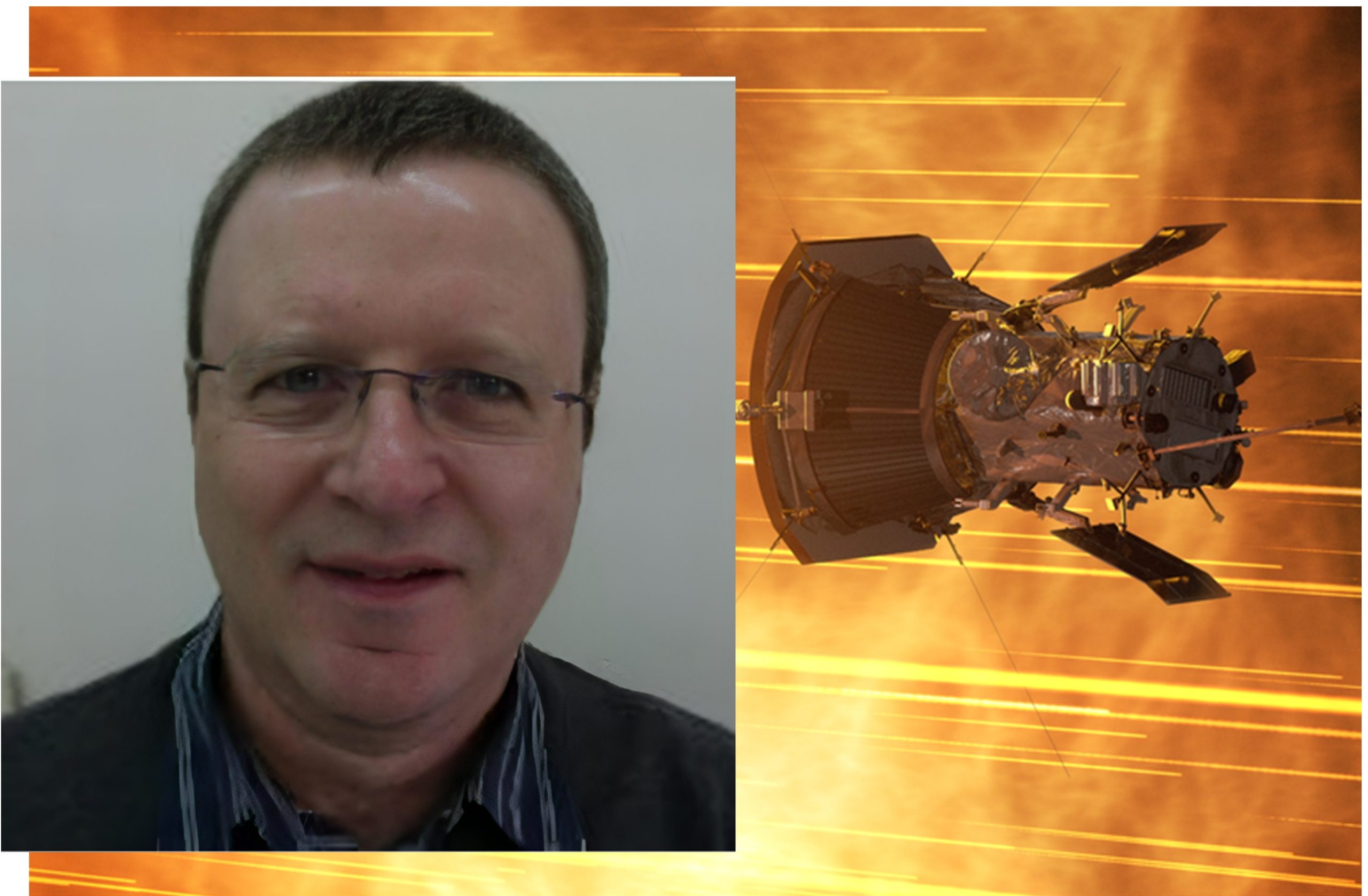
Recent Discoveries Close to the Sun from NASA’s Parker Solar Probe Spacecraft
– Leon Ofman, Professor, Catholic University of America, NASA Goddard Space Flight Center, USAInterdisciplinary Centre for Security, Reliability and TrustABSTRACT: The Parker solar probe (PSP) mission launched by NASA in 2018 is designed to study the Sun’s outer atmosphere – the corona, at unprecedently close distances to the Sun – a mission to “touch the Sun”. The spacecraft was designed to approach the Sun through a series of
orbits using Venus gravitational assist flybys. The PSP is protected by a heat shield, and
carries a suite of scientific instruments that include the Solar Wind Electrons Alphas and
Protons (SWEAP) Investigation, the Wide-field Imager for Solar PRobe (WISPR), and the
Integrated Science Investigation of the sun (IS☉IS) that detects energetic electrons, protons and heavy ions that are accelerated to high energies (10s of keV to 100 MeV) in the sun’s
atmosphere. On 24 December 2024 PSP has made its closest approach to the Sun within a
distance 6.1 million km or about 9 solar radii from the solar ‘surface’ (photosphere) providing
unprecedent new observations. So far PSP has made important discoveries that
revolutionized our understanding to the solar wind, the solar corona, solar eruptions and the
acceleration of energetic particles. Some of the discoveries are the detection of magnetic
switchbacks, the detection of strong kinetic wave activity and ion instabilities in the solar
wind plasma, and the observations of solar eruptions as they happen around the spacecraft. I will provide an overview of the PSP mission and the related main discoveries and will review our recent work that uses PSP data for understanding the main physical mechanism
associated with solar wind heating and acceleration. I will discuss the impact of PSP
discoveries on our understanding of solar activity and space weather. -
 5th February 2026
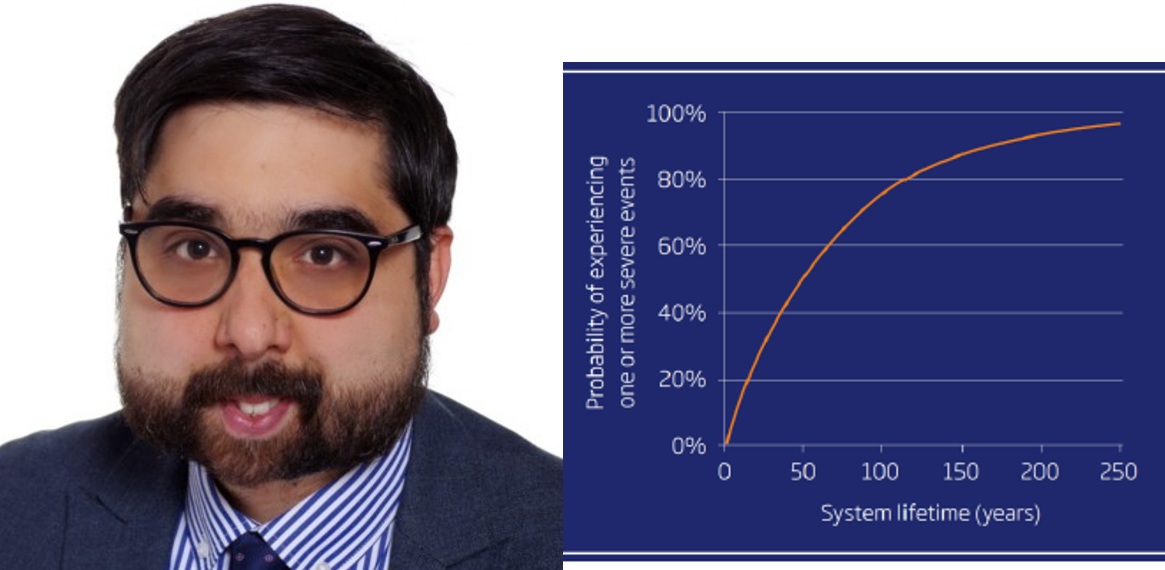
Economic impacts of severe space weather
– Calogero Nicosia, Associate Director at Fidelity International, adjunct lecturer at the University of LuxembourgInterdisciplinary Centre for Security, Reliability and TrustABSTRACT: During the COVID-19 lockdown, it became evident that the functioning of financial systems and society relied heavily on real-time global communication. At the same time, the growing focus on space highlighted the need to integrate academic insights and economic considerations in assessing its strategic importance for the future. Space plays a vital role in communication, Earth observation, and navigation, and its dual-use nature has gained significance amid geopolitical fragmentation, creating new risks but also opportunities for collective action, especially in mitigating space weather risks. Solar flares, coronal mass ejections, and geomagnetic storms pose serious threats to critical infrastructures such as power grids, satellites, telecommunications, and financial networks. Awareness of these interdependencies is crucial. With the expansion of satellite constellations and increasing reliance on space-based data, societal exposure to space weather risks is growing. Although the probability of extreme space-weather events may remain stable, overall risk rises as exposure increases. A close collaboration among physicists, engineers, policymakers, the financial sector, international organizations, and industry stakeholders is essential to enhance preparedness, resilience, and mitigation of space-weather disruptions. -
 12th February 2026
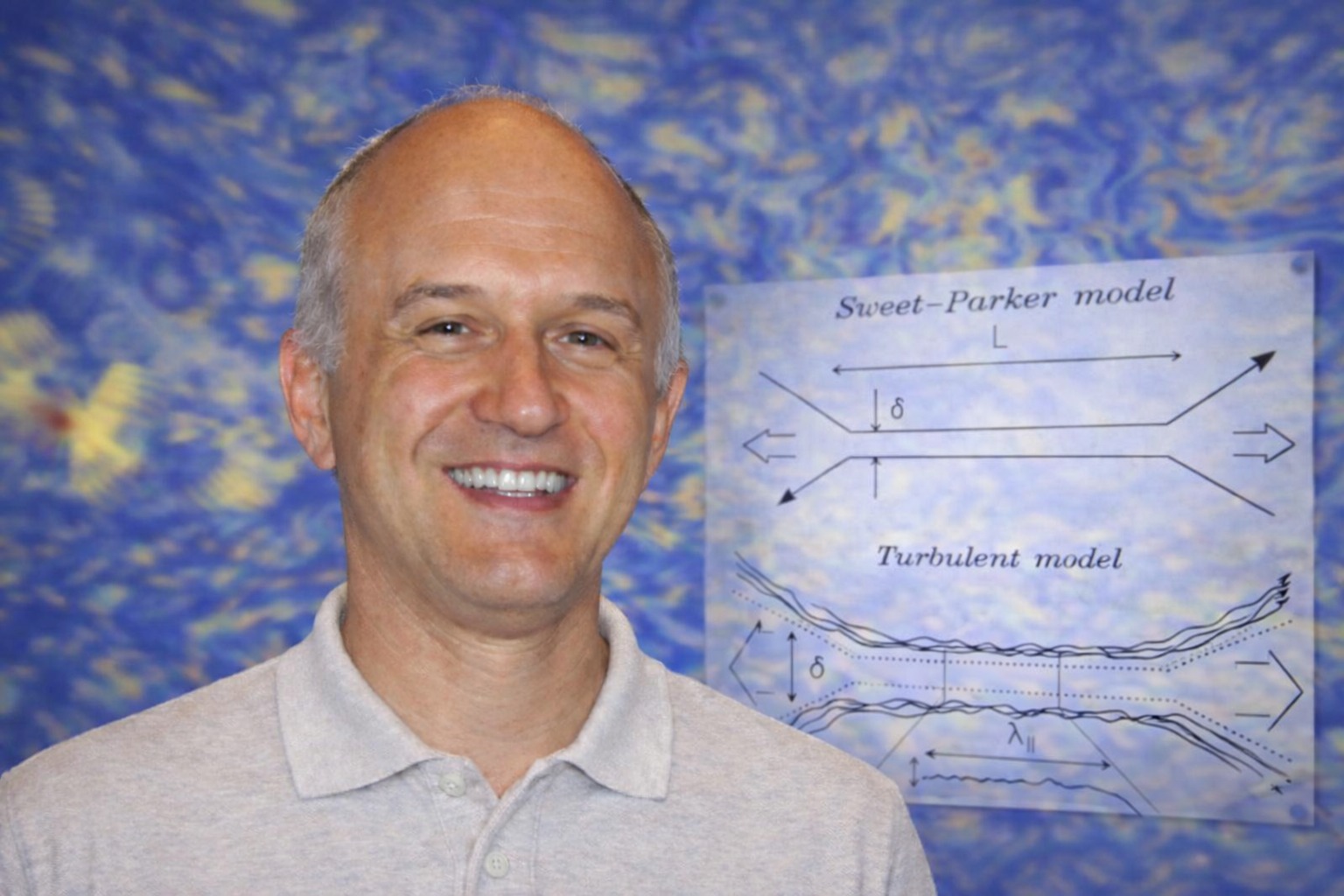
Magnetic reconnection in realistically turbulent astrophysical media
– Alexandre Lazarian, Professor, University of Wisconsin, Madison, USAInterdisciplinary Centre for Security, Reliability and TrustABSTRACT: Magnetic reconnection is a fundamental process of enormous astrophysical importance. It changes magnetic field topology, releases magnetic field energy, and accelerates energetic particles. The properties of the media significantly influence the process. One of the most fundamental properties of astrophysical environments is their being turbulent. I will discuss how turbulence can regulate the rate of magnetic reconnection and how reconnection can induce and amplify turbulence. I will compare turbulent 3D reconnection theory with the alternative ideas that are being explored, as well as the astrophysical implications of turbulent reconnection. -
 19th February 2026
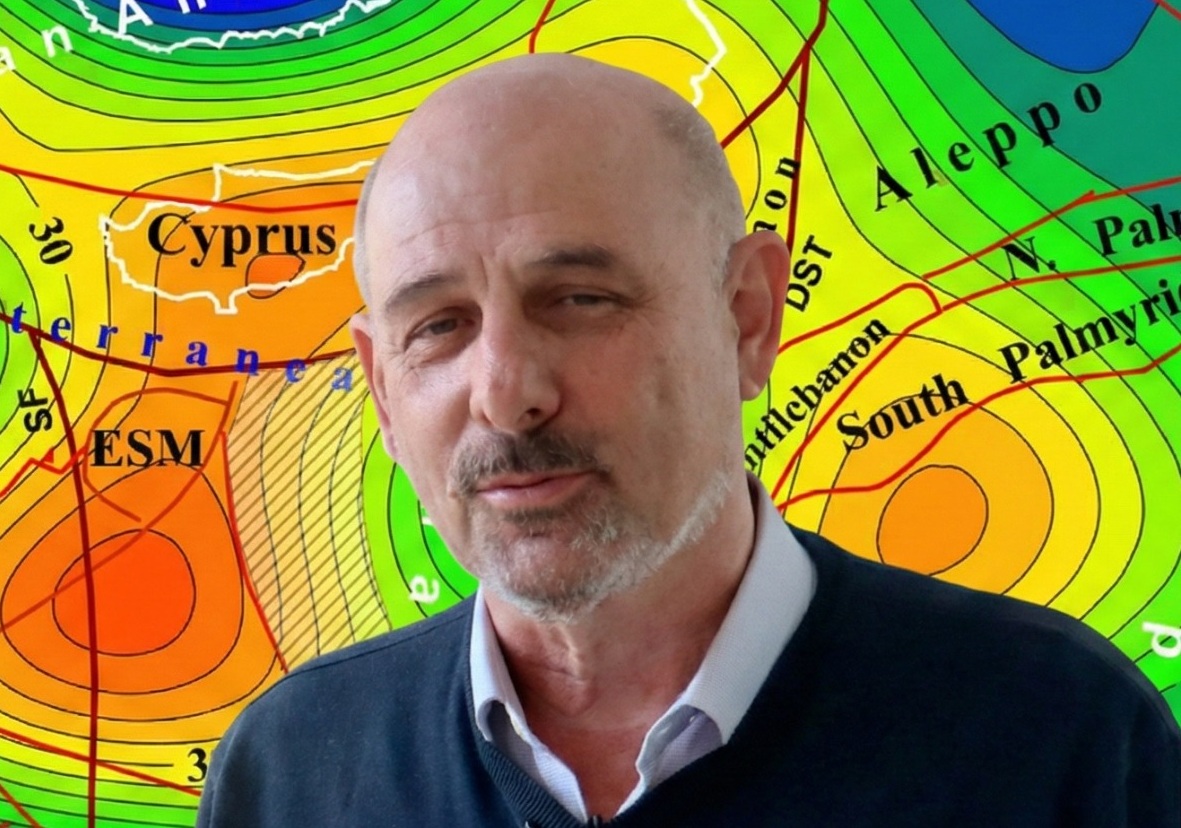
Variations of geophysical fields as precursors of dangerous geodynamic events
– Lev Eppelbaum, Professor, Dept. of Geophysics, Faculty of Exact Sciences, Tel Aviv University, IsraelInterdisciplinary Centre for Security, Reliability and TrustABSTRACT: Temporal variations of geophysical fields measured at the Earth’s surface (on land and in the oceans), at various levels above the surface, in boreholes, underground, and on the seafloor may contain essential information on the preparation processes of hazardous geodynamic events, – earthquakes. Key questions concern how these variations can be reliably recorded and whether the observed anomalous effects are robust and reproducible. This presentation briefly analyzes temporal variations in magnetic and gravitational fields, temperature, very low frequency (VLF) electromagnetic signals, and radon gas emissions. Analyzing the processes mentioned above is important from the perspective of their impact on critical infrastructure, as not only earthquakes are damaging, but also preceding electromagnetic, thermal, and gas-related anomalies can affect the operation, safety, and reliability of technological systems on land and in the marine environment. Understanding their variations is therefore important for assessing infrastructure vulnerability, improving monitoring and early-warning capabilities, and enhancing system resilience to natural geophysical hazards. -
 26th February 2026
Space weather challenges for defence operations in the Arctic
– Michaela Brchnelova, Ass. Professor, Faculty of Military Sciences, Netherlands Defence Academy, Den Helder, NetherlandsInterdisciplinary Centre for Security, Reliability and TrustABSTRACT: On the land, on the sea, in the air and now also in space, solar phenomena have been affecting the performance of our sensors and signals ever since we started using them for defence purposes. Yet, we still have difficulty understanding and predicting these effects in detail, which, in turn, also constrains how well we can mitigate their impacts during our operations. In this seminar, I will discuss space weather challenges from the perspective of defence, highlighting the key areas of interest as our focus is now expanding and shifting to the Arctic. I will also outline some of the difficulties we are facing with space weather information as users; including the factors of monitoring, forecasting and of strategic autonomy in data provision. The contents presented in this seminar are unclassified. -
 12th March 2026
Space Weather Analyst – decision aid system for space weather impacts
– Alec Engell, Technical Director at NextGen Federal Systems, USAInterdisciplinary Centre for Security, Reliability and TrustABSTRACT: Physics-based models for space weather are limited by their ability to assimilate relevant observational data. Machine-learned models have the benefit of being able to assimilate all relevant data. We present the Space Weather Analyst decision aid system that executes streamlined ML operations to rapidly develop, validate, and deploy space weather forecast models such as solar energetic particle radiation events. Such radiation events can impact satellite operations and cause spacecraft anomalies. The Space Weather Analyst supports the fusion of such space weather impacts to its underlying database providing the means to analyze and develop models focused on the impacts of space weather. This talk will provide an overview of the Space Weather Analyst technology, highlight its features, and demonstrate a live UI. https://spark.nextgenfed.com/
___________________________ -
 19th March 2026
Space climate: How does space weather change in time?
– Kalevi Mursula, Prof. (space physics), Head of ReSoLVE Centre of Excellence of the Academy of FinlandInterdisciplinary Centre for Security, Reliability and TrustABSTRACT: The Sun is a magnetic star and its magnetic activity changes in time dramatically from short time scales of seconds and minutes to the longest studied time scales of hundreds and thousands of years. Variations in solar magnetic fields control the space conditions in the whole solar system until the distance of about 100AU. These variations also cause changes in space weather conditions on Earth. In this seminar we will discuss how the solar magnetic fields vary at decadal time scales and longer, and how this variability modifies the near-Earth space and space weather conditions.
___________________________ -
 26th March 2026
Particle acceleration in 3D current sheets in the heliosphere: PIC simulations versus observations
– Valentina Zharkova, Prof. Northumbria University, UKInterdisciplinary Centre for Security, Reliability and TrustABSTRACT: In this talk I will describe the specifics of particle acceleration in 3D reconnecting current sheets occurring in solar flares and interplanetary space, describe a role of transverse and guiding magnetic fields in particle acceleration of both charges and in separation of the particles of the opposite charges leading to generation of a polarisation electric field.
I will demonstrate that moving from a basic test particle approach to full kinetic 2.5-3.0D Particle-in-Cell (PIC) approach one can derive real particle dynamics observed in the heliosphere by satellites passing reconnecting current sheets like heliospheric current sheet, current sheets of interplanetary coronal mass ejection etc. PIC approach allows to account for current sheet density structure, ion velocities, electron pitch-angle distributions inside and after ejection from current sheets in the heliosphere. I will also demonstrate that the accelerated particles are also responsible for generation of kinetic turbulence induced by two beam instabilities by different accelerated particle beams. -
 2nd April 2026
The Lifecycle of Space Plasma Instruments
– Dr. Georgios Nicolaou, Mullar Space Science Laboratory, University College London, UKInterdisciplinary Centre for Security, Reliability and TrustABSTRACT:Since the beginning of space exploration, space scientists and engineers have been designing, constructing, testing, and ultimately sending instruments into space in order to obtain the measurements required to answer significant science questions. Therefore, a successful mission depends on detailed studies of the appropriate instruments and the environment in which they are going to operate.
In this seminar, we will outline the standard development cycle of typical space plasma particle detectors. These are the devices we build and use to sample space plasma particles and determine their kinetic properties within various regimes in our solar system. We will explain the measurement principles behind these instruments and walk you through their design, testing, and operational phases. We will also highlight the most important considerations when preparing a new science, or operational mission. Additionally, we will demonstrate real plasma measurements obtained from instruments on board missions such as Solar Orbiter and Cassini. Finally, we will discuss our plans for developing a new generation of instruments for future missions to potentially habitable worlds within our solar system. -
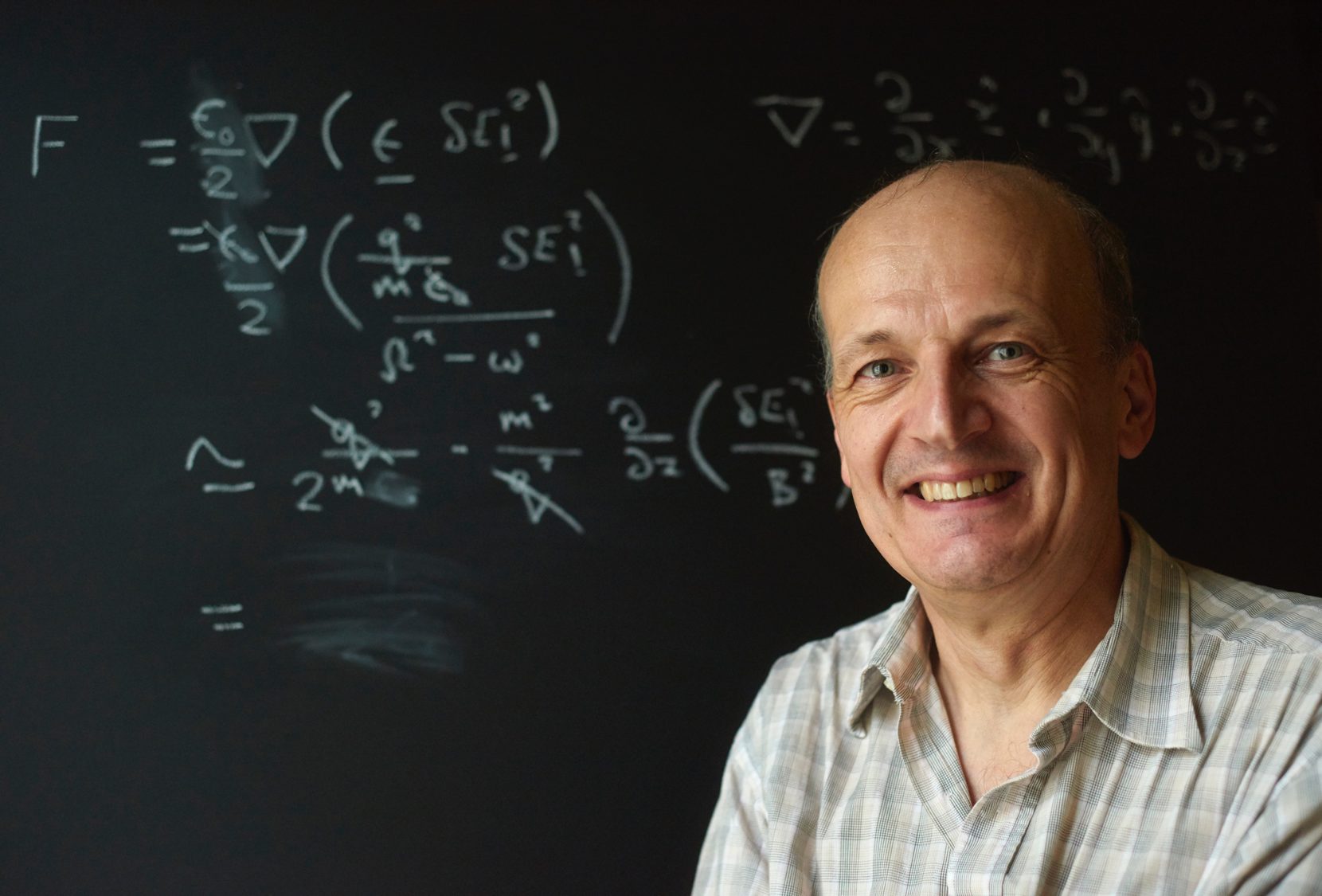 16th April 2026
Variable Element Abundances in the Solar Corona and Wind
– Dr. Martin Laming, Space Science Division, Naval Research Laboratory, Washington DC, USAInterdisciplinary Centre for Security, Reliability and TrustABSTRACT: Element abundances in the solar corona and wind vary from those in the solar photosphere. While some form of fractionation might well be expected as plasma is transported from the photosphere or chromosphere to the corona, the form of the abundance anomaly is unusual. Increasingly clarified in the decades following the first hint in 1963, this abundance anomaly has defied any interpretation in terms of the “usual” plasma physics processes such as the various forms of diffusion, gravitational settling, conservation of adiabatic invariants or inefficient Coulomb drag.
Elements with First Ionization Potential (FIP) below about 10 eV, like Mg, Si, and Fe, are enhanced in abundance in the corona over their typical photospheric values by a factor of about 3-4. Elements with FIP above 10 eV are relatively unaffected. This apparent “step function” in FIP, and the absence of obvious mass dependence posed problems for any model based on quasi-thermal plasma processes.
I describe the modern view of this phenomenon, invoking the “Ponderomotive Force”. This force arises as magnetohydrodynamic (MHD) waves reflect and refract in the solar chromosphere. It is an analog in MHD of “optical tweezers”, the optical part of a magneto-optical trap, now central to various applications in quantum optics. These “MHD tweezers” offer novel diagnostics of and implications for dynamical processes in the solar corona and wind, with applications to the coronal responses to solar activity and the emerging discipline of “space weather”. -
 23rd April 2026
Predicting the geoeffectiveness of Coronal Mass Ejections – Dr. Diana Besliu-Ionescu, Astronomical Institute of the Romanian Academy, Institute of Geodynamics
Interdisciplinary Centre for Security, Reliability and TrustABSTRACT: Coronal Mass Ejections (CMEs) represent the primary drivers of severe space weather, making the accurate prediction of their geoeffectiveness a critical challenge for orbital and ground-based infrastructure. While CMEs are continuously monitored, determining which events will impact Earth, and the intensity of the resulting disturbances, remains a complex forecasting problem.
This seminar will primarily focus on the model developed by Besliu-Ionescu and Mierla (2021). This method utilizes logistic regression to provide a binary forecast of whether a CME will reach Earth and if it will trigger a geomagnetic storm (such as defined by a minimum DST index <−30 nT). To provide broader context, I will briefly examine Machine Learning frameworks used to predict CME geoeffectiveness comparing performances and methodologies. -
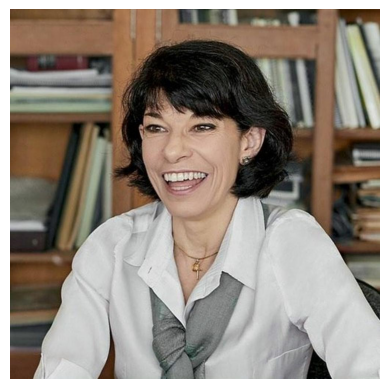 29rd April 2026
Particle Acceleration by Turbulence-Driven Reconnection: From Space and Solar Plasmas to Astrophysical Systems – Prof. Elisabete M. de Gouveia Dal Pino, Instituto de Astronomia, Geofísica e Ciências Atmosféricas (IAG-USP) Universidade de Sao Paulo Cidade Universitária, Brasil
Interdisciplinary Centre for Security, Reliability and TrustABSTRACT: Turbulence-driven magnetic reconnection is increasingly recognized as a fundamental mechanism for accelerating charged particles to high and very high energies in magnetized plasmas. It operates across a broad range of environments, from space and solar plasmas to extreme astrophysical systems associated with compact objects and extended magnetized flows. In this talk, I will present an overview of this acceleration process and a comparative analysis of particle energization in 3D magnetohydrodynamic (MHD) and particle-in-cell (PIC) simulations. I will examine how particle acceleration develops across both microscopic and macroscopic scales, drawing on results from 3D PIC kinetic simulations, hybrid 3D MHD-PIC models, and large-scale MHD simulations. While kinetic-scale PIC models are essential for addressing the injection problem—the initial stage of particle acceleration—macroscopic MHD simulations are needed to determine how particles continue to gain energy and what maximum energies can be reached. I will highlight the main similarities and differences between these regimes, their impact on acceleration rates and energy spectra, and how the transition from micro to macro scales shapes the overall acceleration process. I will further show that particle acceleration in 3D turbulent reconnection is primarily governed by a Fermi-type process, rather than by drift acceleration. This mechanism provides an efficient route to particle energization over a wide range of plasma conditions, with important implications not only for astrophysical sources but also for space and solar plasma environments. Although the main examples will focus on astrophysical systems, particularly active galactic nuclei (AGN), the underlying physical process is quite general and directly relevant to the broader plasma community. I will conclude by discussing applications to AGN sources. -
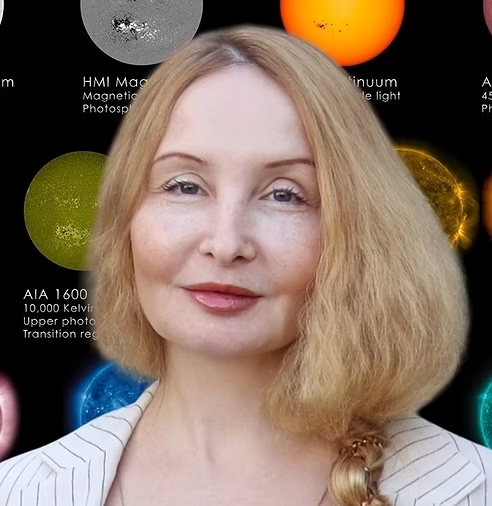 7th May 2026
Space weather impacts on space and terrestrial critical infrastructure – Dr. Olga Khabarova, SnT, University of Luxembourg, Luxembourg
Interdisciplinary Centre for Security, Reliability and TrustABSTRACT: Space weather plays a critical role in satellite operations as well as in ground-based power systems and communication networks. Its impacts arise through processes such as ionospheric and thermospheric disturbances, geomagnetically induced currents, and energetic particle precipitation.
A recent illustrative example is the May 2024 Gannon geomagnetic storm, which reached a minimum Dst of −412 nT. This severe event had a pronounced effect on satellites in Low Earth Orbit (LEO): enhanced solar activity increased atmospheric density, leading to elevated drag, measurable orbital decay, and even satellite loss. Also, this storm’s impact on the Eastern Inner Mongolia power grid was comparable to the March 1989 event.
Forecasting hazardous changes in near-Earth space remains a major scientific and operational challenge, given its direct implications for global security and the long-term sustainability of technological infrastructure. Reliable prediction requires a comprehensive understanding of the physical mechanisms through which space weather affects satellites and other critical systems. While the primary drivers of damage to space- and ground-based infrastructure are broadly understood, no existing model fully captures their combined effects, reflecting the early stage of progress in this field. Notably, statistical studies show no consistent correlation between geomagnetic storm intensity and the occurrence of satellite malfunctions or terrestrial impacts. Instead, infrastructure anomalies are often associated not only with rare extreme events but also with more frequent moderate storms.
In this seminar, I will discuss the physical processes underlying space weather hazards, emphasize the importance of considering the full spectrum of geomagnetic activity in risk assessment, and demonstrate that the severity of impacts depends on the interplay of multiple concurrent factors.