
 Faculty of Science, Technology and Medicine
 Faculty of Law, Economics and Finance
 Faculty of Humanities, Education and Social Sciences
 Interdisciplinary Centre for Security, Reliability and Trust
 Luxembourg Centre for Systems Biomedicine
 Luxembourg Centre for Contemporary and Digital History
 Luxembourg Centre for European Law
 Luxembourg Centre for Socio-Environmental Systems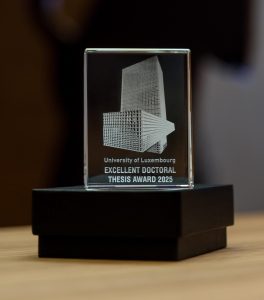
Once again, the University of Luxembourg proudly celebrates the achievements of 14 exceptional doctoral candidates who have been awarded the prestigious Doctoral School of Science and Engineering (DSSE) Excellent Doctoral Thesis Award for their outstanding research. These candidates have demonstrated excellence across a broad range of disciplines, addressing critical issues and offering innovative solutions. With their groundbreaking work now in the spotlight, these talented candidates are poised to make impactful contributions in both academia and industry as they continue to advance their careers.
Doctoral Programme in Computer Science and Computer Engineering
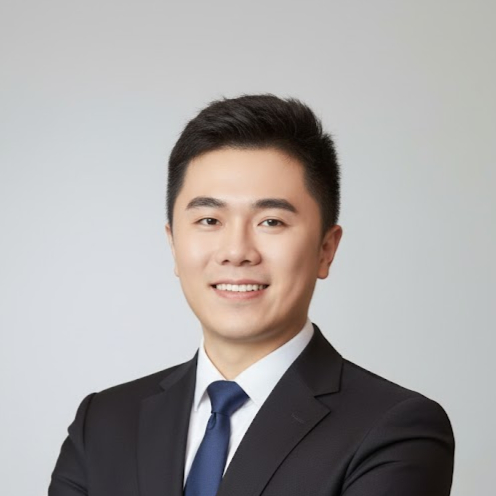
Aoran WANG
Thesis title: Structural Inference of Interacting Dynamical Systems
Supervisor: Jun PANG
Wang’s thesis tackles a central challenge in modern science: how to recover the hidden network of interactions that drives the behaviour of complex dynamical systems, from climate and ecosystems to neural and social networks. Instead of assuming that models are known in advance, his work develops machine-learning methods that learn these structures directly from time-series data, even when observations are noisy, sparse, or high-dimensional. He proposes a family of deep-learning approaches for structural inference, improving both accuracy and data efficiency, and systematically studies when and why they work. To close the gap between theory and practice, he also created StructInfer, one of the first open benchmarks for comparing structural inference methods across domains, enabling fair and reproducible evaluation. Together, these contributions provide robust tools for discovering causal interaction patterns in complex systems, laying foundations for more interpretable, science-ready AI models in physics, biology, and engineering.
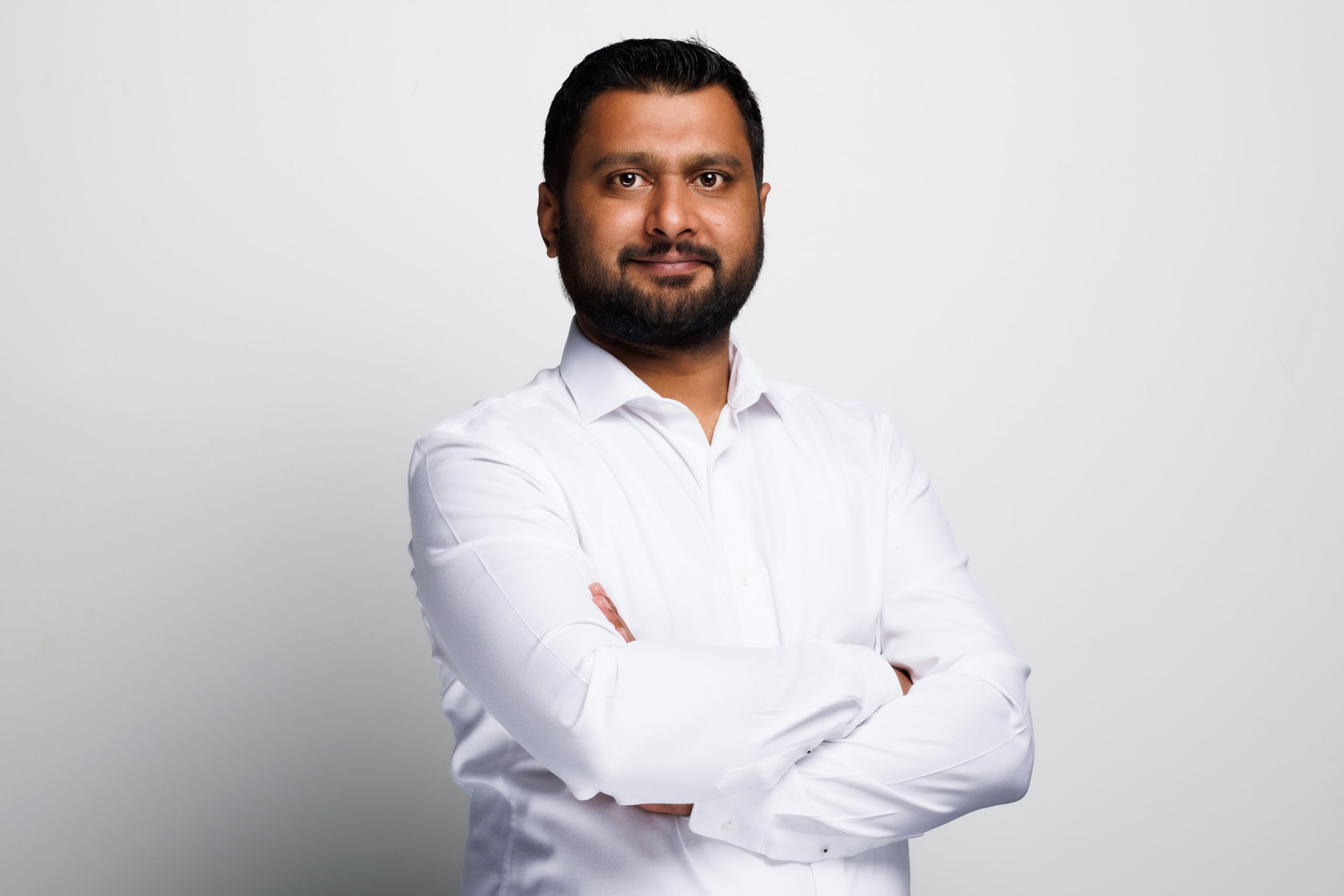
Asad MAHMOOD
Thesis title: COMMUNICATION TECHNOLOGIES FOR UAV-ASSISTED 5G AND BEYOND WIRELESS NETWORKS
Supervisor: Björn OTTERSTEN
A major challenge for future 6G communication systems is providing reliable, low-delay connectivity in places where user demand shifts quickly or permanent infrastructure is limited or impossible. Unmanned aerial vehicles (UAVs) offer a flexible way to extend coverage, support connected devices, and assist during emergencies, but their performance depends on smart choices about how many to deploy and where to fly them within their limited battery power. This research presents several strategies to address these issues. It introduces improved methods to position UAVs in three dimensions, match users to each aircraft, and allocate communication resources more efficiently, leading to stronger coverage and reduced interference. It also explores new reflective surfaces and edge-computing techniques that boost connection quality and cut delays, particularly in challenging environments. Finally, a predictive approach helps UAVs adjust their paths in real time by estimating user movements. Together, these contributions create a more flexible, responsive, and resilient approach to next-generation wireless connectivity.
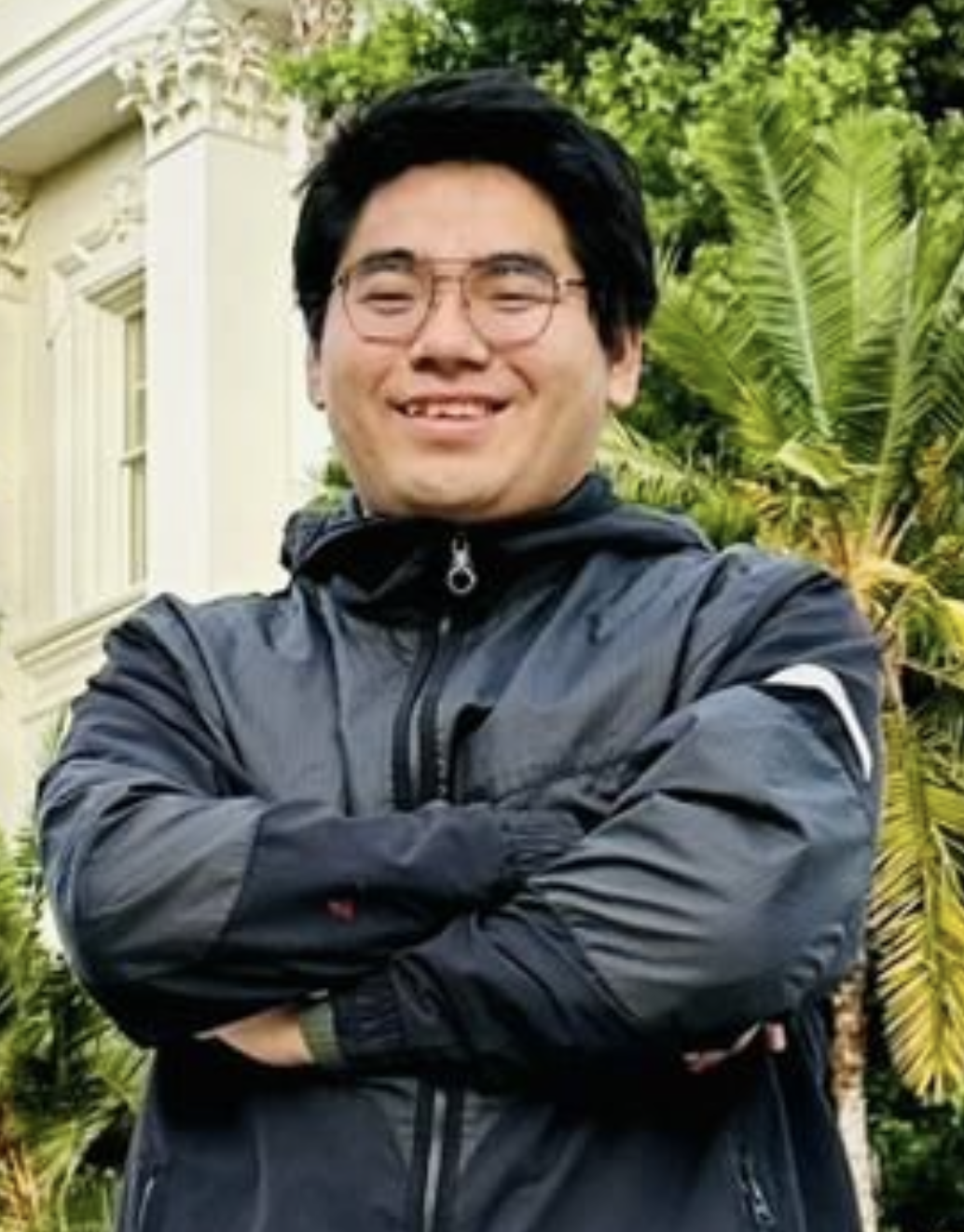
Xunzhu TANG
Thesis title: Automating the Analysis and Generation of Code Changes with Foundation Models
Supervisor: Tegawendé BISSYANDE
Modern software development relies on constant code updates, but the size and complexity of modern codebases make manual review slow and difficult. Tang’s research tackles this problem by creating AI systems that understand how software changes and can work alongside developers. The work begins with models that learn representations of code edits, capturing both structure and intent to improve analysis and explanation of patches. Building on this, Tang developed autonomous agents that talk through code like human reviewers, identify potential issues, and support interactive decision-making. The research also introduces repository-level repair systems, such as SynFix and Repairity, which map dependencies across components and teach AI models to fix faults with clearer, more reliable reasoning. These ideas come together in NoahCode, a next-generation integrated development environment that provides project-wide memory, context-aware assistance, and multi-agent collaboration. Together, these contributions move software engineering toward faster, safer, and more proactive AI-augmented development.
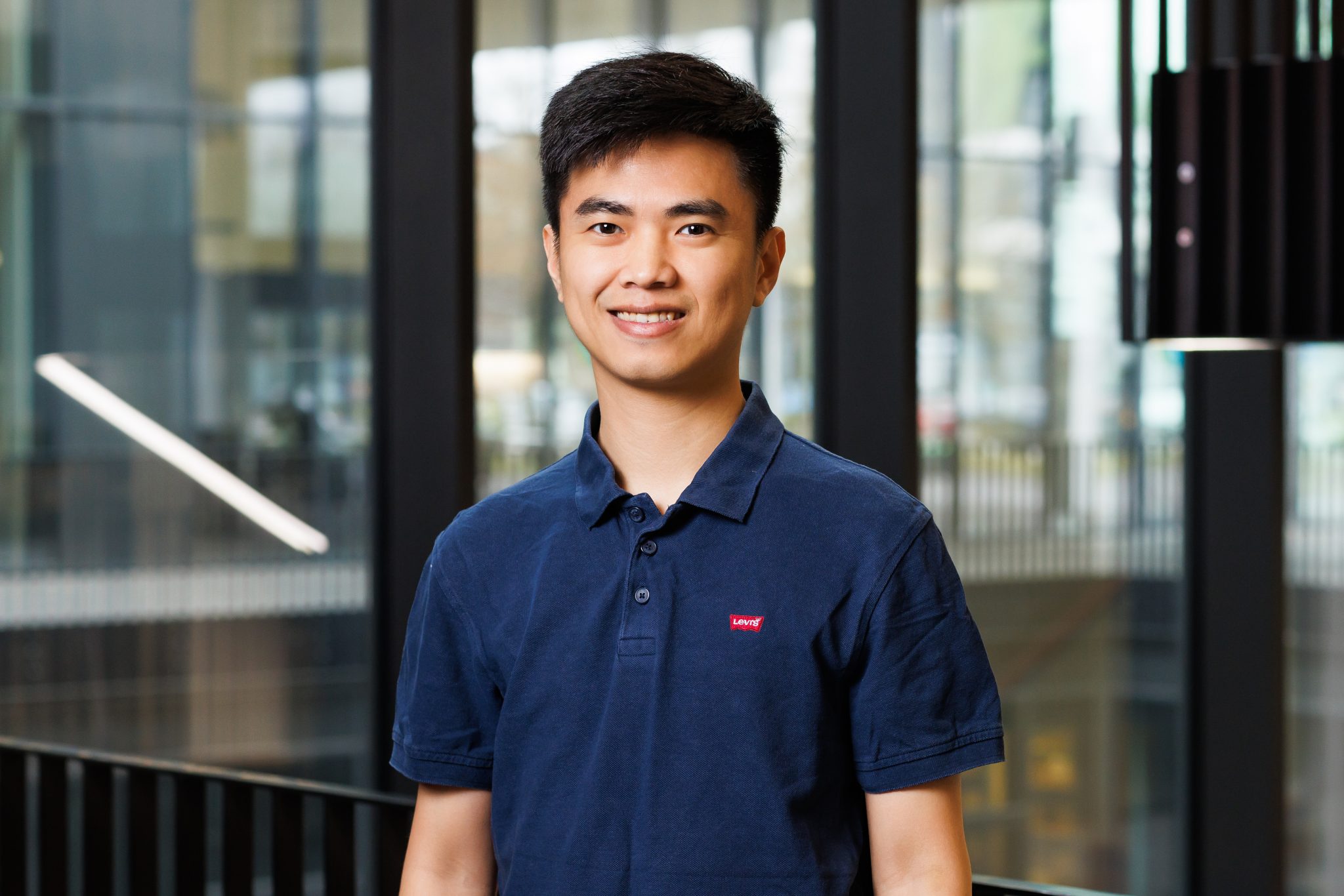
Kha Hung NGUYEN
Thesis title: Dynamic Spectrum Management for Emerging Integrated Satcom and 5G Networks
Supervisor: Symeon CHATZINOTAS
Future mobile networks must cope with soaring data demand while providing reliable coverage everywhere, yet today’s systems struggle to coordinate fast-moving satellites with dense, uneven terrestrial environments. Integrated satellite–terrestrial networks aim to bridge this gap by combining the reach of satellites with the capacity of ground networks. This work explores how to make satellite and 5G networks work together seamlessly for future 6G. It developed intelligent methods to allocate spectrum, manage resources, and maintain smooth connections even with moving satellites and changing demands. Furthermore, this research improves speed, reduces congestion, and strengthens reliability, paving the way for global and continuous connectivity.
Elona DUPONT
Thesis title: DESIGN INTENT AWARE CAD REVERSE ENGINEERING: DEEP NEURAL APPROACHES FOR RECOVERING FEATURE-BASED SEQUENCES FROM3D SCANS
Supervisor: Djamila AOUADA
Doctoral Programme in Systems and Molecular Biomedicine
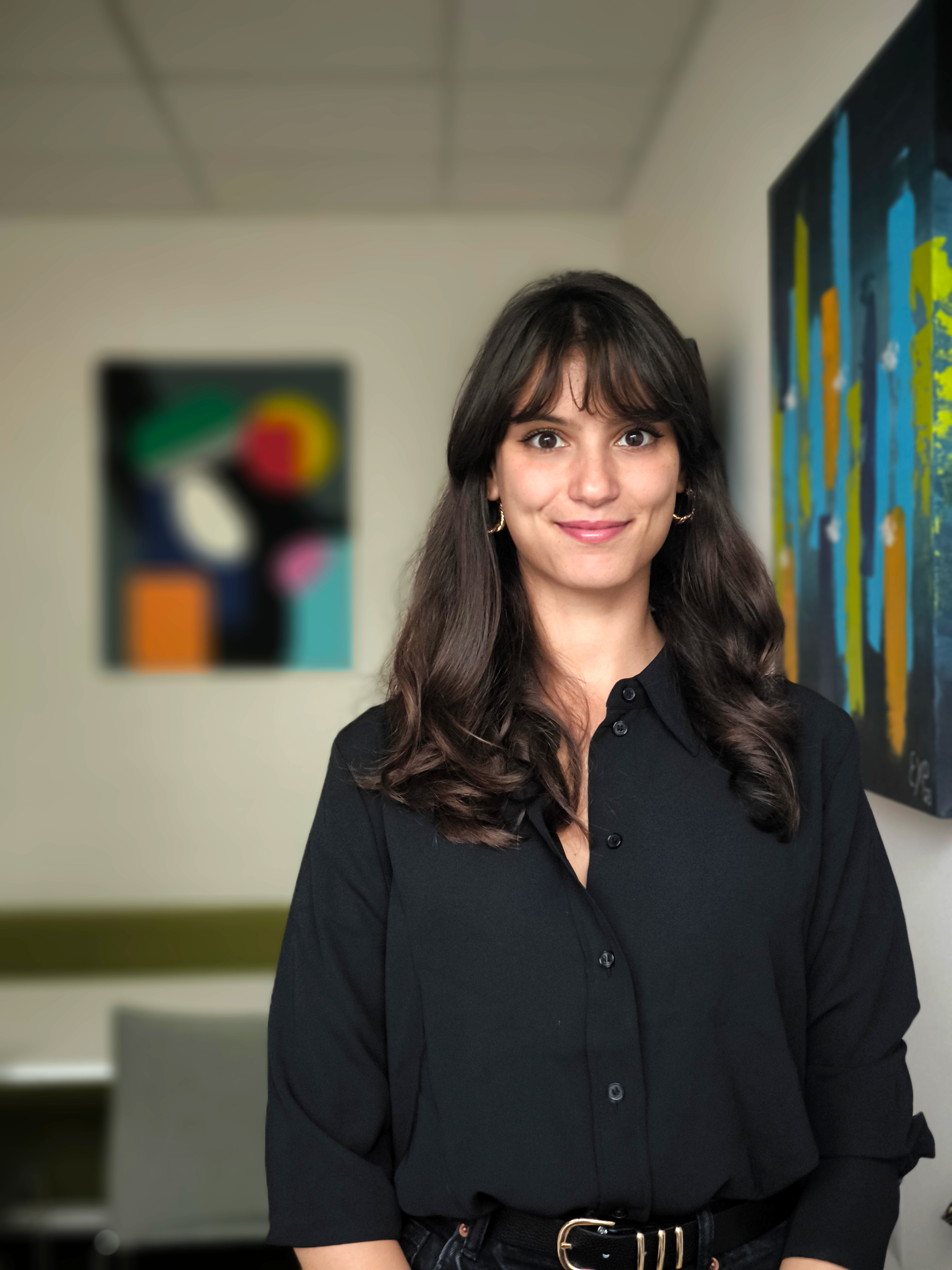
Abir EL BEJI
Thesis title: Identifying vocal biomarkers for symptom monitoring in patients with serious illnesses using artificial intelligence methods
Supervisor: Guy FAGHERAZZI
Abir’s research explores how the human voice can serve as a non-invasive indicator of health, offering new opportunities for remote and accessible health monitoring. By analysing real-life settings audio recordings and clinical data from the Predi-COVID and Colive Voice studies, she developed AI models capable of detecting fatigue in individuals with COVID-19, screening for type 2 diabetes, and assessing respiratory well-being. Her work shows that subtle changes in voice can reflect underlying health conditions, enabling early detection and continuous monitoring. To achieve this, she employed deep learning-based audio embeddings and multimodal data fusion, ensuring models remain reliable outside controlled laboratory environments. Her research also laid the foundation of the first-ever spin-off of the Luxembourg Institute of Health dedicated to voice-based AI solutions (Vocalive, FNR JUMP programme). By integrating innovation in digital health, machine learning, and real-world clinical data, Abir’s work paves the way for scalable, voice-based tools that make healthcare more personalized, accessible, and preventive.
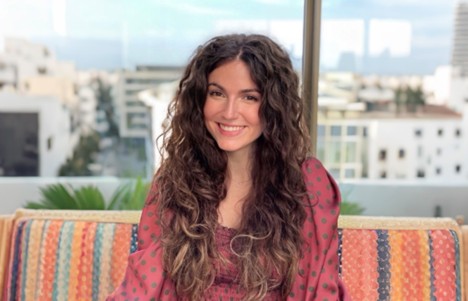
Pilar MORENO SANCHEZ
Thesis title: Precision medicine for Glioblastoma patients: a patient-based pre-clinical platform for immuno-oncology
Supervisor: Anna GOLEBIEWSKA
Glioblastoma (GBM) shuts down the immune system so effectively that even the most promising immunotherapies have failed in patients. To address this problem, Dr. Pilar Moreno-Sánchez developed sophisticated “humanized” GBM mice that allow human immune cells and human tumors to interact inside a living brain. These patient avatars revealed how human T cells and B cells enter the tumor, how they become exhausted, and how their activity is shaped by powerful tumor-associated macrophages (TAMs), which are predominantly derived from the brain’s own microglia. Her work also highlights the intense crosstalk between GBM cells and these TAMs, showing how this partnership reinforces the tumor’s immunosuppressive ecosystem. By testing therapies like PD-1 blockade, she demonstrated that human immune responses can indeed be modulated in these advanced models, offering insights into how the GBM ecosystem might be better primed or rewired for treatment. This thesis provides a unique platform to foster the development of more effective immune-based strategies for GBM patients.
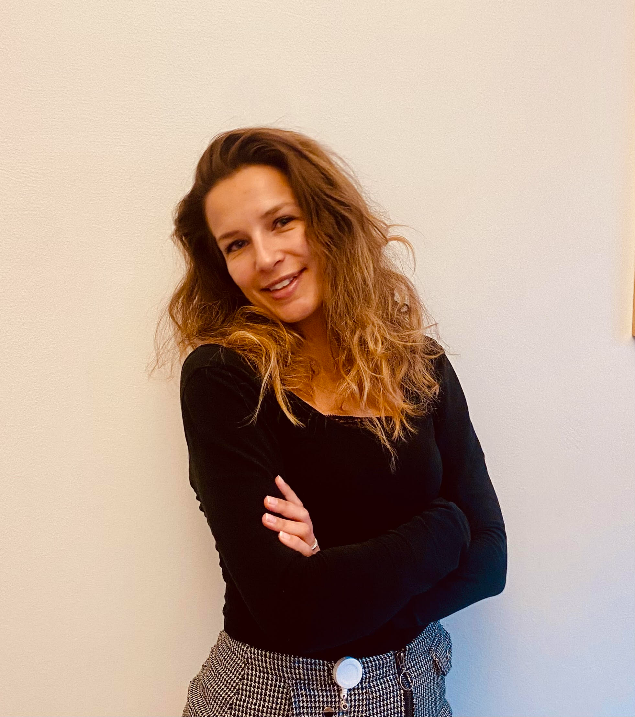
Frida MOGENSEN
Thesis title: Microglia programs under PARK7/DJ-1 deficiency, a genetic cause of Parkinson’s disease
Supervisor: Alessandro MICHELUCCI
Parkinson’s disease (PD), the second most common neurodegenerative disorder, is marked by α-synuclein accumulation in Lewy bodies and progressive loss of dopaminergic neurons, gradually affecting motor control, cognitive functions, and overall quality of life through symptoms such as tremor, rigidity, bradykinesia and postural instability. Aging is the major risk factor, alongside genetic defects such as mutations in the PARK7 gene encoding DJ-1, a protein with key antioxidant and stress-protective functions. DJ-1 loss causes early-onset PD and may contribute to broader disease forms. Environmental factors, pesticide exposure and microbial infections, further increase PD risk, partly by promoting neuroinflammation driven by activated microglia, the brain’s immune cells. Studying mice lacking DJ-1, Dr Lind-Holm Mogensen observed reduced expression of inflammation- and stress-related genes, impaired immune responses, and altered morphology at midlife, followed by exaggerated inflammation in aging. Even without inflammatory stimuli, mutant microglia showed chronic stress features and a weakened interferon response. Similar defects occurred in human microglial cells carrying the mutation. Overall, the work of Dr Lind-Holm Mogensen shows that DJ-1 loss increases oxidative stress and disrupts microglial functions, linking genetic risk to neuroinflammation and PD progression. These findings pave the way for innovative therapeutic approaches targeting these cells to potentially slow down progression of this debilitating disorder.
Doctoral Programme in Physics and Material Sciences
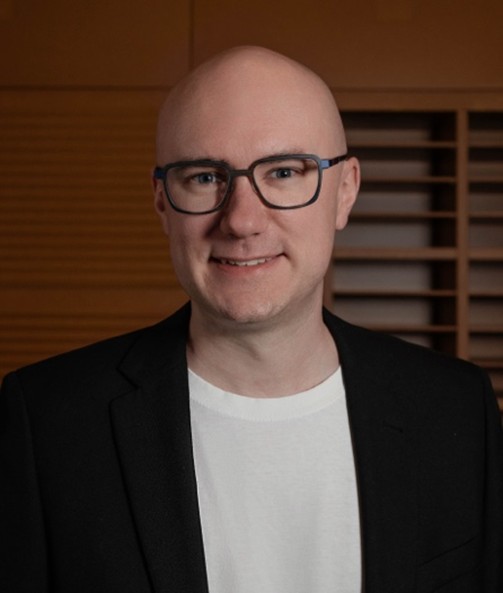
Michael ADAMS
Thesis title: Magnetic Small-Angle Neutron Scattering from Nanoparticles: Theory and Simulation of Surface Anisotropy and Magnetodipolar Interaction Effects Beyond the Superspin Model
Supervisor: Andreas MICHELS
Magnetic nanoparticles play a central role in technologies ranging from medical imaging to data storage, yet their internal magnetic structures are nearly impossible to observe directly. Adams’s research addresses this challenge by uncovering how nanoscale spin textures leave measurable “fingerprints’’ in magnetic small-angle neutron scattering (SANS). Through a combination of large-scale computer simulations and simplified analytical models, he shows how complex magnetic configurations—such as vortex-like or hedgehog-shaped textures—produce characteristic scattering signatures. A major outcome of his thesis is NuMagSANS, a GPU-accelerated open-source software package that enables fast and reproducible simulations of magnetic SANS from realistic, large-scale spin textures—capabilities previously difficult or impossible to achieve with existing tools. NuMagSANS provides a transparent link between three-dimensional magnetization patterns and experimentally observable scattering signals. Together, these contributions advance our understanding of magnetic nanostructures and equip the neutron-scattering community with powerful new tools for analysing materials relevant to nanotechnology, energy research, and future magnetic devices.
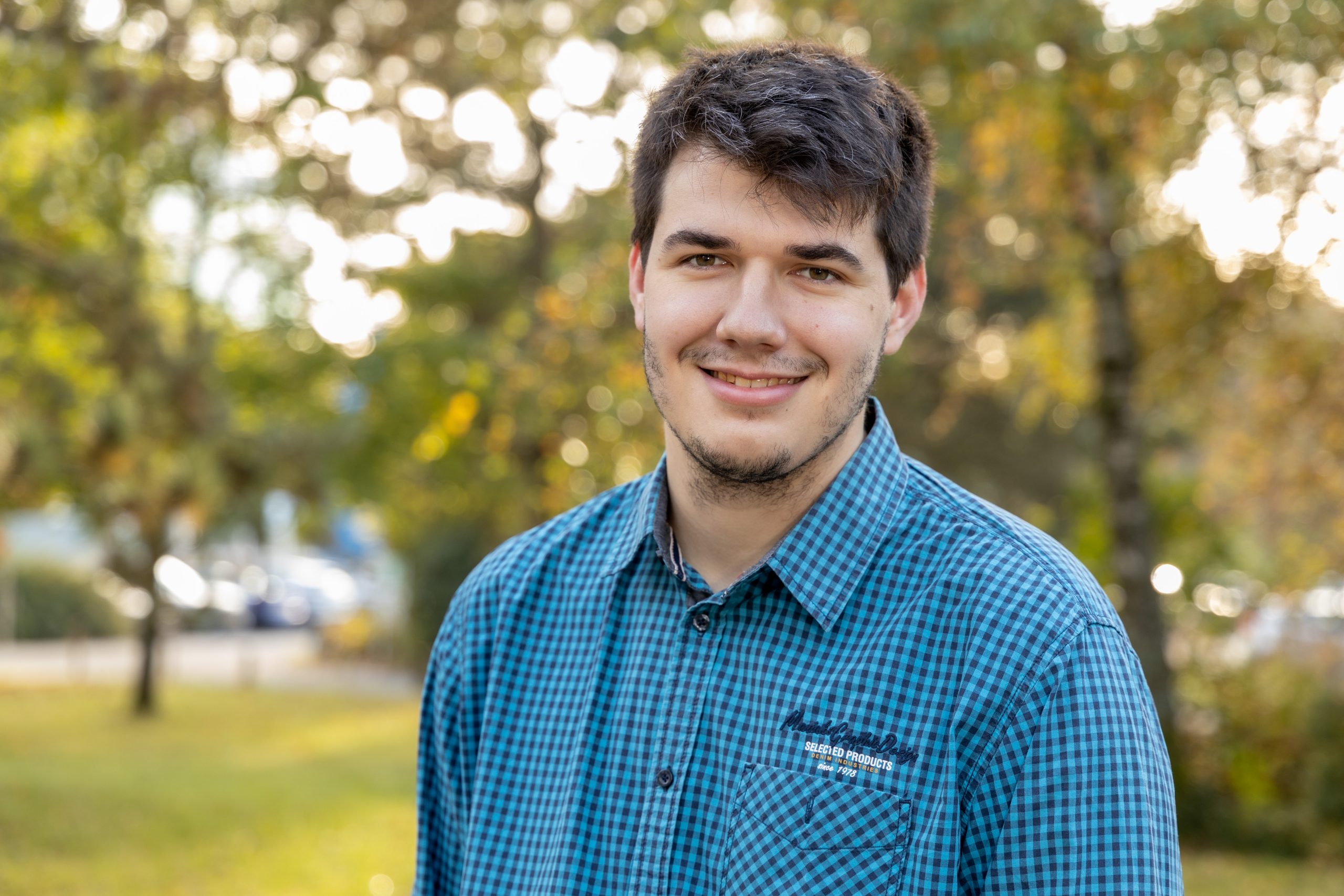
Pablo MARTINEZ AZCONA
Thesis title: Randomness in Dissipative and Chaotic Quantum Dynamics
Supervisor: Aurelia CHENU
This thesis investigates how randomness affects the behaviour of quantum systems. It shows how random fluctuations can either stabilize or destabilize the dynamics and how they influence the spread of information within the system. The work also examines situations where a quantum system not only experiences randomness but also loses energy to its surroundings; using a qubit as an example, it identifies distinct long-term behaviours, including a newly observed one where the system is driven into its “lossy” state. Finally, the thesis uses randomness to better understand the butterfly effect in the quantum world by analysing patterns in the correlations between energy levels of complex quantum systems. Overall, it highlights that randomness is not always detrimental in quantum systems, but can be used to reshape quantum evolution.
Muralidhar NALABOTHULA
Thesis title: Symmetries of Excitons: Implications for Exciton-Phonon Coupling and Optical Spectroscopy
Supervisor: Ludger WIRTZ
When an electron is excited in semiconductors, it leaves behind a positively charged void known as a hole. The hole can then interact with the excited electron via the Coulomb interaction to form a hydrogen-like bound state known as an exciton. In some semiconductors, in particular in one-atom thick, quasi-two dimensional crystals, excitons play a central role for the optical properties. In this PhD work, we investigate how crystal symmetries govern the shape (symmetry) of excitons. The symmetry influences the way that an exciton can interact with photons and other quasiparticles such as phonons(lattice vibrations). Using a symmetry-based framework, we provide new microscopic insights into scattering processes that underlie spectroscopic techniques such as absorption, resonant Raman scattering, and phonon-assisted luminescence. Beyond fundamental understanding, this thesis also delivers open-source computational tools that significantly accelerate simulations of optical properties of materials.
Doctoral Programme in Engineering Sciences
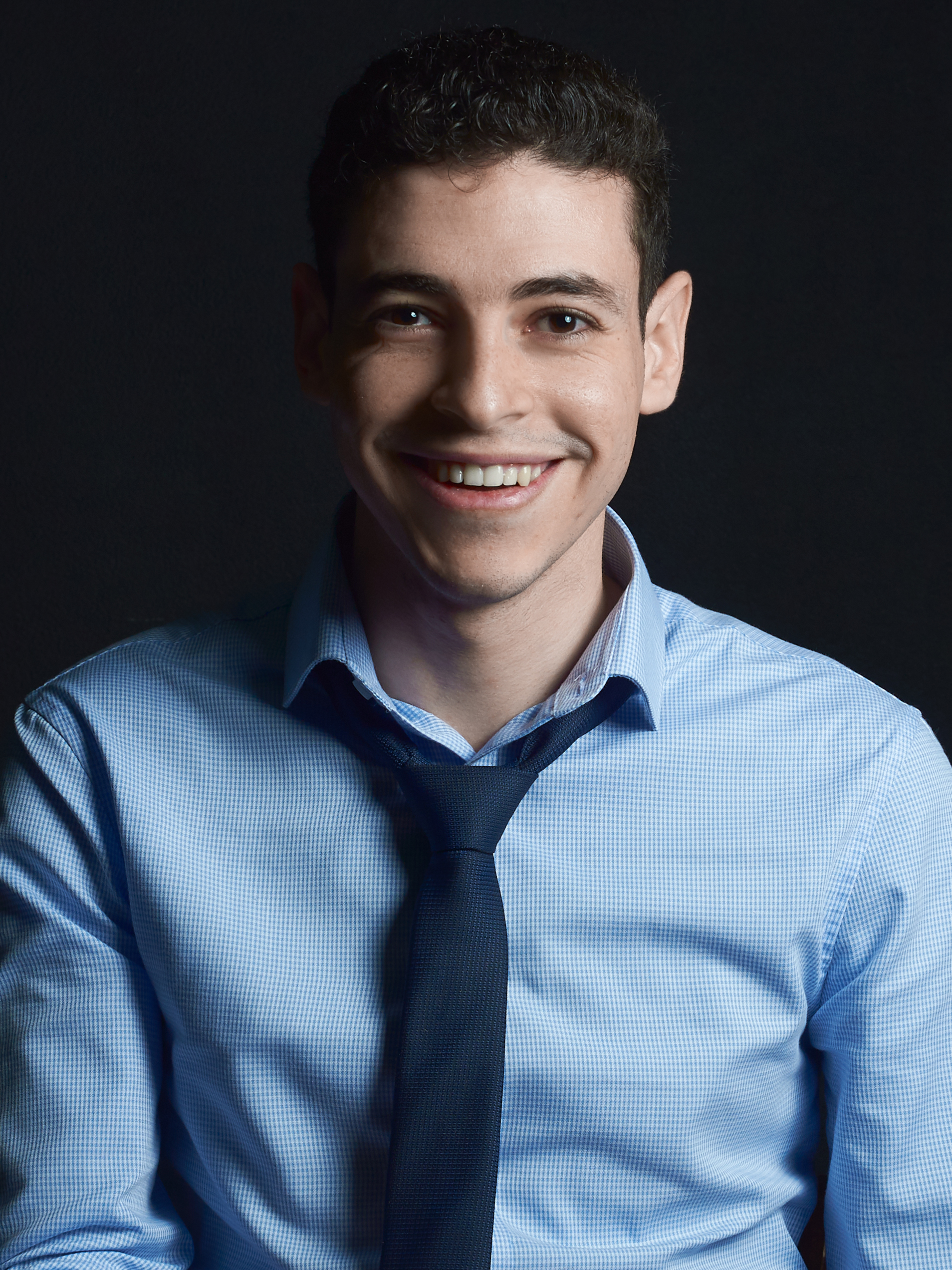
Ahmed MAHFOUZ
Thesis title: Autonomous Guidance, Navigation and Control of Formations of Under-actuated Microsatellites
Supervisor: Holger VOOS
Formation flying allows a team of satellites to operate as a single coordinated system. However, achieving this level of precision is extremely difficult, not because suitable methods are lacking, but because the required calculations are too demanding for the limited onboard computers carried by most satellites. This research addressed that challenge to enable formation flying for LuxSpace’s new-generation Triton-X satellite.
The core innovation lies in simplifying the underlying optimisation problem so that the best manoeuvres can be computed quickly and reliably. By restructuring the mathematics, the system produces solutions that standard onboard processors can calculate in real time.
This approach is efficient enough to control satellites equipped with only a single low-thrust engine, a design constraint of Triton-X. By making these calculations fast and autonomous, this research brings advanced formation flying within reach for Triton-X and supports more capable satellite missions in the future.
Doctoral Programme in Complex Systems Science
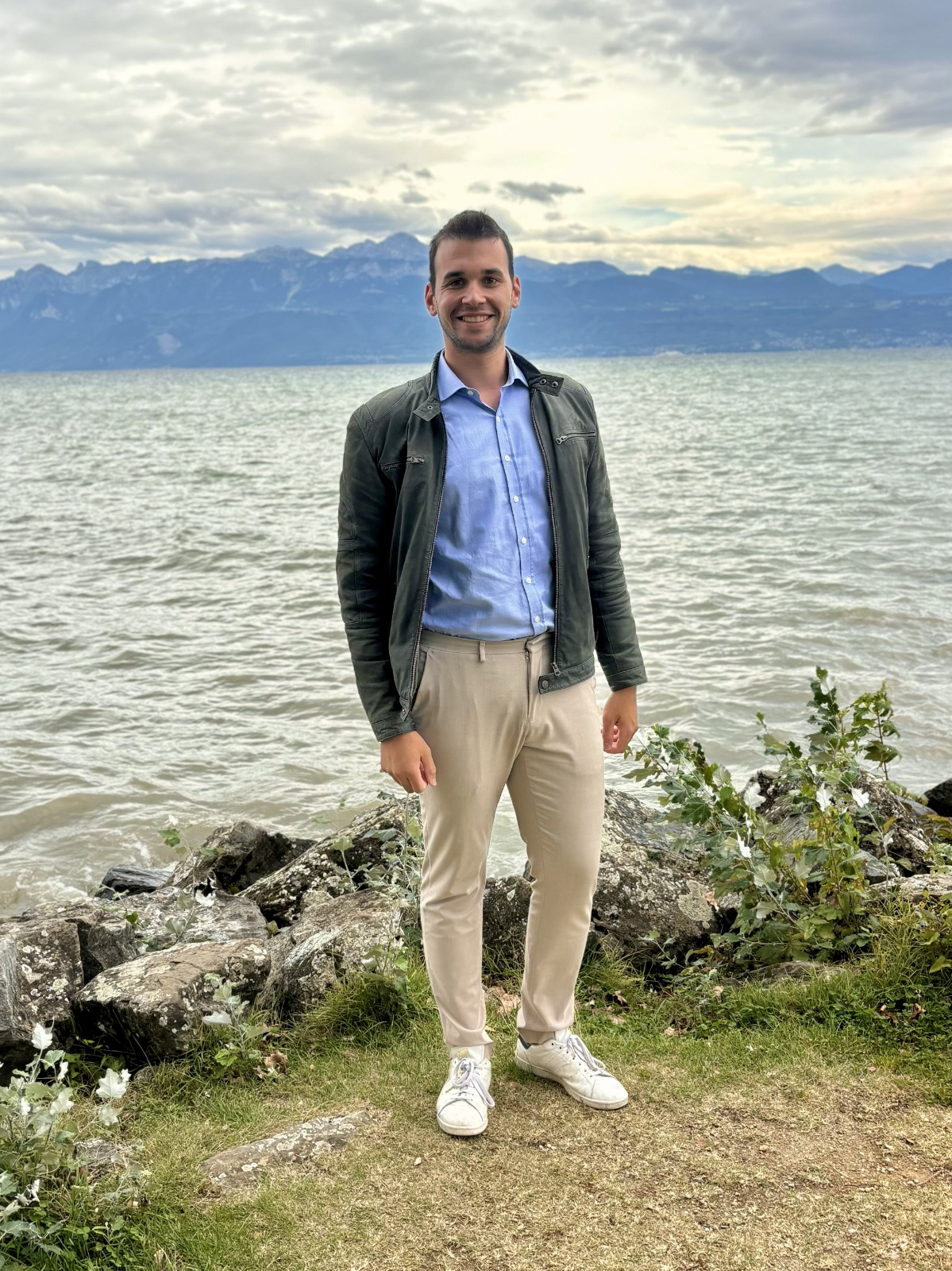
Thomas LAVIGNE
Thesis title: Biomechanical Response of Human Skin: A Hierarchical Porous Media Framework.
Supervisor: Stéphane BORDAS
Pressure ulcers are a major healthcare challenge, affecting around 20% of patients in Europe and up to 50% worldwide. To address this, we use a digital approach that combines computer modelling with real patient data to better understand how these wounds begin—and how to prevent them.
Thomas Lavigne’s PhD focuses on how sustained pressure disrupts the delicate balance between the skin’s structure and its oxygen supply.
Imagine the skin as a living sponge filled with tiny blood vessels. When it is pressed for too long, this sponge struggles to deliver oxygen, and the tissue starts to break down. Using real patient data, the digital model successfully replicates how this process happens: from the first signs of squeezed blood vessels and oxygen loss (ischemia), to the sudden rush of blood when the pressure is released (hyperemia).
With its open-source development, this model allows us to see how mechanical forces and biological responses work together to cause pressure ulcers. This is a key step toward better understanding, prevention, and personalized care. By identifying exactly where the skin is most vulnerable, we can develop treatments suited to each person’s unique physiology.
Doctoral Programme in Mathematics and Applications
Alfio LA ROSA
Thesis title: Arithmetic Applications of the Trace Formula and Asymptotic Orthogonality of Tempered Representations
Supervisor: Gabor WIESE
Understanding symmetry in nature has been one of the major driving forces in the development of scientific thought. Many symmetries can be investigated using the mathematical notion of ‘representation’; a concept that plays a fundamental role, for example, in Einstein’s Theory of Relativity and in the Standard Model of Particle Physics. Thanks to the pioneering work of Robert P. Langlands, mathematicians have begun to realise that certain representations arising in Harmonic Analysis, called Automorphic Representations, and certain representations appearing in Number Theory, called Galois Representations, should be deeply interconnected. In some cases, Automorphic and Galois Representations originate from a ‘common source’ and it is possible to relate them. In general, however, the correspondence remains elusive. In his thesis, La Rosa proposed a novel method to investigate this problem in the setting in which the common source does not exist. In addition, in collaboration with Anne-Marie Aubert, he proved a conjecture on the behaviour of a special family of representations, the so-called Tempered Representations, which had been proposed by the mathematicians David Kazhdan and Alexander Yom-Din.