Faculty of Science, Technology and Medicine
 Faculty of Law, Economics and Finance
 Faculty of Humanities, Education and Social Sciences
 Interdisciplinary Centre for Security, Reliability and Trust
 Luxembourg Centre for Systems Biomedicine
 Luxembourg Centre for Contemporary and Digital History
 Luxembourg Centre for European Law
 Luxembourg Centre for Socio-Environmental Systems
In 2024, the University of Luxembourg, in collaboration with Casino Luxembourg – Forum for Contemporary Art / Casino Display — welcomed its first artist-in-residence to engage with members of the scientific community. If this type of collaboration, where artists and scientists work together to tackle complex societal issues, is a first for the university, it has become more common in recent years. This can be seen in the growing number of funding instruments, programs, and public/private partnerships within academia.
Collaborations, interactions, and exchanges between artists and scientists yield numerous benefits, such as diversifying viewpoints, challenging established protocols, increasing the accessibility of scientific knowledge for lay audiences, fostering innovation, to name just a few. Yet, they also raise important questions. In light of ongoing spending cuts in the arts and humanities, how can institutions ensure that artists in residence are treated as equal partners in these collaborations? How can scientists and/or engineers benefit from exchanges with artists, without reducing artistic practice to the mere illustration of their findings and techniques? Furthermore, what is the status of the resulting works: when projects are co-created, under what conditions can they be considered art, science, or both at once?
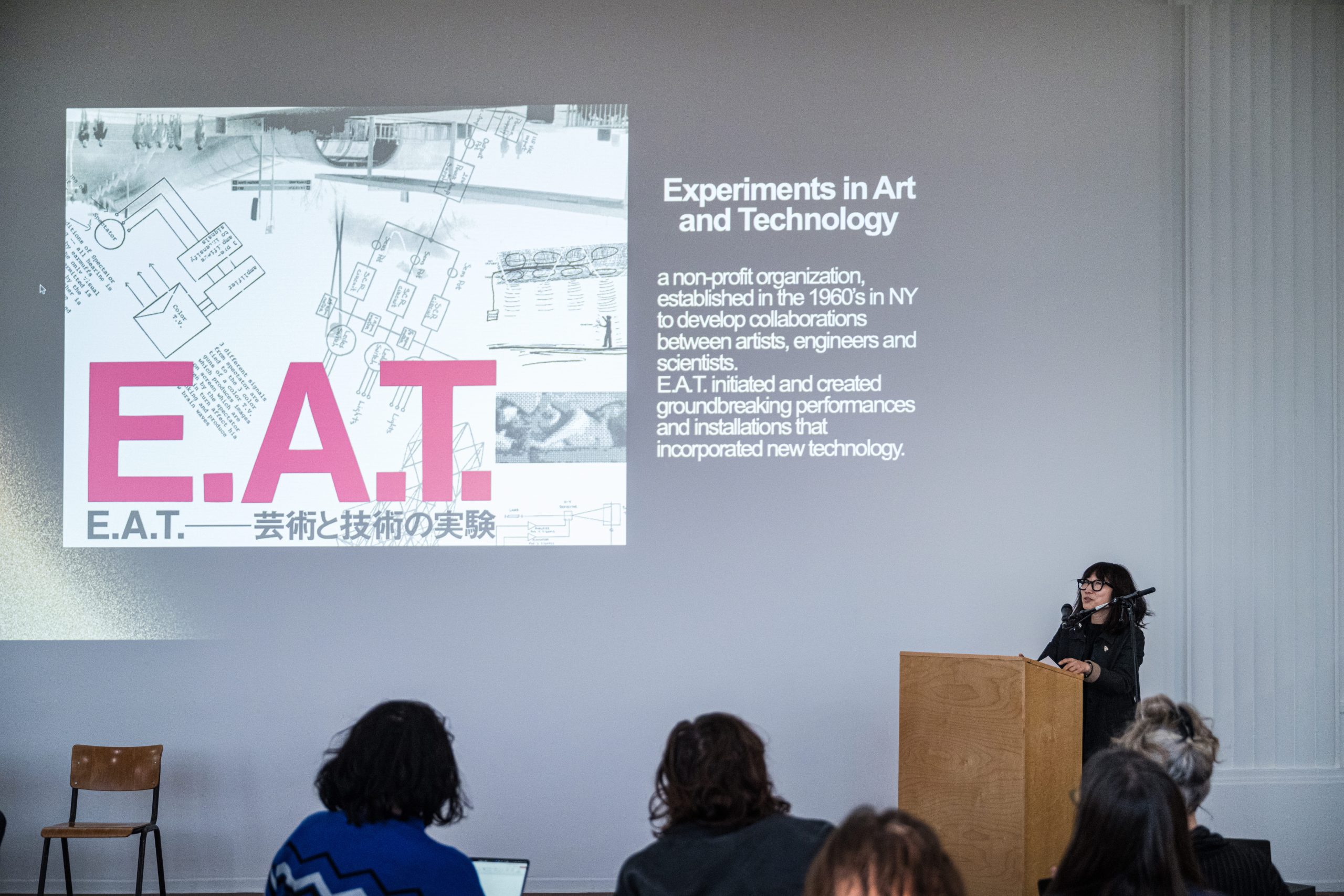
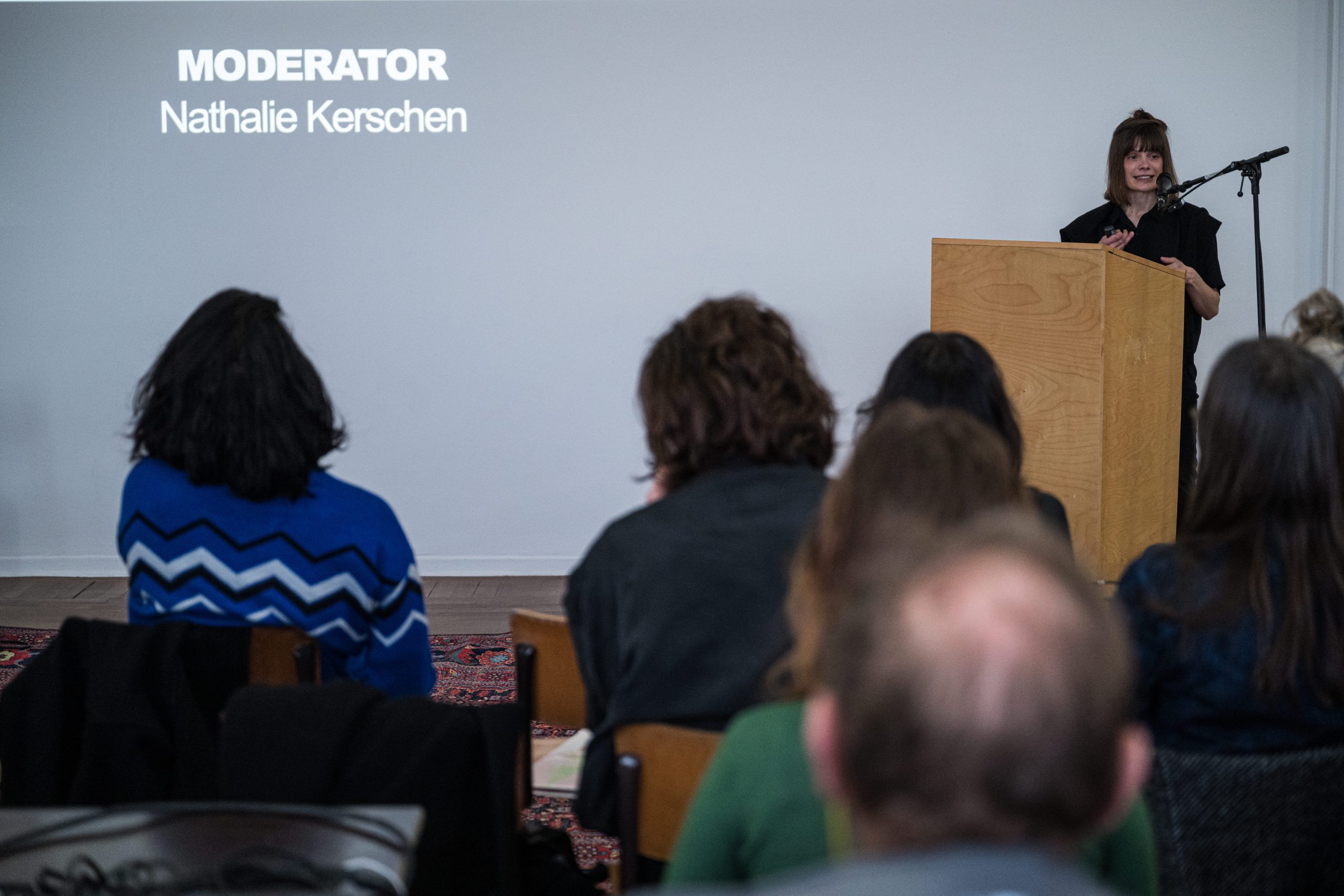
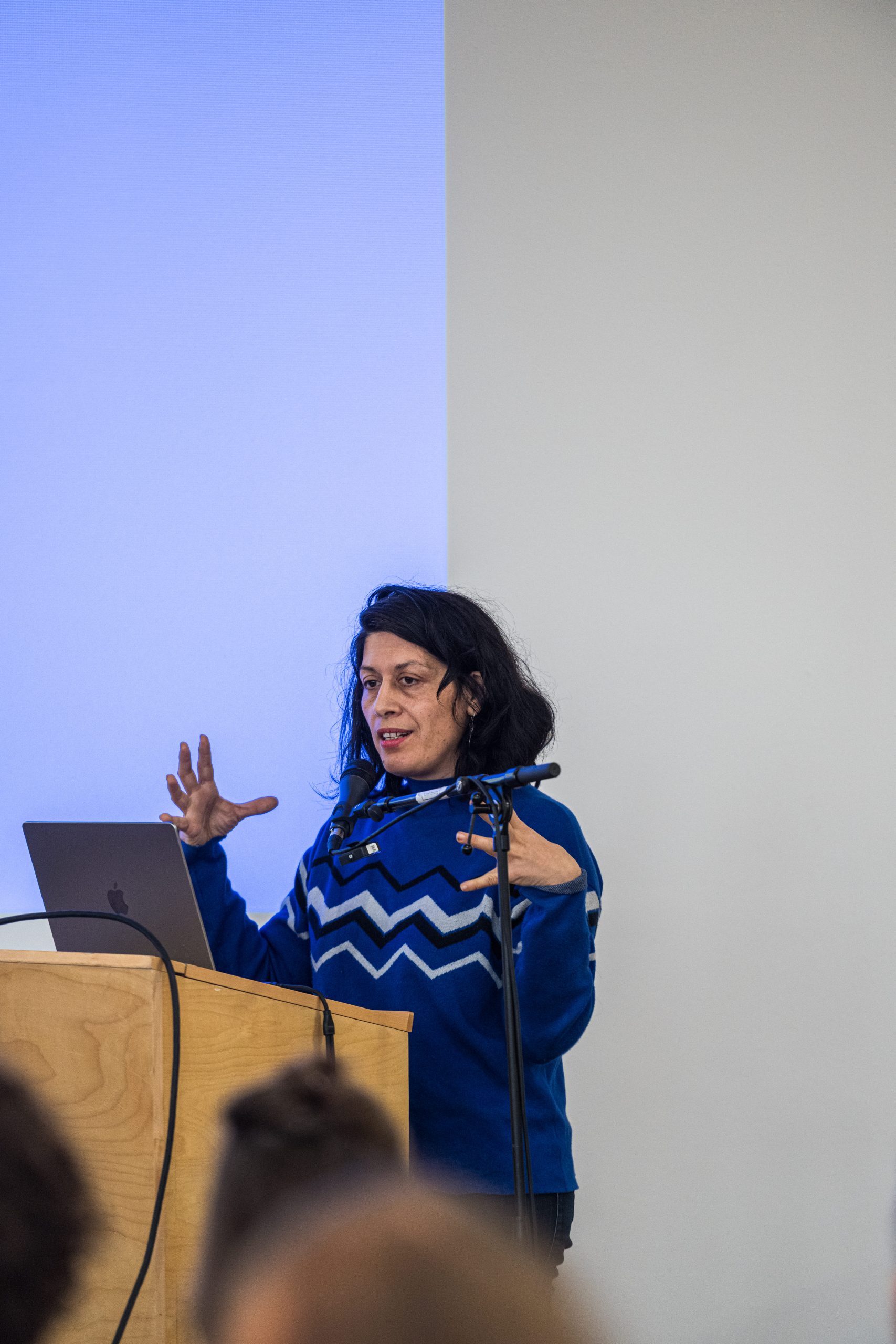
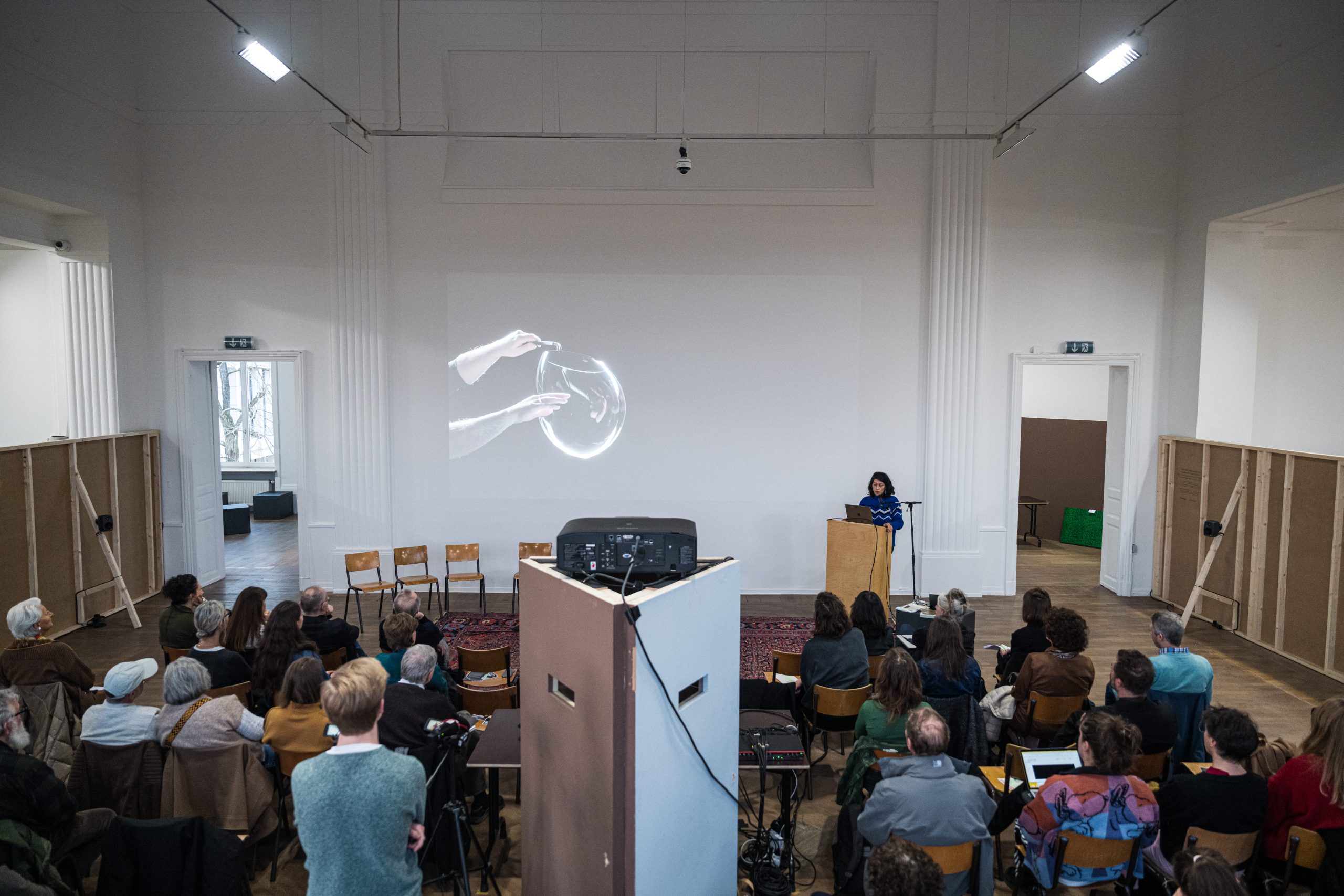
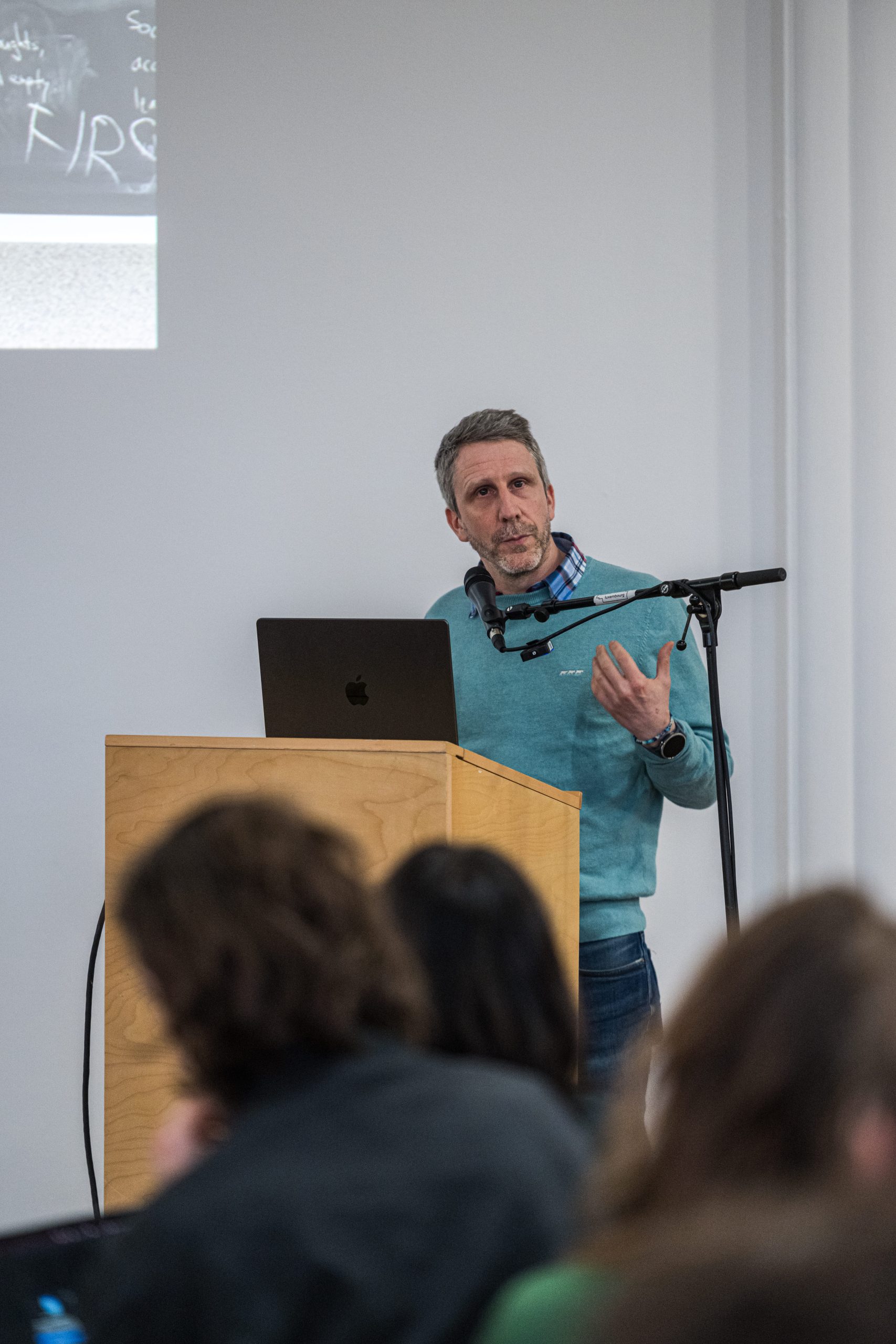
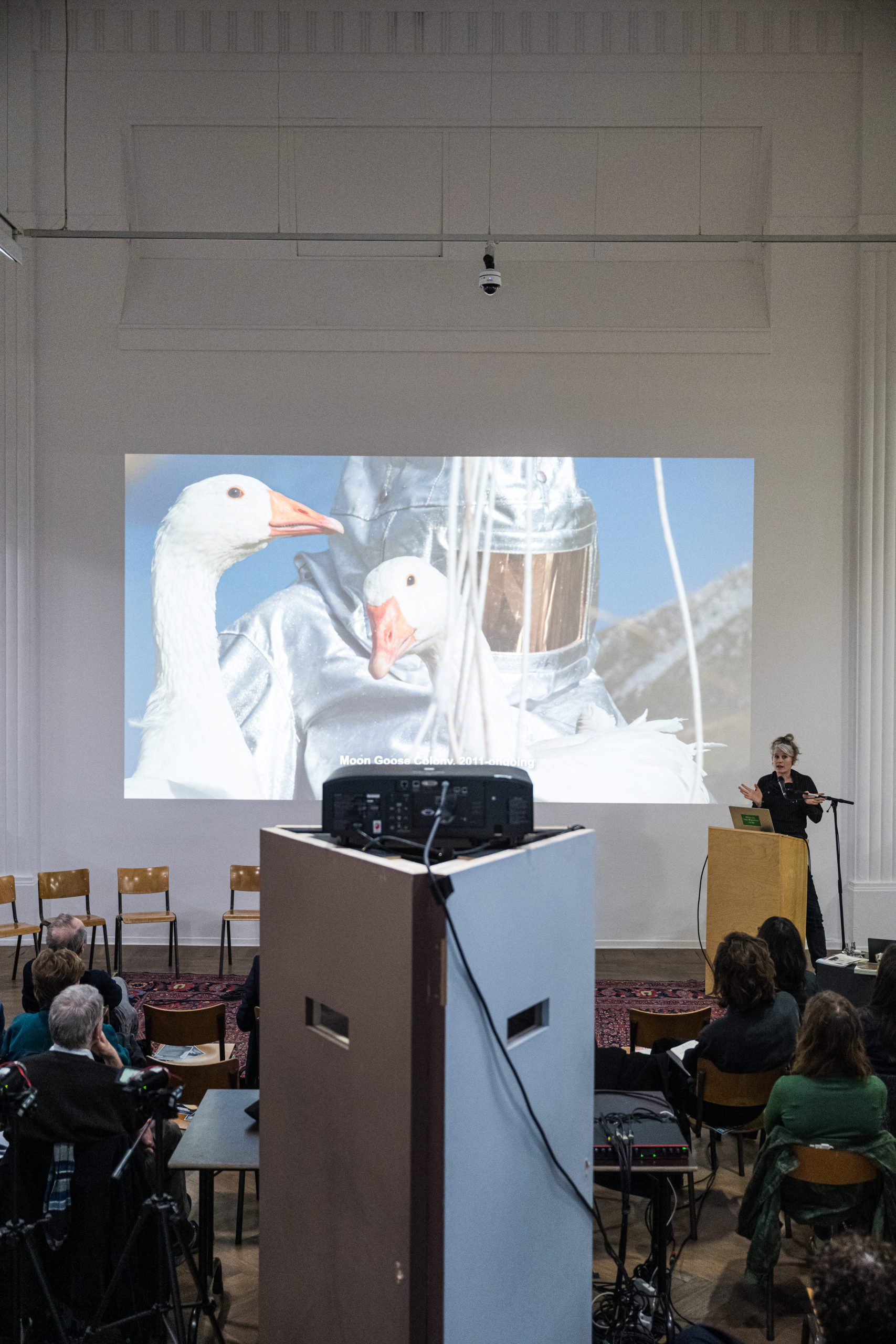
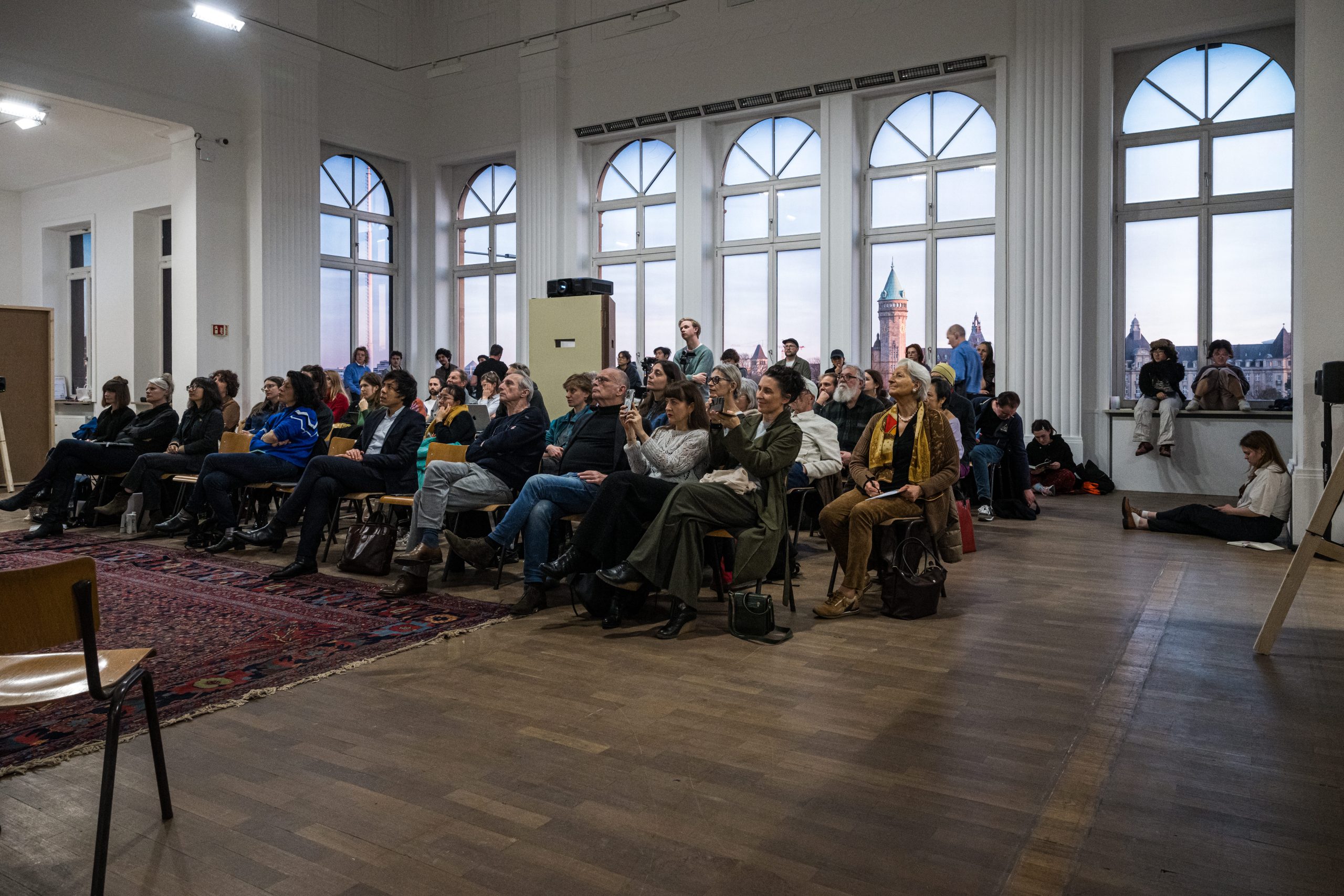
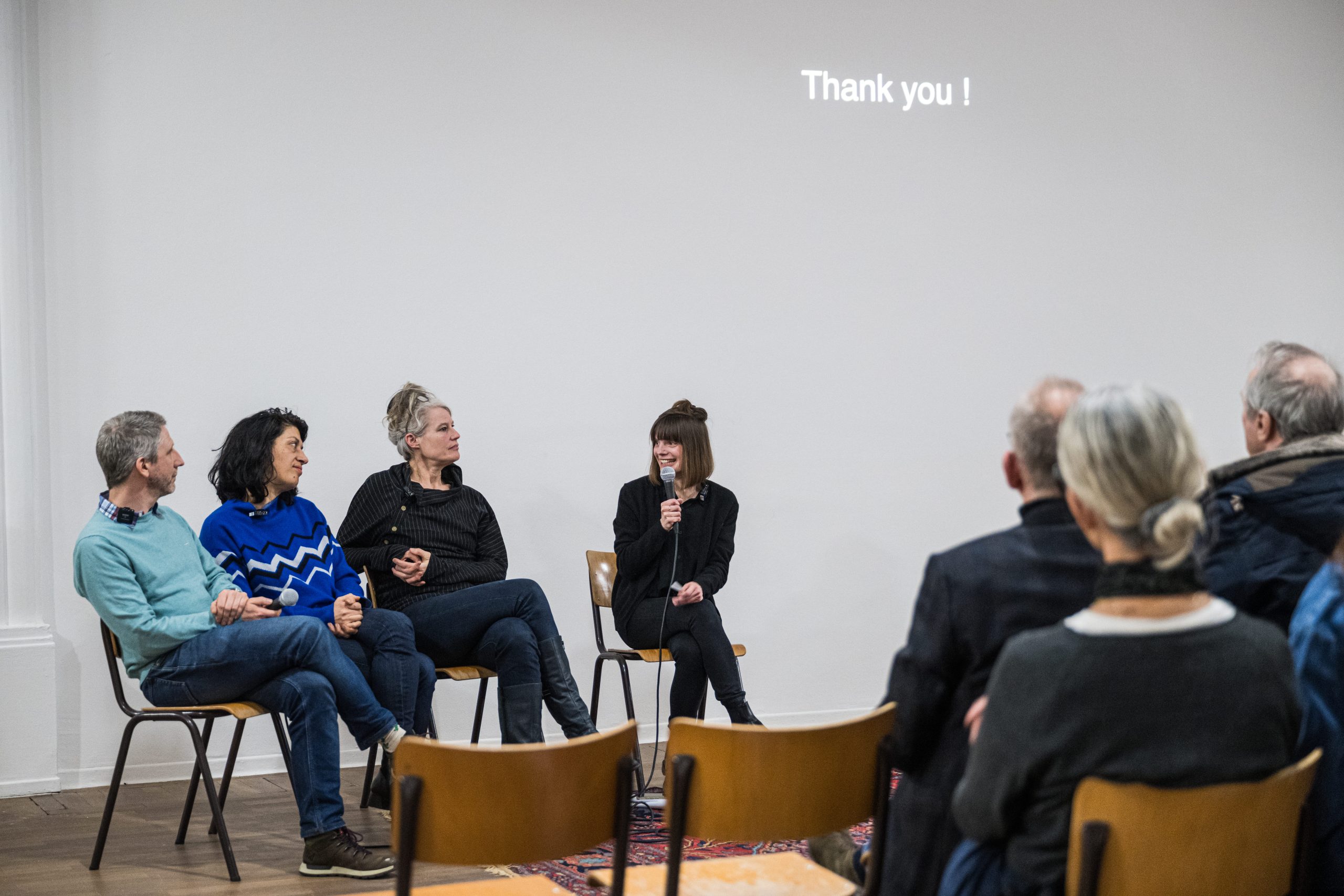
The second TASTE talk brings together researchers and artists to discuss the entanglement between art, science, and technology within their practices. At the threshold between lived experience and scientific experimentation, they explore how interdisciplinary approaches shape and expand our understanding and perception of bodies — as living, non-human, posthuman, geometrical, etc.
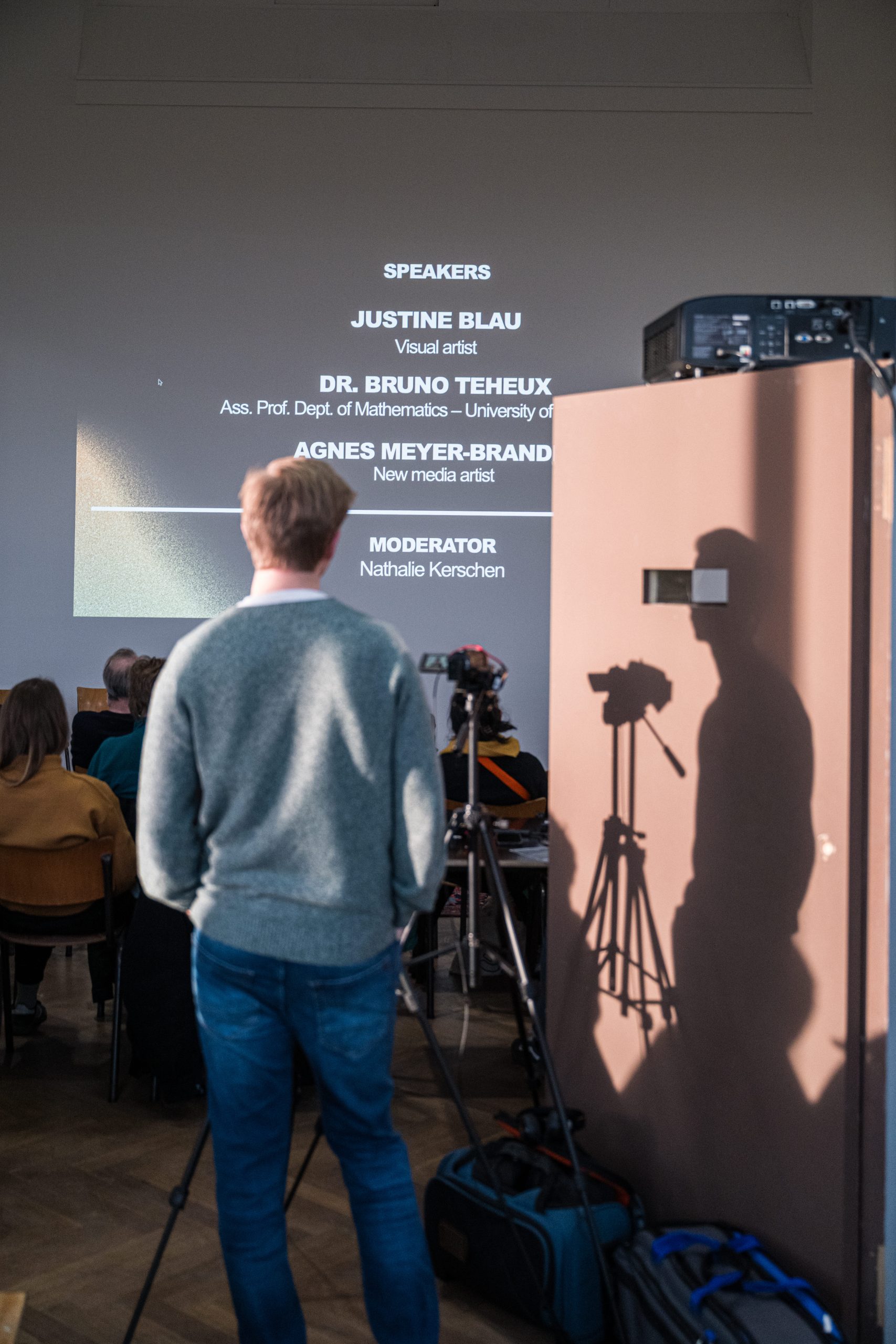
- Justine Blau – Visual artist
- Agnès Meyer-Brandis – New media artist
- Bruno Teheux – Assistant Professor at the Department of Mathematics
-
© Mike Zenari (2025)
-
-
-
-
-
-
-
-
-
Find out more about the TASTE series here: