Faculty of Science, Technology and Medicine
 Faculty of Law, Economics and Finance
 Faculty of Humanities, Education and Social Sciences
 Interdisciplinary Centre for Security, Reliability and Trust
 Luxembourg Centre for Systems Biomedicine
 Luxembourg Centre for Contemporary and Digital History
 Luxembourg Centre for European Law
 Luxembourg Centre for Socio-Environmental Systems
About this event
Explore the forefront of neuroscience with the LCSB Neuroscience Lecture Series, featuring scientific presentations from internationally renowned experts in various disciplines of neuroscience.
Meet the speaker! One-on-one meeting opportunities with the speaker can be arranged by emailing Murielle Moes.
Alzheimer’s disease: connecting pathogenic mechanisms to hallmark symptoms.
The amyloid hypothesis, which posits that amyloid-beta accumulation drives Alzheimer’s Disease, has dominated the field for decades. However, mounting molecular, cellular, and therapeutic evidence challenges this linear, neurocentric view of disease progression.
Building on the concept of the ”cellular phase of Alzheimer’s Disease,” we propose a model that highlights the central role of progressive gliosis and inflammation. These processes, initially triggered by amyloid fibrils, gradually become self-sustaining, driving neuropathology through distinct inflection points that mark successive phases of disease.
This theory is supported by the avalanche of novel insights generated over the past decade from transcriptomic and proteomic studies of sporadic AD cohorts. These findings emphasize the complexity of disease mechanisms, which unfold in parallel and necessitate phase-specific, tailored therapeutic strategies. The proposed model provides a unifying framework to integrate and interpret the wealth of data that has accumulated over the last decade.
About the speaker
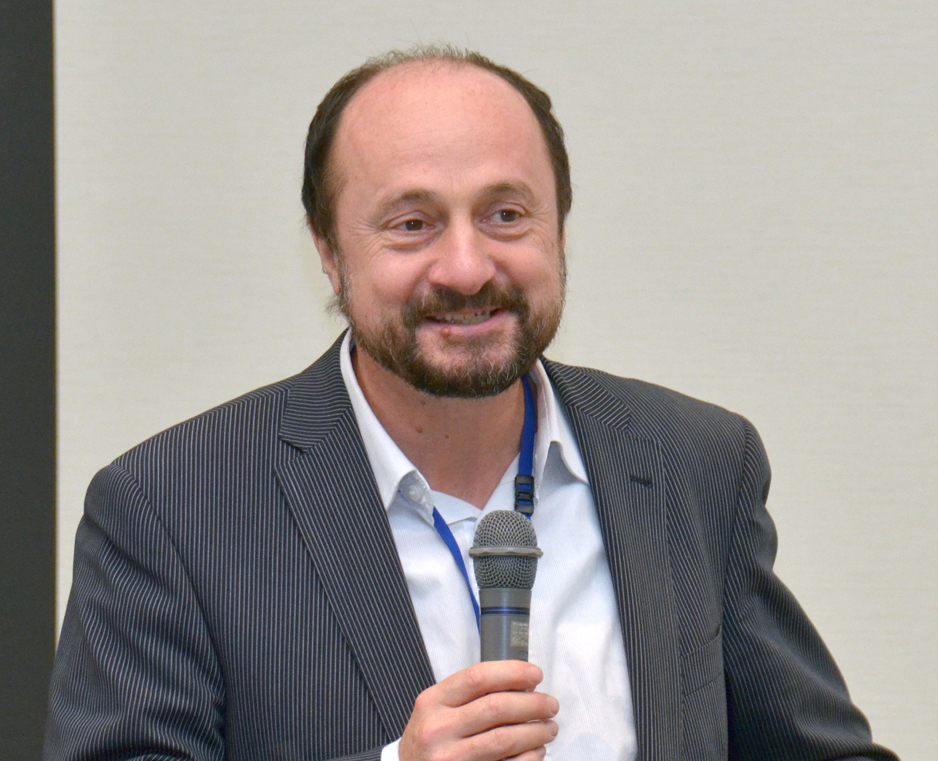
Prof. Bart De Strooper is Professor at KU Leuven and University College London and a senior researcher at the VIB Center for Brain & Disease Research. He was the founding National Director of the UK Dementia Research Institute. His work focuses on uncovering the biological mechanisms of Alzheimer’s disease and advancing therapeutic development. He studied medicine and biomedical sciences at KU Leuven and completed postdoctoral training at EMBL Heidelberg . He is an elected member of the US National Academy of Medicine.
The Neuroscience Lecture Series is supported by the Schick Foundation.