

 Faculty of Science, Technology and Medicine
 Faculty of Law, Economics and Finance
 Faculty of Humanities, Education and Social Sciences
 Interdisciplinary Centre for Security, Reliability and Trust
 Luxembourg Centre for Systems Biomedicine
 Luxembourg Centre for Contemporary and Digital History
 Luxembourg Centre for European Law
 Luxembourg Centre for Socio-Environmental Systems
This is an online event. Tune in via Webex here.
Deep learning methods for integrative analysis of single-cell omics data
Single-cell multimodal omics technologies provide unprecedented opportunities to characterise cell identity and cell-fate decisions, but they also pose fundamental challenges for data integration, feature selection, and robust inference across modalities and tasks. In this talk, I will present a series of deep learning frameworks developed to address these challenges through multi-task and ensemble learning strategies. I will first introduce a multi-task deep learning framework for integrative analysis of multimodal single-cell data. I will then discuss systematic benchmarking of deep learning–based feature selection methods, highlighting a trade-off between predictive performance and reproducibility, and present an ensemble deep learning approach that improves robustness, particularly for rare cell types and multimodal data. Finally, I will outline recent efforts toward multi-task benchmarking of single- cell multimodal integration methods, emphasising the need for task-aware evaluation frameworks. Together, these examples illustrate how deep learning can be used not only for performance gains, but also for principled and reproducible analysis of complex single-cell omics data.
About the speaker
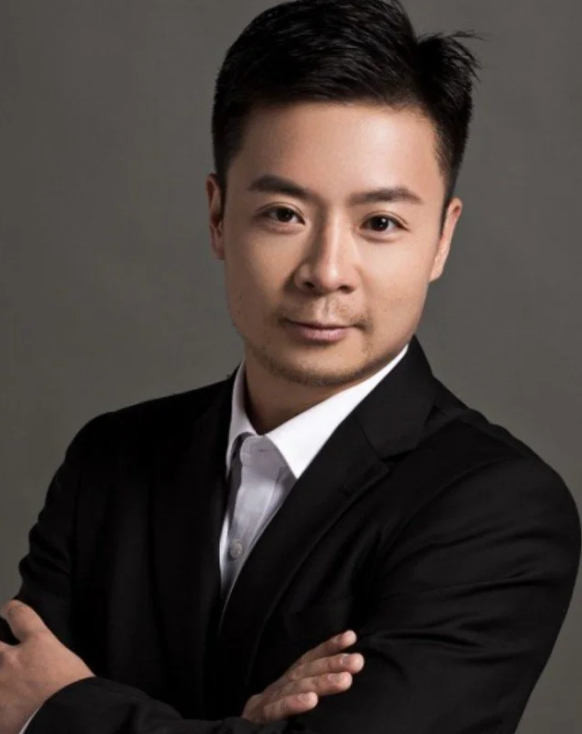
Pengyi Yang is Associate Professor at the School of Mathematics and Statistics, University of Sydney, and Head of the Computational Systems Biology Unit at Children’s Medical Research Institute. His research focuses on developing machine learning and deep learning methods to reconstruct trans-regulatory networks in stem cells using multi-omics data. His group specializes in analyzing mass spectrometry-based phosphoproteomics and single-cell omics, with notable contributions including computational methods for kinase identification, kinase-substrate prediction, and cell type annotation. He has received multiple awards including the ARC Discovery Early Career Researcher Award and the National Stem Cell Foundation’s Metcalf Prize.
The Causal Analysis of Biomedical Data Lecture Series is supported by the Luxembourg National Research Fund (FNR) RESCOM Program.
