

 Faculty of Science, Technology and Medicine
 Faculty of Law, Economics and Finance
 Faculty of Humanities, Education and Social Sciences
 Interdisciplinary Centre for Security, Reliability and Trust
 Luxembourg Centre for Systems Biomedicine
 Luxembourg Centre for Contemporary and Digital History
 Luxembourg Centre for European Law
 Luxembourg Centre for Socio-Environmental Systems
This is a hybrid event. Join on site or Tune in via Webex here.
Navigating the complexities of machine learning in healthcare: Case studies, insights, and challenges
Machine learning has emerged as a highly effective approach in healthcare, often outperforming traditional statistical methods. However, to establish machine learning (ML) as a reliable tool in clinical practice, strict adherence to best practices in data handling, experimental design, and model evaluation is required to ensure reproducible and interpretable results. This talk addresses the unique challenges posed by biomedical data, such as high dimensionality, low signal-to-noise ratios, and small sample sizes. Using case studies of neurological disorders we demonstrate how robust variable selection and permutation-based significance assessment can identify reliable biomarkers. The presentation introduces frameworks for addressing methodological complexity and discusses strategies for handling data scarcity through careful cross-validation design. It also highlights critical considerations for translating ML findings into actionable clinical insights while maintaining scientific rigor.
About the speaker
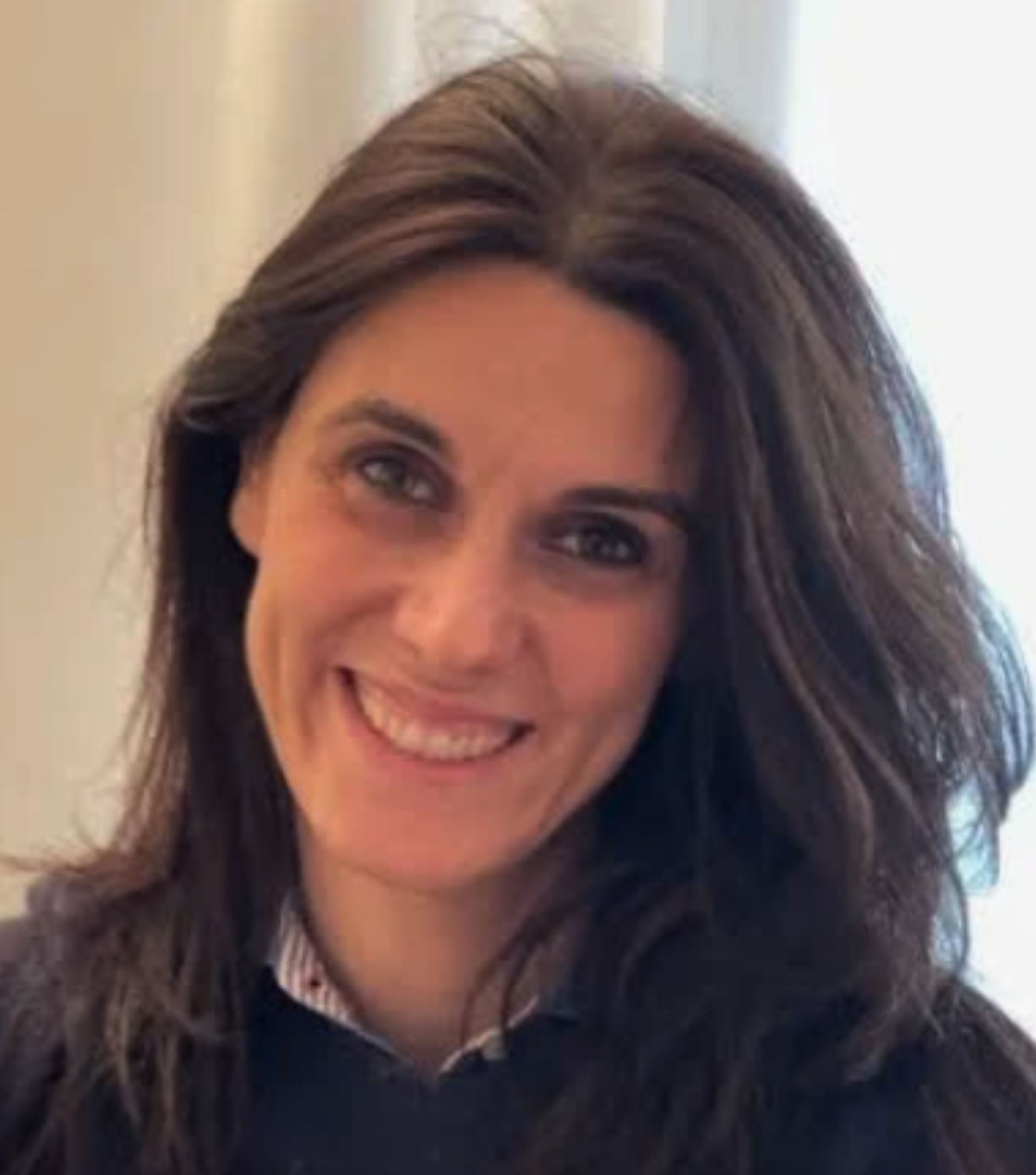
Annalisa Barla is an Associate Professor of Computer Science at the University of Genoa and a member of the Machine Learning Genoa Center (MaLGa). Her research focuses on machine learning methods for the analysis of complex, high-dimensional data, with particular attention to biomedical applications, robust model selection, interpretability, and reproducibility. She has contributed extensively to the use of machine learning in neurology and life sciences, including studies on multiple sclerosis, epilepsy, and Alzheimer’s disease. More recently, her work has expanded toward the use of machine learning, data visualization, and complex systems approaches to support the understanding of scientific, biomedical, and socio-technical phenomena. This includes the development of methods and tools for making patterns, relationships, and hidden structures in complex data more interpretable and actionable for researchers and domain experts.
The Artificial Intelligence for Bioscientific Research Lecture Series is supported by the Luxembourg National Research Fund (FNR) RESCOM Program.
