Faculty of Science, Technology and Medicine
 Faculty of Law, Economics and Finance
 Faculty of Humanities, Education and Social Sciences
 Interdisciplinary Centre for Security, Reliability and Trust
 Luxembourg Centre for Systems Biomedicine
 Luxembourg Centre for Contemporary and Digital History
 Luxembourg Centre for European Law
 Luxembourg Centre for Socio-Environmental Systems
The University of Luxembourg’s interdisciplinary centre for European Law (LCEL) brings together Europe’s leading judges, academics and scholars to reflect on the Union’s foundational values
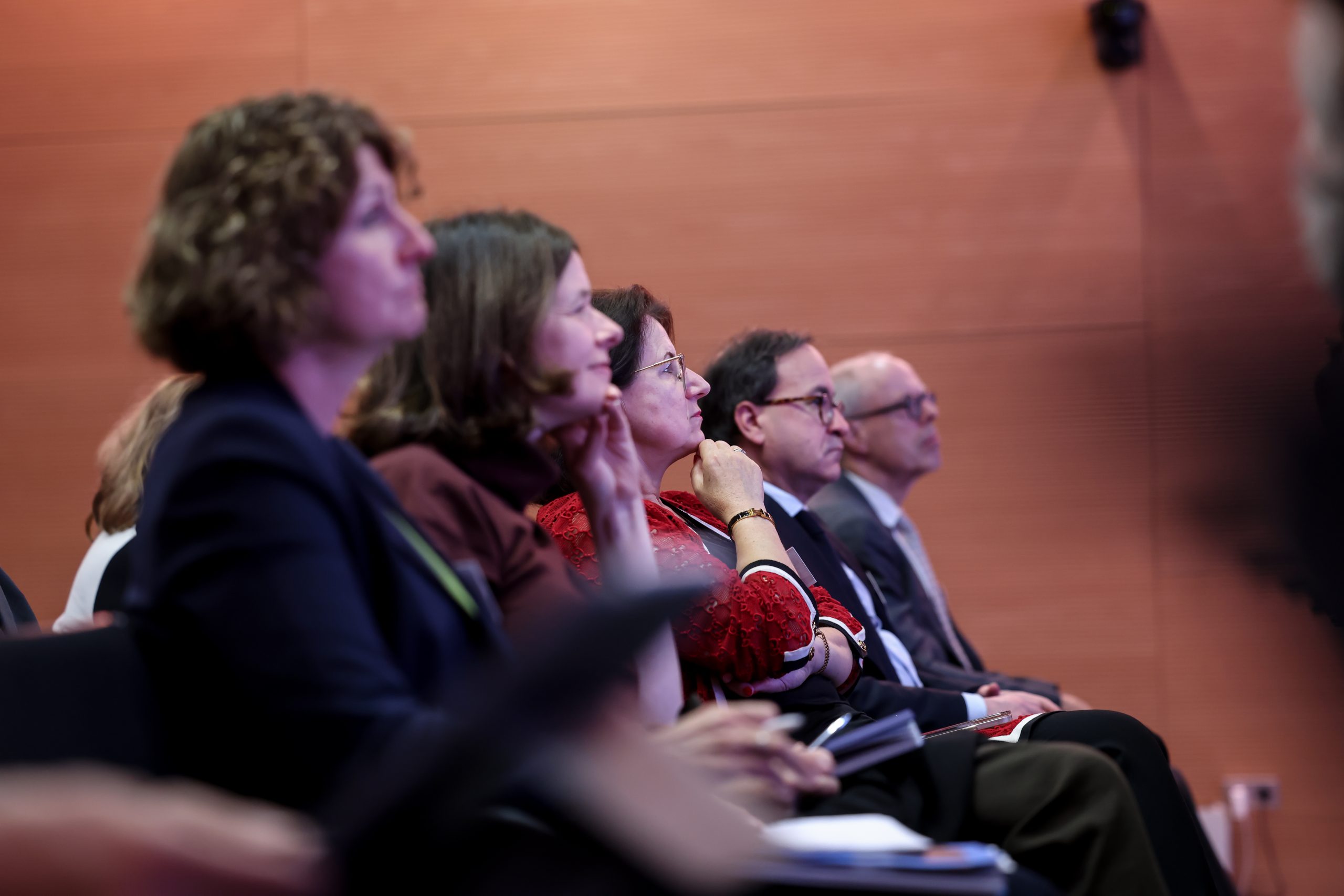
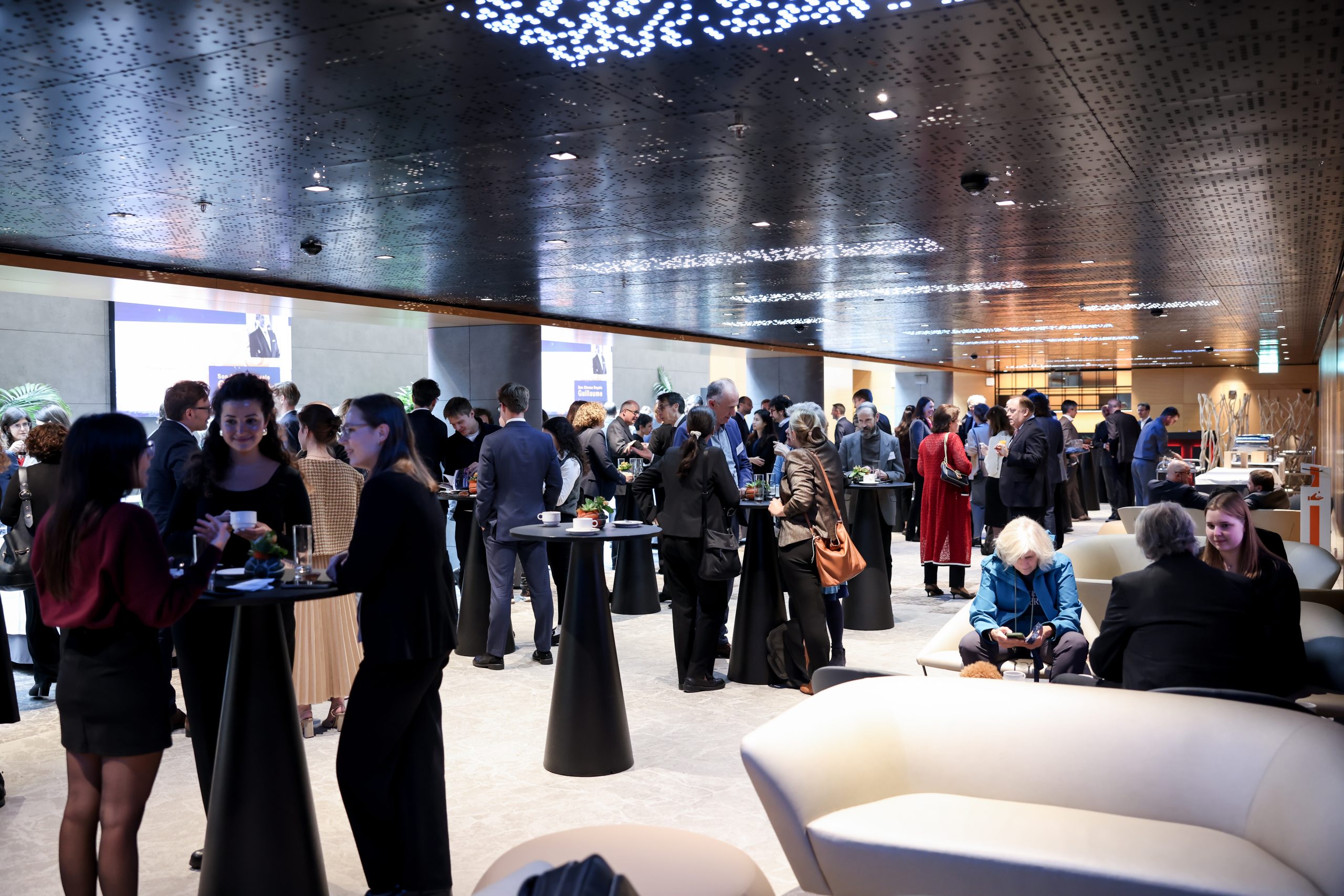
Over two days, Luxembourg became the stage for an exceptional gathering: presidents and judges of Europe’s highest courts, ministers, senior legal advisors from EU institutions, and leading academics met to reflect on how European law shapes and is shaped by the Union’s values. What made the event remarkable was not only the breadth and prominence of those who took part, but the platform it created. A forum for connection and exchange, where institutional and academic perspectives came together in genuine dialogue.
Held on 10–11 October 2025, and opened by Prof. Jens Kreisel (Rector, University of Luxembourg), Stéphanie Obertin (Minister for Research and Higher Education, The Luxembourg Government), Prof. Dirk Zetzsche (Head of the Department of Law, Faculty of Law, Economics and Finance, University of Luxembourg), and Prof.Takis Tridimas, Founding Director of the LCEL, the LCEL’s inaugural conference, “European Union Law and values in a changing world,” explored the role of the EU values. Under Article 2 of the Treaty on European Union, the EU is founded on:
- Human dignity
- Freedom
- Democracy
- Equality
- Rule of Law
- Human rights
These principles are central to the European project. In recent years, the resonance and legal effects have intensified in light of political developments. As Prof. Takis Tridimas noted, the LCEL’s inaugural conference is designed to provide a space for critical dialogue on how these values are understood and operationalised in an era of global uncertainty.
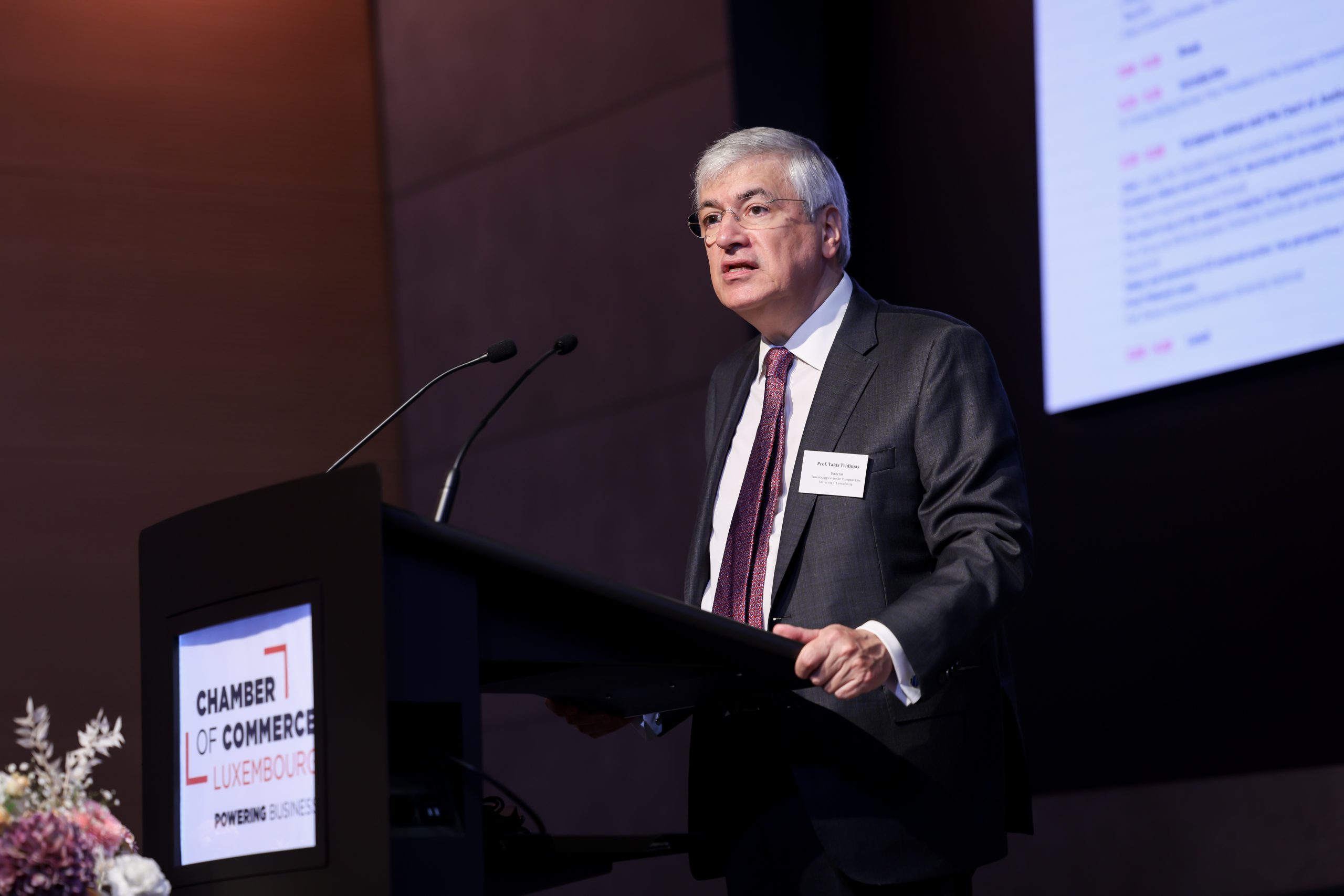
Prof. Takis Tridimas (Founding Director LCEL)
Koen Lenaerts (President, Court of Justice of the European Union), Marc van der Woude (President, General Court), Georgios Gerapetritis (Minister of Foreign Affairs of Greece) and Dr Viviane Reding (former Vice-President of the European Commission), alongside constitutional and supreme court judges, advocates general, and professors from, among other universities, Oxford, Cambridge, the European University Institute, Leiden, and the Max Planck Institute took the stage.
Across two days of intense exchange, participants examined how European values have evolved from political aspirations into constitutional standards guiding both national and EU institutions. Discussions revealed the tensions between unity and diversity, law and politics, principle and practice within European integration.
President Koen Lenaerts explained how the Court’s jurisprudence has constitutionalised Article 2 TEU, highlighting Repubblika on mutual trust, Commission v Malta on political rights, and ASJP on judicial independence. He described democracy and the rule of law as mutually reinforcing, grounded in transparency, solidarity, and respect for national identity. Georgios Gerapetritis situated Article 2 TEU in a global context of democratic recession, urging stronger preventive and corrective mechanisms linked to institutional and financial incentives. Dr Viviane Reding reflected on the Charter of Fundamental Rights’ transformation into binding law at Lisbon and warned of emerging challenges to judicial, media, and academic freedom.
-
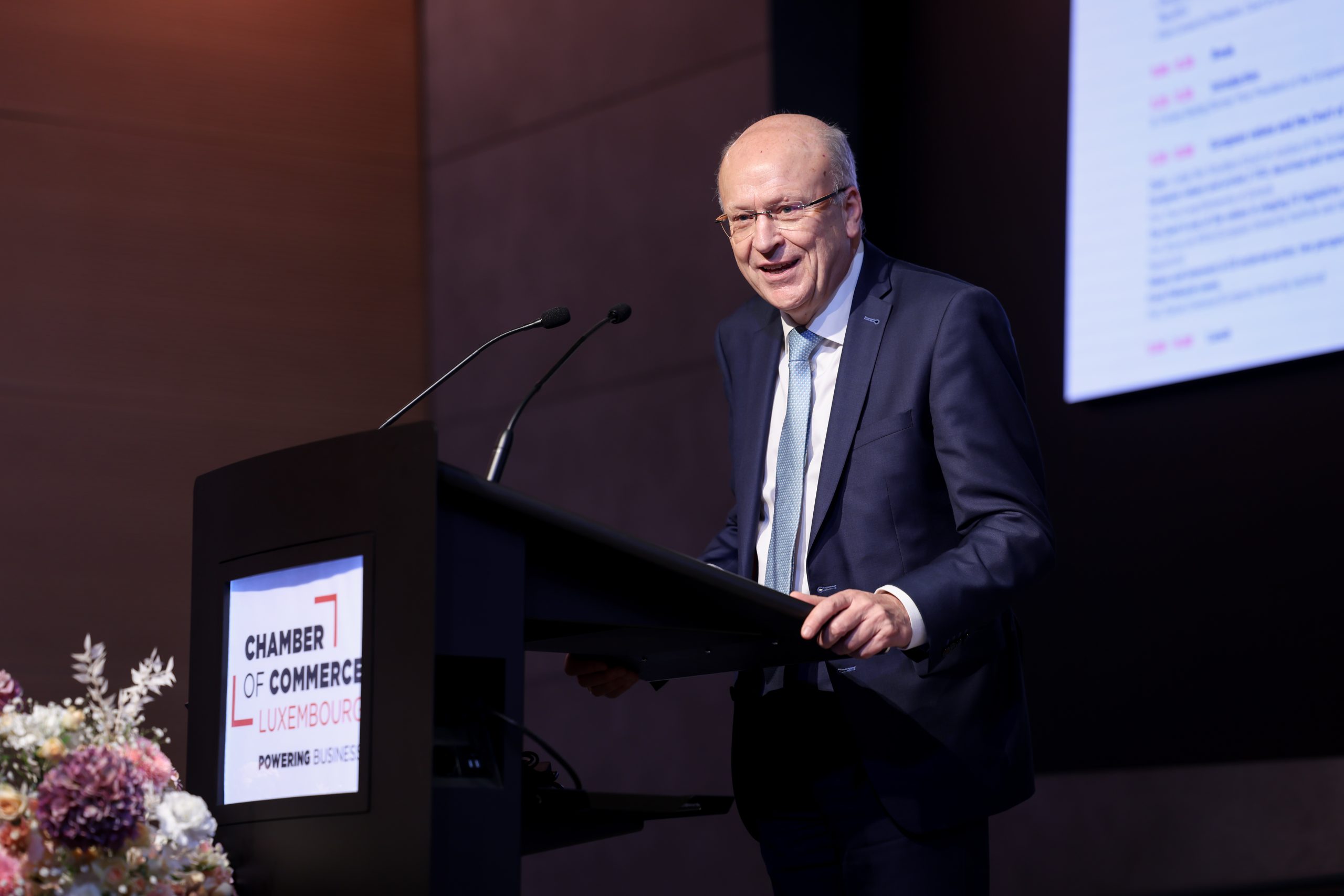
Koen Lenaerts (President, Court of Justice of the European Union)
-
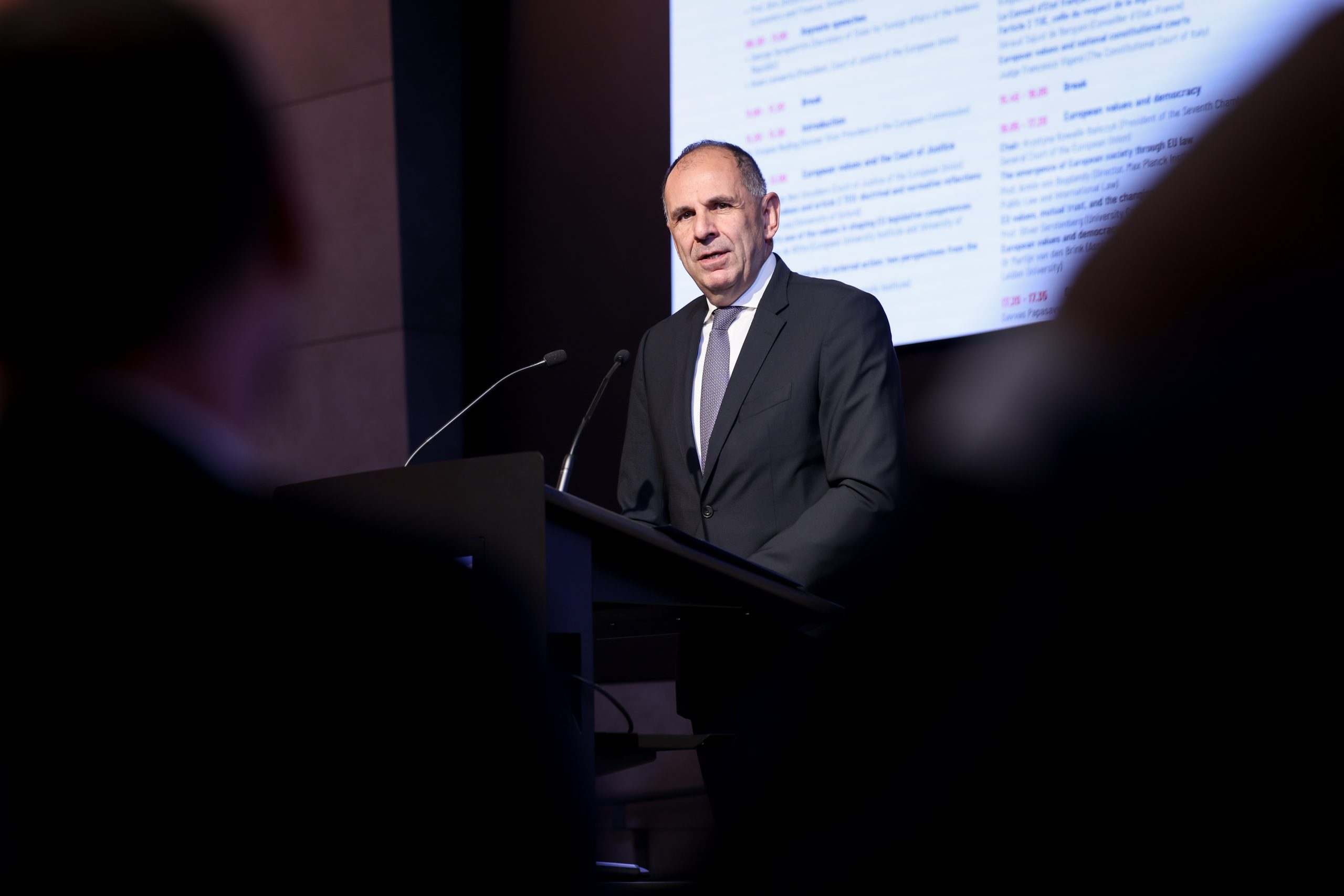
Georgios Gerapetritis (Minister of Foreign Affairs of Greece)
-
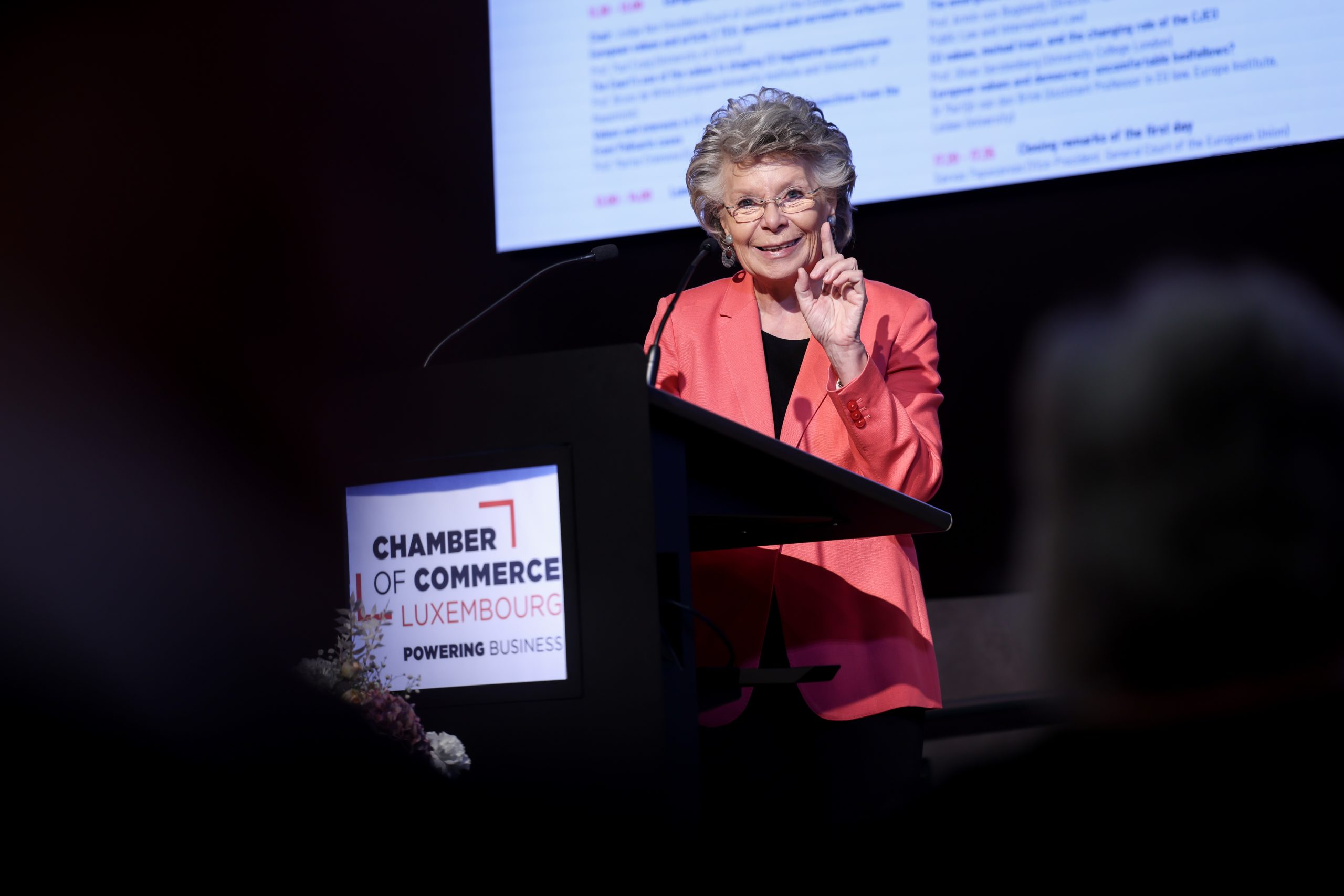
Dr Viviane Reding (former Vice-President of the European Commission)
-

Marc van der Woude (President, General Court
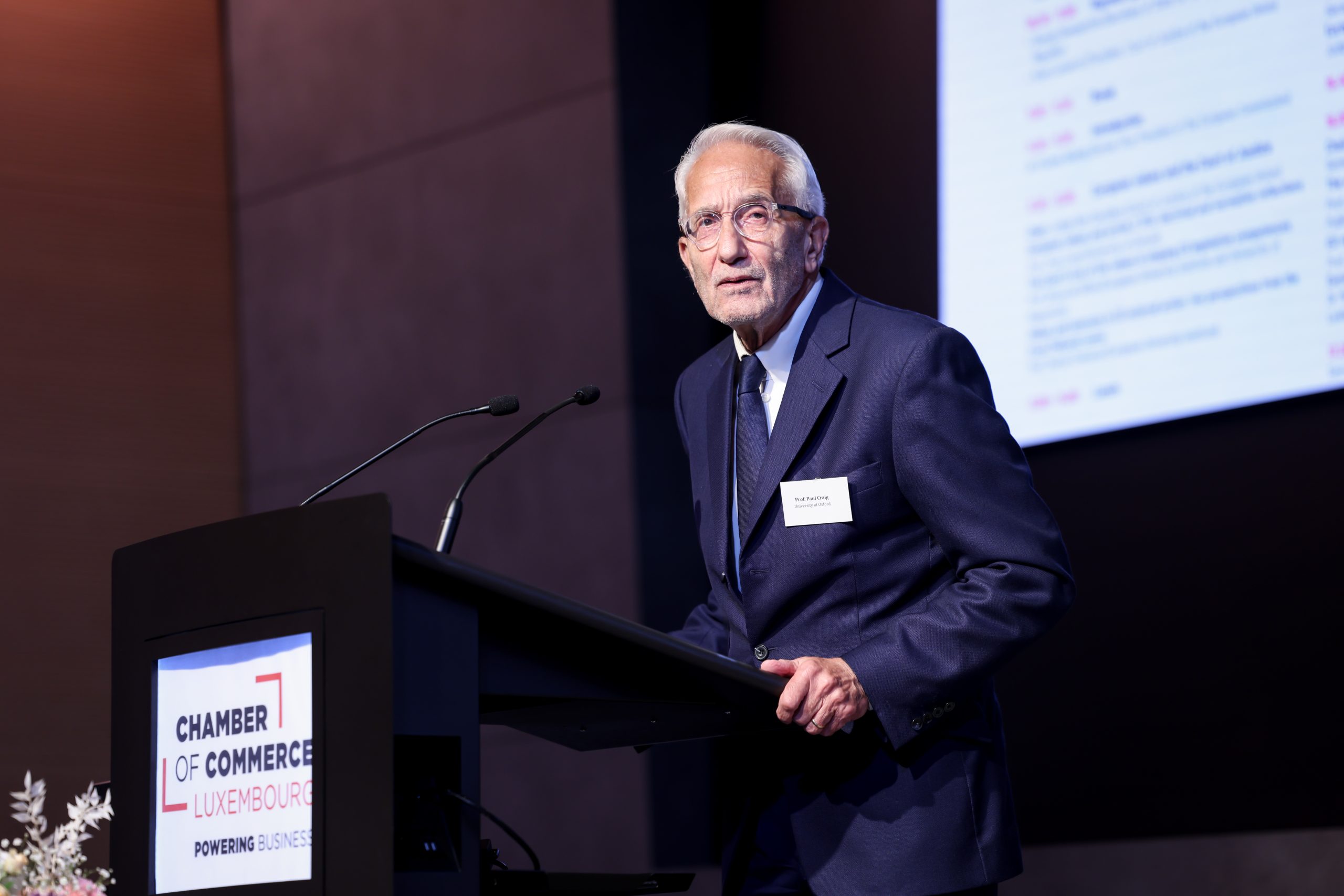
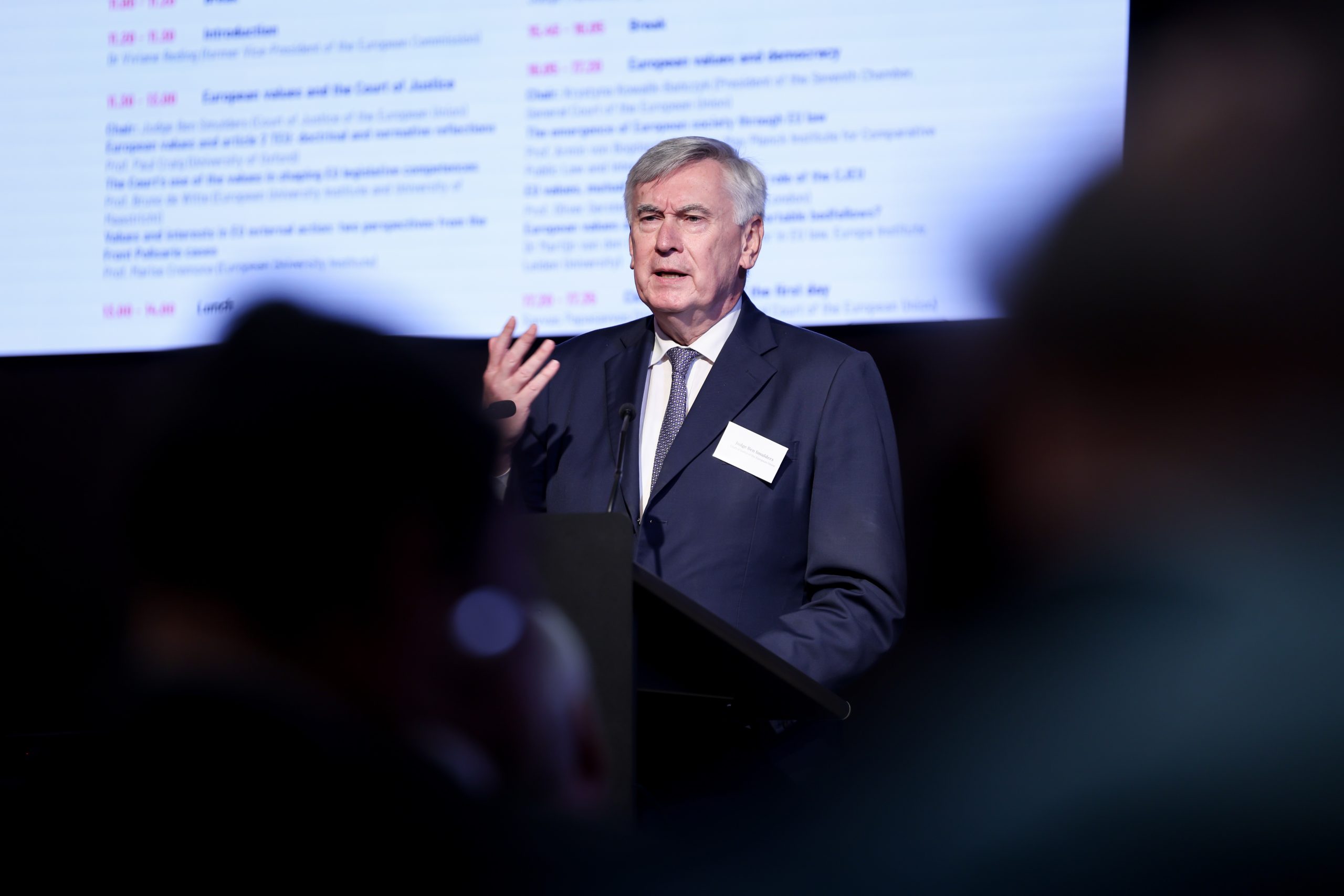
The academic discussions opened under Judge Ben Smulders (CJEU), with Professor Paul Craig (Oxford) identifying Article 2 as the core of the Union’s constitutional identity. He explained how case law such as ASJP, Repubblika, and Commission v Poland has made these values enforceable. Professor Bruno de Witte (EUI/Maastricht) showed how values guide the interpretation of competences, for instance in the Digital Services Act and the European Media Freedom Act. Professor Marise Cremona (EUI) examined the balance between values and interests in external action through the Front Polisario litigation.
Under Advocate General Laila Medina, judicial perspectives turned to the rule of law in practice. Judge Marko Bošnjak (CJEU; former ECtHR President) discussed judicial independence as an institutional guarantee and an individual right. Judge Francis Delaporte (Constitutional Court of Luxembourg) traced the rule of law as a meta-principle in Luxembourg’s jurisprudence, while Lady Rose of Colmworth (UK Supreme Court) reflected on the continuing influence of EU law in post-Brexit cases. Géraud Sajust de Bergues (French Conseil d’État) discussed the centrality of human dignity in French and European law, and Judge Francesco Viganò (Constitutional Court of Italy) described how constant dialogue between national and European courts has become the “everyday language of European constitutionalism.”
Judge Krystyna Kowalik-Bańczyk (General Court) opened the debate on democracy, warning that defending EU values is inseparable from safeguarding democratic institutions. Professor Armin von Bogdandy (Max Planck Institute, Heidelberg) presented the EU as a “society emerging through law,” bound by mutual respect and solidarity. Professor Oliver Gerstenberg (UCL) linked Article 2 to deliberative democracy and mutual trust, while Dr Martijn van den Brink (Leiden) cautioned against over-moralising integration, urging a politically grounded approach to judicial enforcement.
In his closing remarks on day 1, Vice-President Savvas Papasavvas (General Court) called European values “the moral compass guiding Europeans, rooted in the constitutional traditions of the Member States”, concluding that all courts, national and European, share a common duty to protect rights, principles, and values together.
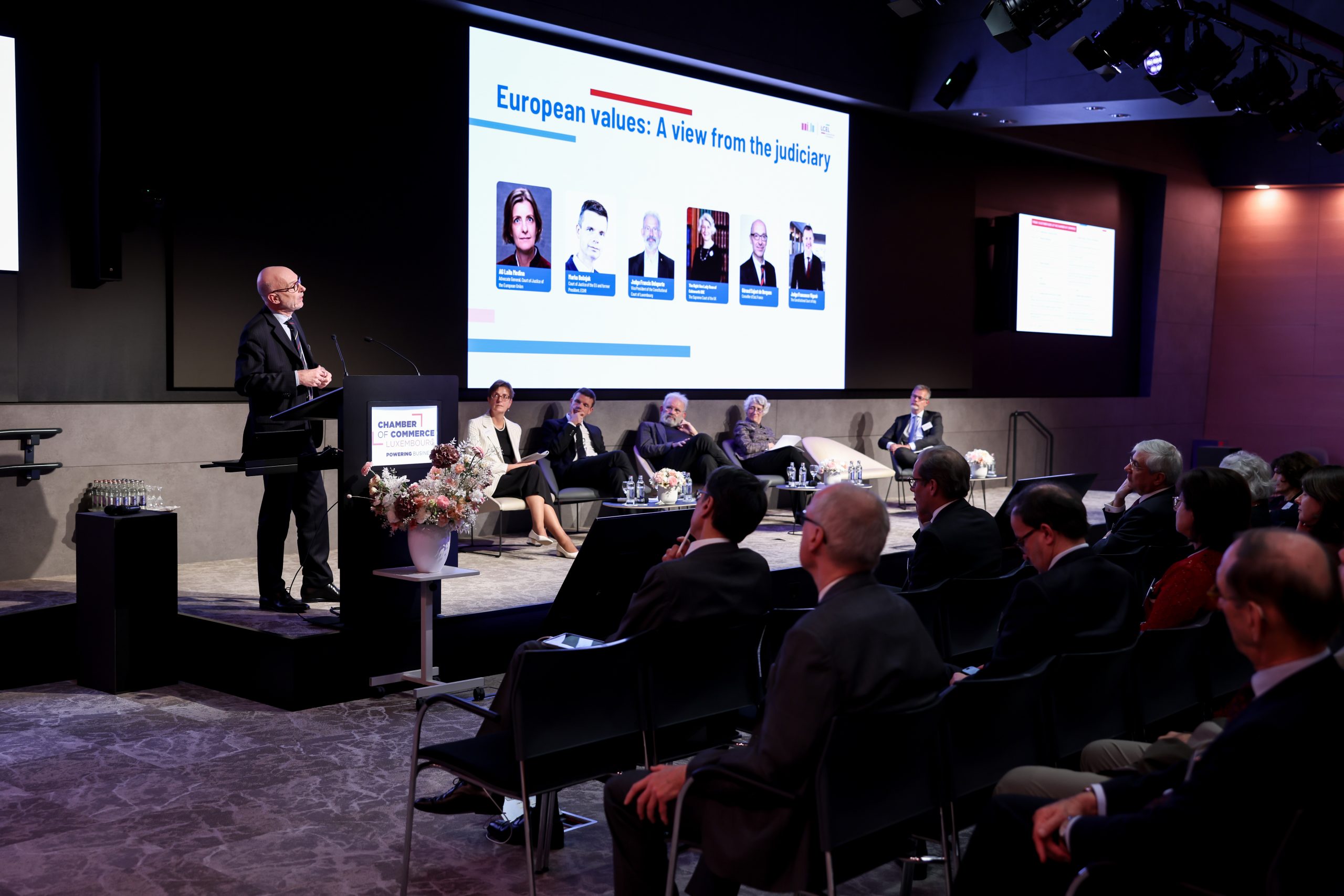
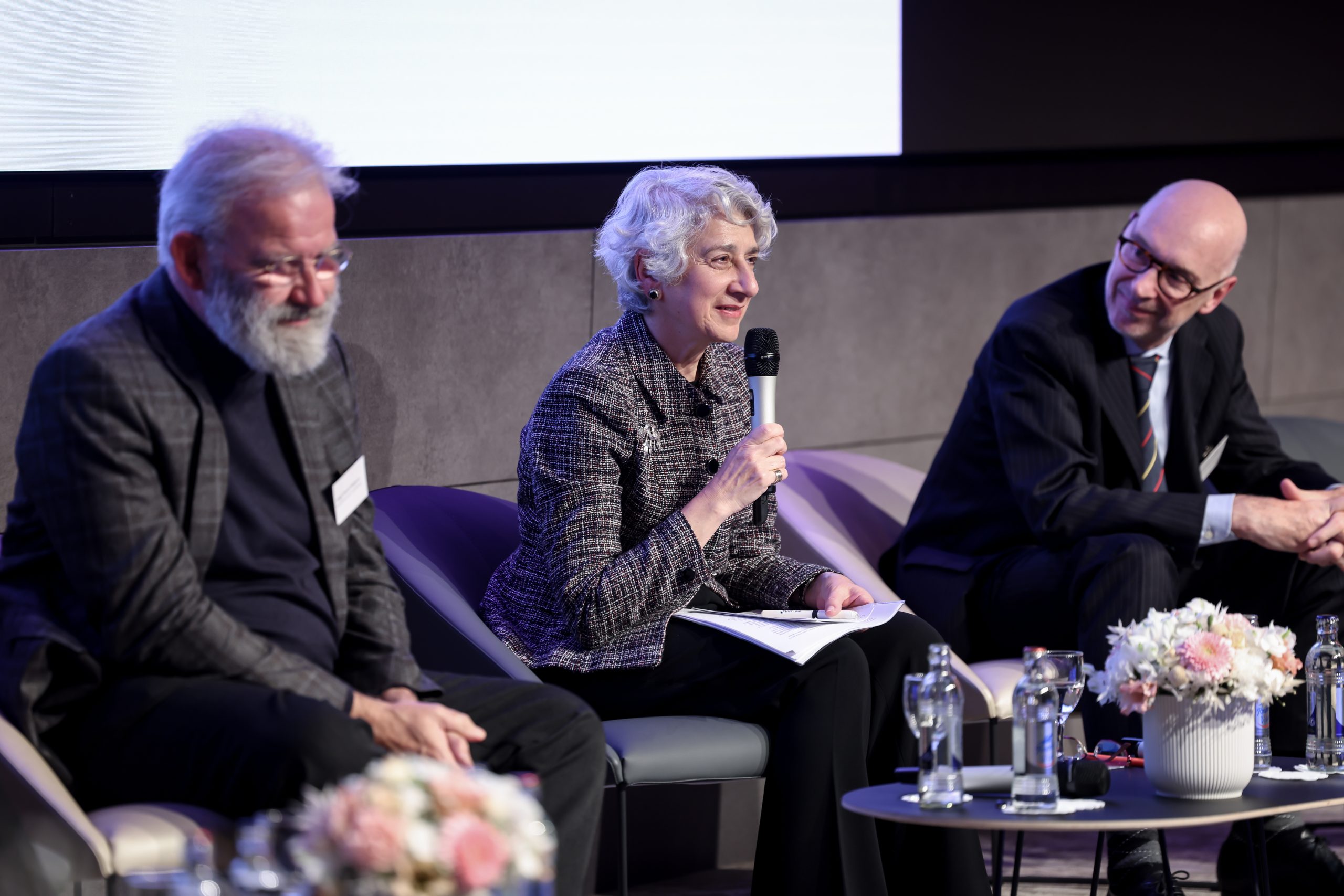

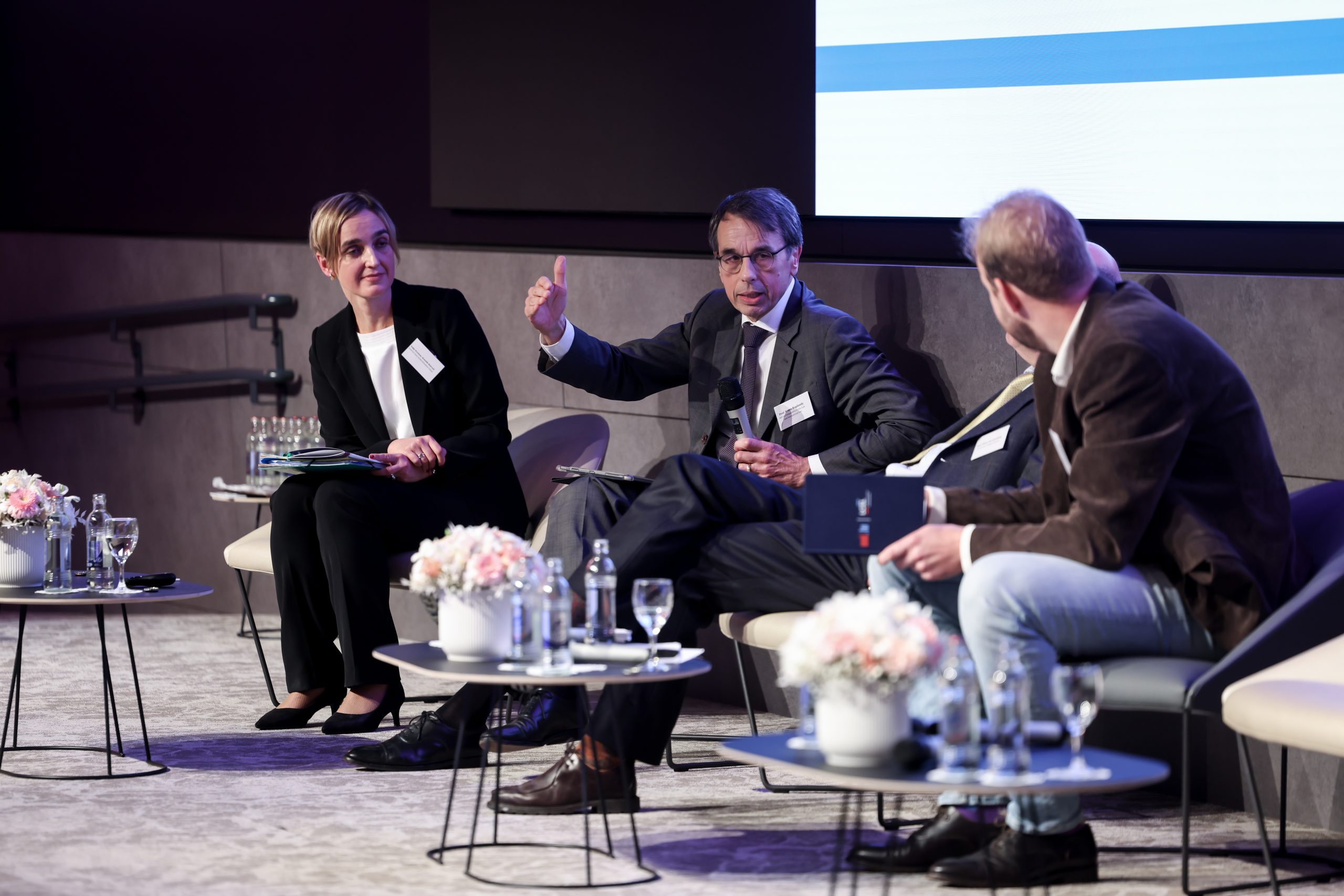
The second day opened with President Marc van der Woude, who described Article 2 TEU as marking the Union’s “red lines” and called for vigilance against backsliding, disinformation, and erosion of solidarity. He urged reflection on how to maintain mutual responsibility and the hierarchy of rights in a changing constitutional order. Professor Miranda de Meijer (EPPO) discussed how judicial independence and accountability reinforce one another, while Katarzyna Herrmann (European Commission Legal Service) outlined how the Rule of Law Report and conditionality mechanism translate Article 2 TEU values into practice. Eugenia Dumitriu-Segnana (Council Legal Service) examined the preventive function of Article 7 TEU, and Eadaoin Ní Chaoimh (European Parliament Legal Service) discussed how the European Media Freedom Act embeds pluralism as a constitutional safeguard within internal-market law.
Later discussions moved to private law and technology. First Advocate General Maciej Szpunar (CJEU) examined fairness and transparency as expressions of the rule of law, Professor Catherine Barnard (Cambridge) discussed evolving concepts of equality and non-discrimination, Professor Hans Micklitz (EUI) analysed the intersection of digital regulation and fundamental rights, and Professor Verica Trstenjak (University of Vienna and former Advocate General) warned that artificial intelligence will test the Union’s ability to protect human dignity and trust.
The final session, chaired by Professor Eleftheria Neframi (University of Luxembourg), brought LCEL scholars into the conversation. Professor Joana Mendes examined how values and principles interact within EU constitutionalism, Professor Elise Muir (KU Leuven) explored how legislation can embed Article 2 TEU, Professor Takis Tridimas and Bruno Biazatti asked whether democracy could be conceptualised as a self-standing right, and Professor Vicky Kosta (Leiden) analysed academic freedom as an essential expression of democratic resilience.
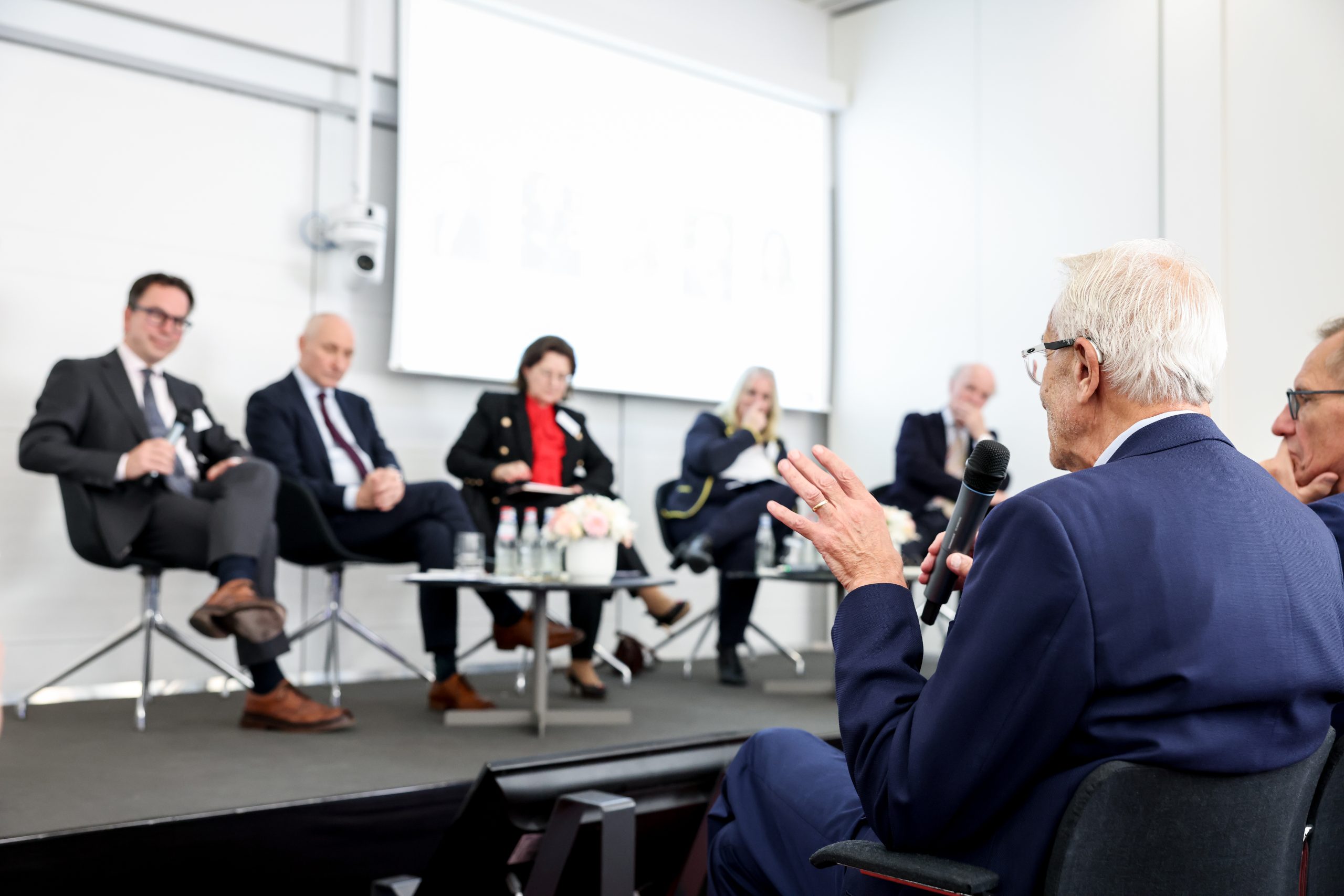
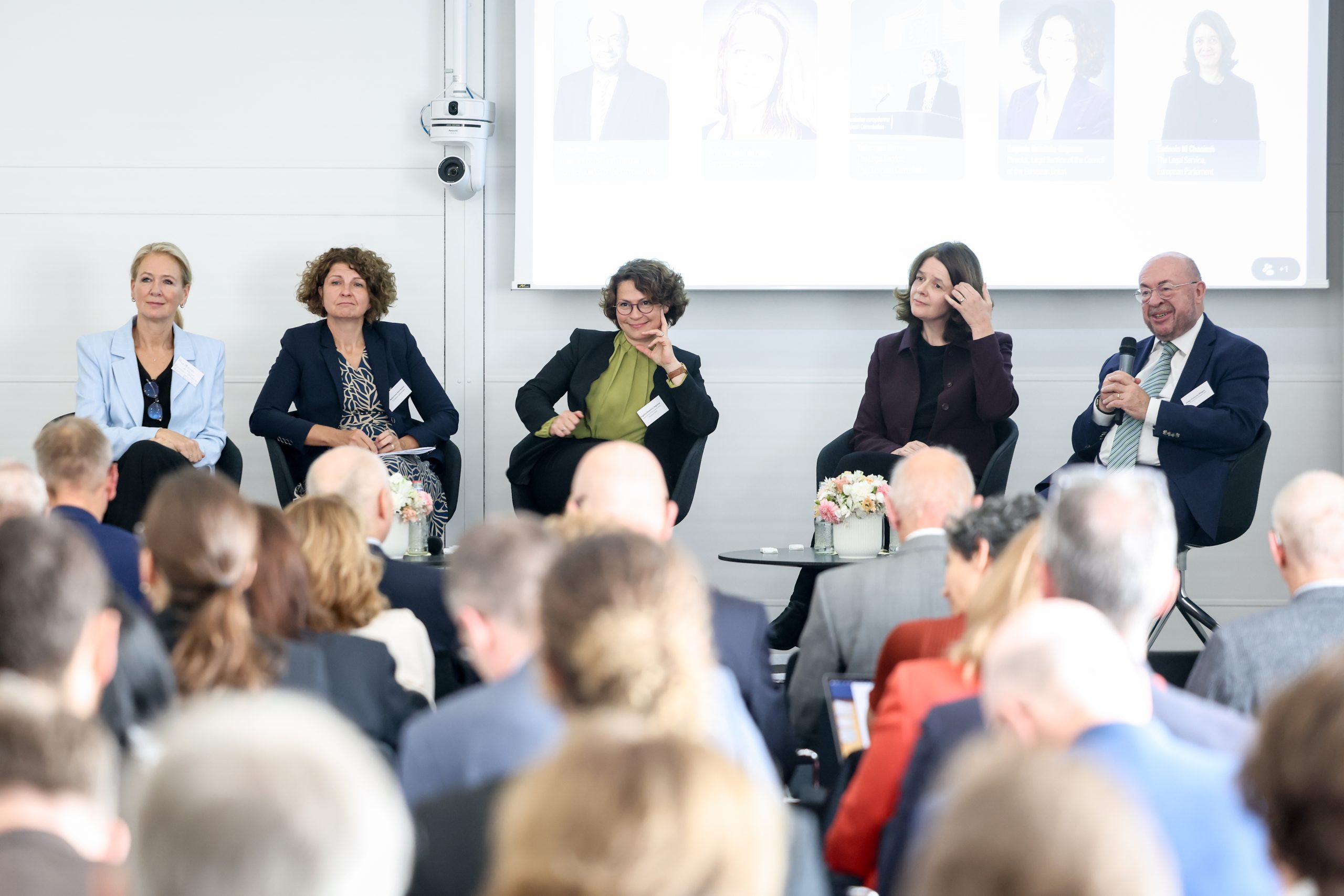
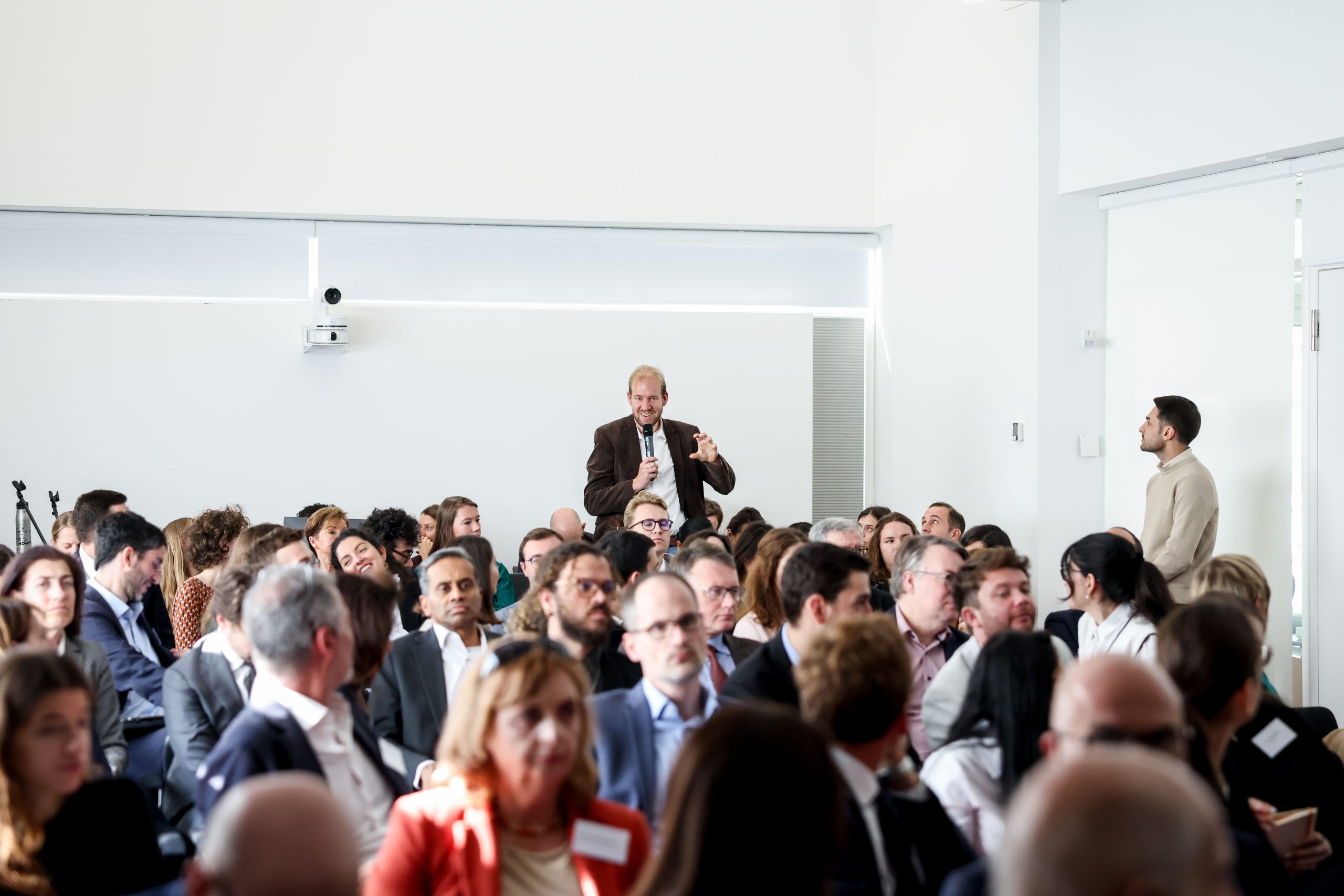


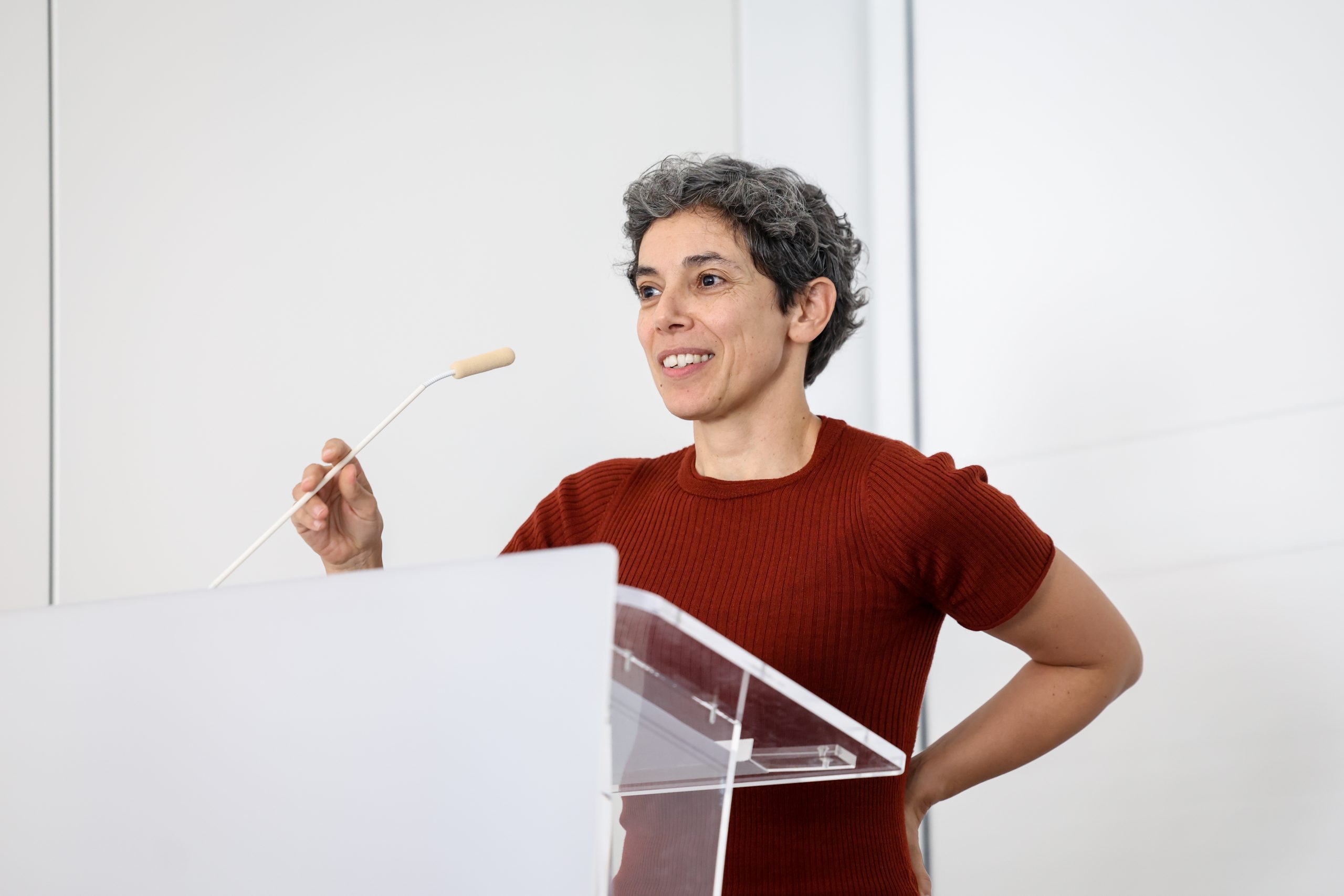
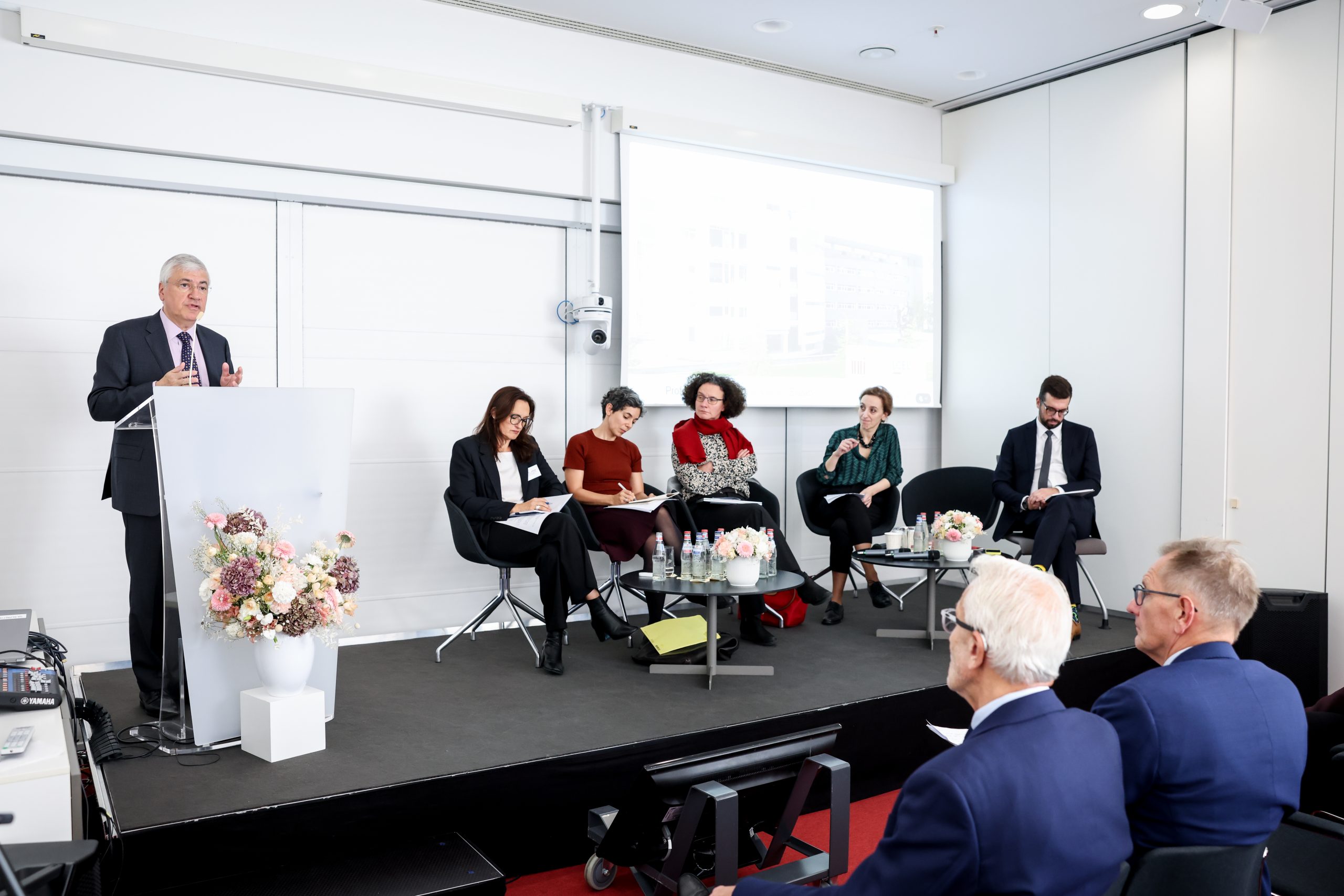
By bringing together judges who interpret European law, officials who implement it, and academics who analyse it, the LCEL establishes Luxembourg as a hub for Europe’s legal dialogue, a space where ideas, institutions and people connect to think collectively about the future of the Union’s legal order.
The conference is being is established as an annual event.