

 Faculty of Science, Technology and Medicine
 Faculty of Law, Economics and Finance
 Faculty of Humanities, Education and Social Sciences
 Interdisciplinary Centre for Security, Reliability and Trust
 Luxembourg Centre for Systems Biomedicine
 Luxembourg Centre for Contemporary and Digital History
 Luxembourg Centre for European Law
 Luxembourg Centre for Socio-Environmental Systems
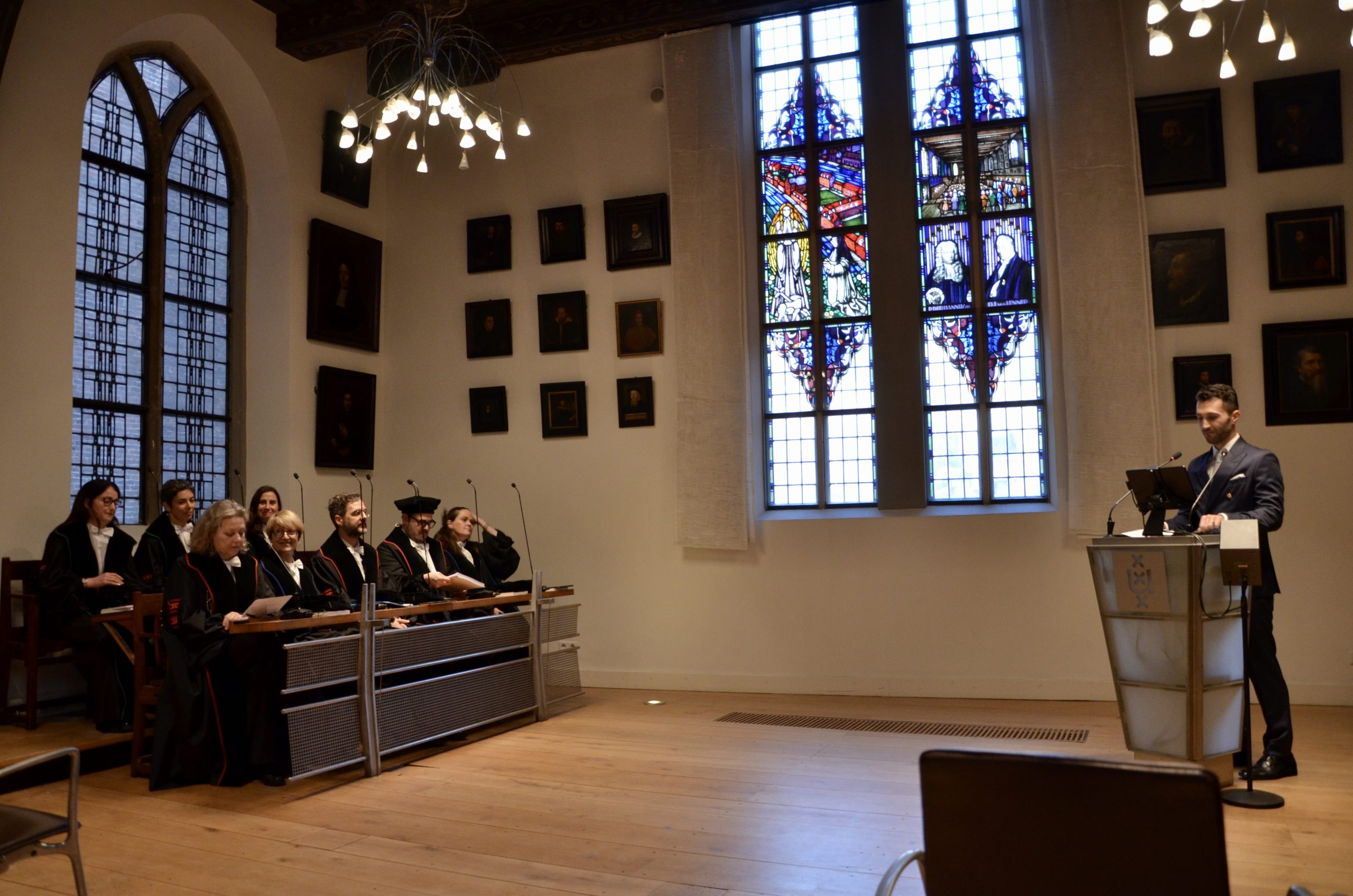
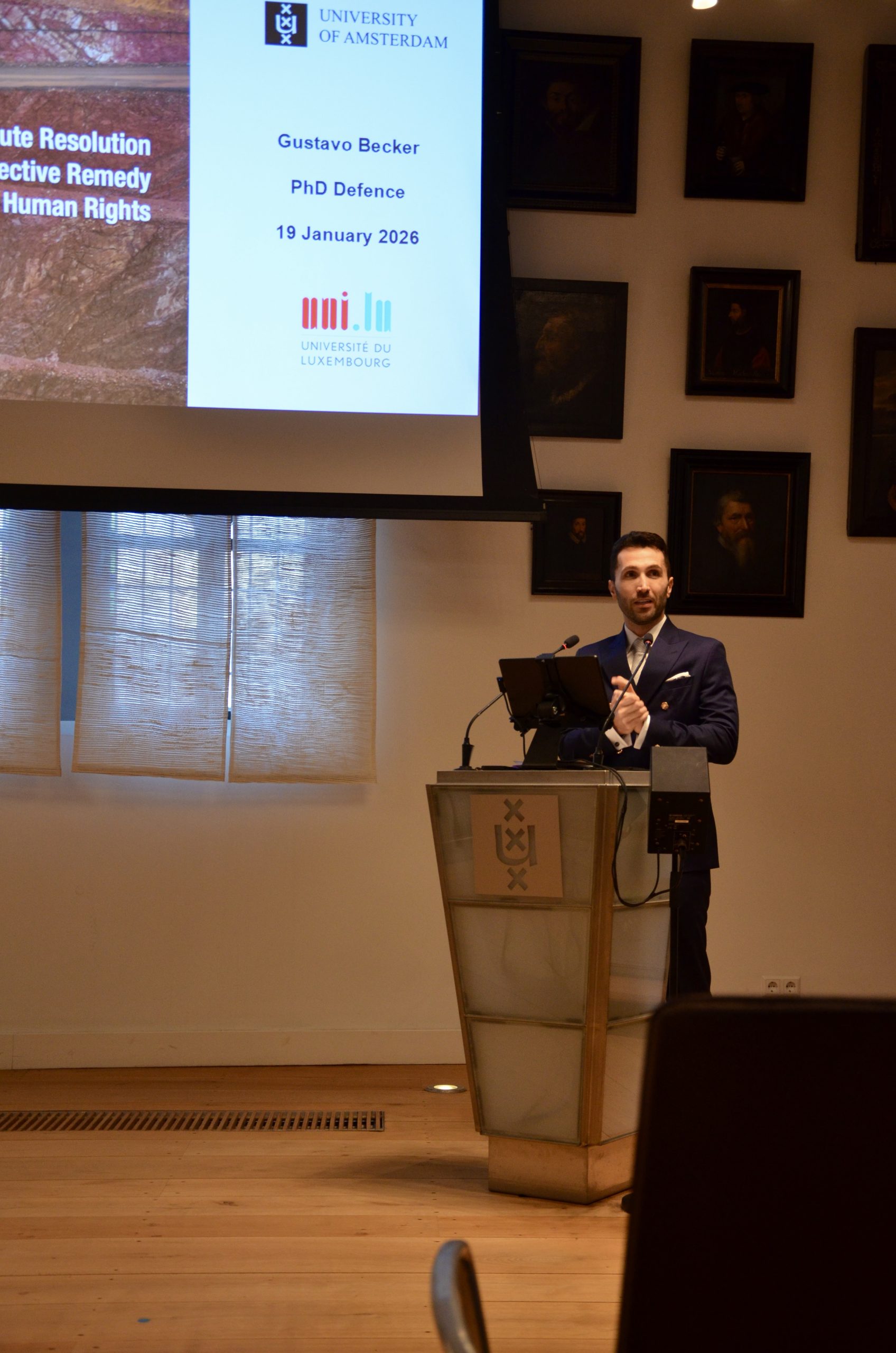
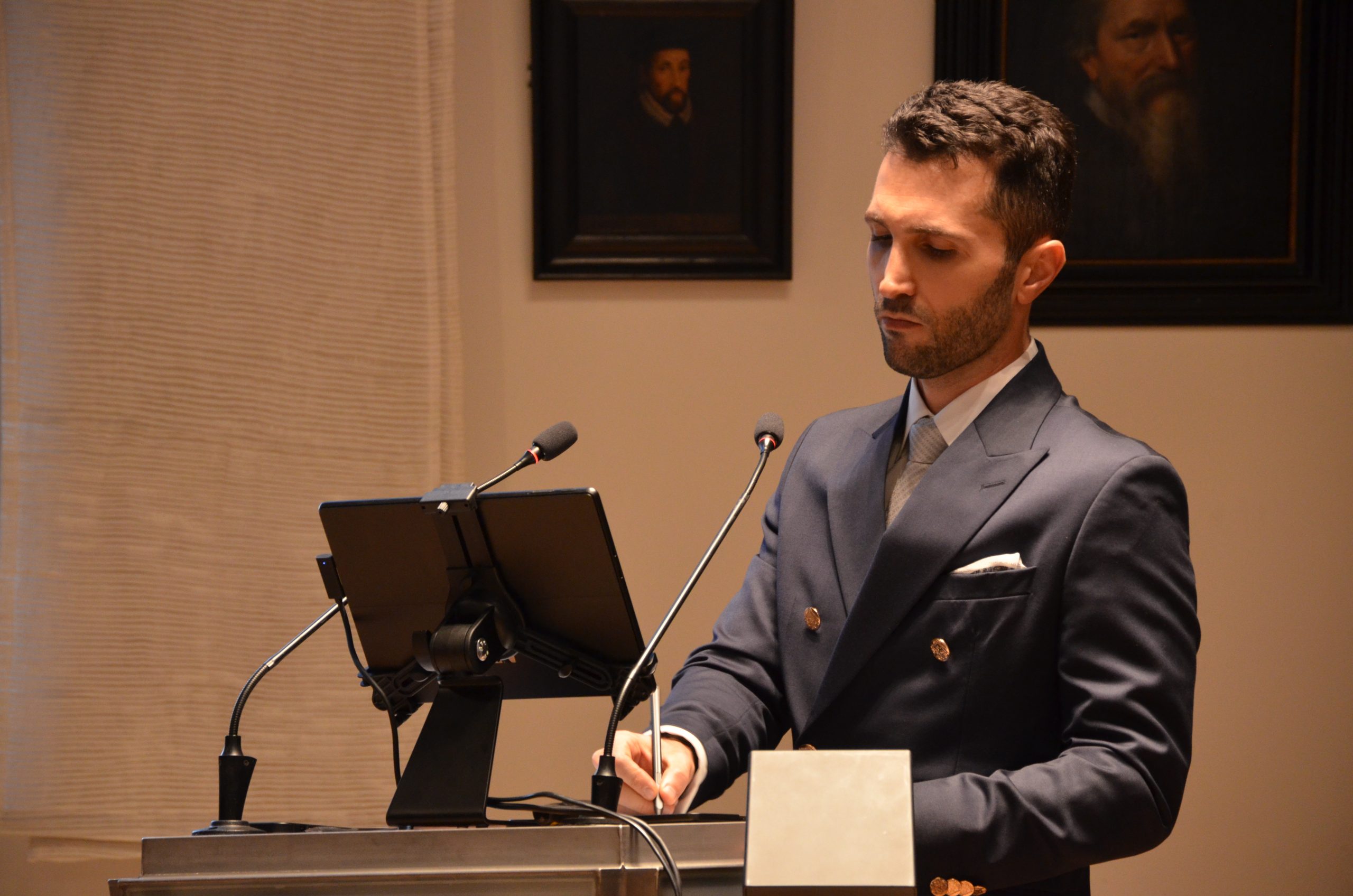
The Luxembourg Centre for European Law warmly congratulates Gustavo Becker, who successfully defended his PhD thesis titled “Private Dispute Resolution and the Right to an Effective Remedy in Transnational Business and Human Rights”, on 19 January 2026.
His thesis examines how private dispute resolution (PDR) processes, namely negotiation, mediation, and arbitration, contribute to and/or impair the realisation of the right to an effective remedy in cases of transnational business-related human rights abuses. Because rightsholders often face persistent barriers to judicial remedies in both host and home States, PDR has increasingly been promoted and legitimised as a complementary pathway to remedy.
-
© Dr Gustavo Becker
-
-
© Dr Gustavo Becker
Using a legal doctrinal methodology grounded in international human rights law, with descriptive socio-legal elements, the thesis maps 20 examples of PDR and develops three case analyses. It assesses their procedural and substantive characteristics against the content of the right to an effective remedy.
The thesis finds that PDR may contribute to the realisation of the right to an effective remedy when designed with independent administration, broad eligibility, participatory procedures, safeguards against retaliation, and diverse forms of reparation. Yet it more often undermines the right through restrictive eligibility rules, burdensome evidentiary demands, company-influenced administration, standardised compensation, and legal waivers that limit access to courts. The thesis concludes that PDR should not substitute judicial remedies and that its value depends on public governance measures that ensure compatibility with international human rights law.
Congratulations, Dr Becker!
‟ After developing a strong methodological grounding, writing this thesis under the Dutch and Luxembourgish academic traditions, my thesis had a strong focus on methodological consistency. This has been reflected in my defence. Half of the questions targeted methodological choices. It was great having the chance to orally explain how I made such choices to develop a legal doctrinal thesis that strongly needed information from practice without overstating empirical claims.”

Postdoctoral Researcher, Luxembourg Centre for European Law (University of Luxembourg)