

 Faculty of Science, Technology and Medicine
 Faculty of Law, Economics and Finance
 Faculty of Humanities, Education and Social Sciences
 Interdisciplinary Centre for Security, Reliability and Trust
 Luxembourg Centre for Systems Biomedicine
 Luxembourg Centre for Contemporary and Digital History
 Luxembourg Centre for European Law
 Luxembourg Centre for Socio-Environmental Systems
Support for the Chair extended to 2030
Since its establishment in 2014, with more than 250 publications, dozens of presentations at regulators and central banks around the world as well as significant recognition in academia and policy circles, the ADA Chair in Financial Law (Inclusive Finance) at the University of Luxembourg’s Faculty of Law, Economics and Finance (FDEF) has become a global leader in shaping inclusive finance law and regulation, especially with a focus on emerging and developing economies (EMDEs).
Backed by Appui au Développement Autonome (ADA) and the Luxembourg Ministry of Foreign and European Affairs, Defence, Development Cooperation and Foreign Trade, the Chair represents Luxembourg’s commitment to driving development in sustainable financial inclusion far beyond its borders.
In February 2026, support for the ADA Chair was extended until 2030. It will continue to strive towards fulfilling its tri-fold mission over next five years:
The Chair drives both fundamental and applied research in financial law, focusing on priorities such as impact measurement, financial technology, sustainable finance regulation, blended finance, and alternative investment strategies. Its primary ambition is to address the needs of EMDEs (emerging and developing economies), furthering financial inclusion and the social mission of impact investing. Its research aims at a balance of the indispensable efficiency and profitability aspects of investing with positive impacts on sustainability factors.
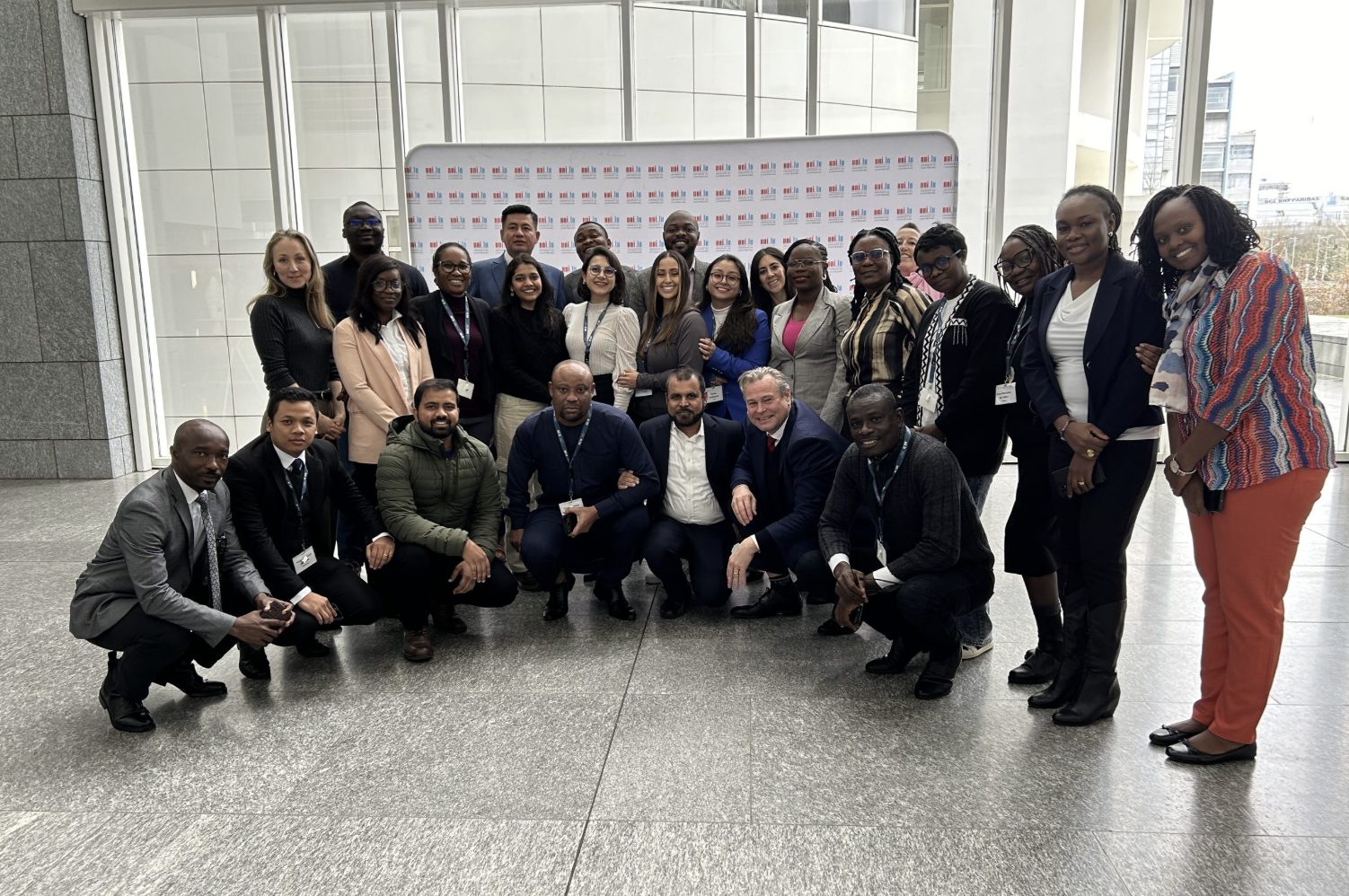
A cornerstone of the Chair’s mission is the ongoing delivery of the Certificate in Law and Regulation of Inclusive Finance. Held every year in January for up to 30 hand-selected participants that attend in-person classes at the Weicker Building, the European Investment Bank and other Luxembourg partners (such as law firm Arendt & Medernach and ADA), this program ensures that professionals—especially those from developing countries—are equipped with the regulatory expertise necessary to foster inclusive finance ecosystems. There is a particular focus on participants from countries classified as developing by the OECD Development Assistance Committee, strengthening legal and regulatory frameworks where they are needed most.
The Chair is a bridge between academia, international organisations, financial regulators, and Luxembourg’s renowned inclusive finance sector. Through its thought leadership at global policy forums and conferences, it shapes both policy and practical solutions that promote financial inclusion and elevate living standards in developing regions worldwide.
Key Achievements and Impact in Developing Countries
For over a decade, the ADA Chair has actively contributed to reshaping global policy around financial inclusion, building capacity within national systems, and providing thought leadership and expertise to high-level international organisations.
Policy transformation
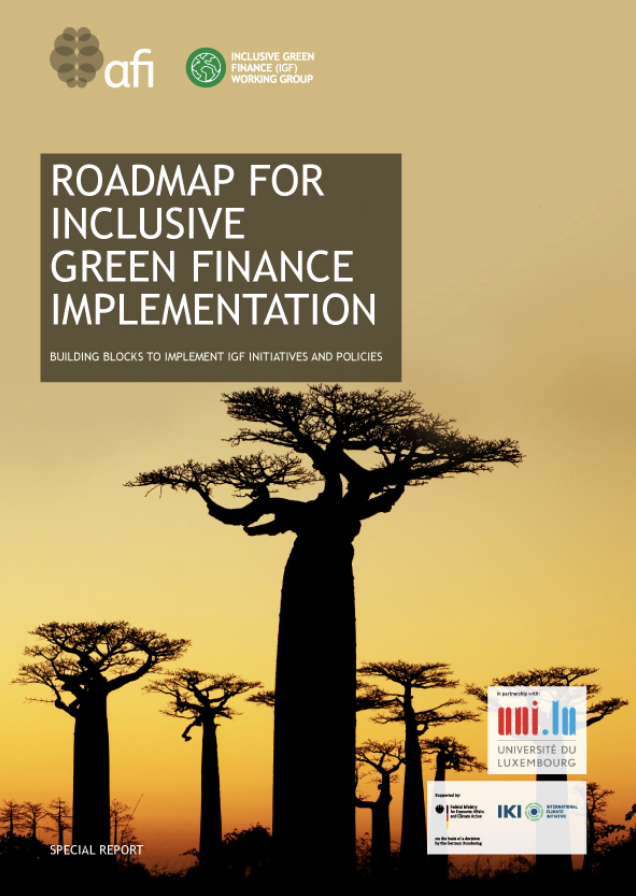
ADA Chair research, often delivered with the Chairholder’s longstanding collaborators Professor Douglas Arner (Cambridge University / Hong Kong University / Queen Mary University of London) and Professor Ross Buckley (UNSW Sydney), has underpinned national strategies, regulatory reforms, and legislative drafts adopted across Africa, Latin America, the Middle East and South and Southeast Asia. Notable reports—including “FinTech for Financial Inclusion” and “Roadmap for Inclusive Green Finance”—are actively shaping financial sector legislation and policy direction in these regions. These two reports are an example of a decade-long mutually beneficial and productive working relationship with the Alliance for Financial Inclusion, an organization of more than 90 central banks and financial regulators of developing countries serving more than a billion people on five continents. The research benefits not only from the multiplication and distribution effects provided by central banks and financial regulators, but also from the practical grounding of, data provided by, and intense discussion with these institutions all of which are very experienced with financial inclusion and capacity building.
Building a network of trained professionals
Through its annual Certificate program and technical support, the Chair has trained regulators, policymakers, and practitioners from developing countries, enhancing their ability to design resilient and innovative financial ecosystems. So far, 250 participants from over 40 countries came to Luxembourg and left not only with additional knowledge, but also a unique network of experts facing the same challenges in their home countries.
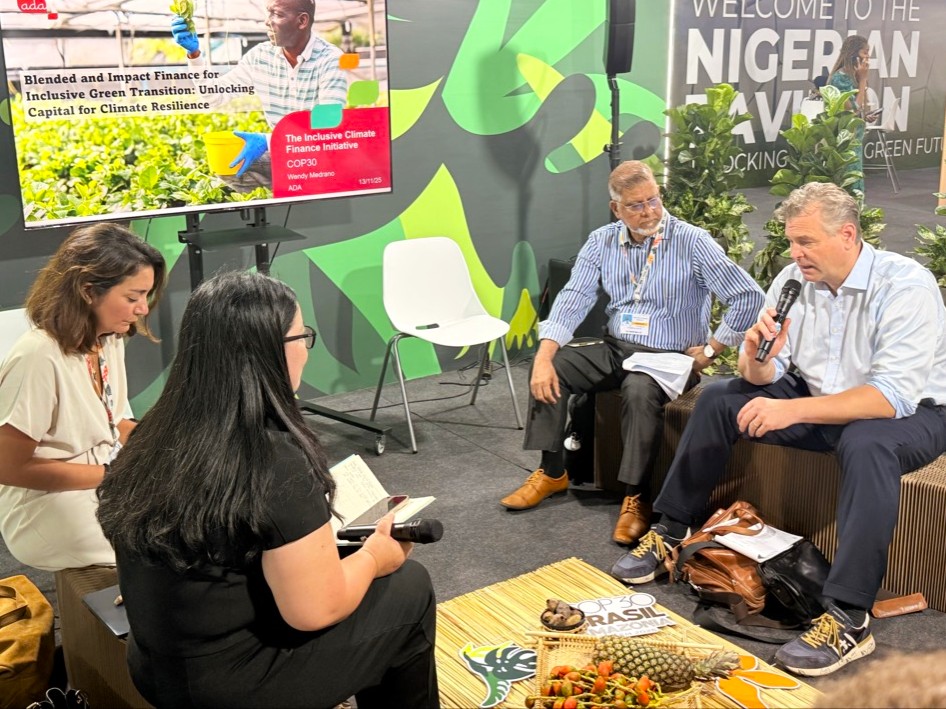
Prof. Dirk Zetzsche speaks at a COP30 event.
Robust global partnerships on the world stage
The Chair’s research has contributed to enhancing the regulatory environment of 62 countries and 40 international organisations. Examples include speeches at the United Nation, the UN’s Global Climate Conference (“COP”), the Global Policy Forum of the Alliance for Financial Inclusion, the International Monetary Fund and the Bank for International Settlements, as well as contributions to policy projects of relevant EU regulators such as the European Commission, the European Parliament, the European Systemic Risk Board, the European Securities and Markets Authority and the European Banking Authority. On top, ADA Chair research is often presented at or cited by national regulators around the world. The ADA Chairholder has also become member of the IMF’s Financial Access Survey Expert Group, which serves over 100 countries.
‟ Our research will be interdisciplinary, comparative, global, and network-based”
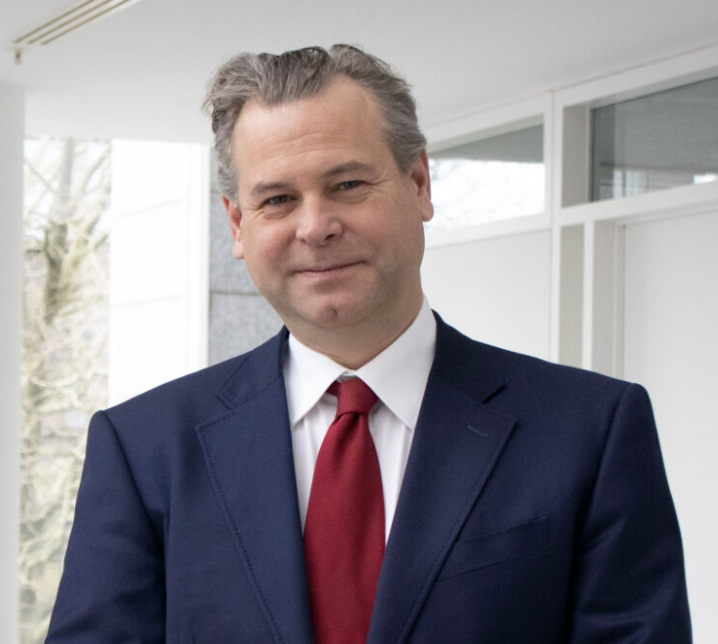
Chairholder, ADA Chair in Financial Law (Inclusive Finance)
An interview with Chairholder, Prof. Dirk Zetzsche
During the third phase of the ADA Chair, besides fundamental research on financial, corporate and banking law, we will focus on key three themes.
First, measurement and impact of financial inclusion. Drawing on a collaborative research project with the Alliance for Financial Inclusion on the impact of financial inclusion on financial stability, together with our research partners we will contribute to developing a globally applicable, consistent measurement approach for financial inclusion across different sustainability dimensions which is recognized by international bodies and could form the basis for additional empirical analysis. Furthermore, we seek to analyze impacts of financial inclusion on financial stability, monetary policy, GDP growth, gender, generations (i.e. the youth and old) as well as environmental factors. Our ambition is to challenge traditional derisking strategies, and redefine financial inclusion as a pathway to market efficiency rather than just a subsidy model. One could label this as the financial, social and environmental health dimension of financial inclusion. Laura Foschi, the CEO of ADA – our funding partner, formulated the dream of calculating the value of financial inclusion across all these dimensions by 2030.
Second, regulation of inclusive sustainable finance. Our research will deal with advance analysis of sustainability taxonomies, ESG risk management, and “right-sized” regulation, including exploring deregulation to support global inclusion aims. The Chair will pursue research into alternative investments, blended finance, impact investments, and their governance, with a systemic perspective linking investor experience to macro-financial stability. For instance, right now Douglas Arner, Ross Buckley and I are finalizing a major book on the topic for Oxford University Press. The idea is to ensure that financial regulation enables impact-yielding activities while retaining market efficiency, stability and resilience. Balancing these risks and opportunities is a major policy conundrum, and the challenges have become more demanding in the current environment of polycrises which undermines long-standing alliance and threatens existing infrastructure; the potential impacts on EMDEs is enormous. Necessarily, this will require taking country-specific differences into account. One size never fits all, local conditions matter.
Third, financial technologies were a driver of financial inclusion for the last decade, and in particular during the COVID period. Half of the people that had no access to finance in 2011 have access today. Yet, that leaves still 1.3 billion people entirely financially excluded, and furthermore access does not necessarily coincide with decent use and quality of financial products. Our research seeks to focus on how to deliver on all three dimensions: access, usage and quality, with a view to enhancing overall people’s financial health. We will continue our research into the application and regulation of technologies such as artificial intelligence, digital assets, and RegTech 4.0 to ensure these innovations serve inclusive finance and financial literacy, particularly in EMDEs. Here, the ADA Chair is closely involved in Luxembourg’s Future FinTech National Centre of Excellence in Research and Innovation on Financial Technologies (FFTNCER), with the Chairholder functioning as Co-Principal Investigator of the FFTNCER.
All in all, our research will continue to be world-leading, interdisciplinary, comparative, global, and network-based.
As to teaching and outreach, the Certificate in Law and Regulation of Inclusive Finance will remain our flagship program, aiming for diverse, gender-balanced participation especially from developing countries’ regulatory and supervisory authorities. On top, the Chair will continue to organize two cornerstone events: the Inclusive and Sustainable Finance Research Conference (which is co-organized with ADA and the European Investment Bank and which celebrates its tenth year anniversary on 26 November 2026) and the Luxembourg FinTech Conference whose 12th edition will be held on 7 October 2026 in Luxembourg, together with our long standing partners, Luxembourg law firm Schiltz & Schiltz, the Luxembourg House of Technologies and the Banque International á Luxembourg as well as the FFTNCER. These activities are complemented by active participation in a range of standard-setting forums (e.g., IMF, UN, World Bank, EU bodies).
Of course, our close cooperation with central banks and financial regulators through the Alliance for Financial Inclusion as well as international organizations and bilateral contacts will remain a cornerstone of our activities. In particular, the long-standing relationship with the Alliance for Financial Inclusion whose European hub is located in Luxembourg since 2020, enables us both to learn from very seasoned peers and thus inspire our research, while also giving back part of what we learn through our research, to the benefit of the planet and the people in EMDEs.
We see three benefits for Luxembourg.
First, we transfer knowledge that we collect and generate globally to the Luxembourg inclusive and sustainable finance ecosystem. This ecosystem is one of the most developed globally on these matters. We add to this bespoke expertise on law and regulation through our conferences, seminars, and speeches at events, but also through our collaboration in Luxembourg working groups. To strengthen this function the Third MoU foresees a knowledge catalyst function which translates lengthy research into portions that can be easily digested by practice.
Second, we contribute to Luxembourg’s reputation as inclusion and impact hub globally. The ADA Chair team is present in many conferences held in EMDEs and at the respective gatherings of international organizations, and takes an active role in these discussions, inserting the latest research results into the respective policy output. Where the topic fits our expertise, we also write high-profile policy reports, often with our long-standing research partners. The funding provided by our funding partners enables us to be selective and impartial which is appreciated as it enhances output quality and impact.
Finally, our activities generate talent for Luxembourg. People working at the Chair often leave with a PhD, sometimes just with project experience, but always with a standing connection to Luxembourg. For instance, one highly qualified former staff member works now at the EIB, others work in prestigious law firms or impact funds, some remain in academia. We also (not only) attract talent from EMDEs. Over time we contribute to enhancing the Luxembourg network.
In addition, we stand ready to provide evidence-based input to Luxembourg stakeholders on bespoke matters, such as how to best set-up impact and blended finance schemes, how to tailor impact policies, and how to develop or optimise financial services in EMDEs. During the third MoU, we will seek intensive working relationships and ongoing deliberations with institutions like LuxDev, the Luxembourg ministries, but also NGOs like ADA. Luxembourg always benefitted from peer learning and exchange of experiences among its stakeholders. We are a part of this ecosystem.
All in all, the third phase of the ADA Chair reinforces the University of Luxembourg’s and ADA’s role as leaders in global financial law research, secures the pipeline for specialized financial law talent, strengthens Luxembourg’s impact in international finance, and delivers actionable innovation for developing countries, creating a virtuous circle of expertise, policy innovation, and inclusive growth.
The Certificate in Law and Regulation of Inclusive Finance
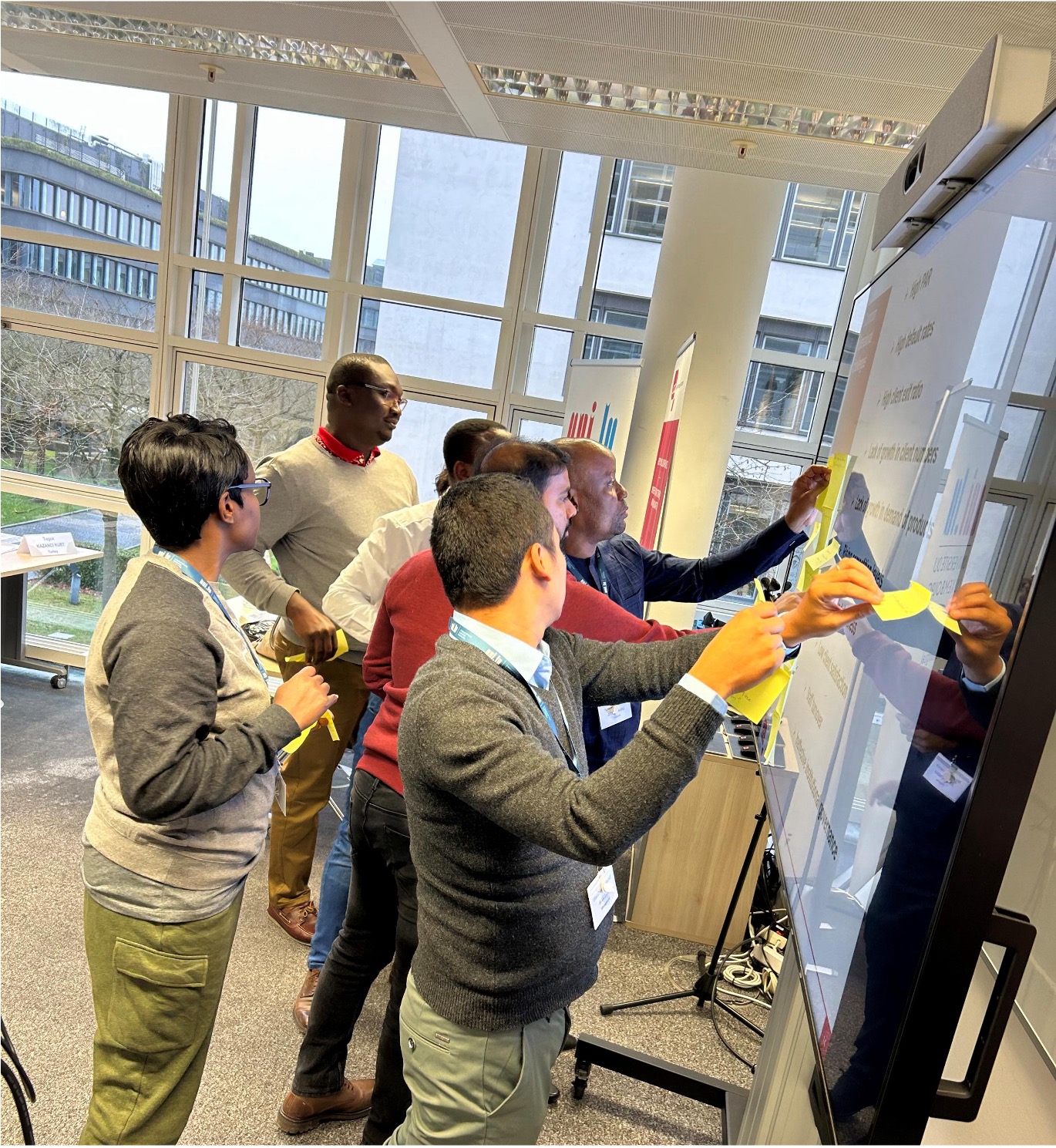
In their words: How the ADA Chair in Financial Law (Inclusive Finance) is changing lives
Alumni
- ‟
 Alumni
Apart from gaining the much-needed knowledge, it has equipped me with courage and skill to launch my Microfinance startup
Lonely Ephraim MahuniLearn more - ‟
 Alumni
I wholeheartedly recommend this programme to anyone aiming to gain practical insights into the regulation of inclusive finance
Tuğçe KAZANCI KURTLearn more - ‟
 Alumni
It gave me a wide network around the globe among the practitioners and regulators
Bunrith LyLearn more