

 Faculty of Science, Technology and Medicine
 Faculty of Law, Economics and Finance
 Faculty of Humanities, Education and Social Sciences
 Interdisciplinary Centre for Security, Reliability and Trust
 Luxembourg Centre for Systems Biomedicine
 Luxembourg Centre for Contemporary and Digital History
 Luxembourg Centre for European Law
 Luxembourg Centre for Socio-Environmental Systems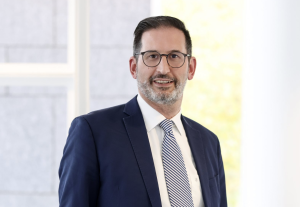
“Some days I wake up and think, what struck me when I decided to put my focus on Media Law?” Prof. Mark Cole admits that his field of law requires him to stay on his toes. Unlike other disciplines, his speciality has had to grow, adapt and change in step with the exponential growth of technology. When Prof. Cole first started out as a young professor, Media Law was largely relegated to the regulation of radio and television broadcasting. But in the decades since, the role of the internet, and in particular, digital platforms, has exploded. Who can imagine a world without social media, online shopping, ride share apps or AI chatbots?
With technology moving nearly like lightning, the legal environment must keep pace. To create a robust regulatory framework, it is essential for policy makers to call upon experts at the leading edge of research. Prof. Cole, whose research has kept up with the developments, is one such expert. Recently nominated by the government of Luxembourg to the Council of Europe’s Committee of Experts on media regulators in a platform-based environment (MSI-eREG), he will sit among thirteen members including representatives from seven European Union Member States and six independent experts, each demonstrating recognised expertise in fields of freedom of expression, media policy and regulation, and digital platform governance.
New challenges for regulators
As digital platforms have become a staple of everyday life, the role of regulatory authorities has become less clear. For example, the EU’s DSA (Digital Services Act), which entered into force in early 2024, designates national Digital Service Coordinators who work with the European Commission to supervise, enforce and monitor the DSA. “Regulators who were traditionally in charge of straightforward enforcement measures such as monitoring compliance with TV and radio broadcasting licenses or even revoking those in response to an infraction, are now responsible for applying rules in a much more complex ecosystem,” says Prof. Cole, “while for some issues other existing authorities or even newly created ones have been empowered by the Member States”.
The legal environment includes further legislation such as the DMA (Digital Markets Act), GDPR (General Data Protection Regulation), the AI Act and the EMFA (European Media Freedom Act), to name a few. Each one of these laws adds another layer of independent authorities who must find a way to work together to protect human rights and ensure the safety of EU citizens in digital environments.
These new responsibilities may come with a learning curve as national authorities pick up the scope of their power and use the resources available to them. In this context, the Committee of Experts that Prof. Cole has joined has been tasked to provide a guidance note on media regulators in a platform-based environment by the end of 2027. ‘Guidance notes’ of the Council of Europe expert committees are publicly available documents containing, among others, a set of fact-based expert recommendations. Such output often appears at the earlier stages of reflection and serves to inform and guide preliminary debate at all levels of policymaking.
The right time to take stock
It has been two years since the DSA entered into force, and it is already apparent that development and widespread adoption of new technologies, namely AI, has changed the game. “Where once a 5-to-10-year cycle of evaluating new laws was sufficient, the time has decreased significantly,” notes Prof. Cole. How can lawmakers ensure that the regulatory framework is sustainable? Perhaps statutory laws are no longer the answer, and more flexible solutions need to be considered? These are exactly the types of questions that the Committee of Experts will need to consider during their mandate.
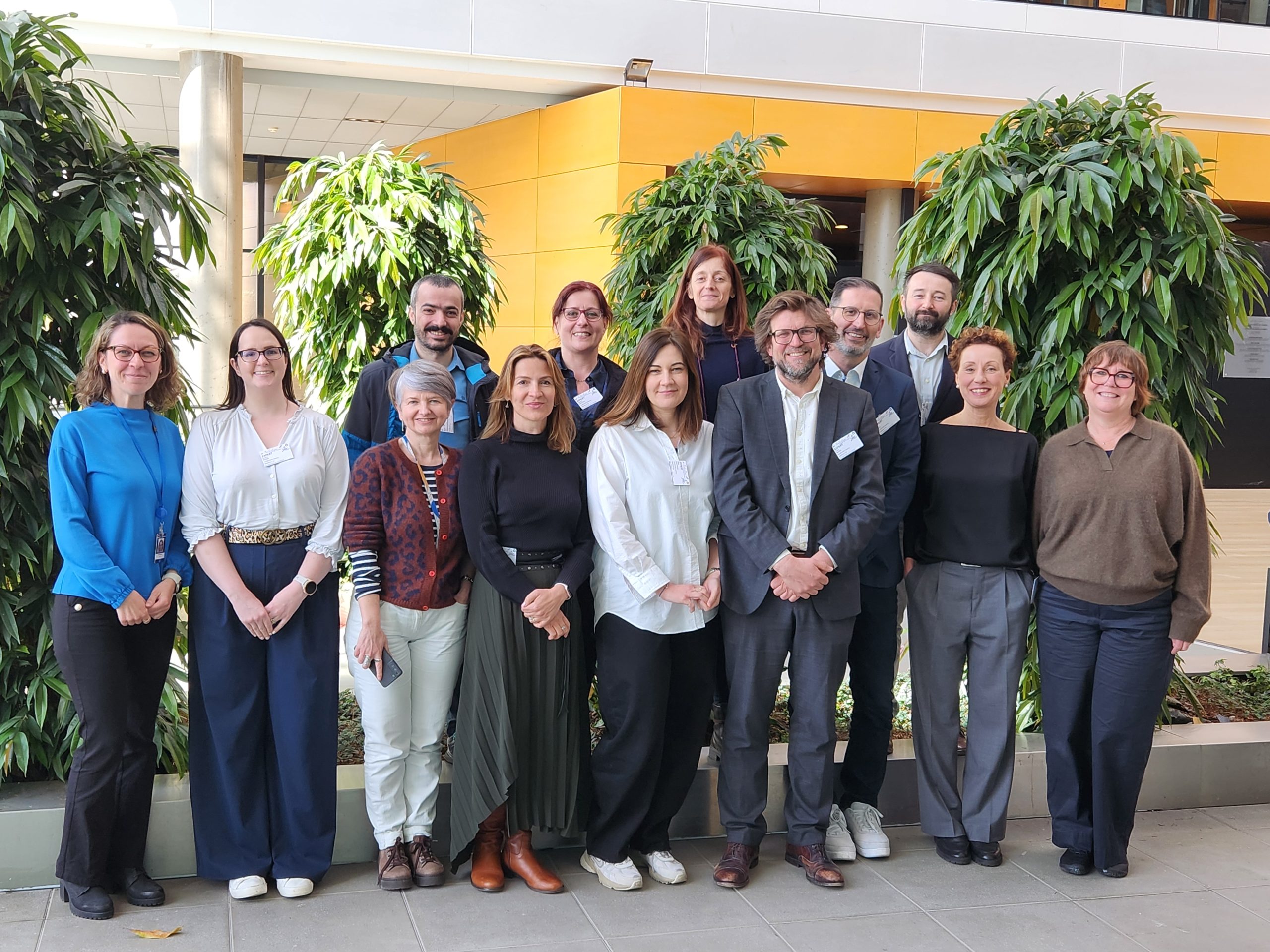
The committee of experts held its first meeting in Strasbourg on 26 and 27 March 2026
It is not the first time that Prof. Cole has been part of a Council of Europe expert committee. In 2021, he was appointed to the Committee of Experts on Media Environment and Reform (MSI-REF) which released a Guidance Note on the Prioritisation of Public Interest Content Online. This note addressed how States, platforms and intermediaries influence who sees what content online and how this influence can be used to either promote reliable sources of information or be exploited for propoganda. The note recommended that States take action to make public interest content more prominent, either through obligations or minimum standards. The Committee further prepared, with Prof. Cole as one of the rapporteurs for this text, what later became the Committee of Ministers’ Recommendation CM/Rec(2022)11 to member States on principles for media and communication governance laying down fundamental guidance in procedural and substantive terms when developing rules governing the communication space, especially online.
‟ Where once a 5-to-10-year cycle of evaluating new laws was sufficient, the time has decreased significantly”
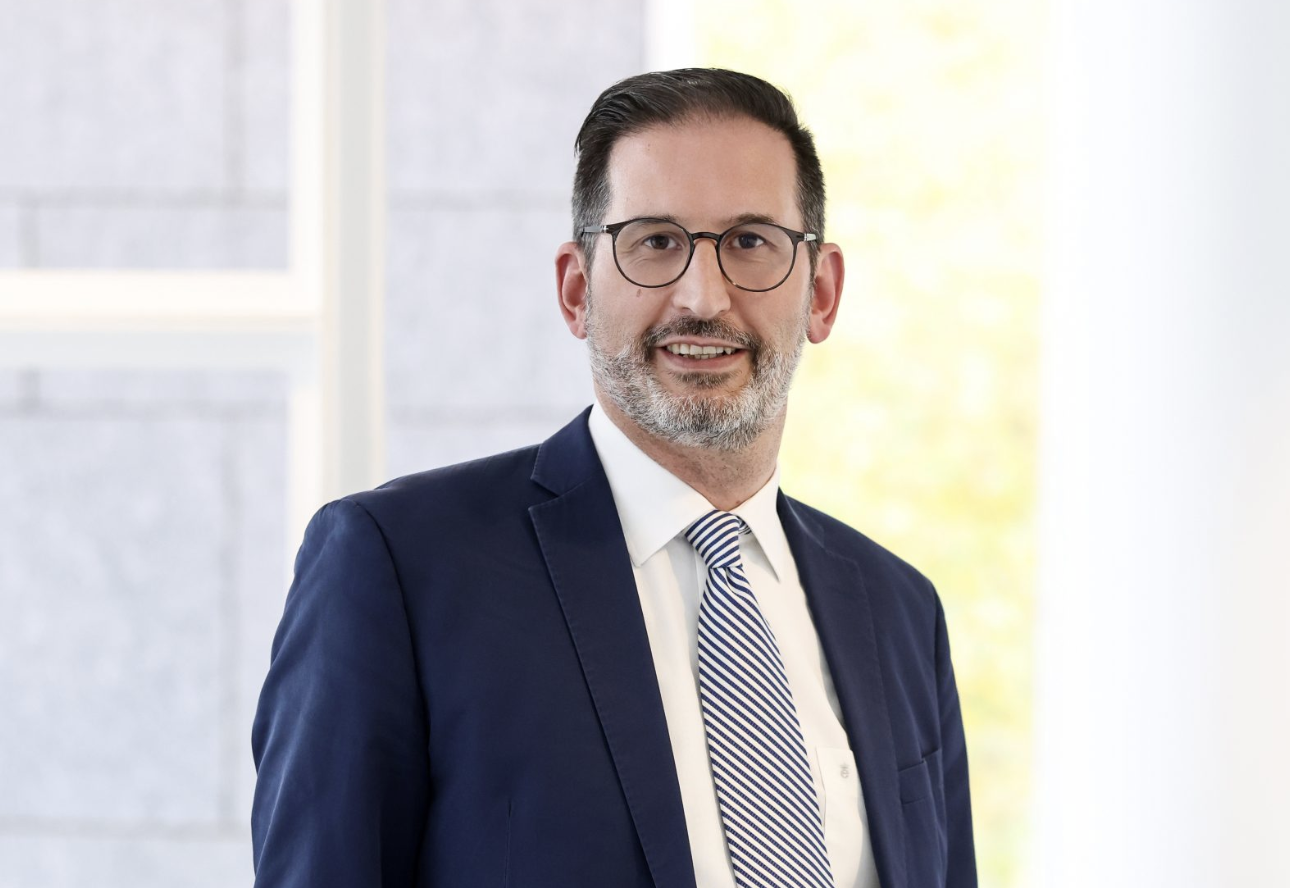
Full professor
Combatting illegal content and disinformation
In addition to his activity within Expert Committees, Prof. Cole has also recently been the scientific coordinator and one of the main authors of a report released by the Council of Europe’s European Audiovisual Observatory. The downloadable IRIS report, Enforcing rules on illegal content and disinformation online offers a comprehensive analysis of the current enforcement of European rules on illegal content and disinformation online, exploring both at a European and national level – using examples ranging from the Ukraine and Romania to France and the UK – how regulatory frameworks can be used to effectively enforce the existing rules.
Prof. Cole will also be speaking on 15 April 2026 at the event “Disinformation as threat to democracy and peace in Europe” organised by the Cultural Advocacy Coalition – Defending Our Future in partnership with the European Commission Representation in Luxembourg, the Embassy of the Republic of Poland in Luxembourg and the Embassy of Romainia in the Grand Duchy of Luxembourg. The aim of this conference is to showcase some of the methods and strategy used in everyday information and cognitive warfare, as well as present strategic communication and instruments used to counter its goals.
And so, on most of the days when Prof. Cole wakes up with the thought of how overwhelming the speed of development of the field can be, his second thought is that he is grateful for having been drawn to it: “It is a real privilege to research and teach in this field as well as contributing to policy shaping in an area reflecting some of the fundamental challenges to our societies”.
Event: Disinformation as threat to democracy and peace in Europe
 Wednesday 15 AprilFree of charge, In-person event, Lectures and seminars
Disinformation as threat to democracy and peace in Europe
Learn more