Faculty of Science, Technology and Medicine
 Faculty of Law, Economics and Finance
 Faculty of Humanities, Education and Social Sciences
 Interdisciplinary Centre for Security, Reliability and Trust
 Luxembourg Centre for Systems Biomedicine
 Luxembourg Centre for Contemporary and Digital History
 Luxembourg Centre for European Law
 Luxembourg Centre for Socio-Environmental Systems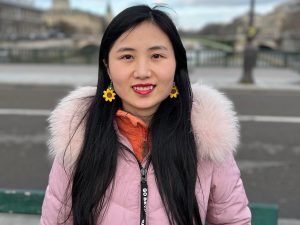
Using machine learning for rumour detection
Doctoral researcher Wanshu Zhang’s academic journey has taken her from China to Luxembourg, with some unexpected stops along the way. She shares more about her interest in the role rumour detection plays in public perception and memory, plus the challenges of being an international student.
Wanshu Zhang’s first degree was a bachelor’s in bioengineering, which she earned in her home country of China. Her work there focused on genetic engineering and the breeding of wheat. However, by the end of the programme, she realised this field was one which she no longer wanted to pursue.
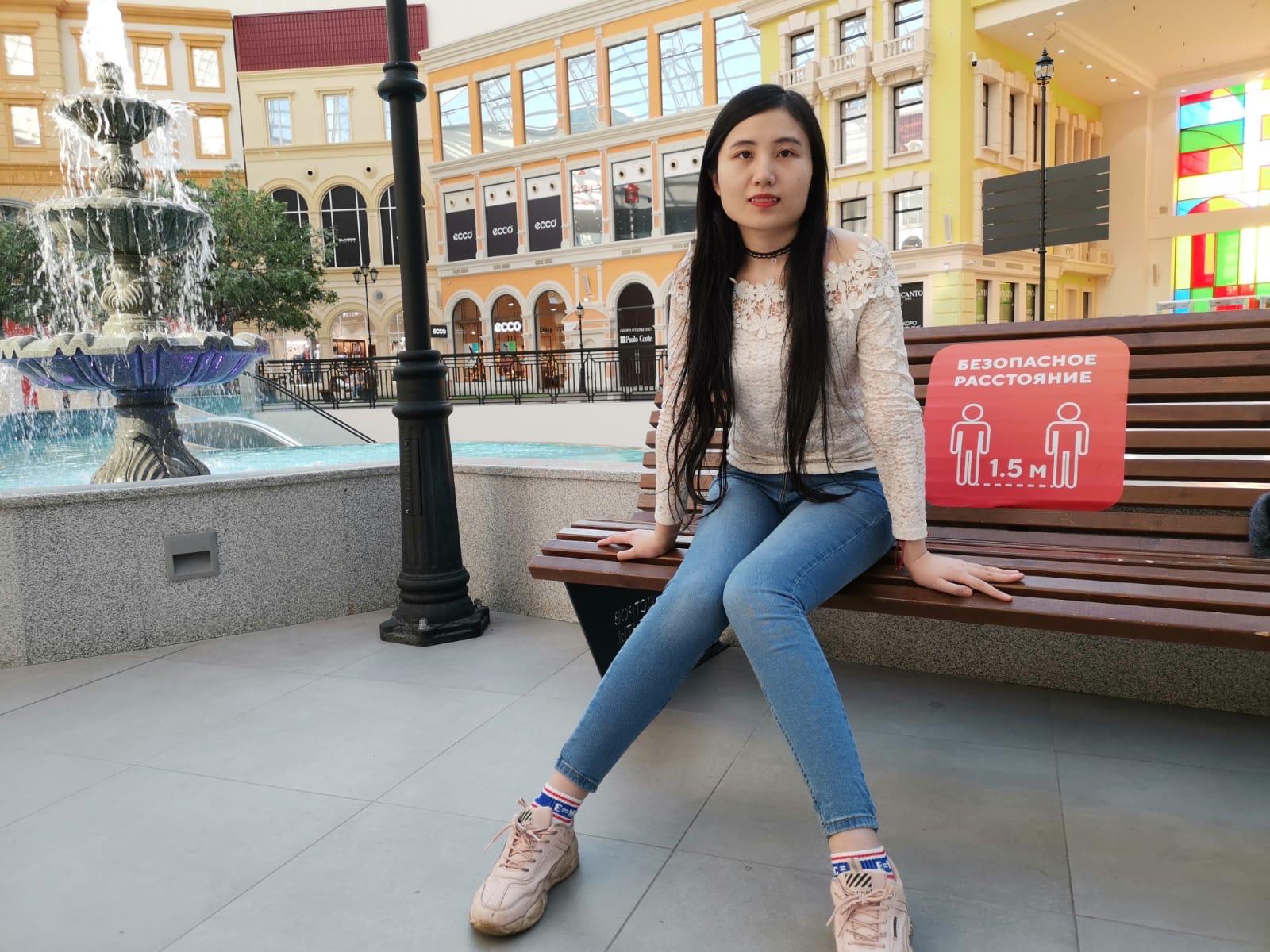
After her bachelor’s studies, her parents wanted her to get a job and get married quickly. However, she felt she had more things to study and bigger dreams to pursue. So, with very little financial support from her parents, her friends helped her to go abroad. Zhang ended up at HSE University, officially the National Research University Higher School of Economics, based in Moscow, Russia. There she was able to take part in a scholarship competition and gained access to an English-based programme there for free. Through this experience, she discovered she was less interested in linguistic theory, more so in computational linguistics.

An unexpected stopover
Around the same time that Zhang was seeking a PhD programme, Russia had invaded Ukraine, and the conflict was escalating. Zhang, along with some of her cohorts, were concerned they might not be accepted to other universities as a result of the war.
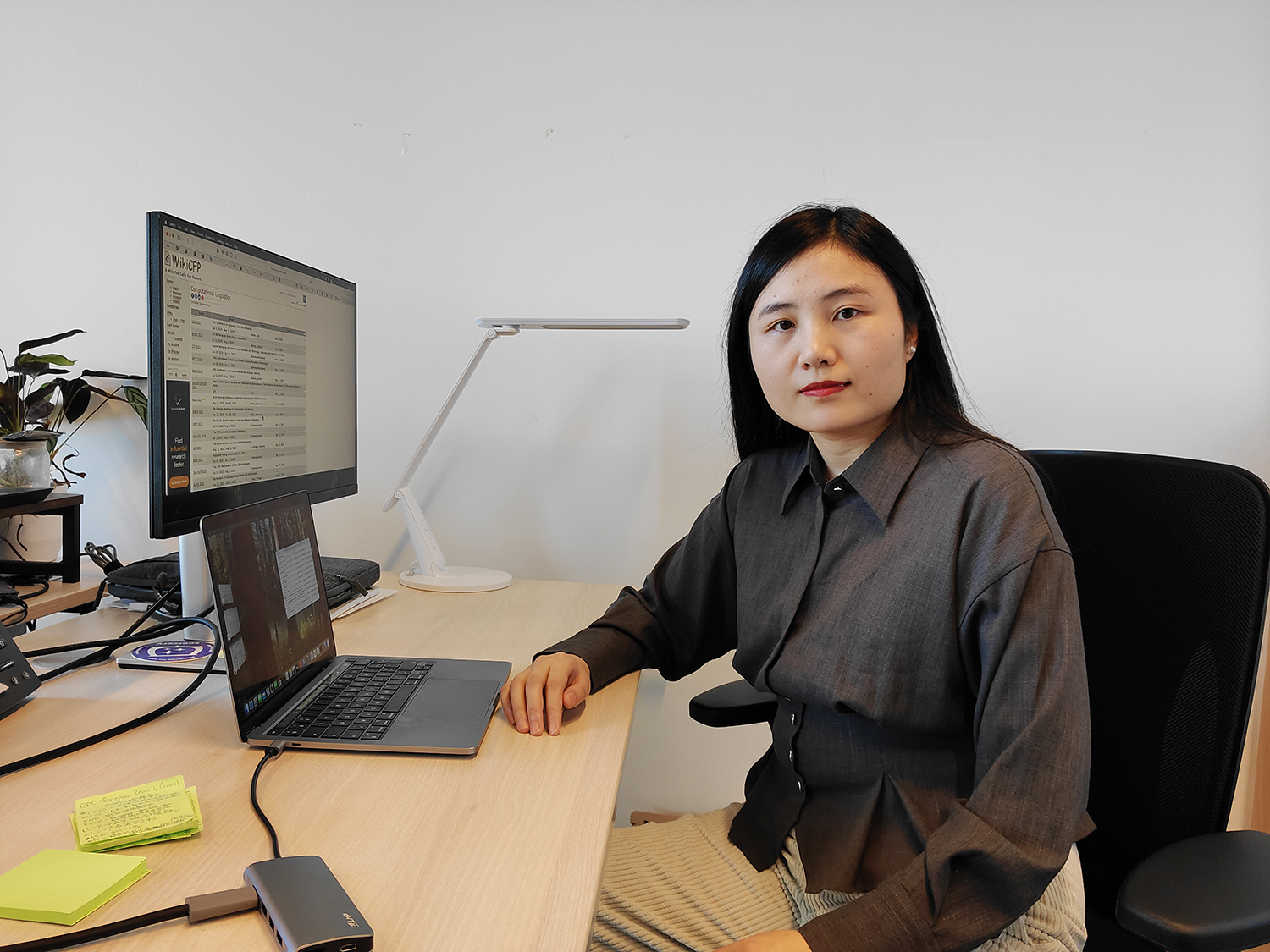
Having heard about the University of Luxembourg through a schoolmate who had been accepted there, Zhang decided to apply for a position within the C²DH and was accepted. The administrative work for establishing residency, however, proved slow-moving: Zhang was unable to continue living in Russia since her visa had expired, but couldn’t temporarily return to China, given the country was still implementing its “zero-covid” policy. And so Zhang moved temporarily to Armenia, spending eight months there until her paperwork was finalised for her Luxembourg move.
It was a welcome move for her for several reasons: the weather and fruit, restaurants open until 2 or 3 am gave her a burst of energy. In the developing country, Zhang met many hardworking people who were proud of their culture. But during her stint in Armenia, she had also witnessed the aftermath of bombardments as a result of the nation’s conflict with Azerbaijan.
“Language has power”
Starting her programme at the C²DH under the supervision of research scientist Florentina Armaselu, who Zhang says has been “very nice and helpful”, has required Zhang to first delve into broader history studies, given this wasn’t part of her educational background. So far, Zhang says the programme has provided her with a renewed sense of meaning: “I feel like I always want peace, love and fairness in the world, which is why I proposed the topic of rumour repetition,” she explains. “I think language has power, whether it’s written or oral, and if it’s repeated, it can influence a lot of things, differently and longer.”
‟ I think language has power, whether it’s written or oral, and if it’s repeated, it can influence a lot of things, differently and longer”
Doctoral researcher
The doctoral researcher has been reflecting on a variety of aspects related to rumours, such as how to distinguish them from mis- or disinformation, and how rumours can be particularly burdensome for women. She’s interested in the notion of truthfulness and the fact-checking process behind, for instance, social media platforms—most of which have strict access policies. Given this challenge, Zhang has been focused more on historical newspapers.
Zhang is also interested in the repetition of rumours and the “Mandela effect”, which refers to false memories that a large number of individuals believe as truth. Collective memory builds our culture. But have we forgotten something important but imperceptible in our history? She thinks she has a responsibility to bring back such memories to the human family to enrich and complete our culture and history.
She recalls meeting a historical archivist at a conference in Philadelphia. “Few people can remember the tragic, cheerful and interesting moments of that city as he does,” she says. “It appears that people like him become the guardians of our culture. Digital historians like me want these memories to be alive again.”