

 Faculty of Science, Technology and Medicine
 Faculty of Law, Economics and Finance
 Faculty of Humanities, Education and Social Sciences
 Interdisciplinary Centre for Security, Reliability and Trust
 Luxembourg Centre for Systems Biomedicine
 Luxembourg Centre for Contemporary and Digital History
 Luxembourg Centre for European Law
 Luxembourg Centre for Socio-Environmental Systems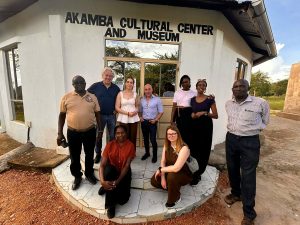
Sharing experiences across continents
From 28 to 30 April 2026, a team from the University of Luxembourg had the privilege of traveling to Nairobi, Kenya, for a week-long exchange centred on public and participatory history. The visit, organised with our key partner African Digital Heritage (ADH), showcased inspiring work by local institutions, highlighted the growing need for further partnerships and collaborations between Europe and Africa, and reinforced the vital role of community-driven history projects.
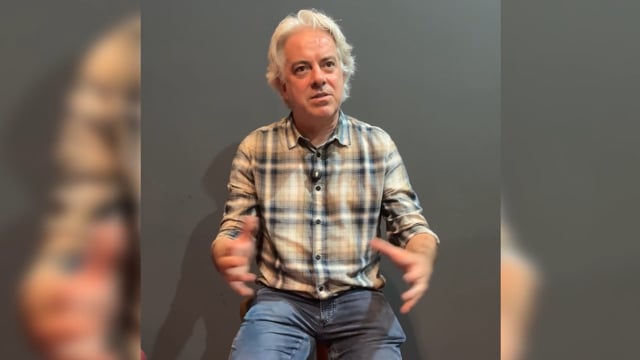
Prof. Andreas Fickers
Celebrating Local Heritage at the Akamba Cultural Center and Museum
The journey began with a visit to the Akamba Cultural Center and Museum in Emali/Mulala Ward, Makueni County. Founded and directed by Mutuku Wa Muindi, the center’s mission is more than preserving artefacts—it is about revitalizing and transmitting Akamba cultural heritage for current and future generations. The founder’s vision is to construct a living museum, where oral traditions, artisanal skills, and community narratives are not only documented but actively practiced and performed. Notably, Mutuku has received training from African Digital Heritage, gaining skills in increasing the museum’s visibility through social media and a dedicated website, in applying metadata to photographs, and in identifying and securing funding sources. The Akamba Museum stands as a testament to how grassroots initiatives can reshape public memory, ensuring that intangible heritage and local identities remain central in contemporary Kenyan society.
Linking Luxembourg and Kenya—The FOMLEG Project
The second day centred on a thought-provoking workshop, hosted by Lenny Kariuki at the Nairobi National Museum, as part of the FoMLEG Project, led by Emilia Sánchez González and Claude Ewert. This session revisited New York Museum of Modern Art’s landmark exhibition “The Family of Man” and its significant but understudied presentation in Nairobi in 1960. Around 8,000 visitors attended the show at the Premier/Patel Club—a figure seen as disappointing compared to its impact elsewhere—raising questions about audience engagement, accessibility, and the cultural context of postcolonial Kenya. The workshop discussions placed the exhibition against the backdrop of the Mau Mau uprising, the struggle for independence from British rule, and the evolution of artistic, curatorial, and institutional practices in Nairobi from the late 1950s to the present.
Participants, including artists, curators, archivists, and historians, critically examined the challenges of representation within the FoM exhibition, especially the notable absence of African photographers and themes. Lively debate focused on how local artists might have engaged with or reinterpreted the exhibit over the decades, and how to recover their voices in today’s scholarship. Additional conversations explored the impact of exhibition venues on audience diversity, the role of music as an innovative curatorial device unique to the Nairobi showing, and the influential yet complex involvement of foreign sponsors and commercial interests in the Kenyan art scene.
These themes sparked broader reflections on exhibition-making, public engagement strategies, and the factors shaping how art is received in changing social and political landscapes. Connecting these historical insights with current projects like FoMLEG, the workshop fostered insightful exchanges among participants with diverse backgrounds. Together, we explored how digital tools and comparative research can shed new light on Kenya’s art history, document past and present struggles for representation, and inspire more inclusive curatorial practices in the future.
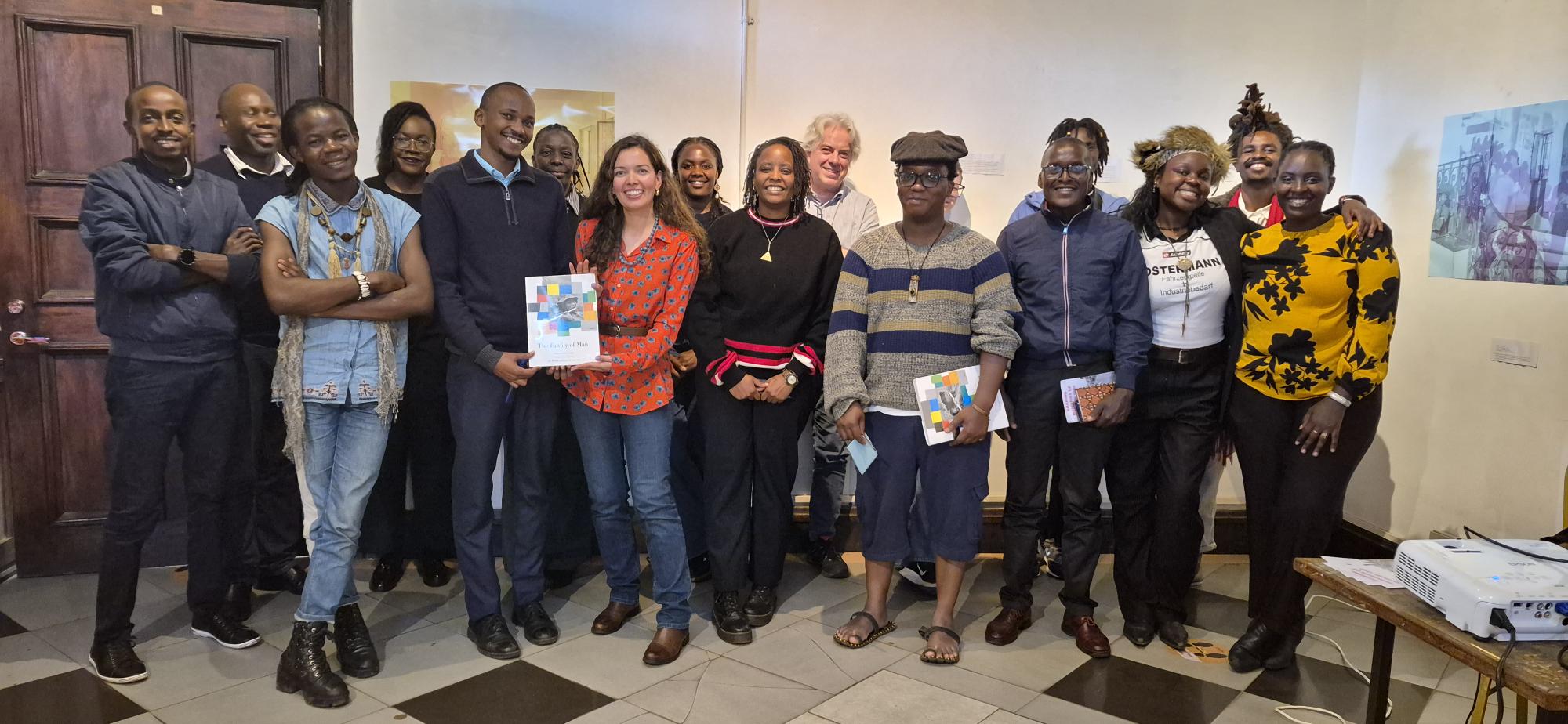
Participants of the FoMLEG workshop in Kenya
Conference ‘The Histories We Tell’—Lessons in Public and Participatory History from Africa
The highlight of the week was the conference “The Histories We Tell: Lessons in Public and Participatory History from Africa,” co-hosted by the C²DH and ADH. This event marked the culmination of the PHACS (Public History as the New Citizen Science of the Past) project, bringing together scholars, artists, archivists, journalists, and cultural practitioners from across Africa and the Afro-diaspora.
Sessions throughout the day addressed urgent topics in public history:
- Politics and Practices of Activist Archiving: Panellists including Prof. Noor Nieftagodien, Dr. Njuki Githethwa, and Dr. Sa’eed Husaini examined how archives emerge as spaces of political contestation and social memory, with a strong emphasis on Kenyan and South African experiences.
- Art, Diversity & Histor(ies): Khalid Albaih, Dr. Larissa-Diana Fuhrmann, and cartoonist Maddo explored how comics, satire, and visual storytelling can challenge official narratives and activate new forms of historical consciousness.
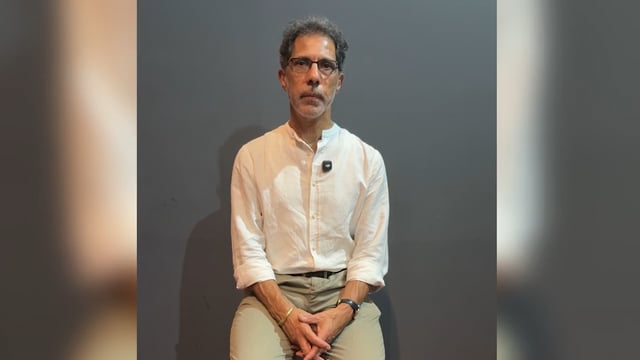
Prof. Noor Nieftagodien
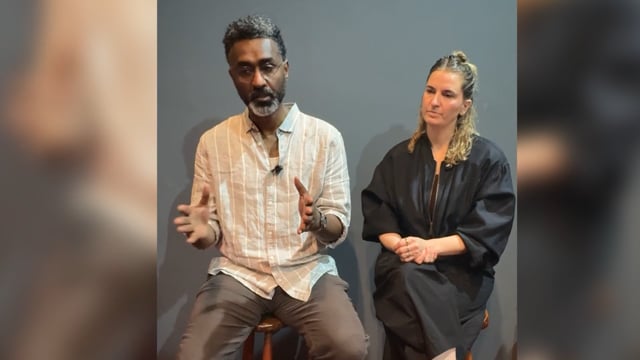
Khalid Albaih & Dr. Larissa-Diana Fuhrmann
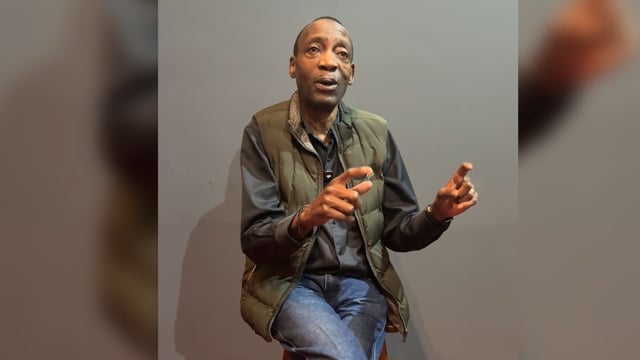
Maddo
- Building Participatory Community Archives: Dr. Mina Ibrahim, Dr. Meriem Sahli, Dr. Martha Akawa and Julia Göke. shared lessons from Egypt, Namibia and Morocco foregrounding the ethical stakes, challenges, and empowering potential of truly communal archival practices.
- Public Histories, Digital Futures: Dr. Myriam Dalal and Zahid Rajan engaged in a powerful and at times personal conversation around what it means to do public history in challenging times. Meanwhile, Kenyan digital history expert and ADH founder Chao Tayiana Maina discussed what it means to make digital archives serve the public in Africa, championing accessible, accountable, and community-centred platforms.
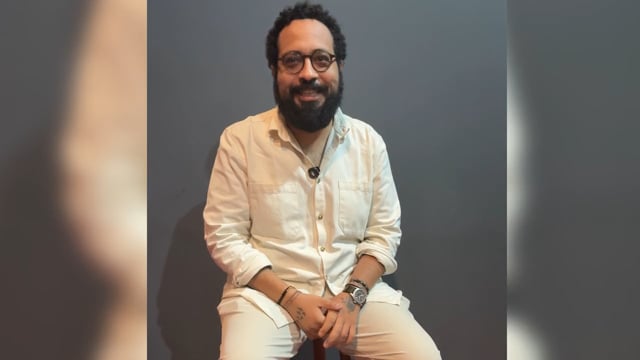
Dr. Mina Ibrahim
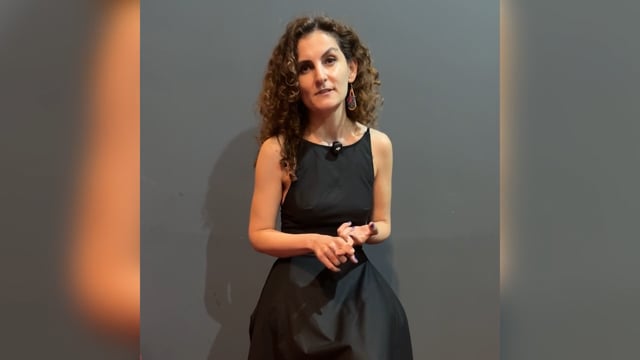
Dr. Myriam Dalal
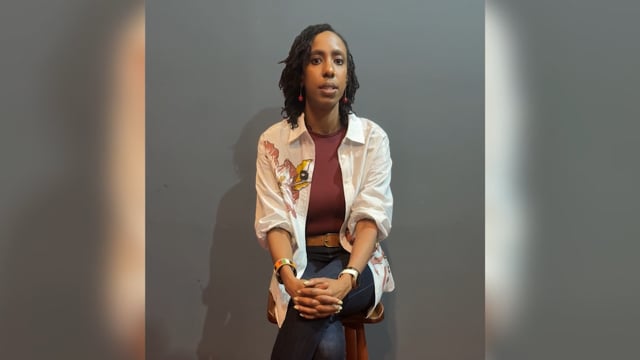
Chao Tayiana Maina
The day closed with a moving film screening in memory of young film maker Nick Wambugu, whose life and work powerfully embodied the struggle to document people’s movements and voice stories often omitted from ‘official’ history.
This journey to Kenya was more than an academic exchange—it was a practical lesson in humility, solidarity, and the necessity of locally grounded, participatory practice in history. Our partnerships with African Digital Heritage and local institutions such as the Akamba Cultural Center and stakeholders involved in the FOMLEG project are central to building a global history that is both critical and inclusive. We return to Luxembourg with renewed inspiration to place ethical, collaborative, and digital public history at the heart of our research, teaching, and institutional collaborations.