

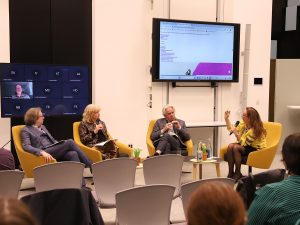
The U-CORE project (Researching the Collecting, Preserving, Analysing and Disclosing of Ukrainian Testimonies of the War) launched its collection of more than 80 interviews with uprooted Ukrainian citizens during a hybrid event on 13 May 2026.
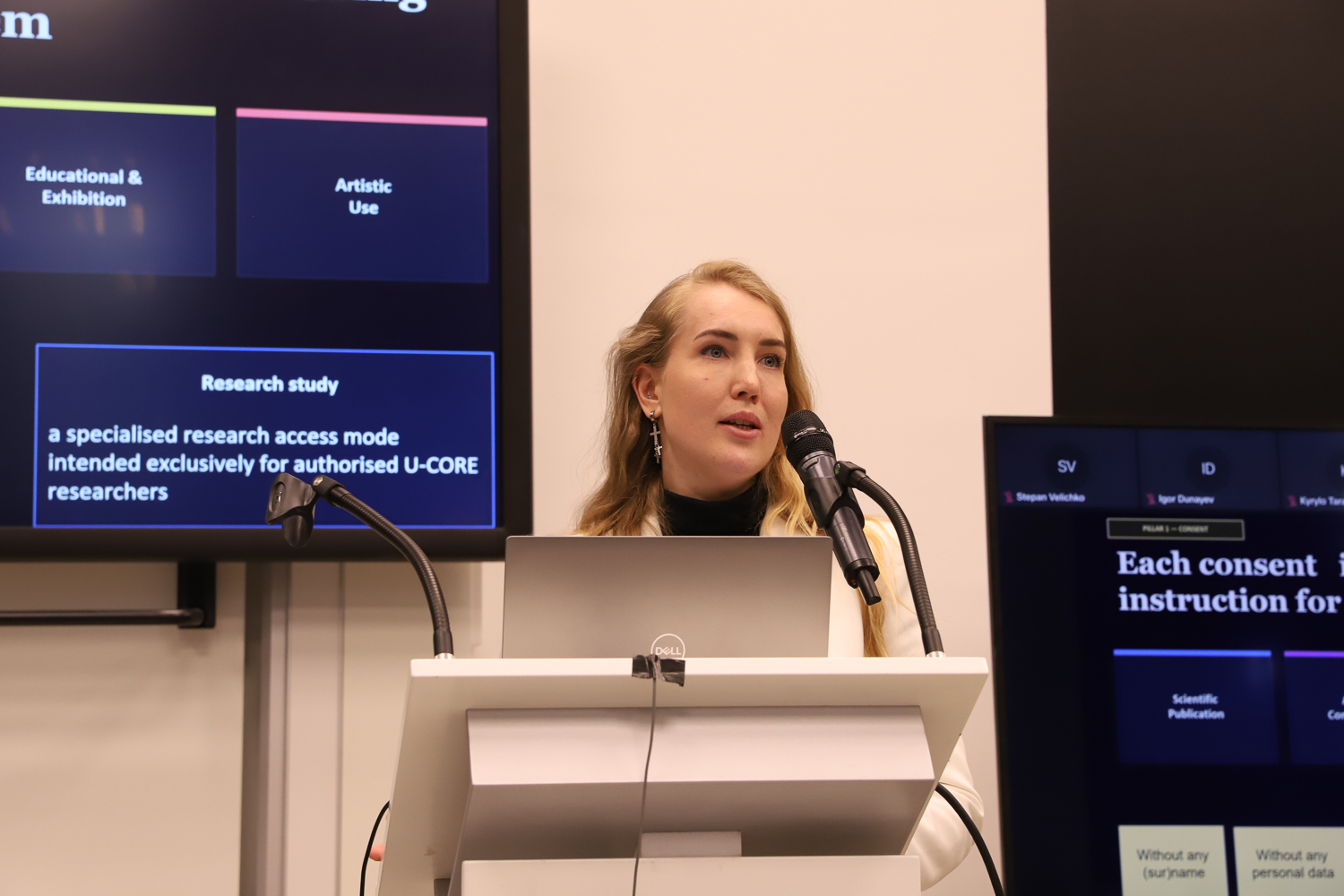
Prof Machteld Venken opened the evening presenting the project’s main outcome: a new integral digital workflow for the collecting, analysing, preserving and disclosing of testimonies of persons at risk developed in Luxembourg. That workflow guarantees the secure handling of data during data modeling, recording and interviewing, transcribing, identifying sensitive information, and disclosing. It is an ethically grounded epistemic intervention that redefines authority, ownership, and responsibility in born-digital collections. Particular attention was paid to the project’s main innovative solutions: an extension of the CLARIN Component Metadata Infrastructure (CMDI) in the form of a dedicated sensitivity component, and a combined computational-human analytical method for the detection of sensitive data as well as the assessment of these data for potential disclosure. The presentation was continued by Dr Aliesia Soloviova, the main developer of a new custom-built application for disclosure, called the U-CORE Database Structure. The App enables, among others, granular access management for transcriptions and audio recordings by means of, respectively, masking and muting.
-
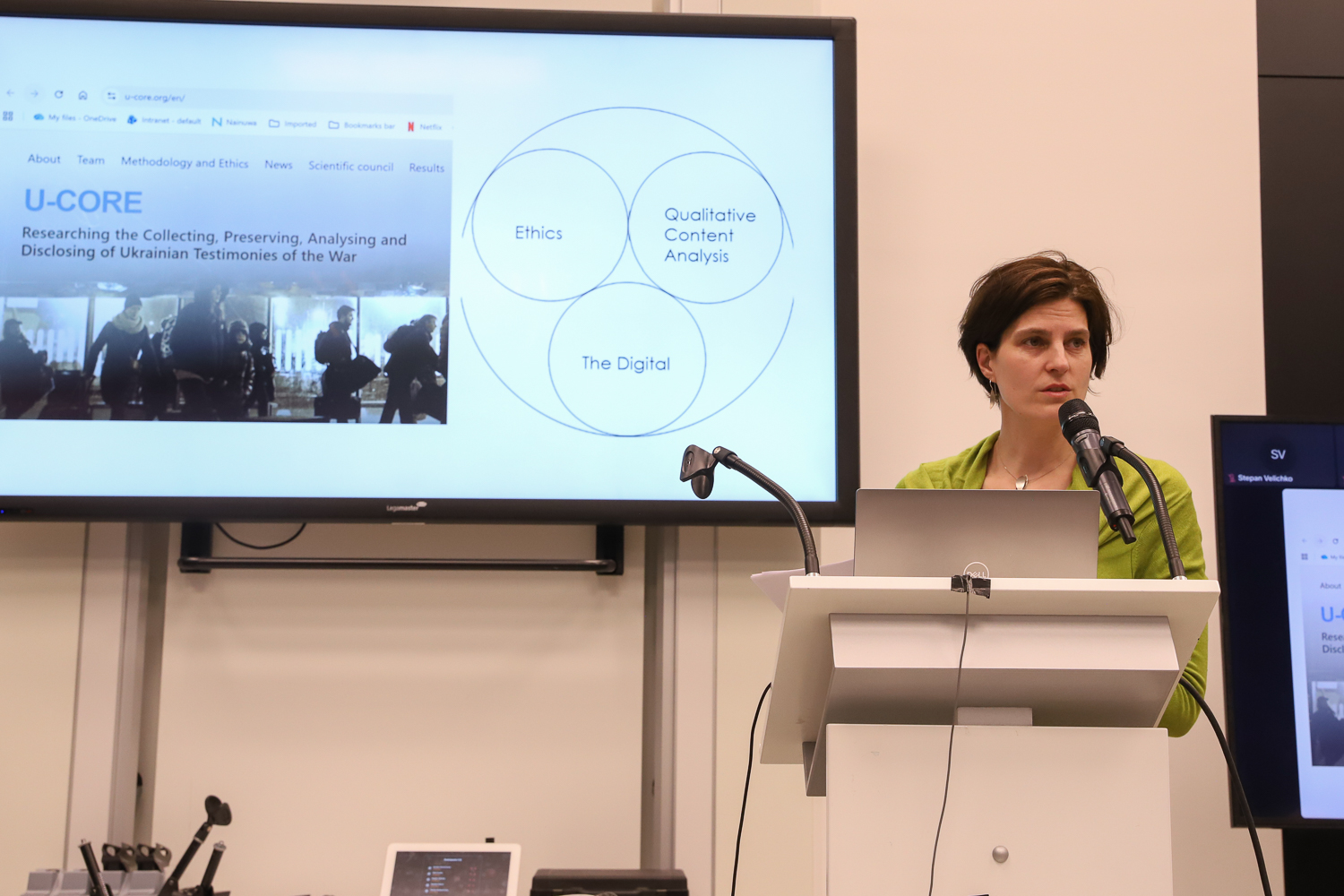
Prof. Machteld Venken presenting the U-CORE interview collection
-
-
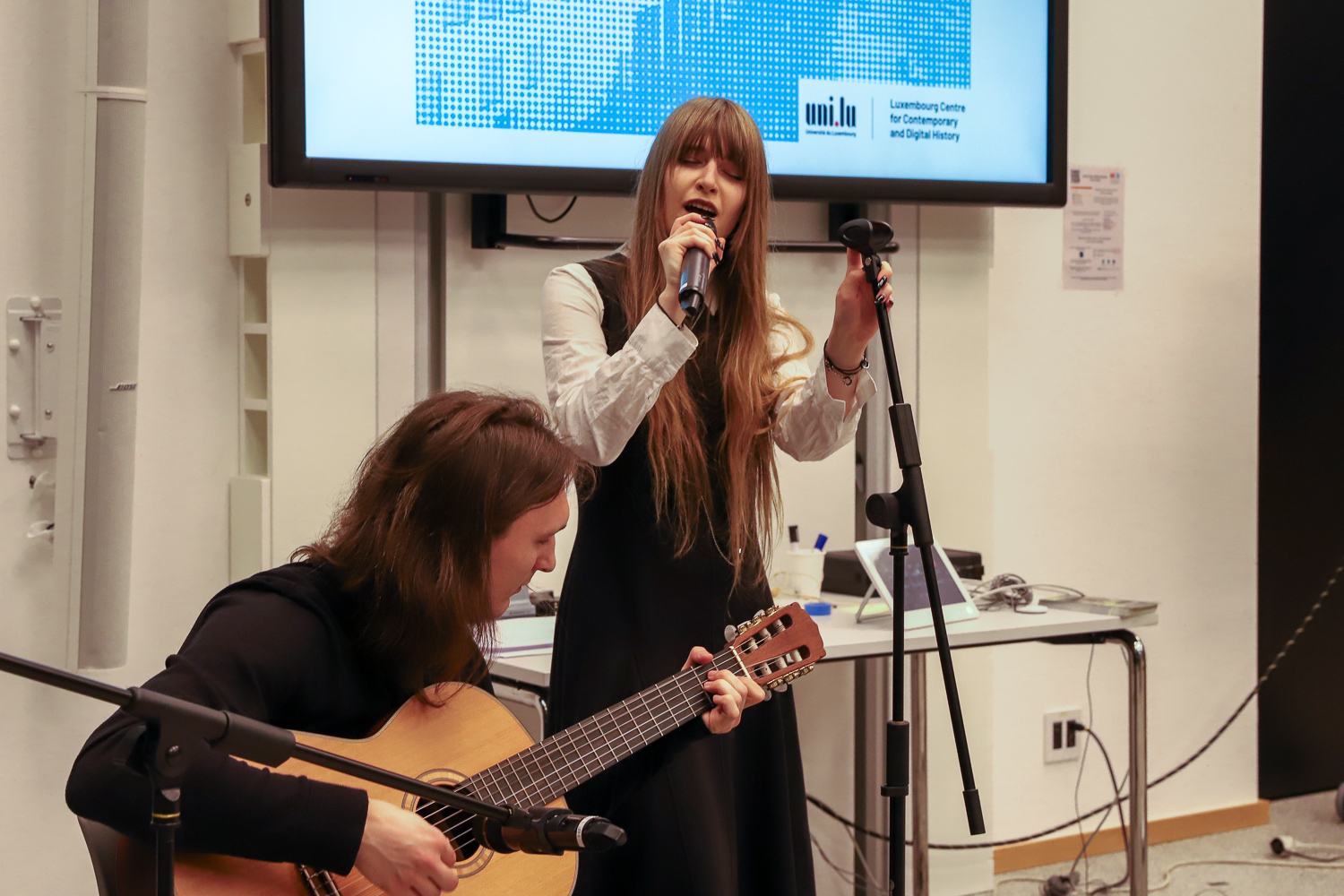
Musical intermezzos by Margaryta Aleksandrova and Serhii Pravdiuk
-
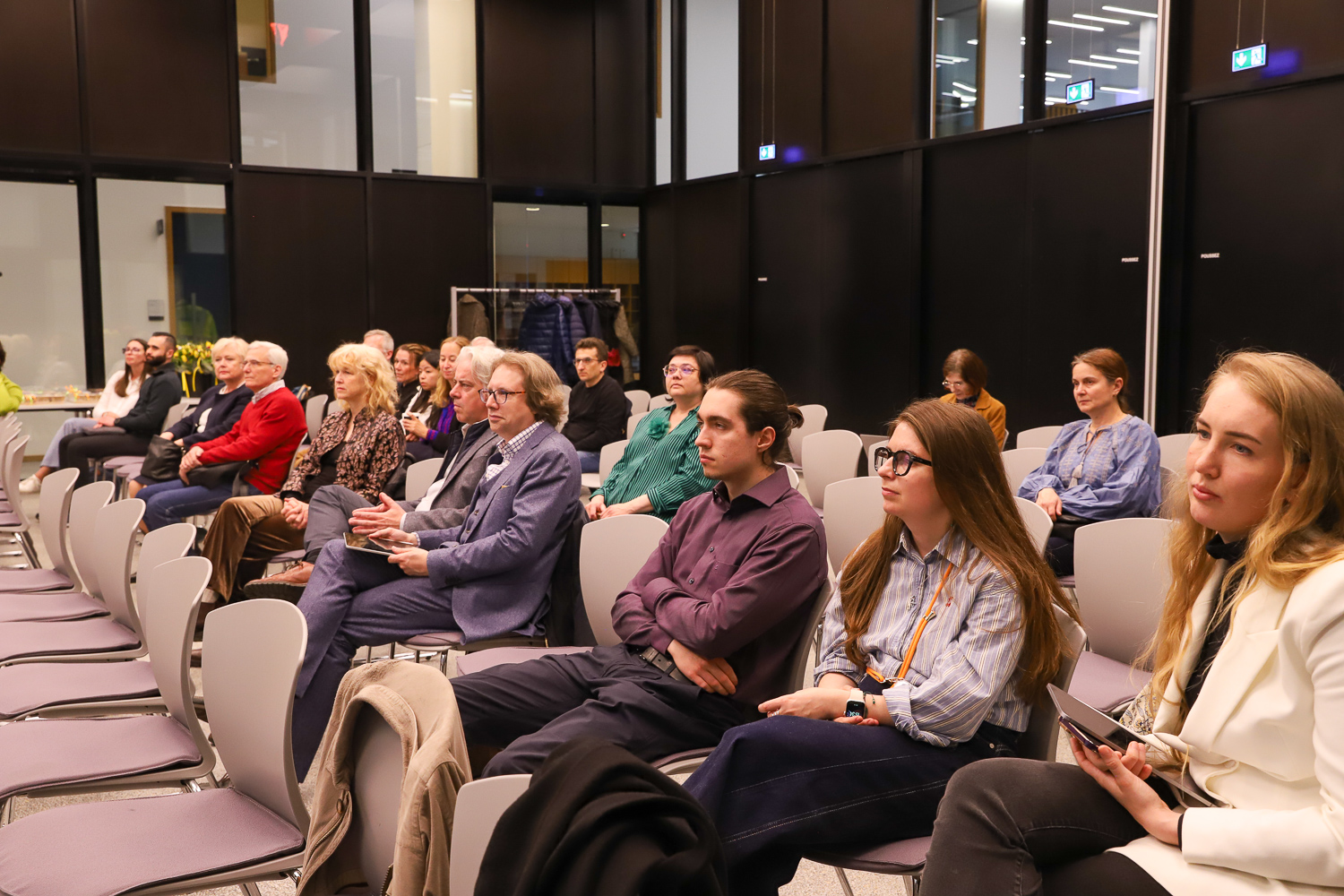
Public presentation
A roundtable discussion moderated by Dr Inna Ganschow brought together Dr Anna Cole (University of Portsmouth), Dr Simon Donig (Herder Institute for Historical Research on East Central Europe), Prof Dr Andreas Fickers (Director of C²DH) and Stephen Naron (Director of the Fortunoff Video Archive for Holocaust Testimonies). Their individual reflections, followed by an engaging collective exchange, highlighted the speakers’ enthusiasm for the project’s outcomes.
Anna Cole emphasised how the project broadened the notion of “sensitivity” beyond its GDPR‑based definition—drafted in a time of peace—towards a co‑constructed understanding shaped jointly by researchers and interviewees. Simon Donig commended the Luxembourg team’s view of digital infrastructure as an epistemic framework, which inspired the development of a custom-built application designed to shape how knowledge about Russia’s full-scale invasion is generated now and in the future. Prof Andreas Fickers welcomed the project’s transparent articulation of each digital intervention across the entire workflow. Stephen Naron underscored the central role of ethics in engaging with the data, noting in particular how ethical principles were embedded directly into the interface itself.
-
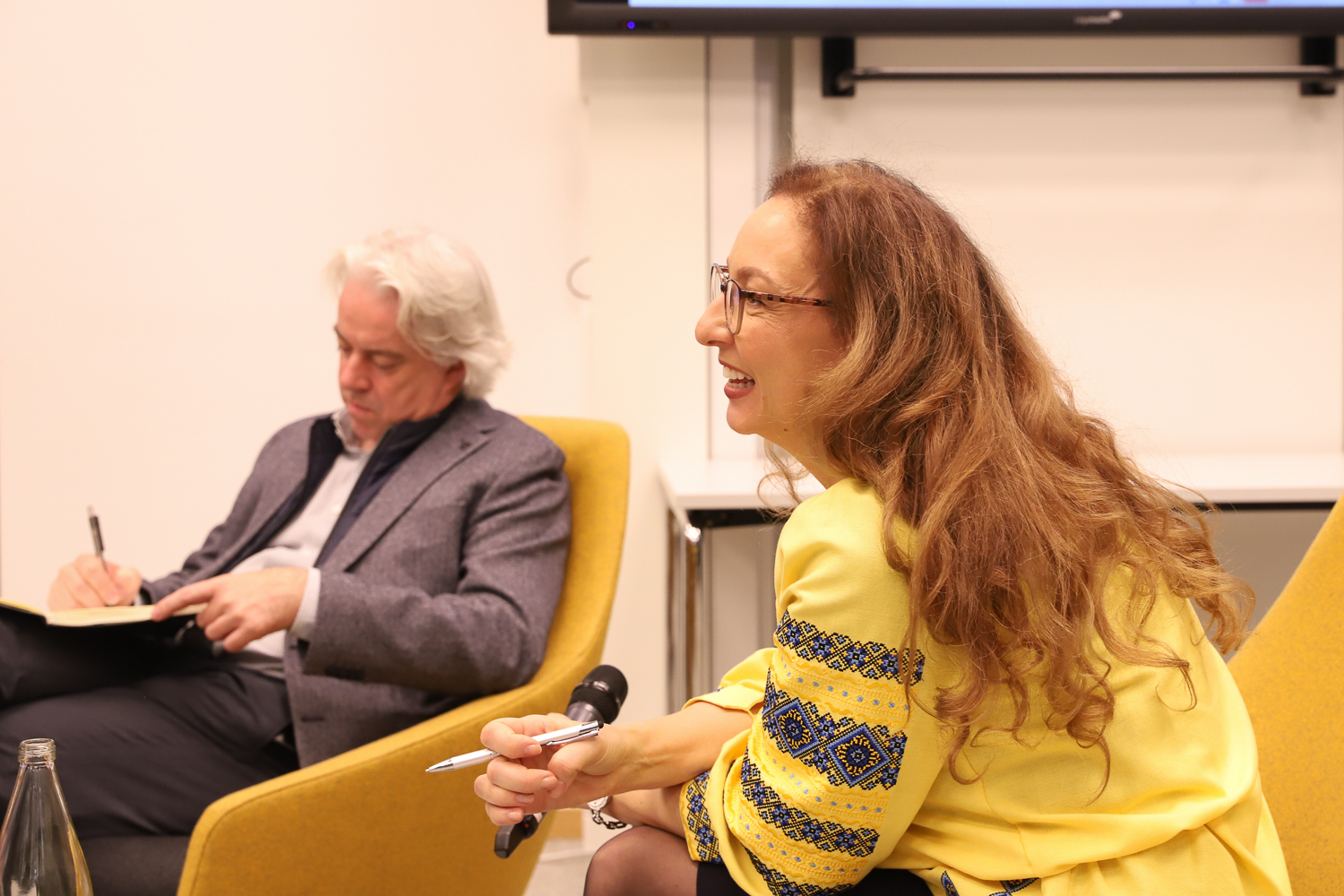
Roundtable discussion moderated by Dr Inna Ganschow
-
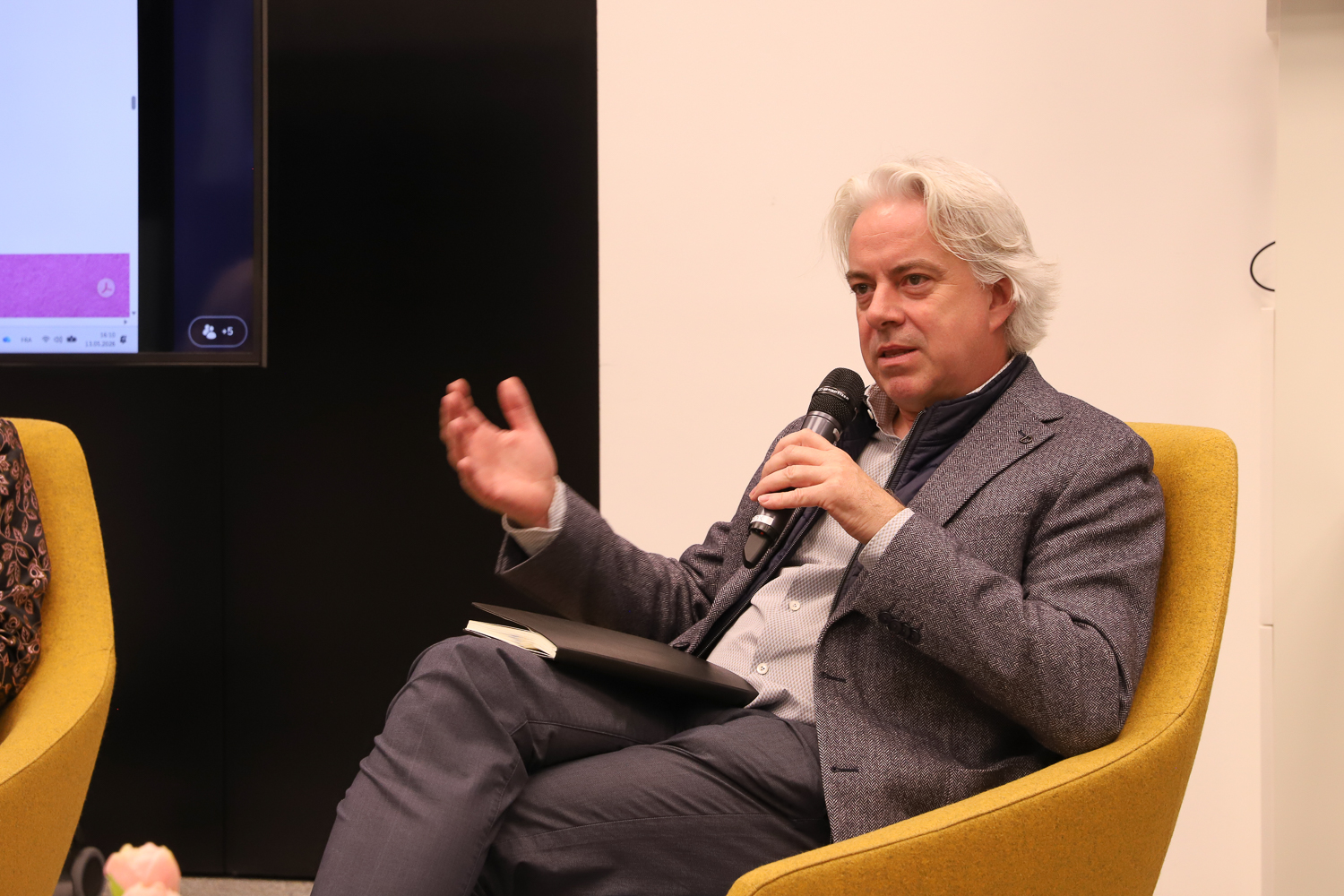
Round table participant Prof. Andreas Fickers
-
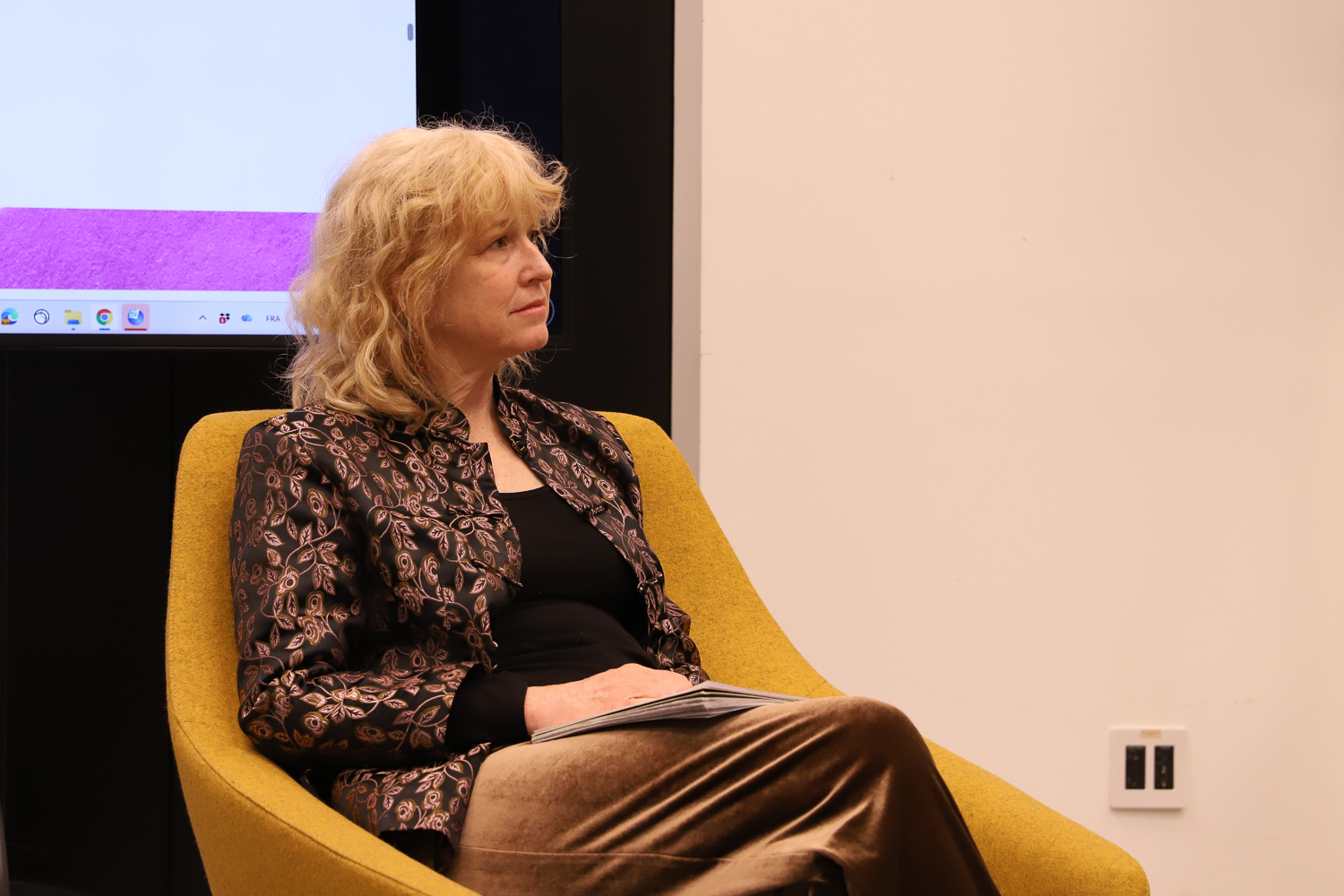
Round table participant Dr Anna Cole
-
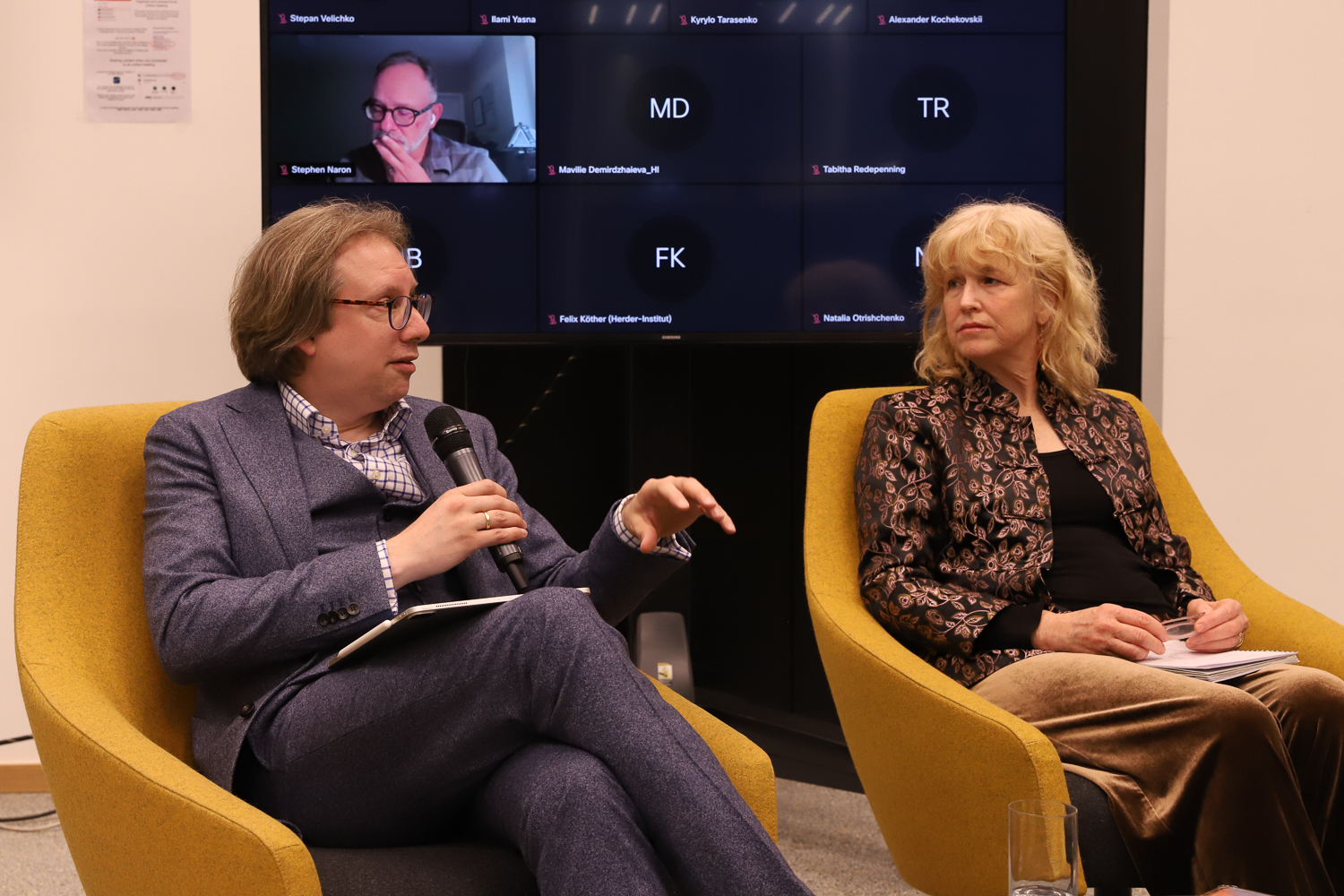
Round table participant Dr Simon Donig and Stephan Naron (online)
Musical intermezzos were offered by Margaryta Aleksandrova (a former U-CORE student assistant) and Serhii Pravdiuk. After saying goodbye to online participants, the academic session of the evening was finalised and followed by a meeting of the Luxembourg-Ukrainian Research Network.
Author(s)
Prof Machteld VENKEN
Full professor/Chief scientist 1 of Transnational Contemporary History (19th-20th century)