

 Faculty of Science, Technology and Medicine
 Faculty of Law, Economics and Finance
 Faculty of Humanities, Education and Social Sciences
 Interdisciplinary Centre for Security, Reliability and Trust
 Luxembourg Centre for Systems Biomedicine
 Luxembourg Centre for Contemporary and Digital History
 Luxembourg Centre for European Law
 Luxembourg Centre for Socio-Environmental Systems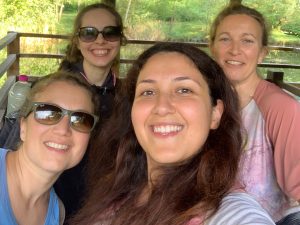
At the C²DH, digital research doesn’t just happen – it’s built, maintained and supported every day by the Digital Research Infrastructure (DRI) team. Led by Tugce Karatas (head) and Elisabeth Guérard (vice-head), the 18-member team plays a vital role in the centre’s digital ecosystem.
From software development, data management and visualisation to infrastructure maintenance, the DRI team provides a solid technical foundation for the C²DH’s research. Their expertise supports both the day-to-day operations of the C²DH and a wide range of collaborative research projects.
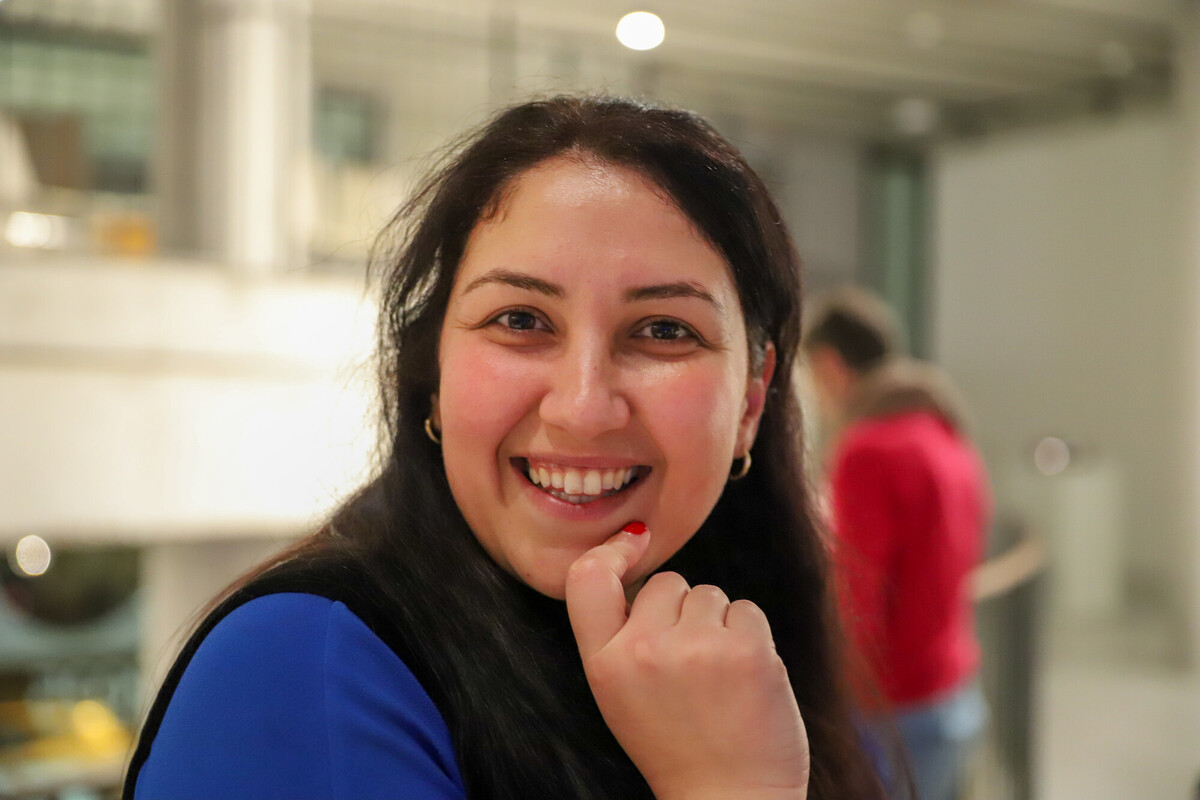
Tugce Karatas
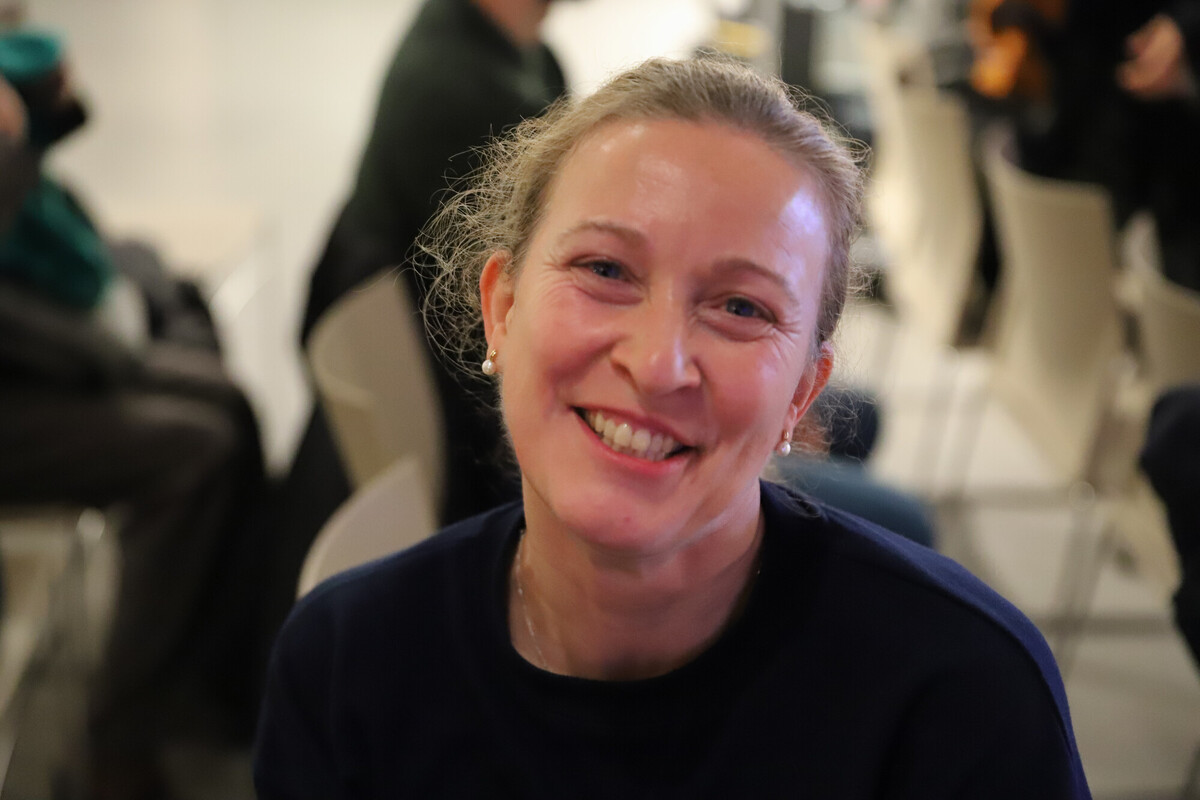
Elisabeth Guérard
Leading the team, Tugce Karatas and Elisabeth Guérard combine complementary skills and perspectives that strengthen the DRI’s collaborative work. Tugce Karatas, originally from Turkey, studied design and digital curation, later completing a PhD in computer science. Having joined the C²DH three years ago, she has overseen data workflows, AI prototypes and contributed to overall research data management and ethics.
Elisabeth Guérard has a background in history, computer science and cultural mediation. Her experience includes working as an application developer for around 20 years, mainly in the private sector. Speaking about her work at the C²DH, she says, “I really enjoy being at this intersection between technical implementation and humanities scholarship.”
‟ I really enjoy being at this intersection between technical implementation and humanities scholarship”
Software Developer
The DRI team includes four research scientists who help facilitate research workflows and integration in addition to providing technical services. The team’s work is agile and interdisciplinary, acting as a driver that helps bring the “digital history” focus of the C²DH to life.
An evolving team
When Tugce Karatas and Elisabeth Guérard took on their roles, they realised it was an opportune time to reflect on how the team had evolved since its early days and now encompasses a broader range of skills and perspectives. The DRI team members engaged in an internal workshop to discuss their roles, projects and goals. “We have different approaches, but it’s something we value a lot because this collaboration makes for better research,” Tugce Karatas explains. “The DRI provides sustainable and innovative digital solutions to improve research quality and knowledge management.”
‟ The DRI provides sustainable and innovative digital solutions to improve research quality and knowledge management.”
Research scientist
Of course, the DRI team relies on more general services provided by the University of Luxembourg, which handles protocols, regulations, etc. But, within this broader institutional framework, the team focuses on methodological and technological innovation, engaging the researchers. “We like to go beyond and experiment, and so there are some experimental tools we ask people to use so that we can test them.”
Artificial intelligence (AI) has been a big part of the team’s discussions for some time. Tugce Karatas adds that there have already been plenty of projects using the power of supercomputing, and the DRI team is at the forefront in building an AI working group with Frédéric Clavert and Sarah Oberbichler in order to better understand how it could be used in digital humanities.
Elisabeth Guérard explains that this task force touched on a wide range of topics, from teaching to coding and documentation. “It was also a way to improve the digital literacy of colleagues. Some colleagues were using large language models to reformat their data,” she says. “It was an opportunity to explore how this could build a bridge between developers and historians.” This bridge also sparks interest for Karatas: “That’s the magic of the C²DH. We have the space to take research and innovate in a way that’s meaningful for the research community.”
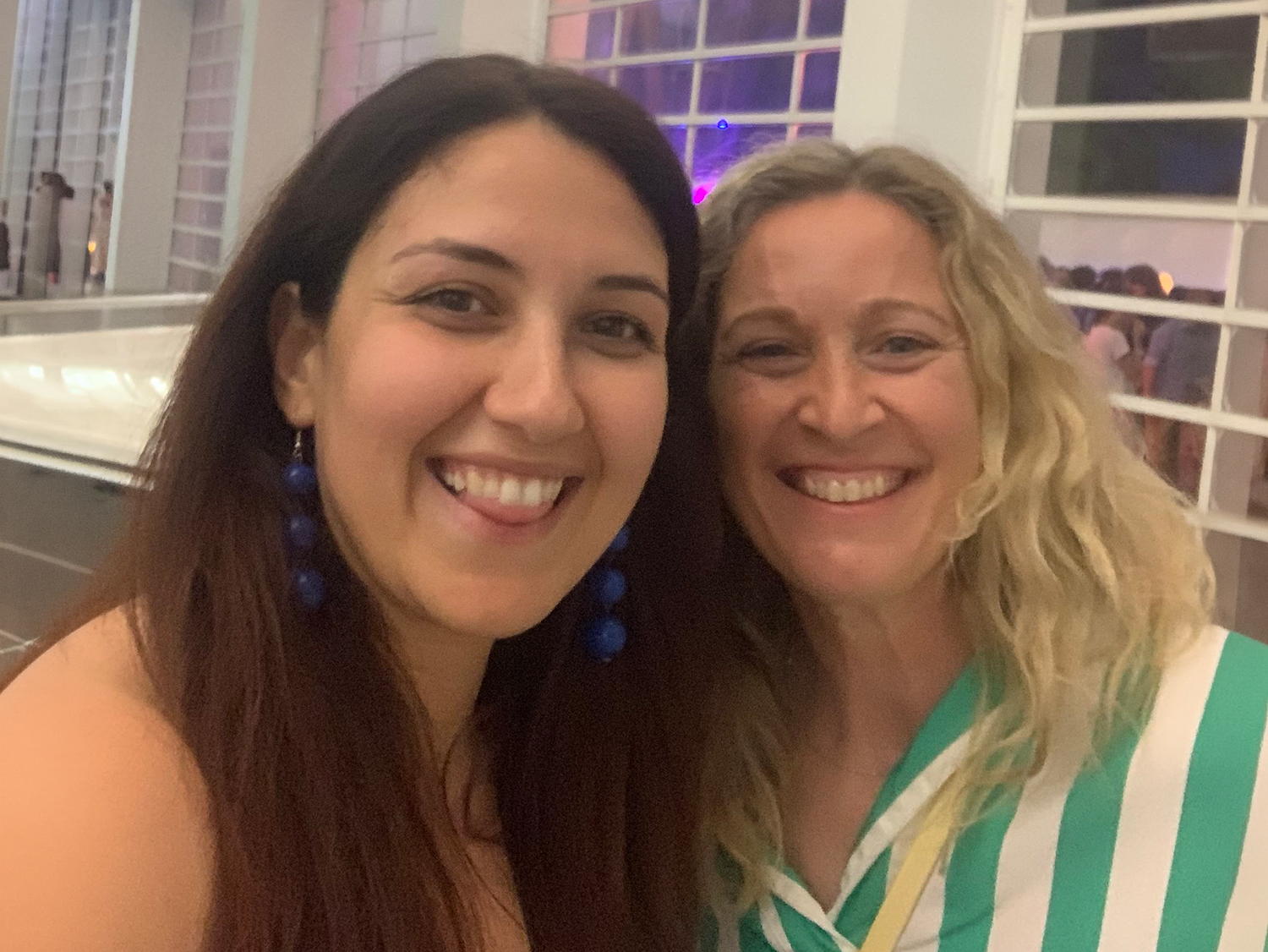
Tugce and Elisabeth
Beyond borders
Together with Valérie Schafer, Deputy Director of the C²DH, and post-doctoral researcher Sofia Papastamkou, Guérard and Karatas are in discussions on projects with SCIROS (Strategic Collaboration for Interdisciplinary Research on Open Science in the SSH, or social sciences and humanities). The DRI also contributes to the DARIAH (European Digital Infrastructure Consortium) and the OPERAS infrastructure (Open Scholarly Communication in the European Research Area for Sciences and Humanities).
Guérard also helps coordinate technical aspects for the Journal of Digital History, a joint initiative by the C²DH and the De Gruyter publishing group. As she explains, a digital monographs project is in the pipeline to promote open-access publishing.
As Karatas became Luxembourg’s national coordinator for the Digital Research Infrastructure for the Arts and Humanities (DARIAH-EU), a European network where people across Member States can share best practices, tools, technology and more. “We’re trying to collaborate with people outside of Luxembourg since it’s a small country, and we need this best-practice exchange,” Karatas notes. “We focus primarily on data and AI, supported by the Government of Luxembourg’s strong advancement in these areas”.