Faculty of Science, Technology and Medicine
 Faculty of Law, Economics and Finance
 Faculty of Humanities, Education and Social Sciences
 Interdisciplinary Centre for Security, Reliability and Trust
 Luxembourg Centre for Systems Biomedicine
 Luxembourg Centre for Contemporary and Digital History
 Luxembourg Centre for European Law
 Luxembourg Centre for Socio-Environmental Systems
Loretta Walz Oral History Collection
Preserving the voices and memories of those who lived through Luxembourg’s Nazi occupation
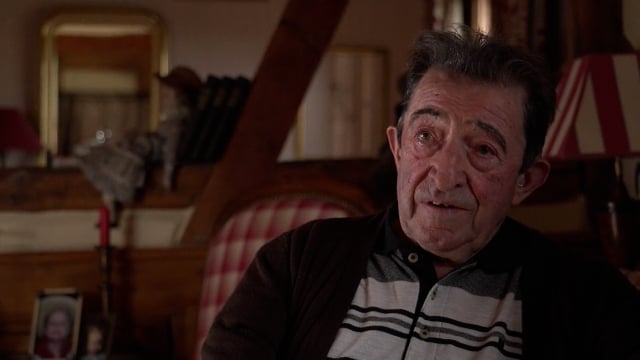
The Loretta Walz Oral History Collection is part of the Centre for Contemporary and Digital History’s (C²DH) ongoing mission to preserve the voices and memories of those who lived through one of Luxembourg’s most difficult periods — the Nazi occupation and its lasting aftermath. Initiated by journalist and researcher Loretta Walz, the collection brings together more than nine hundred recorded interviews with survivors, witnesses, and relatives whose life stories shed light on war, persecution, courage, and everyday resistance.
At its heart, the project is guided by a belief in societal and public responsibility: remembering is not a passive act but a shared ethical commitment. Each testimony calls on us to listen, to understand, and to reflect on the conditions that allow injustice, exclusion, or violence to take hold. By making these voices accessible, the collection aims to strengthen a democratic culture of empathy and historical awareness.
Through its ongoing digitisation, cataloguing, and curation, the Loretta Walz Oral History Collection seeks to ensure that these experiences remain part of Luxembourg’s living memory — open to researchers, educators, and the wider public. In doing so, it affirms the vital link between personal memory and collective accountability, and the role of history in shaping a more just and humane society.
Available interviews:
- Ferdinand Levy
- Emil Glesener
- Antoine Lejeune
- Mano Gorge Manfred
- Albert and Dora Mandelsaft
- Erich Schommers
- André Heiderscheid
- Camille Poupart
- Georges Vuillermoz
- Aloyse and Dora Doub
- Johny Schmidt
- Armand Klein
Ferdinand Levy
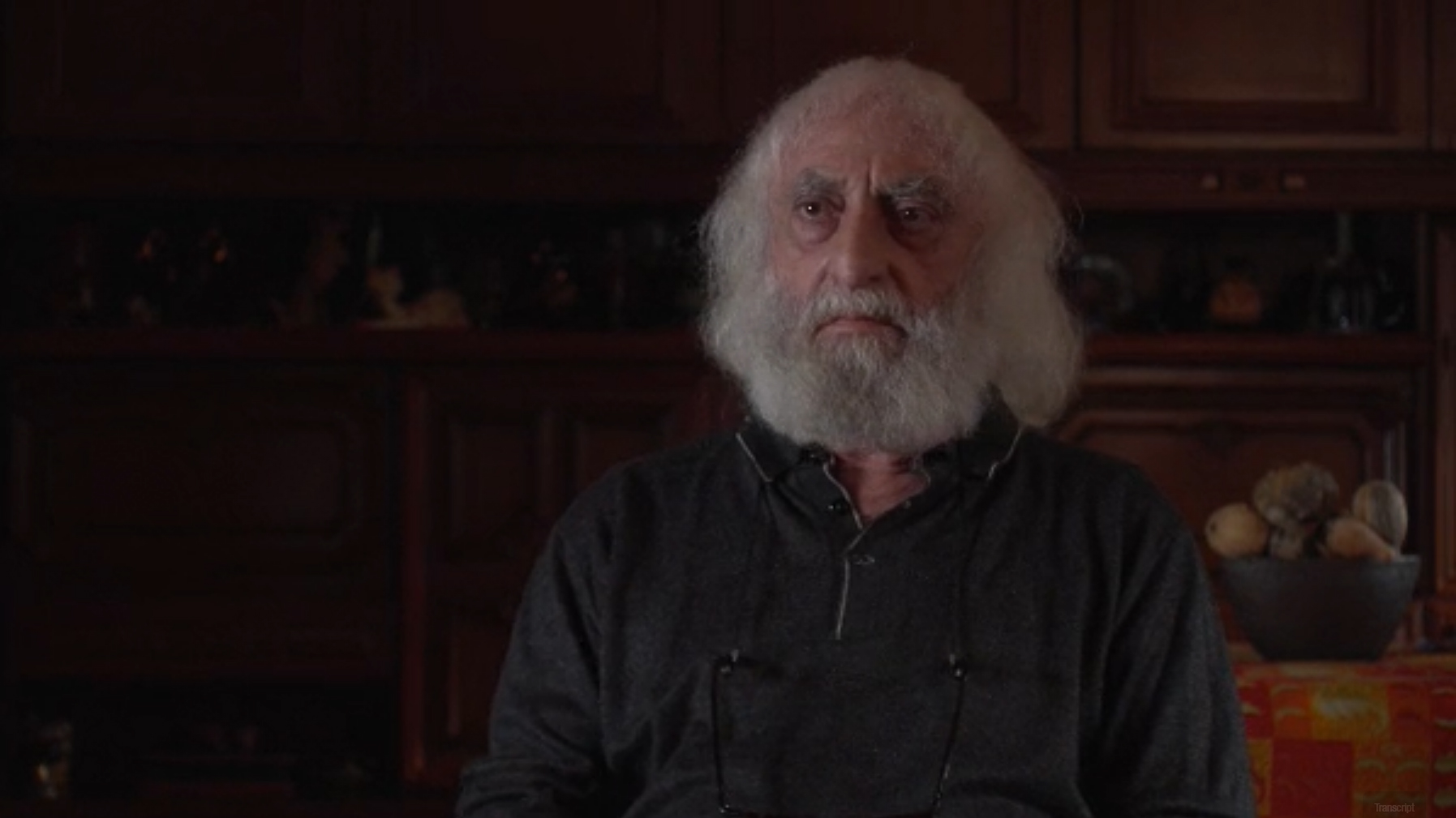
Ferdinand Levy reflects on his childhood in a Jewish family in Luxembourg and recalls the persecution of his relatives during the Nazi occupation. His father, Josef Levy (born 15 June 1908), was imprisoned in KZ Hinzert, later deported to Auschwitz in 1942, and murdered in January 1943.
Levy also recounts how his mother risked her life by hiding a friend of her husband in their apartment, offering a poignant insight into solidarity and moral courage during the Holocaust.
This testimony preserves a vital part of Luxembourg’s Jewish wartime memory and contributes to the documentation of persecution, survival, and resistance.
Part 1
Part 2
Emil Glesener
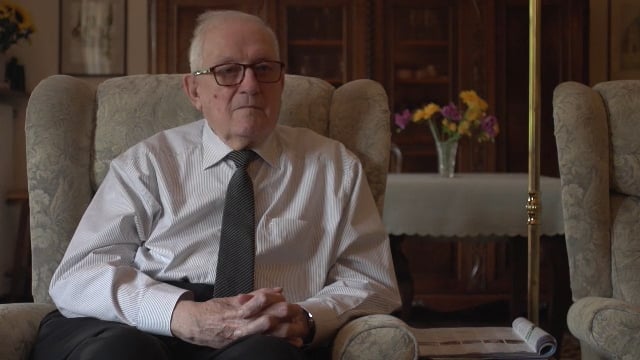
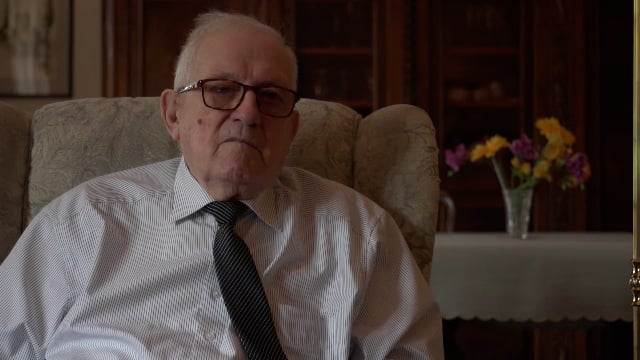
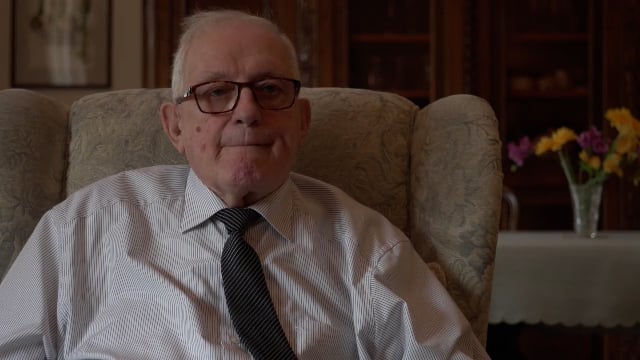
Emil Glesener recounts his experiences as a student during the Echternach school strike, his subsequent arrest and detention, and his transfer to Villa Pauly, the Grund prison, and later to Burg Bacherach / Stahleck Priesterseminar in Germany.
His testimony offers a personal perspective on repression, youth resistance, and everyday life under occupation in Luxembourg during the Second World War.
The interview contributes to documenting the voices of those who witnessed and endured the Nazi occupation, forming an integral part of Luxembourg’s living memory.
Part 1
Part 2
Part 3
Part 4
Antoine Lejeune
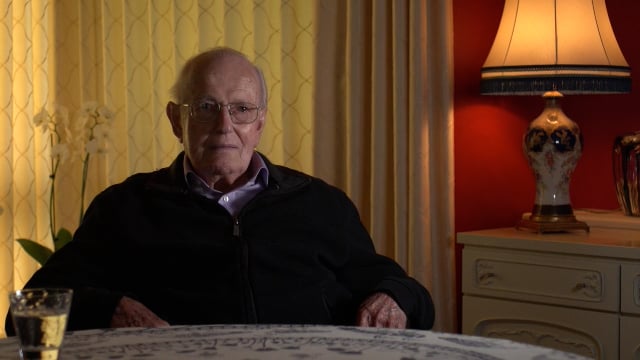
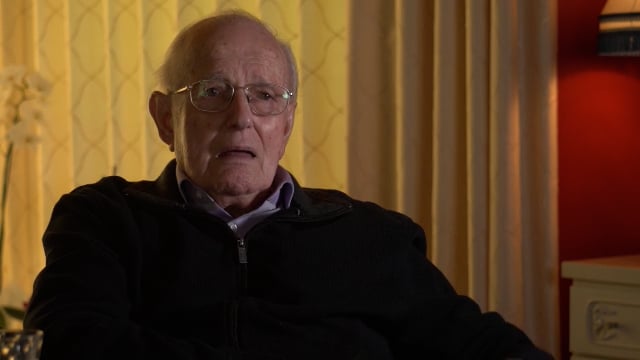
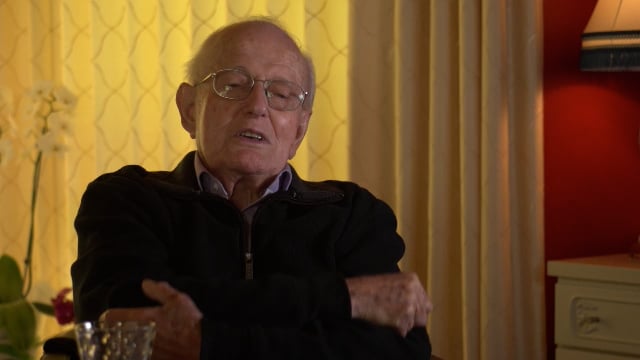
Antoine Lejeune recounts his experiences as a volunteer in the Belgian Army and his subsequent forced conscription into the German forces during the Second World War. He describes his infantry training in southern France beginning in April 1940, reflecting on the tensions of identity, coercion, and survival under occupation.
His testimony offers a vivid perspective on the dilemmas faced by individuals in Luxembourg and the border regions as they navigated competing loyalties and shifting political regimes during wartime Europe.
Part 1
Part 2
Part 3
Mano Gorge Manfred
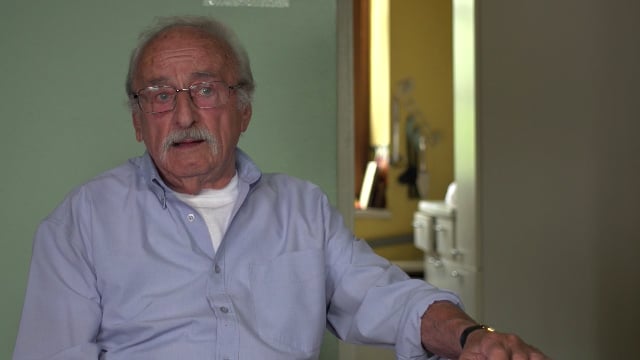
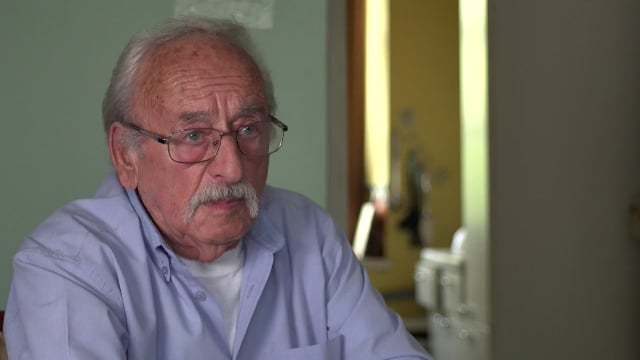
Mano Gorge Manfred describes the story of his Jewish family, their move to Luxembourg in 1925, and the subsequent expulsion to France, where they lived in Montélimar before being deported to Auschwitz. He recounts the harrowing journey through the Warsaw Ghetto, Dachau, and Theresienstadt, including his time in forced underground labor.
His testimony bears witness to persecution, endurance, and the enduring struggle to preserve dignity and memory in the face of systematic dehumanization.
Part 1
Part 2
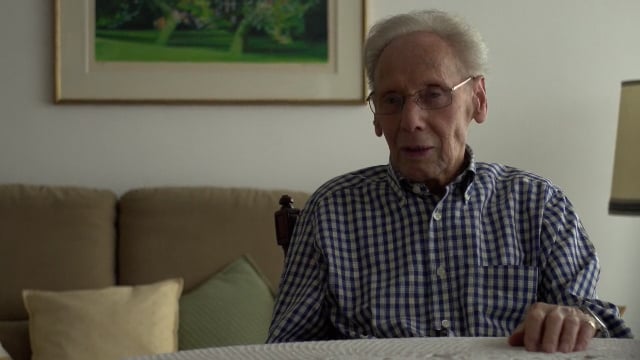
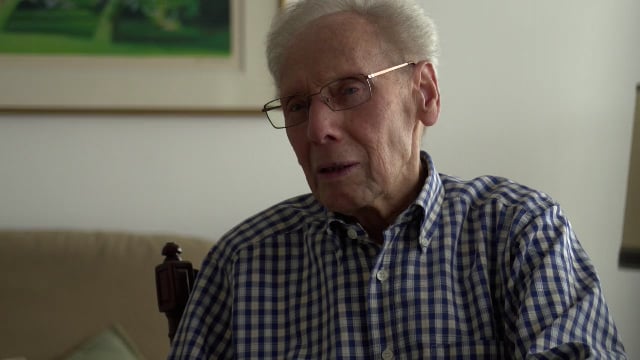
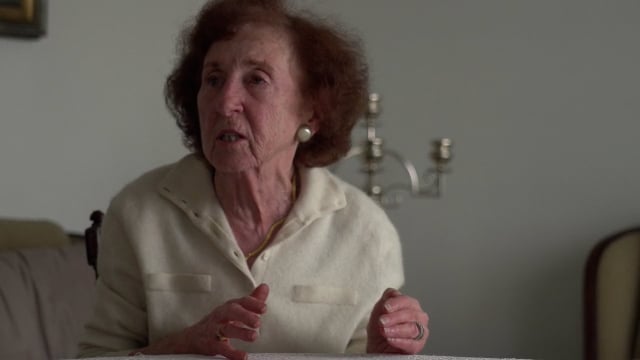
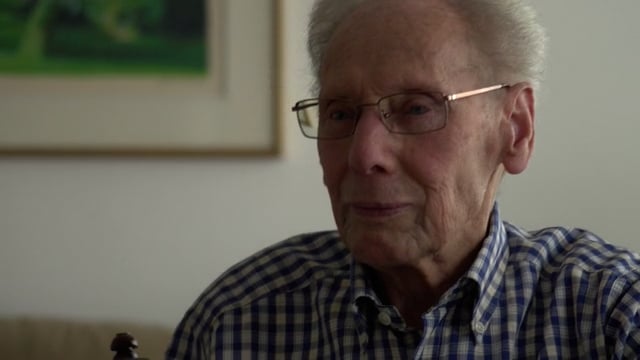
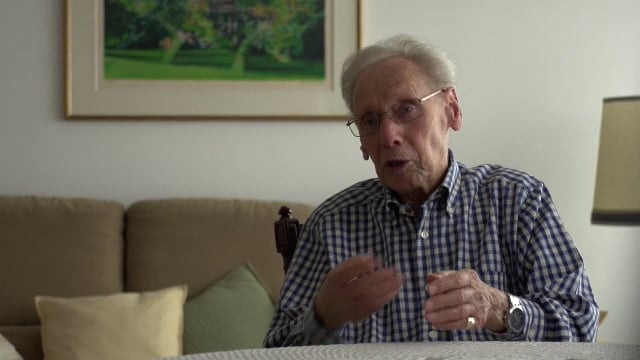
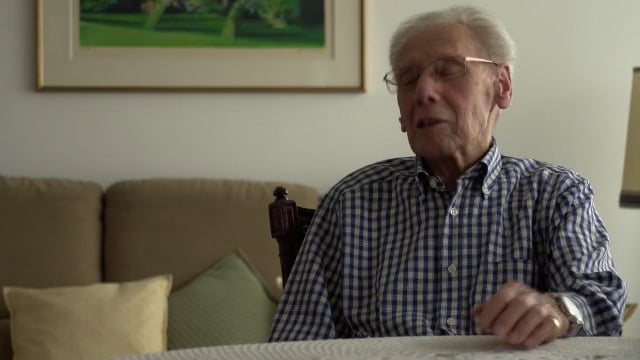
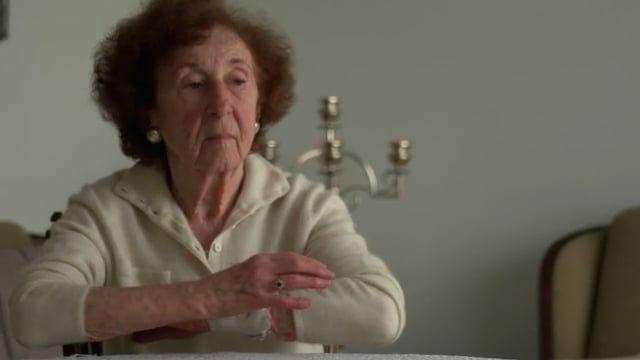
Albert and Dora Mandelsaft
The Mandelsaft family, of Jewish origin, moved from Luxembourg to Metz in 1924 and later sought refuge in Limoges, France, where they became involved in the French Resistance. Using false identity papers, they attempted to survive under Nazi persecution but were arrested and deported. Albert was imprisoned in Dachau and Flossenbürg, surviving the so-called “Convoi de la mort” (death convoy). Most of his parents and siblings were murdered in Auschwitz. After liberation, the couple was reunited at the Hôtel Lutetia in Paris, where many survivors met in the postwar months to search for relatives.
Their testimony bears witness to persecution, survival, and the enduring human capacity for solidarity amid the horrors of war.
Part 1
Part 2
Part 3
Part 4
Part 5
Part 6
Part 7
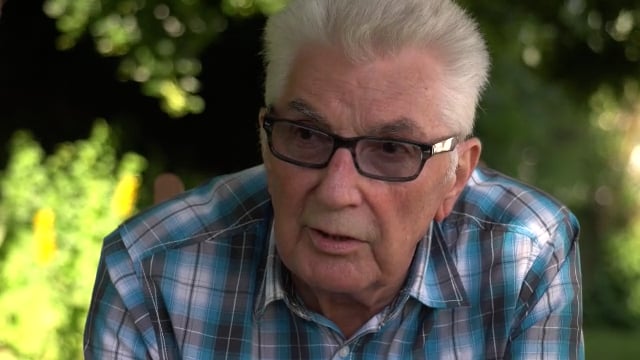
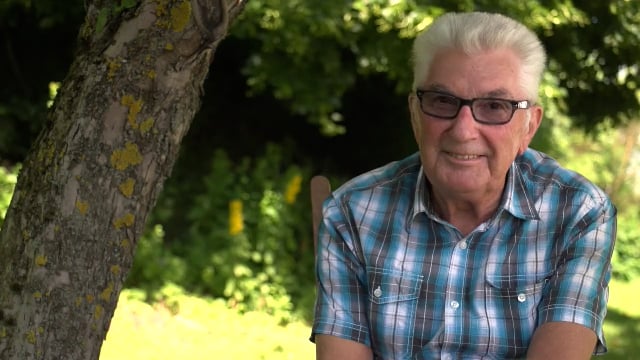
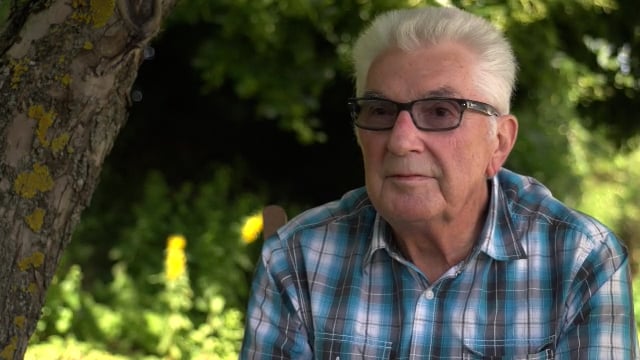
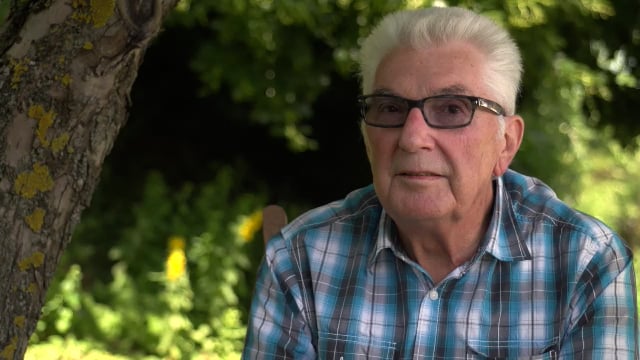
Erich Schommers
Born in 1936, Erich Schommers recalls his childhood in Luxembourg and the story of his father, Hans Schommers, a local entrepreneur who later served in the German auxiliary customs service (Hilfszoll) during the occupation. Despite his position, his father helped Jewish families escape, which led to his expulsion from the Party and subsequent transfer to Weiswampach, near the Belgian border.
Through his recollections, Schommers sheds light on the moral tensions and quiet forms of resistance that persisted within occupied Luxembourg, offering a perspective on individual agency under totalitarian pressure.
Part 1
Part 2
Part 3
Part 4
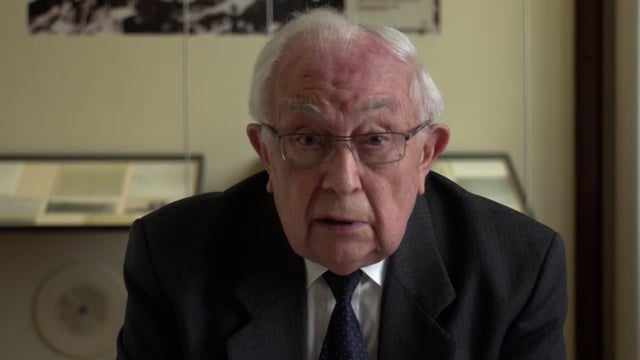
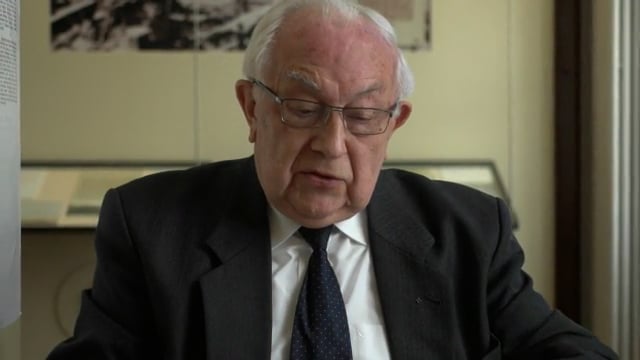
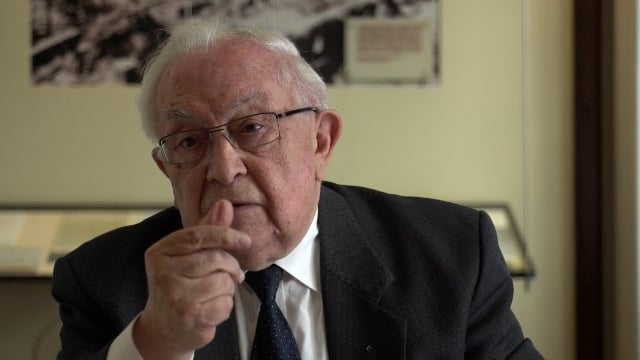
André Heiderscheid
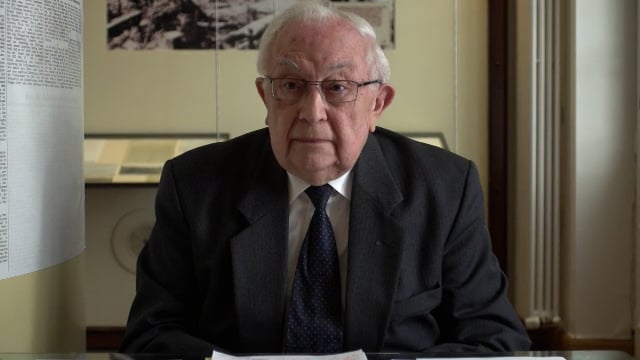
André Heiderscheid reflects on his experiences as a student assigned to the Athenäum Heimatflak, and his subsequent forced conscription into the German army during the final phase of the Second World War. In 1944, he was deployed with the Reich Labour Service (RAD) in Poland, before being sent to the Eastern Front, where he served near Altenburg and Silesia. Captured by Soviet forces, he spent nearly a year in prisoner-of-war captivity until his release in September 1945.
His testimony offers a nuanced insight into the realities of youth mobilization, coercion, and endurance under totalitarian rule, illuminating the moral and psychological complexities faced by young Luxembourgers caught between regimes and ideologies.
Part 1
Part 2
Part 3
Part 4
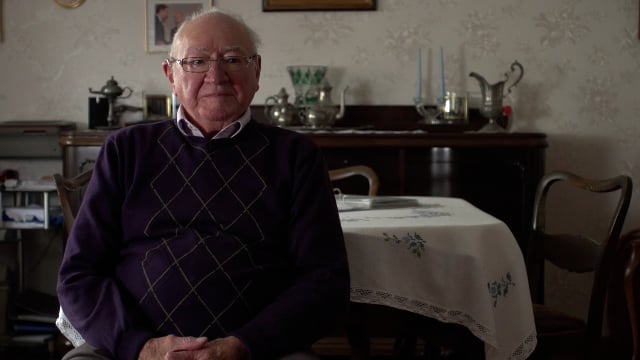
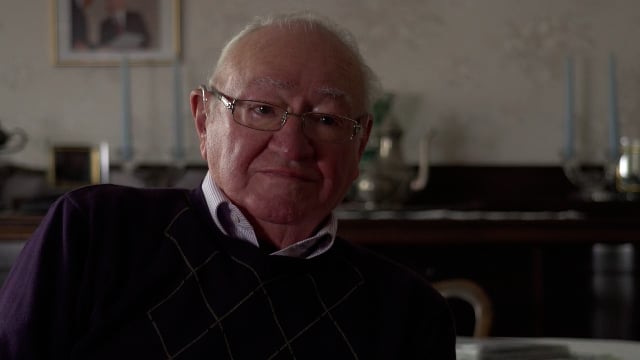
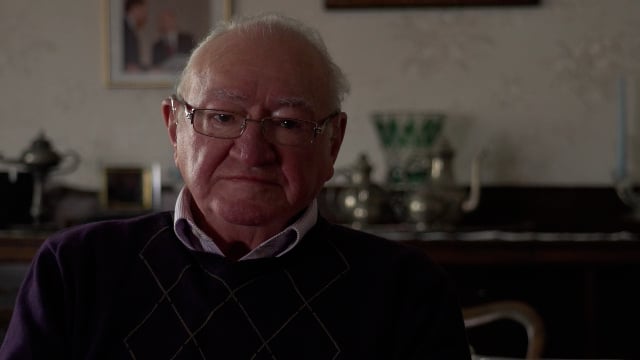
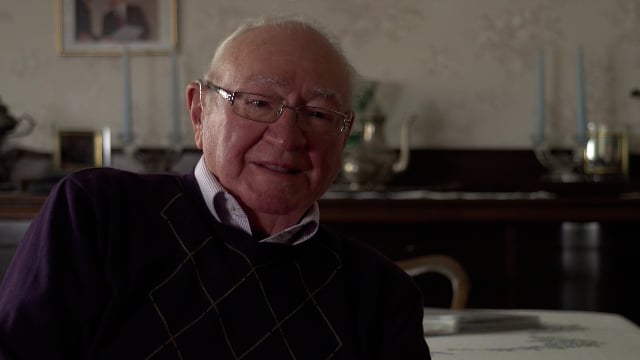
Camille Poupart
Born in 1930, Poupart evokes the quiet, everyday acts of defiance that unfolded within his family during the Nazi occupation. His father coordinated the provisioning of young men in hiding in the Hondsbesch bunker, ensuring they received food and news from the outside. His grandmother laundered their clothes, while his grandfather offered discreet assistance and protection. These gestures, seemingly domestic, carried profound moral weight — small, steady acts of courage sustained under the constant threat of discovery.
Poupart’s recollection does not dramatize resistance; it restores its human scale. Through memories of arrest, escape, and concealment, he bears witness to a form of solidarity that emerged not from ideology, but from conscience and compassion.
Part 1
Part 2
Part 3
Part 4
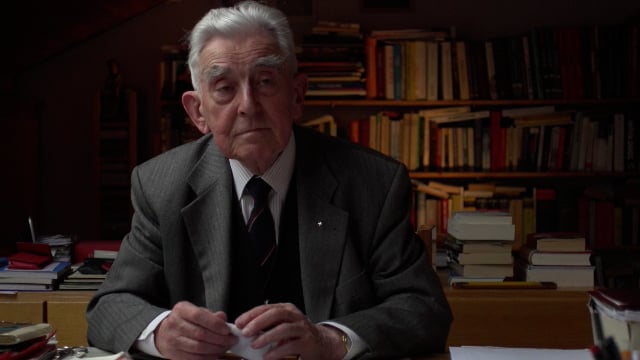
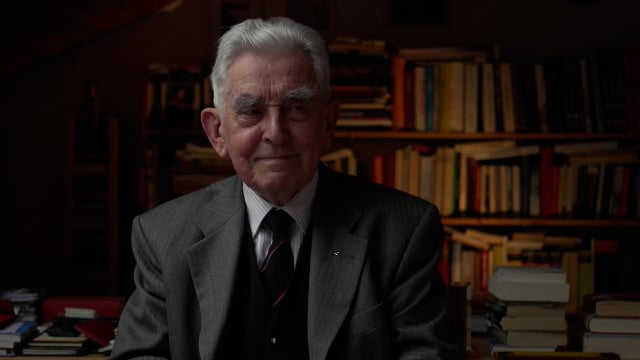
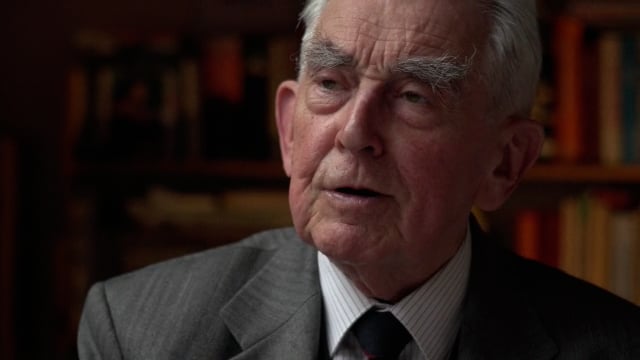
Georges Vuillermoz
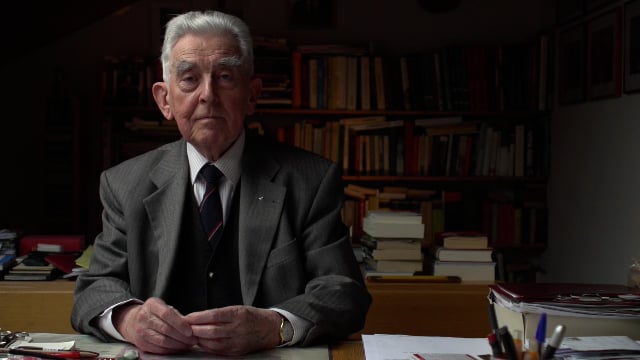
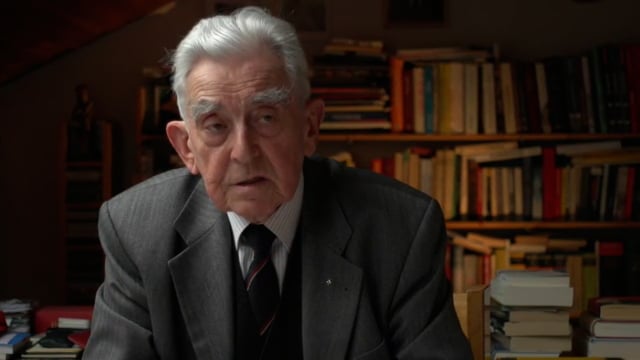
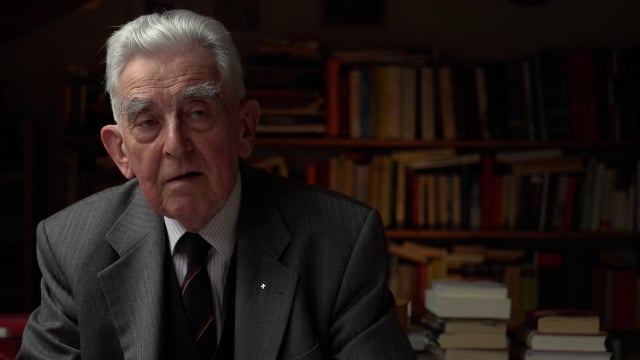
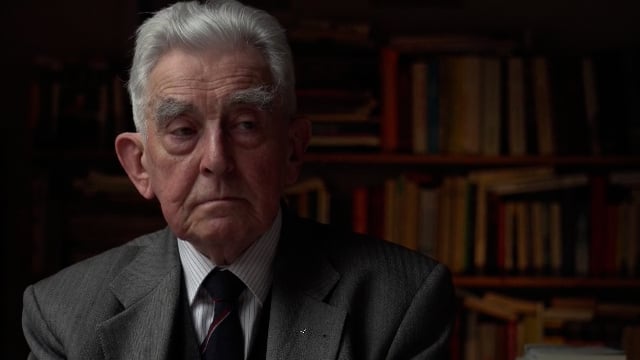
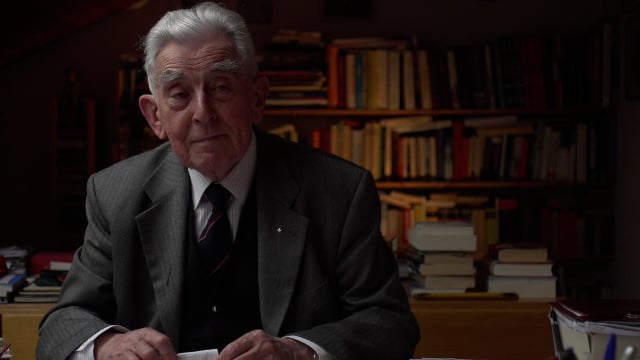
These Oral History interviews with Georges Vuillermoz from Dudelange (Luxembourg) document his personal experiences during the Second World War.
Vuillermoz was forcibly conscripted into the Reichsarbeitsdienst (RAD) and later into the Wehrmacht, where he served as a radio operator in the artillery. He speaks about being wounded at the front, his stay in a military hospital, and his eventual desertion. The interview also touches on encounters with military chaplains and reflects on the moral and emotional struggles associated with forced military service.
Please note that parts of the recordings, particularly at the transitions between clips, may sound fragmented or uneven, as the original audio material from 2013 was later digitized and reconstructed from multiple sessions. Minor variations in tone and continuity reflect the technical limitations of the original recordings.
Part 1
Part 2
Part 3
Part 4
Part 5
Part 6
Part 7
Part 8
Part 9
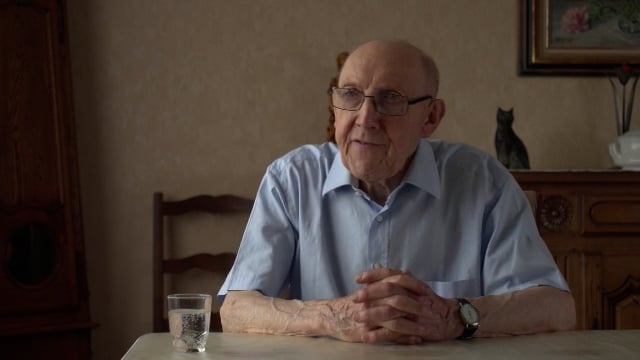
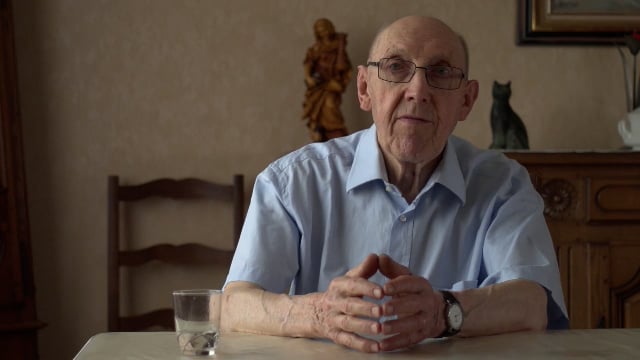
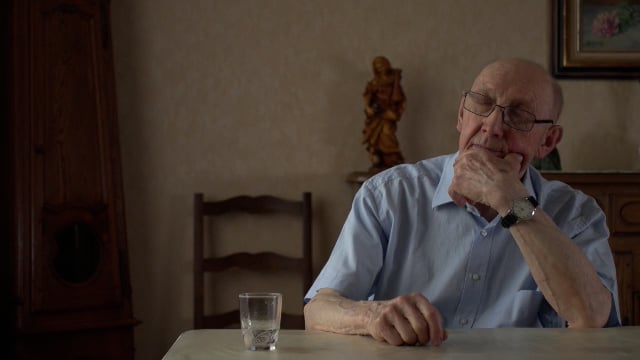
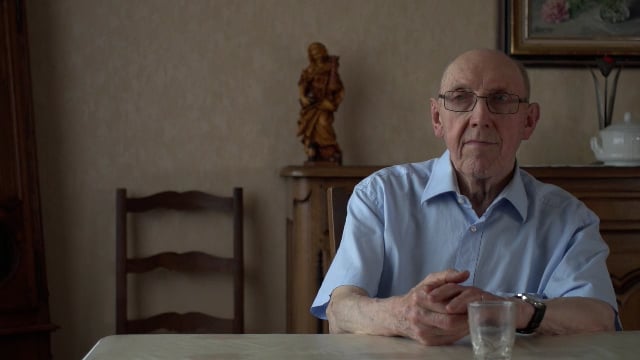
Aloyse and Dora Doub
Born in 1926 in Metz, Aloyse Doub recounts the upheavals that marked his childhood and youth in Lothringen. On 1 September 1939, his family was forced to evacuate to the southwest of France, returning only after the German advance in June 1940. What followed was a gradual tightening of constraints: the loss of familiar landscapes, the imposition of new loyalties, and finally forced recruitment.
From September 1943 to September 1944, Doub served as a Flak- and Luftwaffenhelfer, tasked with anti-aircraft duties and later with digging defensive positions (Schanzen). His recollections trace the final months of the war as they unfolded around him—skirmishes in the village, the anxiety of air raids, and moments of fear and waiting, often hiding in the cellar as bombardments shook the area.
Together, Aloyse and Dora Doub’s testimony restores the textures of daily life under occupation: the displacements, the demands placed on young bodies, and the intimate forms of endurance shaped by uncertainty and war.
Part 1
Part 2
Part 3
Part 4
Part 5
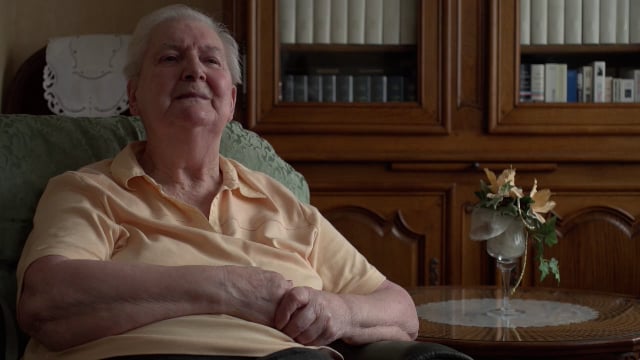
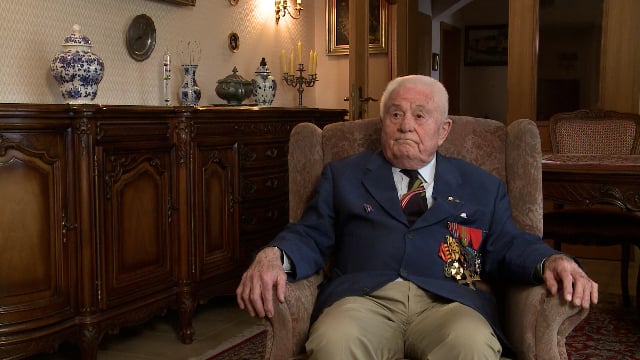
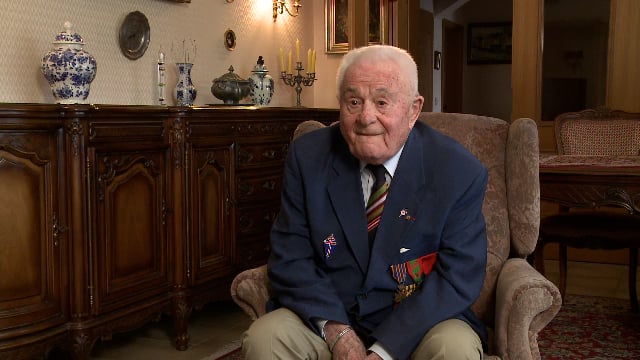
Johny Schmidt
Trained as a musician, Schmidt’s youth was overtaken by the demands of occupation: in early 1943, he was assigned to the Reich Labour Service (RAD), stationed in Zibelle near Muskau and later in Konitz near Danzig. Facing increasing pressure and the prospect of frontline deployment, he chose the perilous path of desertion.
With the help of Albert Ungeheuer and members of the Luxembourgish Resistance, Schmidt hid in Differdingen, eventually reaching France, where he lived underground, participating in sabotage operations and resistance activities. His musical background ultimately found a symbolic resonance when he became an honorary trumpeter of the Résistance, embodying both survival and defiance.
Schmidt’s testimony interweaves flight, fear, solidarity, and creative resilience, documenting one of the many individual journeys through coercion, betrayal, clandestinity, and moral resolve during the war.
Part 1
Part 2
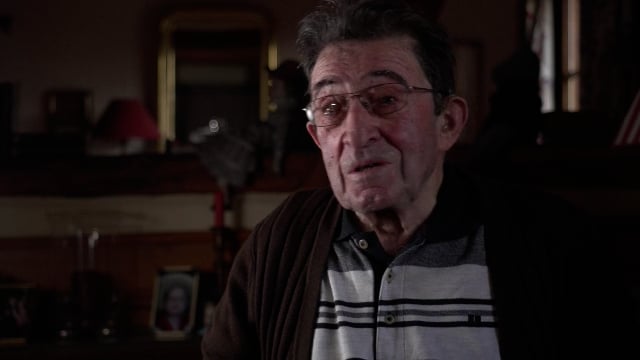
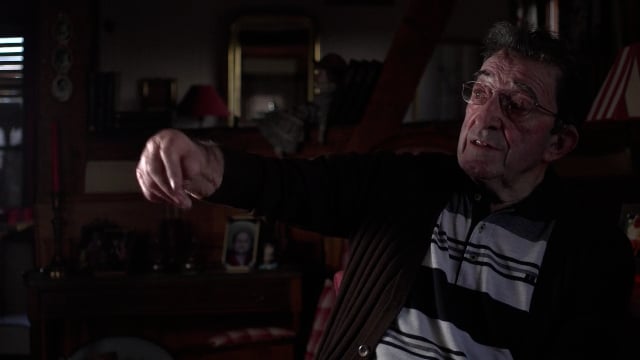
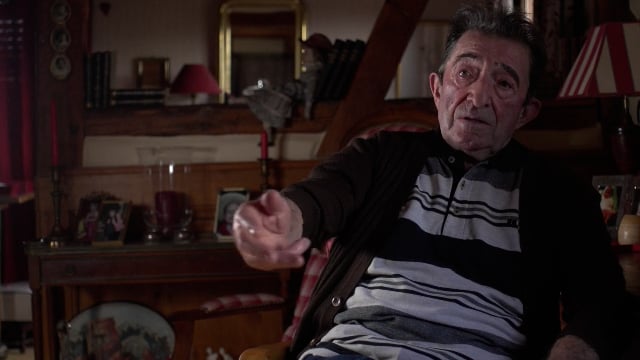
Armand Klein
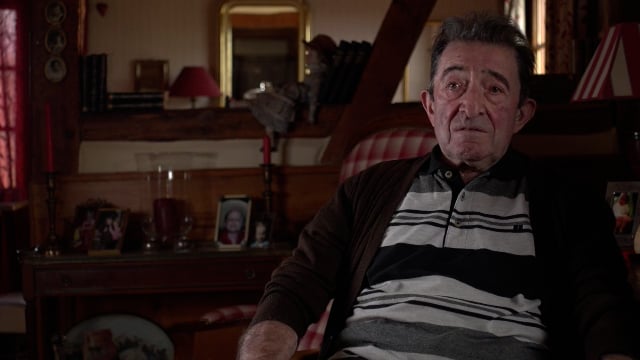
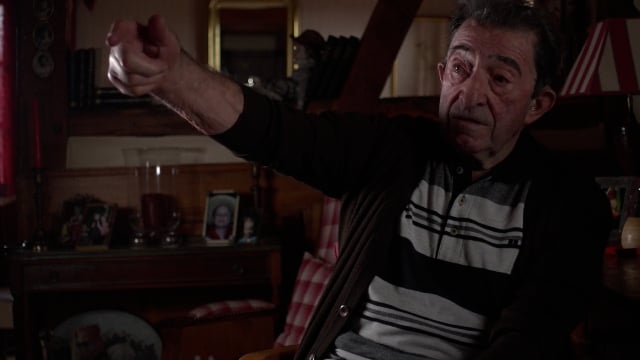
Born in France, Armand Klein reflects on his youth in the Alsace, a region repeatedly reshaped by shifting borders and political claims. Like many young men of his generation, he became subject to forced conscription under German rule, a process that uprooted him from his community and inserted him into the machinery of war.
His testimony traces the dissonance of belonging in a borderland: the tension between local identity, administrative coercion, and the pressure to conform to a power that claimed him without granting recognition. Through his recollections, Klein gives voice to the quieter trajectories of the war—those marked less by dramatic events than by the daily negotiation of fear, uncertainty, and constrained choices.
Part 1
Part 2
Part 3
Part 4
Part 5
Part 6